
 AI-generated illustration
Kukorica (Zea mays ‘Kukorica’) short overview
Zea mays 'Kukorica' is a supplied cultivar identity within the familiar corn and maize species, but dependable cultivar-specific information for this exact epithet is scarce in US horticultural references. It is best grown as a warm-season annual in full sun, fertile soil, and consistent moisture. Because corn is wind-pollinated and sensitive to root disturbance, plant it in a block rather than a single row and handle seedlings carefully.
Taxonomic classification
Kukorica (Zea mays ‘Kukorica’) care guide
Light and placement
Choose an unobstructed full-sun site with at least 6–8 hours of direct light, ideally with the tallest plants positioned where they will not shade vegetables or neighboring ornamentals. Too little light produces weak, stretched growth and poor ear development. Excessive reflected heat is usually less problematic than drought, provided roots remain evenly moist.
Watering and humidity
Water deeply whenever the upper soil begins to dry, keeping moisture consistent from emergence through silking and ear fill. Corn needs more water during rapid growth and reproductive development; drought at tasseling or silking can cause incomplete kernel set. Apply water to the soil rather than wetting tassels and silks, and mulch after establishment to reduce fluctuations.
Soil and growing medium
Use fertile, deep, well-drained soil that still retains steady moisture. A loam or amended sandy loam is suitable; compacted or waterlogged ground restricts roots. Corn generally performs well from slightly acidic through slightly alkaline soil, approximately pH 6.0–7.5. Incorporate compost before planting, but avoid creating an excessively loose, drought-prone seedbed.
Feeding
Corn is a heavy feeder. Before planting, mix compost and, if soil testing indicates a need, a balanced fertilizer. Side-dress with a nitrogen source when plants are about 8–12 inches tall and again before tasseling if growth is pale or weak. Water fertilizer in. Do not apply strong fertilizer to dry soil or continue feeding heavily after plants are mature.
Growth and habit
A fast-growing, upright annual grass that forms a clump of broad leaves and a central flowering stem. Growth is strongest with warmth, full sun, uninterrupted moisture, and ample nitrogen. The plant becomes vulnerable to lodging in exposed sites or when roots are disturbed. Cultivar-specific mature habit and earliness for 'Kukorica' remain undocumented.
Planting and repotting
Sow outdoors after the soil has warmed to about 60°F and frost danger has passed. Plant seed about 1–2 inches deep in fertile soil, spacing plants roughly 8–12 inches apart in blocks or short rows. A block improves wind pollination. Thin by cutting surplus seedlings rather than pulling them, because corn roots are easily disturbed.
Container growing is possible only in a large, stable container. Transplanting is best done while plants are young because corn roots dislike disturbance. Move the entire root ball without teasing roots, and provide immediate water. In most containers, crowding, wind exposure, and limited fertility reduce performance compared with a garden bed.
Propagation and pruning
Propagation
Propagate by seed. Sow directly after soil warms, or start in biodegradable containers only a short time before planting out. Preserve a named line by isolating it from other corn varieties during pollen shed; open pollination can produce genetically mixed seed. Cultivar-specific seed availability and breeding status are unverified.
Pruning
Do not routinely prune corn. Remove only dead or badly damaged leaves with clean tools, and cut spent stalks at ground level after harvest or frost. Avoid removing healthy leaves because they supply energy for ear development. Chop and compost disease-free residues; dispose of diseased material according to local guidance.
Overwintering
Treat it as a frost-tender annual. Harvest or remove plants after frost damages the foliage. Do not attempt indoor overwintering of mature plants; save seed only if the plants were isolated from unwanted corn pollen and the seed type is known.
Uses
Grow as an architectural annual, screening plant, educational crop, edible grain or ear crop, and seasonal ornamental grass. The exact food type, kernel color, harvest stage, and ornamental characteristics of 'Kukorica' are not verified, so do not assume sweet, popping, dent, or ornamental use from the epithet alone.
Appearance
The species has a stout, jointed grass stem, long strap-shaped leaves with parallel veins, and a terminal tassel above the foliage. Female ears develop in leaf axils and bear long silk strands. These features are reliable for Zea mays, but kernel color, ear shape, striping, and any unusual ornamental traits of 'Kukorica' were not verified.
Flowering
Corn is monoecious: each plant produces separate male tassels and female ears with silky stigmas. Tassels release pollen above the foliage, while silks emerge from the ears. The exact timing for 'Kukorica' is undocumented; species-level flowering usually occurs during the warm summer growing season. Good ear set depends on adequate moisture and nearby plants for wind-borne pollen.
Pollination and visitors
This plant is primarily wind-pollinated rather than animal-pollinated. Tassels release abundant pollen, and exposed silks receive airborne grains. Animal visitors may occur incidentally, but reliable evidence does not support rating this exact identity as a pollinator-attracting plant.
Diseases and pests
Diseases
Common corn diseases include leaf blights, rusts, smuts, wilts, and ear rots, with risk varying by climate and crop history. Reduce problems with rotation, clean seed, good air movement, balanced fertility, and removal of badly diseased residues. Avoid overhead irrigation during tasseling and silking when possible. Exact susceptibility of 'Kukorica' has not been established.
Pests
Watch for corn earworm, European corn borer, fall armyworm, cutworms, flea beetles, and sap-feeding insects. Use crop rotation, remove crop residues, encourage beneficial insects, and inspect leaves, whorls, stalks, and ears regularly. Management should follow local extension recommendations because pest pressure varies widely. Avoid unnecessary broad-spectrum insecticides during silk emergence.
Related diseases and pests
Only Plant Doctor profiles whose host data indicate this plant may be affected are shown here.
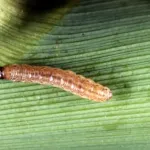 PestEuropean Corn BorerOstrinia nubilalis
 PestMediterranean corn stalk borerSesamia nonagrioides Lefèbvre
 DiseaseCorn Head SmutSporisorium reilianum (J.G. Kühn) Langdon & Full.; maize-adapted form traditionally cited as S. reilianum f. sp. zeae
 DiseaseNorthern corn leaf blightExserohilum turcicum
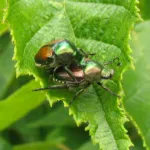 PestJapanese beetlePopillia japonica
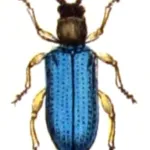 PestCereal leaf beetleOulema melanopus
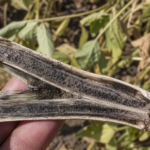 DiseaseCharcoal rotMacrophomina phaseolina (Tassi) Goidanich
 DiseaseRhizoctonia DiseasesRhizoctonia solani Kühn
Toxicity and pollen
Corn is widely cultivated as a food crop, and no reliable evidence was found that this exact supplied cultivar has distinctive toxic properties. Raw plant tissues can still cause mechanical irritation, and moldy grain or spoiled plant material should not be eaten. Handle dry pollen and plant debris carefully if respiratory sensitivity is known.
- Typical season
- Typically June–August in much of the United States, climate dependent
- Pollination / pollen
- Wind-dispersed grass pollen
Corn releases a seasonal cloud of wind-borne pollen from tassels. Exposure is usually greatest during tasseling and early silking, often in summer in the United States. The pollen can contribute to seasonal respiratory or contact symptoms in sensitive people even though pollination does not depend on insects. Keep dry plant debris away from indoor air and use local allergy guidance when symptoms occur.
Native habitat
Zea mays is a domesticated crop associated with cultivated fields, garden soil, and warm-season agricultural landscapes rather than a stable wild habitat. It performs best in sunny, fertile, moisture-retentive but well-drained ground. The supplied epithet may reflect Hungarian terminology, but its geographic cultivar origin cannot be confirmed from reliable sources.
Interesting fact
Corn has separate male and female flowering structures on the same plant.
Its pollen is released from tassels and carried mainly by wind.
Silks are the stigmas that receive pollen for individual kernels.
Corn roots are easily damaged by pulling weeds near young plants.
Planting in a block improves the chance of complete pollination.
Frequently asked questions (FAQ)
The most relevant questions about this plant, with short and direct answers.
🌱Quick care
What is Zea mays 'Kukorica'?⌄
Zea mays 'Kukorica' is a named horticultural identity within the annual corn and maize species, Zea mays. Public sources do not clearly establish a distinct US common name or cultivar-specific traits for this exact name.
Is Zea mays 'Kukorica' an annual or perennial plant?⌄
Zea mays 'Kukorica' is a frost-tender annual. It completes its life cycle in one growing season and normally must be replanted from seed.
How much sunlight does Zea mays 'Kukorica' need?⌄
Provide full sun, ideally at least 6 hours of direct sunlight daily and preferably 8 to 10 hours. Insufficient light can reduce vigor, ear development, and pollination success.
How often should I water Zea mays 'Kukorica'?⌄
Keep the soil consistently moist throughout the growing season, especially during tasseling, silking, and ear development. Water the soil rather than wetting the tassels and silks whenever possible.
What soil is best for Zea mays 'Kukorica'?⌄
Use fertile, well-drained loam enriched with organic matter. The soil should hold moisture without remaining waterlogged, because corn is both a heavy feeder and sensitive to poor drainage.
🌤️Environment and placement
Can Zea mays 'Kukorica' grow in a container?⌄
It can grow in a large container, but container culture is less reliable because corn needs space, steady moisture, nutrients, and enough plants for wind pollination. Choose a deep, wide container and grow several plants together rather than one isolated plant.
What USDA hardiness zone is suitable for Zea mays 'Kukorica'?⌄
Zea mays 'Kukorica' can be grown as a summer annual across much of the United States, but it is not winter-hardy. Plant only after the danger of frost has passed and warm growing conditions have arrived.
How tall does Zea mays 'Kukorica' grow?⌄
The exact mature height of 'Kukorica' is not clearly documented in reliable sources. Corn plants commonly become several feet tall, so place them where they will not shade shorter vegetables.
Does Zea mays 'Kukorica' tolerate frost?⌄
No, it is frost-tender and young plants can be injured or killed by freezing temperatures. Delay outdoor planting until frost risk has passed and the soil has warmed.
💧Care and problems
Does Zea mays 'Kukorica' need fertilizer?⌄
Yes, it generally needs fertile soil and substantial nitrogen because corn is a heavy feeder. Incorporate compost before planting and use a soil-test-based fertilizer program rather than applying excessive nitrogen blindly.
Why are the leaves of Zea mays 'Kukorica' turning yellow?⌄
Yellowing leaves can result from nitrogen deficiency, cold soil, drought, waterlogged roots, or other stress. Check soil moisture and drainage first, then use a soil test before adding fertilizer.
Why is Zea mays 'Kukorica' not producing full ears?⌄
Poor pollination is a common cause, especially when plants are grown singly or in a thin row. Drought, nutrient shortages, heat stress, and insect damage can also reduce kernel development.
Should I remove side shoots from Zea mays 'Kukorica'?⌄
Usually no, routine removal of side shoots is unnecessary in home gardens. Avoid damaging the main root system or lower stem while weeding, thinning, or cultivating around the plants.
What pests commonly affect Zea mays 'Kukorica'?⌄
Corn may be affected by caterpillars, beetles, aphids, cutworms, and animals such as raccoons or birds. Inspect leaves, stalks, tassels, and ears regularly and identify the pest before choosing a control method.
What diseases can affect Zea mays 'Kukorica'?⌄
Corn can develop leaf spots, smuts, rusts, stalk rots, and seedling diseases, although the exact risk depends on weather and location. Good air circulation, crop rotation, sound seed, and avoiding waterlogged soil help reduce problems.
🪴Planting and repotting
When should I plant Zea mays 'Kukorica' in the United States?⌄
Sow seed outdoors after the last expected spring frost when the soil is at least about 60°F, or warmer for some sweet-corn types. Use your local extension planting calendar because timing varies by USDA region.
How should I plant Zea mays 'Kukorica' for good pollination?⌄
Plant it in a compact block of several short rows rather than one long row. Corn is wind-pollinated, and grouped plants generally produce fuller ears than widely scattered plants.
How far apart should Zea mays 'Kukorica' plants be planted?⌄
A practical spacing range is about 8 to 12 inches between plants and 24 to 36 inches between rows. If the exact cultivar has a seed packet recommendation, follow that guidance first.
Can I transplant Zea mays 'Kukorica' seedlings?⌄
Direct sowing is usually preferable because corn roots dislike disturbance. If transplanting is necessary, handle seedlings gently, move them while young, and avoid breaking or drying the root ball.
✂️Propagation and pruning
How do I propagate Zea mays 'Kukorica'?⌄
Propagate it from seed. Sow fresh seed directly into warm soil, or start it briefly in individual containers if necessary, then transplant with minimal root disturbance.
Can I save seeds from Zea mays 'Kukorica'?⌄
You can save mature kernels if the plants are allowed to finish developing and dry properly, but the offspring may not remain true to the named identity if other corn types were flowering nearby. Corn crosses readily through wind-borne pollen.
Does Zea mays 'Kukorica' need pruning?⌄
No regular pruning is needed. Remove only dead or seriously damaged material, and avoid cutting healthy leaves because they supply energy for ear development.
⚠️Toxicity and safety
Is Zea mays 'Kukorica' toxic to people or pets?⌄
No distinctive toxicity is established for Zea mays 'Kukorica' beyond the ordinary food-safety concerns associated with corn. Do not eat seed treated with pesticides, and use only kernels known to be intended for food.
🌸Flowering and special interest
What do the flowers of Zea mays 'Kukorica' look like?⌄
Corn produces separate male and female flowers on the same plant: a tassel at the top releases pollen, while female flowers form silks that emerge from developing ears. The flowers are wind-pollinated rather than showy.
When does Zea mays 'Kukorica' flower?⌄
It flowers during the warm growing season, with tassels appearing before or around the time silks emerge. Exact timing depends on planting date, temperature, day length, and the undocumented traits of this specific named identity.
How do I know when Zea mays 'Kukorica' ears are ready to harvest?⌄
Harvest timing depends on whether the plant is intended for fresh eating, drying, or ornamental use, and the exact use of 'Kukorica' is not clearly documented. For fresh corn, ears are generally picked when the silks brown and kernels release a milky juice when punctured.
Similar plants
 Proso Millet (Panicum miliaceum) care guidePanicum miliaceum
 Bunny Tail Grass, Hare’s-tail grass, Rabbit Tail Grass (Lagurus ovatus) care guideLagurus ovatus
 Pampas Grass (Cortaderia selloana) care guideCortaderia selloana
 Fine-stem needlegrass (Nassella tenuissima) care guideNassella tenuissima
 Buffelgrasses (Cenchrus) care guideCenchrus
 Blue Oat-grass (Helictotrichon sempervirens) care guideHelictotrichon sempervirens