
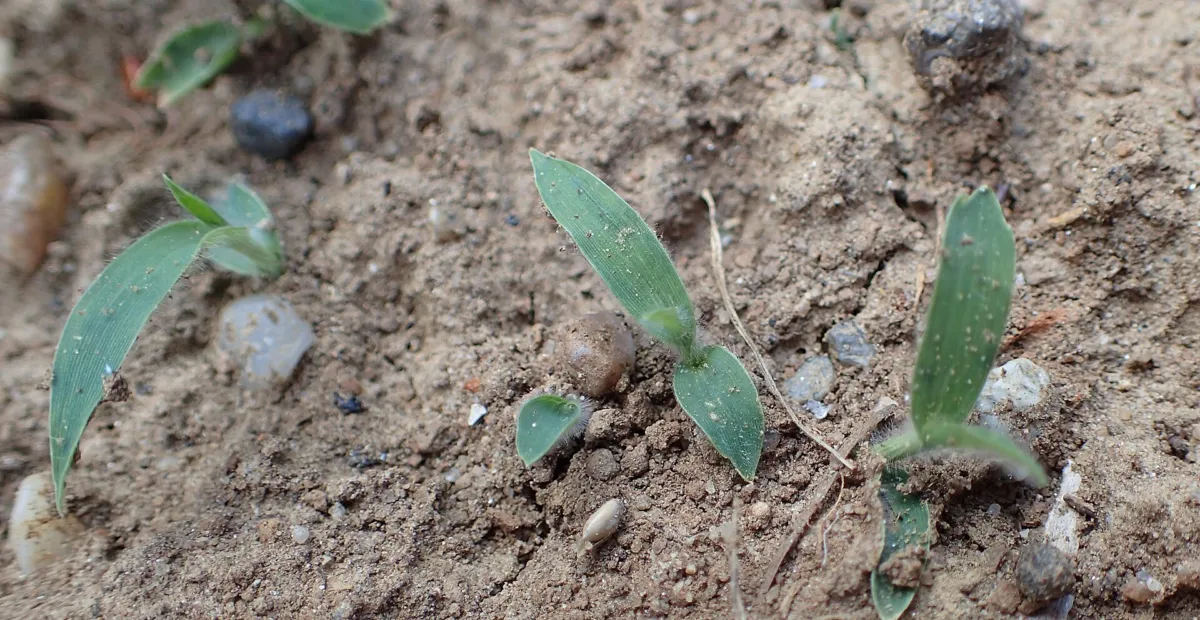
 Source:
Proso Millet (Panicum miliaceum) short overview
Proso millet (Panicum miliaceum) is a fast-growing annual grass with upright stems, narrow leaves, airy branched panicles and edible grain. Grow it in full sun, warm soil and well-drained ground as an ornamental grass, bird-food plant, grain crop or temporary summer screen. It is largely self-pollinating and wind-assisted, with inconspicuous green flowerlets that mature into drooping seed clusters.
Taxonomic classification
Proso Millet (Panicum miliaceum) care guide
Light and placement
Give full sun, ideally at least 6–8 hours of direct light. An open south- or west-facing position encourages sturdy stems, rapid maturity and well-filled panicles. Weak, floppy growth or sparse panicles may indicate insufficient light; severe heat combined with drought can curl leaves and reduce grain set, so maintain moisture during establishment.
Watering and humidity
Water deeply enough to moisten the root zone, then allow the surface to dry slightly before watering again. Keep seedlings evenly moist until established; afterward, provide moderate moisture, with extra water during prolonged heat, drought or panicle formation. Avoid constantly saturated soil, which can weaken roots and increase disease risk.
Soil and growing medium
Use fertile, reasonably well-drained soil with good moisture-holding capacity during establishment. Loam or sandy loam is suitable; avoid persistently waterlogged ground. A slightly acidic to slightly alkaline reaction is tolerated, with approximately pH 6.0–7.5 generally suitable.
Feeding
In average garden soil, mix in a modest amount of finished compost before planting. Avoid heavy nitrogen applications, which can produce lush stems that lodge and delay maturity. If growth is pale or soil is poor, use a balanced fertilizer once at planting or a light side-dressing early in growth; stop feeding once panicles form.
Growth and habit
This warm-season annual establishes quickly from seed and forms a tuft of erect culms. Branched panicles emerge above the foliage and become heavier as grains mature. Plants may lodge or shed seed if overfertilized, overwatered or left unharvested after maturity.
Planting and repotting
Sow outdoors after the last spring frost when soil has warmed to about 60°F. Cover seed lightly, keep the surface evenly moist until emergence, then thin or transplant to the final spacing. Staggered sowings can extend the display and seed harvest.
Usually not worth repotting because this is a fast-growing annual grass. If started in a container, transplant young seedlings before roots become crowded, disturbing the root ball as little as possible.
Propagation and pruning
Propagation
Propagate by seed. Direct sow after frost when soil is warm, or start in containers only a few weeks before transplanting. Seed germinates readily under warm, evenly moist conditions; prevent volunteer spread by harvesting or cutting seed heads before shattering.
Pruning
No formative pruning is needed. Cut plants back after seed harvest or after frost kills them. Remove unwanted volunteer seedlings while young, and cut mature panicles before seed shattering if reseeding is undesirable.
Overwintering
There is no useful overwintering routine in cold climates. Frost kills the annual plant. Leave selected stems standing for birds through winter if desired, then cut and remove them before spring reseeding. In containers, do not expect the plant to resume growth after freezing.
Uses
Grow it as a temporary ornamental grass, summer screen, bird-seed plant, cover or forage crop, and for edible grain. Grain intended for people should come from clean, food-grade seed and be processed appropriately. Because it can reseed and behave weedy in some agricultural settings, cut or harvest mature panicles before unwanted shattering.
Appearance
The plant forms erect, leafy culms with narrow, flat green blades arranged along the stems. Its open, many-branched panicle carries small oval spikelets that shift from green to tan, brown or reddish tones as they mature. Heavy seed clusters can arch or droop, helping distinguish mature plants from finer-textured panic grasses.
Flowering
The inflorescence is a branched panicle composed of small spikelets rather than showy petals. Individual florets open briefly, often during the morning. Flowering commonly begins in summer and may continue into early fall, followed by grain maturation and panicle drooping.
Pollination and visitors
This species is primarily self-pollinated and wind-assisted rather than animal-pollinated. Its small, inconspicuous grass florets do not provide the showy nectar or pollen rewards associated with insect-pollinated flowers.
Panicum miliaceum photos
Click any photo for a larger view. Source, author and license are shown separately.
Diseases and pests
Diseases
Prevent problems by using clean seed, rotating cereal crops and avoiding prolonged leaf wetness. Seedling damping-off, leaf spots and smut-like diseases may occur under stressful or humid conditions. Remove badly affected plants and avoid saving seed from diseased stands.
Pests
Watch for birds, grasshoppers, armyworms, cutworms and occasional aphids. Use row cover over young seedlings where bird pressure is severe, remove weeds that shelter pests, and favor hand-picking or targeted controls over broad insecticide use. Harvest promptly if seed loss or bird feeding is unwanted.
Related diseases and pests
Only Plant Doctor profiles whose host data indicate this plant may be affected are shown here.
 PestWheat curl miteAceria tosichella Keifer
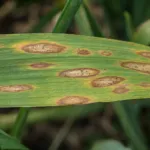 DiseaseBipolaris Leaf Spot, Spot Blotch and Common Root RotBipolaris sorokiniana
 Environmental stressUnderwatering
 PestBeet ArmywormSpodoptera exigua (Hübner)
 PestBlack cutwormAgrotis ipsilon (Hufnagel, 1766)
 Environmental stressSalt stress
 Environmental stressHeat stress
 Environmental stressDrought stress
Toxicity and pollen
No well-established toxic principle is documented for the intact ornamental plant, and the grain is a recognized food and bird-feed crop. Dust from dry seed or chaff can irritate the eyes and airways. People with cereal or millet allergy should avoid ingestion and use respiratory protection when handling dusty material.
- Typical season
- Summer to early fall
- Pollination / pollen
- Small, wind-dispersed grass pollen
Proso millet produces airborne grass pollen, especially when flowering panicles are shaken or exposed to dry, windy weather. Outdoor allergy importance is not well quantified for this species, but sensitive people may react to grass pollen or dusty seed and chaff. Handle dry material outdoors or with ventilation.
Native habitat
The species is native from the Indian subcontinent to Myanmar according to current taxonomic databases, but it has been cultivated and introduced widely, including across the United States. It favors open, sunny, seasonally warm sites and can persist in disturbed ground, cultivated fields and dry to moderately moist soils.
Interesting fact
Proso millet is one of the oldest domesticated cereal grasses and has been cultivated for thousands of years. Its grain is a caryopsis enclosed by the lemma and palea. The species is mainly self-fertile, but wind can move pollen between flowers and plants. Mature panicles may droop as the grain becomes heavy.
Frequently asked questions (FAQ)
The most relevant questions about this plant, with short and direct answers.
🌱Quick care
What is Proso Millet?⌄
Proso Millet is the warm-season annual grass Panicum miliaceum in the family Poaceae. In the United States, it is grown for grain, birdseed, livestock feed, wildlife plots, and cover-crop use.
Is Proso Millet annual or perennial?⌄
Proso Millet is a frost-tender annual that completes its life cycle in one growing season. It must be replanted from seed each year.
How tall does Proso Millet get?⌄
Proso Millet commonly grows about 1 to 3½ feet tall, although height varies with variety, fertility, moisture, and planting density. Mature plants produce branched, drooping or spreading seedheads.
How fast does Proso Millet grow?⌄
Proso Millet typically matures in about 60 to 100 days after planting, depending on variety, temperature, planting date, and moisture. Warm conditions and full sun support faster development.
🌤️Environment and placement
Does Proso Millet need full sun?⌄
Yes, Proso Millet grows best in full sun, meaning at least 6 hours of direct sunlight daily. Shaded plants are more likely to be thin, weak, and poorly seeded.
What soil is best for Proso Millet?⌄
Use fertile, well-drained loam or sandy loam for the strongest growth. Proso Millet tolerates a fairly broad range of soils but performs poorly in prolonged waterlogging, severe salinity, or strongly alkaline soil.
Is Proso Millet drought tolerant?⌄
Proso Millet is relatively heat- and drought-tolerant once established, but it still needs moisture for germination and early growth. Its shallow root system can suffer during extended drought, especially on sandy soil.
Can Proso Millet grow in containers?⌄
Yes, Proso Millet can grow in a large container, but it is usually more practical in the ground. Choose a container at least 12 inches deep with drainage holes, use fertile potting soil, and expect a smaller crop than from field-grown plants.
What USDA hardiness zone is Proso Millet suitable for?⌄
Because Proso Millet is an annual, USDA hardiness zones are less important than the local frost-free season. Plant it after the danger of frost has passed and soil temperatures are consistently around 65°F.
💧Care and problems
How often should I water Proso Millet?⌄
Water Proso Millet moderately, keeping the soil evenly moist during germination and early establishment. Afterward, allow the surface to dry slightly between waterings, but irrigate during prolonged heat or drought.
Does Proso Millet need fertilizer?⌄
Proso Millet benefits from fertile soil but usually needs only moderate fertilization. A soil test is the best guide; avoid excessive nitrogen because it can produce weak, leafy growth and increase lodging.
Why is my Proso Millet turning yellow?⌄
Yellowing may result from overwatering, poor drainage, nutrient deficiency, cold stress, or root damage. Check soil moisture and drainage first, then use a soil test before adding fertilizer.
Why is my Proso Millet falling over?⌄
Proso Millet may lodge because of excessive nitrogen, rich moist soil, crowding, wind, or heavy seedheads. Planting at an appropriate density and avoiding excessive fertility can reduce lodging.
What pests affect Proso Millet?⌄
Birds can remove substantial amounts of seed, while grasshoppers and some grass-feeding insects may damage foliage. Monitor plants regularly and use locally approved controls only when damage is significant.
Is Proso Millet invasive or weedy?⌄
Cultivated Proso Millet can reseed and become unwanted, particularly if mature seedheads are left in disturbed soil. Wild-proso millet is a weedy form, so remove volunteer plants before they shed seed where control is important.
🪴Planting and repotting
When should I plant Proso Millet?⌄
Plant Proso Millet after the last spring frost when soil temperatures are about 65°F or warmer. In much of the United States, this means late spring through midsummer, but the best date depends on local climate and the intended harvest.
How deep should I plant Proso Millet seeds?⌄
Sow Proso Millet seeds about ½ to 1 inch deep in a firm, prepared seedbed. Shallow planting is important because the seeds are small and seedlings can struggle to emerge from deep soil.
How far apart should Proso Millet seeds be planted?⌄
For a garden planting, sow Proso Millet in close rows or broadcast it thinly and cover lightly with soil. Commercial spacing and seeding rates vary with the variety, equipment, and purpose, such as grain, forage, wildlife, or cover crop.
Can I grow Proso Millet from birdseed?⌄
You can sometimes grow Proso Millet from untreated birdseed, but germination and varietal identity are uncertain. Seed sold for planting is preferable because it is more likely to be viable and suited to the intended use.
Can Proso Millet be transplanted?⌄
Proso Millet is best direct-sown because it is a fast-growing annual grass with a relatively shallow root system. If started indoors, transplant very young seedlings carefully and avoid disturbing the roots.
✂️Propagation and pruning
How do you propagate Proso Millet?⌄
Propagate Proso Millet by seed. Sow fresh, viable seed directly into warm soil, keep it evenly moist until emergence, and thin crowded seedlings if necessary.
How do I harvest Proso Millet seeds?⌄
Harvest Proso Millet when the upper portion of the seedhead has mature, firm seed and the plant begins turning golden. Cut or swath the crop, allow it to dry, then thresh and store clean seed in a cool, dry place.
Can Proso Millet reseed itself?⌄
Yes, Proso Millet can reseed itself when mature seed falls to the ground. To prevent volunteer plants, cut or harvest seedheads before most seed is shed and remove unwanted seedlings promptly.
⚠️Toxicity and safety
Is Proso Millet toxic to people or pets?⌄
No specific toxicity is established for Proso Millet when properly identified and used appropriately. Dust, pollen, seed husks, and chaff may irritate the skin or respiratory system, and food or animal-feed use should rely on clean, uncontaminated grain.
Can people eat Proso Millet?⌄
Yes, properly processed Proso Millet grain is edible and is used as a cereal grain in some foods. Do not eat seed treated with pesticides, sold only for planting, or contaminated with mold, chemicals, or other impurities.
Is Proso Millet safe for birds?⌄
Proso Millet is widely used in commercial birdseed and can provide food for wild and domestic birds when the seed is clean and appropriate for the species. Avoid offering moldy, chemically treated, or visibly contaminated seed.
Can Proso Millet cause allergies?⌄
Proso Millet may cause irritation or allergy symptoms in susceptible people, particularly when handling dusty seed, pollen, or chaff. Wear gloves and a dust mask during large-scale handling if you have grass or grain sensitivities.
🌸Flowering and special interest
Does Proso Millet flower?⌄
Yes, Proso Millet flowers in branched panicles that appear above the foliage during summer. The inconspicuous flowers are wind-pollinated and develop into small seeds.
What do Proso Millet seedheads look like?⌄
Proso Millet seedheads are branched, open or somewhat compact panicles that may arch or droop as the seeds mature. Seed color varies by type and may range from yellow or light brown to darker shades.
Is Proso Millet good for pollinators?⌄
Proso Millet is primarily wind-pollinated and is not a major nectar plant for bees or butterflies. Its greatest wildlife value generally comes from the mature seeds, which can feed birds and other seed-eating animals.
Similar plants
 Blue Oat-grass (Helictotrichon sempervirens) care guideHelictotrichon sempervirens
 Blue Fescue (Festuca glauca) care guideFestuca glauca
 Switchgrass (Panicum virgatum) care guidePanicum virgatum
 Buffelgrasses (Cenchrus) care guideCenchrus
 Bunny Tail Grass, Hare’s-tail grass, Rabbit Tail Grass (Lagurus ovatus) care guideLagurus ovatus
 Fine-stem needlegrass (Nassella tenuissima) care guideNassella tenuissima