
 Source:
Switchgrass (Panicum virgatum) short overview
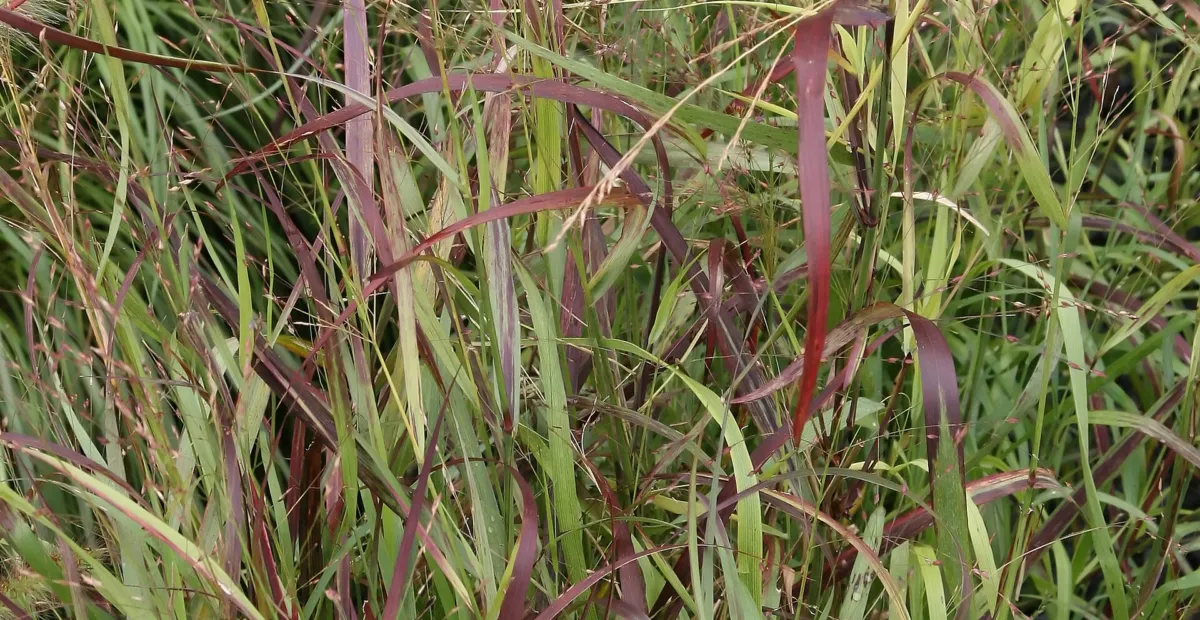
Switchgrass (Panicum virgatum) is a long-lived, warm-season perennial grass native across much of the United States. Its upright clumps of narrow green to blue-green leaves rise into open, airy panicles in late summer, often followed by warm fall color. It tolerates a wide range of soils, supports nesting and seed-eating wildlife, and works well in native borders, meadow plantings, erosion-control projects, and larger containers.
Taxonomic classification
Switchgrass (Panicum virgatum) care guide
Light and placement
Best in full sun, with at least 6 hours of direct light for strong stems and dependable flowering. Light afternoon shade is tolerated, especially in hot regions, but too much shade can produce weaker, greener growth and fewer panicles. Place it in an open bed, meadow edge, or south- or west-facing border with room for airflow and mature spread.
Watering and humidity
Water deeply and consistently during the first growing season, allowing the surface to dry slightly between applications. Once rooted, water when extended heat or drought causes visible stress; established plants tolerate dry periods but perform best with moderate moisture. Avoid constantly saturated soil. Humidity generally requires no special management outdoors.
Soil and growing medium
Use moderately fertile soil with good structure and reliable drainage, from sandy loam to clay loam. Switchgrass tolerates both moderately dry and periodically moist conditions, but persistent stagnant water can weaken it. Reported soil tolerance is broad, approximately pH 4.5–7.6; avoid highly compacted sites where possible.
Feeding
Usually needs little fertilizer after establishment. Incorporate compost into poor soil before planting, then use a light, balanced spring feeding only if growth is weak or soil tests indicate low fertility. Avoid heavy nitrogen, which can cause lush, floppy growth and reduce structural quality. Do not fertilize drought-stressed or newly divided plants until they resume growth.
Growth and habit
This warm-season grass begins active growth relatively late in spring, forms upright clumps, and expands through short rhizomes. Some ecotypes remain distinctly bunch-forming while others make a denser sod. Plants are generally long-lived and hold their stems through winter, making late-season cutting more useful than frequent summer trimming.
Planting and repotting
Plant in spring after the soil has warmed, or in early fall where plants have time to root before hard freezes. Set transplants at the same depth they grew in their nursery containers. Space about 24–36 inches apart for a continuous mass, allowing more room for large selections. Water regularly during the first growing season.
Repot only when a container-grown plant is tightly root-bound or the root mass has filled the pot. Move it in spring, using a heavier container and a well-drained, moisture-retentive potting mix. Large plants are easier to divide or replace than to keep in small pots.
Propagation and pruning
Propagation
Sow fresh or properly stored seed in fall or provide a moist-cold stratification period before spring sowing. Seedlings may establish slowly. Divide established clumps in spring as growth begins; division is practical for named cultivars that do not come true from seed.
Pruning
Leave standing stems through winter for structure and wildlife cover. Cut the previous season's growth back to about 4–6 inches in late winter or early spring before new shoots emerge. Remove damaged or invasive-looking seedlings where local conditions make spread undesirable.
Overwintering
Leave stems standing through winter for habitat and visual structure. In late winter or early spring, cut them back before new shoots emerge. Established plants generally need no mulch or indoor protection in their hardiness range; a light mulch can help newly planted divisions in colder areas.
Uses
Useful as a native ornamental grass, meadow and prairie component, seasonal screen, nesting cover, seed source for birds, erosion-control plant, forage grass, and biomass crop. It is especially valuable where a durable warm-season grass is wanted, but local ecotype and regional management recommendations should guide conservation or forage use.
Appearance
Leaves are narrow, flat, and green to blue-green, with stems that may show reddish tones. A small pale patch of hairs at the point where the leaf joins the stem can help identify the species. The open, cloud-like panicles are held above the foliage, and the persistent stems add winter texture.
Flowering
The tiny florets are arranged in an open, airy, branching panicle that appears above the foliage in late summer and early fall. Individual flowers are inconspicuous; the seedheads provide most of the ornamental effect and persist into winter. Flowering and seed production vary with ecotype, latitude, moisture, and cultivar.
Pollination and visitors
Switchgrass is primarily wind-pollinated, so its flowers are not expected to provide meaningful nectar or pollen rewards for bees, butterflies, or other animal pollinators. Its main ecological value is structural: foliage and dense clumps provide cover, while mature seeds can feed birds.
Panicum virgatum photos
Click any photo for a larger view. Source, author and license are shown separately.
Diseases and pests
Diseases
Usually trouble-free. In poorly ventilated or stressed plantings, watch for rusts and leaf spots as discolored lesions or premature browning. Improve spacing and airflow, avoid unnecessary overhead irrigation, remove badly affected debris, and avoid routine fungicide use unless a diagnosis warrants it.
Pests
Potential problems include grasshoppers, leafhoppers, spider mites during hot dry weather, and occasional crown or root issues in poorly drained soil. Inspect new growth and leaf undersides, maintain plant vigor, and use targeted control only when damage is substantial. Avoid broad-spectrum insecticides in habitat plantings.
Related diseases and pests
Only Plant Doctor profiles whose host data indicate this plant may be affected are shown here.
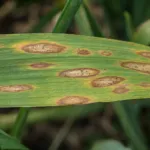 DiseaseBipolaris Leaf Spot, Spot Blotch and Common Root RotBipolaris sorokiniana
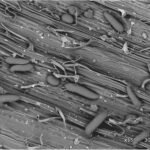 PestWheat curl miteAceria tosichella Keifer
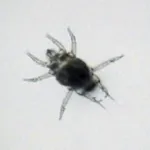 PestBroad mitePolyphagotarsonemus latus (Banks)
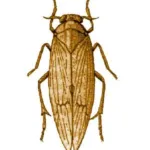 PestBrown planthopperNilaparvata lugens (Stål)
 PestRosy Apple AphidDysaphis plantaginea
 Environmental stressSalt stress
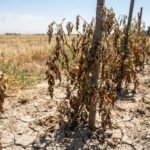 Environmental stressHeat stress
 Environmental stressDrought stress
Toxicity and pollen
No specific toxic effect is well documented for Panicum virgatum when grown as an ornamental. As with other grasses, sharp leaf edges can cause minor skin or eye irritation, and ingestion of large amounts of any unfamiliar plant should be avoided. Forage use depends on plant age, cultivar, and management.
- Typical season
- July–September in much of the United States, varying by region.
- Pollination / pollen
- Airborne, wind-dispersed grass pollen
Panicum virgatum releases airborne grass pollen, mainly during its summer flowering period. Grass pollen can contribute to seasonal allergy exposure, although species-specific clinical evidence for switchgrass is limited. Keep plants away from frequently used windows if grass pollen is a concern and avoid handling flowering stems when symptoms are active.
Native habitat
Native across much of the United States, especially in prairies, open woodlands, savannas, marsh margins, dunes, lakeshores, and other sites ranging from moderately dry to seasonally moist. It is most abundant where moisture is available during the growing season and can tolerate occasional flooding, moderate acidity, and varied soil textures.
Interesting fact
Switchgrass has both bunch-forming and sod-forming ecotypes.
Its rhizomes help it survive fire and recover after disturbance.
The open panicle gives the species its characteristic airy silhouette.
Seeds provide food for several birds, including quail and pheasants.
It is used in forage, habitat, erosion control, and biomass research.
Frequently asked questions (FAQ)
The most relevant questions about this plant, with short and direct answers.
🌱Quick care
What is switchgrass?⌄
Switchgrass is a hardy, warm-season perennial grass native to much of North America and commonly grown as an ornamental, conservation, forage, or wildlife plant. Its botanical name is Panicum virgatum.
How much sun does switchgrass need?⌄
Switchgrass grows best in full sun, meaning at least 6 hours of direct sunlight daily. It tolerates light partial shade, but plants may become less dense and more likely to flop.
How often should I water switchgrass?⌄
Water switchgrass regularly during its first growing season, then reduce irrigation once the plant is established. Mature plants tolerate drought but perform best with occasional deep watering during prolonged dry periods.
Is switchgrass easy to grow?⌄
Yes, switchgrass is generally easy to grow because it tolerates drought, cold, many soil types, and occasional flooding once established. Good sunlight and initial weed control are especially important.
🌤️Environment and placement
What type of soil does switchgrass prefer?⌄
Switchgrass grows in sandy loam, clay loam, and other reasonably well-drained soils, including soils that are seasonally moist. It tolerates a broad range of conditions but may perform poorly in persistently waterlogged ground.
Can switchgrass grow in clay soil?⌄
Yes, switchgrass can grow well in clay soil, especially when the site receives good sunlight and does not remain saturated. Avoid heavily compacted areas where roots cannot establish properly.
Can switchgrass tolerate wet soil?⌄
Switchgrass tolerates seasonally wet soil and occasional flooding better than many ornamental grasses. Persistent standing water can still cause crown or root problems, particularly in poorly drained sites.
Is switchgrass drought-tolerant?⌄
Yes, established switchgrass is drought-tolerant because its deep root system can access moisture below the surface. Young plants still need consistent watering while their roots develop.
Is switchgrass hardy in cold climates?⌄
Yes, switchgrass is very cold-hardy and is commonly grown across much of the United States. Exact winter performance varies by cultivar and regional climate, so select a locally appropriate type.
Can switchgrass grow in partial shade?⌄
Switchgrass can tolerate light partial shade, but full sun produces stronger, denser growth. Too much shade may make taller plants floppy and reduce flowering.
Is switchgrass native to the United States?⌄
Yes, switchgrass is native to much of the United States and is a characteristic grass of North American prairie, wetland-edge, roadside, and open woodland habitats.
Is switchgrass good for erosion control?⌄
Yes, switchgrass is useful for erosion control because its dense clumps and rhizomes help stabilize soil. It is often planted on slopes, drainage areas, restoration sites, and other vulnerable ground.
Is switchgrass good for wildlife?⌄
Yes, switchgrass provides cover and nesting habitat for birds and other wildlife, and its persistent seed heads can offer food during winter. Leaving the dried foliage standing improves its habitat value.
💧Care and problems
How tall does switchgrass get?⌄
Switchgrass commonly grows about 3 to 6 feet tall, with flower panicles sometimes extending higher depending on the cultivar and growing conditions. Fertile soil and shade can increase flopping in tall forms.
Does switchgrass need fertilizer?⌄
Usually, switchgrass does not need regular fertilizer in an average garden soil. Excess nitrogen can produce weak, overly lush growth that flops, so fertilize only when a soil test indicates a need.
Why is my switchgrass flopping over?⌄
Switchgrass may flop because of excessive shade, overly fertile soil, heavy rain, or a naturally loose-growing cultivar. Move future plantings into fuller sun, avoid excess nitrogen, and choose an upright cultivar when appropriate.
What pests or diseases affect switchgrass?⌄
Switchgrass has few serious pest or disease problems, although thrips, spider mites, Japanese beetles, rust, and root or crown rots may occur. Stress, poor drainage, and hot humid conditions can increase problems.
Should switchgrass be cut back in fall?⌄
You can leave switchgrass standing through winter for structure, wildlife cover, and seed-head interest. Cutting it in fall is optional, but delaying the main cutback until late winter or early spring is usually preferable.
When should I cut back switchgrass?⌄
Cut switchgrass back to a few inches above the ground in late winter or early spring before new shoots emerge. Removing old foliage at that time protects winter habitat and keeps the new growth tidy.
🪴Planting and repotting
When is the best time to plant switchgrass?⌄
Plant container-grown switchgrass in spring or early fall, while the soil is workable and plants can establish before stressful weather. Sow seed after the soil has warmed in spring rather than very early in the season.
How far apart should switchgrass be planted?⌄
Space switchgrass according to the mature width of the cultivar, commonly about 2 to 4 feet apart for ornamental plantings. Wider spacing improves air circulation, while closer spacing creates a faster screen or mass effect.
Can switchgrass be grown in a container?⌄
Yes, smaller switchgrass cultivars can grow in large containers with drainage holes and a well-drained potting mix. Containers dry and freeze faster than garden soil, so watering and winter protection may require extra attention.
How deep should switchgrass seed be planted?⌄
Sow switchgrass seed very shallowly, generally about one-half inch deep or less, because deeply buried seed may germinate poorly. Keep the seedbed evenly moist until seedlings are established and control competing weeds.
✂️Propagation and pruning
How do you propagate switchgrass?⌄
Switchgrass can be propagated from seed or by division. Division is usually the better choice for named cultivars because seedlings may not retain the parent plant’s exact height, color, or form.
Can switchgrass be grown from seed?⌄
Yes, switchgrass grows from seed, and seed typically germinates in about two to three weeks under warm, suitable conditions. Seed-grown plants may take several years to reach mature size.
When should switchgrass be divided?⌄
Divide switchgrass in spring as new growth begins, or when plants are still relatively short. Dig and split the established crown into sections with healthy roots and shoots, then replant promptly.
Does switchgrass spread aggressively?⌄
Switchgrass usually spreads slowly through short rhizomes and may self-seed under favorable conditions, but it is not typically an aggressive garden spreader. Some lowland types can be more spreading, so allow adequate space.
⚠️Toxicity and safety
Is switchgrass toxic to people or pets?⌄
No specific toxicity is well documented for switchgrass, but the narrow leaves can be sharp or physically irritating. Wear gloves when handling large clumps and prevent children or pets from chewing substantial amounts of plant material.
Is switchgrass flammable near a house?⌄
Yes, dried switchgrass can present a significant fire hazard, particularly during dry weather. Do not plant large, dry clumps close to buildings, and follow local defensible-space and fire-safety guidance.
🌸Flowering and special interest
When does switchgrass bloom?⌄
Switchgrass usually blooms from midsummer into early fall, producing airy, branched panicles that may appear pink, reddish, or purplish. Bloom timing varies with cultivar, latitude, and weather.
Does switchgrass have attractive fall color?⌄
Yes, switchgrass often develops yellow, orange, red, bronze, or wine-colored tones in fall, depending on the cultivar. The dried foliage and seed heads can remain ornamental through winter.
Should I remove switchgrass seed heads?⌄
Removing switchgrass seed heads is optional and mainly depends on whether you want to limit self-seeding or maintain a tidier appearance. Leaving them in place provides winter texture and wildlife food.
Similar plants
 Blue Fescue (Festuca glauca) care guideFestuca glauca
 Proso Millet (Panicum miliaceum) care guidePanicum miliaceum
 Buffelgrasses (Cenchrus) care guideCenchrus
 Pampas Grass (Cortaderia selloana) care guideCortaderia selloana
 Blue Oat-grass (Helictotrichon sempervirens) care guideHelictotrichon sempervirens
 Fine-stem needlegrass (Nassella tenuissima) care guideNassella tenuissima