
 Source:
Yellow lantern chili (Capsicum chinense) short overview
Capsicum chinense, known here as yellow lantern chili, is a heat-loving tropical pepper species grown in the United States as a warm-season annual or overwintered container plant. It produces small pale flowers and highly variable, often intensely pungent fruits in colors ranging from yellow and orange to red. Full sun, rich well-drained soil, steady moisture, and a long frost-free season support the best growth and harvests.
Taxonomic classification
Yellow lantern chili (Capsicum chinense) care guide
Light and placement
Give at least 6–8 hours of direct sun, ideally in a south- or southwest-facing location. Morning-to-afternoon sun supports compact growth and fruit color. Inadequate light causes lanky stems, sparse flowering, and poor fruit set; extreme reflected heat can scorch leaves or increase flower drop, so provide temporary afternoon protection in very hot desert sites.
Watering and humidity
Water deeply when the top inch of soil begins to dry, then allow excess water to drain. Keep moisture more even during flowering and fruit expansion; repeated drought can reduce fruit quality and trigger flower drop. Container plants may need daily checks in hot weather. Avoid constantly saturated soil and wet foliage overnight.
Soil and growing medium
Use fertile, moisture-retentive but well-drained soil with abundant organic matter. A loam or high-quality container mix is suitable. Slightly acidic to neutral conditions are appropriate; avoid compacted soil and waterlogged roots, which reduce growth and fruit production.
Feeding
Mix compost into the planting area, then feed after establishment with a balanced vegetable fertilizer according to the product label. A second light application during flowering or early fruiting can support production in poor soil. Avoid excessive nitrogen, which promotes leafy growth at the expense of flowers and fruit.
Growth and habit
Plants are upright and branching, with a bushy habit and a long production season in warm conditions. In frost-free climates they can persist as short-lived woody-based perennials; elsewhere they are usually discarded after frost or moved indoors. Consistent warmth and harvesting encourage continued flowering and fruiting.
Planting and repotting
Transplant outdoors only after frost danger has passed and nighttime temperatures remain around 55°F or warmer. Set plants at the same depth as they grew in their pots, firm the soil gently, water thoroughly, and acclimate indoor-grown plants to direct sun over several days.
Move seedlings into progressively larger containers when roots fill the current pot. Final containers should have drainage holes and generally hold at least 3–5 gallons for a productive mature plant. Repot before vigorous summer growth or refresh the upper soil layer for overwintered plants.
Propagation and pruning
Propagation
Start from seed indoors 8–10 weeks before the expected outdoor planting date. Provide warmth and strong light; transplant after hardening off. Softwood cuttings can root, but seed is the standard method for maintaining cultivar identity when seed is stable.
Pruning
Remove damaged or diseased shoots and thin weak interior growth to improve airflow. Light shaping can be done during active growth, but severe pruning late in the season can delay flowering and fruiting. Cut back overwintered plants in late winter before new growth resumes.
Overwintering
Before frost, move container plants indoors to the brightest available window or under a strong grow light. Check carefully for pests, reduce watering while growth slows, and prune lightly if necessary. Reacclimate plants gradually to outdoor sun in spring. In-ground plants generally do not survive freezing temperatures.
Uses
Grown primarily for edible fresh, dried, fermented, or preserved peppers and for ornamental fruit display in containers and edible gardens. Pungency varies greatly, so identify the cultivar before eating and use gloves when processing very hot fruit. Do not treat the plant as a medicinal remedy.
Appearance
Leaves are simple, alternate, ovate, glossy, and usually deep green, with mostly smooth margins. Stems are green and may darken purplish at the nodes. Flowers are small and pale, while fruits vary dramatically among cultivars and may be smooth, wrinkled, pendant, lantern-shaped, or deeply furrowed.
Flowering
Small, usually white, five-parted flowers appear from summer until frost under suitable warmth. Flowers are generally borne at the nodes and have both stamens and pistil, allowing self-pollination. Very high heat, drought, or poor plant vigor can increase flower drop.
Pollination and visitors
The flowers are self-compatible and can set fruit without a pollinator, but bees and other insects may visit pepper flowers and improve pollen movement, especially in protected or greenhouse settings. Bird visitors are more strongly associated with the colorful fruits than with pollination.
Capsicum chinense photos
Click any photo for a larger view. Source, author and license are shown separately.
Diseases and pests
Diseases
Watch for bacterial leaf spot, Phytophthora root or crown rot, damping-off, and viral diseases. Use clean seed and tools, rotate away from other nightshades, avoid overhead irrigation, provide drainage, and remove badly diseased plants rather than composting them.
Pests
Common problems include aphids, whiteflies, thrips, spider mites, flea beetles, and pepper or tobacco hornworms. Inspect leaf undersides, use water sprays or insecticidal soap for small infestations, encourage beneficial insects, and avoid unnecessary broad-spectrum insecticides.
Related diseases and pests
Only Plant Doctor profiles whose host data indicate this plant may be affected are shown here.
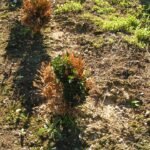 DiseasePhytophthora root and crown rotPhytophthora nicotianae
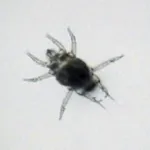 PestBroad mitePolyphagotarsonemus latus (Banks)
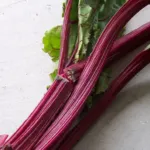 DiseaseBacterial soft rotPectobacterium carotovorum
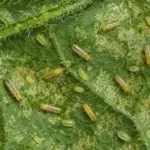 PestMelon thripsThrips palmi Karny
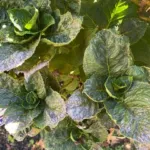 PestChilli thripsScirtothrips dorsalis Hood
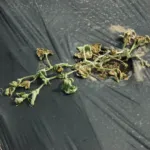 DiseaseBacterial WiltRalstonia solanacearum species complex
 DiseaseStolbur Phytoplasma Disease‘Candidatus Phytoplasma solani’
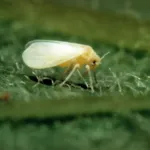 PestSweetpotato whiteflyBemisia tabaci species complex
Toxicity and pollen
The plant's fruits contain capsaicinoids that can cause intense burning and irritation of the mouth, skin, eyes, and gastrointestinal tract. Wear gloves when handling pungent fruit, avoid touching the face, and keep harvested peppers away from children and pets. Evidence for serious whole-plant poisoning is limited, but concentrated exposure can be hazardous.
- Typical season
- Summer through early fall during flowering
- Pollination / pollen
- Insect-moved pollen from exposed anthers
Pepper pollen is released from exposed anthers but is generally moved locally within or between flowers rather than forming a major seasonal airborne pollen source. Sensitivity cannot be ruled out, especially during close handling or indoor cultivation, but species-specific allergy data are limited.
Native habitat
The species is native to wet tropical regions of southern Guyana, Suriname, and northern Brazil. It is associated with warm, frost-free climates and fertile soils with dependable moisture but adequate drainage. Cultivated forms are now grown widely in tropical, subtropical, and warm temperate regions.
Interesting fact
Capsicum chinense is a species rather than a single pepper cultivar, so its fruits vary widely in shape, color, size, and pungency. Many famous superhot peppers, including habanero-type peppers, belong to this species. Despite the scientific epithet, the species is native to tropical South America rather than China.
Frequently asked questions (FAQ)
The most relevant questions about this plant, with short and direct answers.
🌱Quick care
What is yellow lantern chili?⌄
Yellow lantern chili is a hot pepper associated with Capsicum chinense, a warm-season member of the Solanaceae family. It produces yellow, capsaicin-rich fruit and is generally grown as an annual in the United States.
How much sun does yellow lantern chili need?⌄
Yellow lantern chili needs full sun, ideally at least 6 hours of direct sunlight daily. Strong light supports compact growth, flowering, and fruit production.
How often should I water yellow lantern chili?⌄
Water yellow lantern chili whenever the soil surface begins to dry, keeping the root zone consistently moist but never waterlogged. Container plants may need more frequent watering during hot, dry weather.
Is yellow lantern chili frost tolerant?⌄
No, yellow lantern chili is frost tender and can be damaged by cold nights or freezing temperatures. Move containers indoors or protect plants before frost is expected.
🌤️Environment and placement
Can yellow lantern chili grow outdoors in the United States?⌄
Yes, yellow lantern chili can grow outdoors during the warm season when temperatures remain reliably warm. In cooler areas, start plants indoors or grow them in containers so the season can be extended.
What temperature is best for yellow lantern chili?⌄
Yellow lantern chili grows best in warm conditions, roughly 70–85°F during active growth. Cold nights can slow growth and cause flower drop, while extreme heat may reduce pollination and fruit set.
Can yellow lantern chili grow in a container?⌄
Yes, yellow lantern chili grows well in a container with drainage holes and a fertile, well-drained potting mix. Choose a container large enough for the mature root system and avoid letting it sit in runoff water.
What soil is best for yellow lantern chili?⌄
Use fertile, organic-rich, well-drained loam or a quality container mix for yellow lantern chili. Heavy, compacted, or poorly drained soil can restrict roots and encourage root problems.
💧Care and problems
Why are the leaves on my yellow lantern chili turning yellow?⌄
Yellow leaves may result from overwatering, poor drainage, nutrient deficiency, or normal aging of older foliage. Check soil moisture and drainage first, then assess light and feeding before adding fertilizer.
Why is my yellow lantern chili dropping flowers?⌄
Flower drop is commonly caused by temperature stress, inconsistent moisture, inadequate light, or poor pollination. Keep the plant evenly watered and warm, provide full sun, and gently shake flowering stems to help release pollen.
How do I fertilize yellow lantern chili?⌄
Feed yellow lantern chili with a balanced vegetable fertilizer according to the product label during active growth. Avoid excessive nitrogen, which can produce abundant leaves while reducing flowering and fruiting.
What pests attack yellow lantern chili?⌄
Yellow lantern chili can be affected by common pepper pests such as aphids, whiteflies, spider mites, and thrips. Inspect leaf undersides regularly and use a suitable labeled treatment if an infestation develops.
What diseases affect yellow lantern chili?⌄
Yellow lantern chili may develop fungal or bacterial problems when foliage stays wet, air circulation is poor, or soil remains saturated. Water at the soil line, provide spacing, and remove severely diseased material.
Why is my yellow lantern chili not producing fruit?⌄
Poor fruiting usually results from insufficient warmth, inadequate sunlight, excessive nitrogen, inconsistent watering, or flower-pollination problems. Give the plant full sun, steady moisture, and warm conditions, and gently vibrate flowers when grown indoors.
🪴Planting and repotting
When should I plant yellow lantern chili outdoors?⌄
Plant yellow lantern chili outdoors after the danger of frost has passed and nighttime temperatures are consistently at least 55°F. Harden indoor-grown seedlings gradually before exposing them to full sun and outdoor wind.
How far apart should yellow lantern chili plants be planted?⌄
Space yellow lantern chili plants about 18–24 inches apart in the garden, allowing additional room if the cultivar becomes especially broad. Good spacing improves airflow and makes harvesting easier.
Can I grow yellow lantern chili from seed?⌄
Yes, yellow lantern chili is normally propagated from seed. Start seeds indoors several weeks before the local last frost date, keep the medium warm and lightly moist, and provide strong light after emergence.
✂️Propagation and pruning
How long do yellow lantern chili seeds take to germinate?⌄
Yellow lantern chili seeds commonly germinate in about 1–3 weeks under warm, consistently moist conditions. Germination may take longer if the seed is old or the temperature is too cool.
Should I prune yellow lantern chili?⌄
Routine pruning is not required for yellow lantern chili, but you may remove damaged, diseased, or badly crowded growth. Avoid heavy pruning during flowering or fruiting because it can temporarily reduce production.
Can yellow lantern chili survive winter indoors?⌄
Yes, yellow lantern chili can sometimes be overwintered indoors as a short-lived perennial if kept warm, bright, and protected from pests. Reduce watering during slower growth, and return it outdoors gradually after cold weather ends.
⚠️Toxicity and safety
Is yellow lantern chili edible?⌄
Yes, the mature fruit is edible, but its capsaicin can cause intense burning and irritation. Treat the peppers as very hot unless the specific cultivar has a documented heat level.
Is yellow lantern chili toxic to pets?⌄
The capsaicin-rich fruit can irritate the mouth and digestive tract of pets, and plant material should not be intentionally ingested. Keep the plant and harvested peppers away from dogs, cats, and other animals.
How should I handle yellow lantern chili peppers safely?⌄
Wear disposable gloves when harvesting or cutting yellow lantern chili peppers, and avoid touching your eyes, nose, or face. Wash hands, tools, and cutting surfaces thoroughly after handling.
Can yellow lantern chili cause skin or eye irritation?⌄
Yes, capsaicin from yellow lantern chili can cause painful skin, eye, and mucous-membrane irritation. Flush exposed eyes with plenty of clean water and seek medical advice if severe symptoms persist.
🌸Flowering and special interest
When does yellow lantern chili flower?⌄
Yellow lantern chili generally flowers during the warm growing season, producing small white, star-shaped flowers. Flowering may continue until frost when the plant receives adequate warmth, light, and moisture.
Do yellow lantern chili flowers need hand pollination?⌄
Usually not, because pepper flowers are generally self-pollinating. Indoor plants or plants exposed to still, humid conditions may set more fruit if you gently shake the stems or brush the flowers.
How do I know when yellow lantern chili peppers are ripe?⌄
Yellow lantern chili peppers are ripe when they reach their characteristic mature yellow color and have firm, fully developed walls. Harvest with clean scissors or pruners to avoid breaking branches.
Similar plants
 Capsicum baccatum care guideCapsicum baccatum
 Numex Twilight (Capsicum annuum ‘Numex Twilight’)Capsicum annuum 'Numex Twilight'
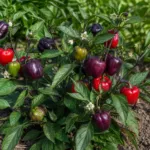 Purple Beauty (Capsicum annuum ‘Purple Beauty’)Capsicum annuum 'Purple Beauty'
 Bishop’s Crown (Capsicum annuum ‘Bishop’s Crown’)Capsicum annuum 'Bishop's Crown'
 Serrano (Capsicum annuum ‘Serrano’)Capsicum annuum 'Serrano'
 Cherry Bomb (Capsicum annuum ‘Cherry Bomb’)Capsicum annuum 'Cherry Bomb'