
 Source:
Explosive Ember Chili Pepper (Capsicum annuum ‘Explosive Ember’) short overview
Capsicum annuum 'Explosive Ember' is a compact ornamental hot pepper valued for its dark purple foliage and upright fruits that progress from deep purple through orange to bright red. This warm-season plant suits sunny containers, patios, borders, and small vegetable gardens. Small flowers appear in summer, followed by colorful, edible but very pungent peppers that remain decorative well into the season.
Taxonomic classification
Explosive Ember Chili Pepper (Capsicum annuum ‘Explosive Ember’) care guide
Light and placement
Give the plant at least 6–8 hours of direct sun, ideally with a south- or west-facing exposure. Strong light supports darker foliage, sturdy branching, flowering, and fruit color. Pale or green growth, long internodes, and sparse fruit usually indicate insufficient light; severe midday heat combined with drought can cause leaf scorch or flower drop, so provide consistent water rather than shade unless conditions are extreme.
Watering and humidity
Water deeply when the top inch of soil begins to dry, then allow excess water to drain fully. Keep moisture reasonably even during flowering and fruit development, but never leave roots saturated. Increase frequency in hot, windy container conditions and reduce it during cool weather. Good airflow is more useful than artificially high humidity.
Soil and growing medium
Use fertile, loose, well-drained soil or a quality container mix amended with compost. A slightly acidic to neutral reaction is suitable. Avoid heavy, waterlogged ground, which can reduce root health and fruit production. Containers need drainage holes and should not stand in saucers of rainwater or irrigation runoff.
Feeding
Feed after planting once active growth resumes, using a balanced vegetable fertilizer at label strength or a modest compost application. Container plants may need periodic feeding because watering leaches nutrients; avoid excessive nitrogen, which promotes foliage at the expense of flowers and fruit. Do not fertilize drought-stressed, waterlogged, or newly transplanted plants until they recover.
Growth and habit
This is a compact, branching pepper with a naturally bushy habit and a strong warm-season growth response. Pinching young shoots can encourage branching, while excessive shade or cool nights can produce weak, slow growth. Fruit set may decline during severe heat, cold, drought, or prolonged wet conditions.
Planting and repotting
Set plants outdoors only after the danger of frost has passed and nighttime temperatures are reliably warm. Plant at the same depth as the nursery pot, or sow seed about 1/4 inch deep. Space plants about 12 to 18 inches apart in beds; containers can hold one plant for best airflow and fruit display.
Move seedlings into progressively larger containers once roots fill the current pot. Final containers of about 2 to 5 gallons suit one compact plant, provided drainage is excellent. Repot before the root ball becomes tightly circling, and water thoroughly after transplanting.
Propagation and pruning
Propagation
Propagate from seed. Start indoors 8–10 weeks before the local last frost, using warm media and strong light. Transplant after seedlings develop several true leaves and outdoor temperatures are consistently warm. Seed saved from a cultivar may not reproduce every commercial trait if the source line is hybrid or not genetically uniform.
Pruning
Pruning is usually optional. Remove damaged leaves and spent stems as needed, and pinch very young growth only if a fuller branching form is desired. Avoid heavy cutting once flowering and fruiting are underway, since extensive pruning can delay the ornamental display.
Overwintering
Move containers indoors before nights approach 50°F, or take cuttings if maintaining a plant under protection. Provide the brightest available window or supplemental light, reduce watering during slow growth, and inspect carefully for aphids and mites before bringing the plant inside. In most U.S. gardens, replanting from seed is simpler than overwintering.
Uses
Primarily an ornamental edible pepper for containers, patios, balconies, borders, and small sunny gardens. The colorful upright fruits can also be harvested for cooking or drying, but pungency is variable and may be high. Use gloves when handling fruit and do not treat the plant as a child- or pet-accessible edible display.
Appearance
The plant forms a low, compact bush with dark purple to black-purple leaves and contrasting upright pods. Fruits are small and typically begin deep purple, pass through orange, and mature bright red; several stages may appear together. Stems, flowers, and immature fruits can also show purple tones, giving the cultivar a strong ornamental silhouette.
Flowering
Small star- or wheel-shaped flowers appear in late spring and summer. They are generally white to purple-tinged, with the cultivar often showing dark or purple floral details. Flowers are not the main ornamental feature; the succession of upright colorful fruits provides the strongest display.
Pollination and visitors
Capsicum annuum flowers can be visited by bees for pollen and nectar, although pepper flowers are not considered especially attractive compared with many competing garden plants. The cultivar’s primary value is ornamental and edible fruit production rather than pollinator support.
Diseases and pests
Diseases
Prevent problems with clean containers, well-drained soil, crop rotation, and good air circulation. Watch for root or crown rots in saturated media and leaf spot or bacterial problems during persistently wet weather. Remove badly affected foliage, avoid overhead watering, and discard severely diseased plants rather than composting them.
Pests
Inspect new growth for aphids, whiteflies, thrips, and spider mites; check leaves for chewing damage. Use water sprays for light infestations, encourage beneficial insects, and apply insecticidal soap only according to its label. Avoid unnecessary broad-spectrum insecticides, especially while flowers are open.
Related diseases and pests
Only Plant Doctor profiles whose host data indicate this plant may be affected are shown here.
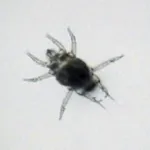 PestBroad mitePolyphagotarsonemus latus (Banks)
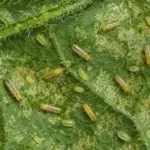 PestMelon thripsThrips palmi Karny
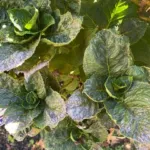 PestChilli thripsScirtothrips dorsalis Hood
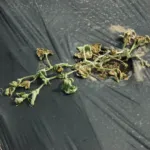 DiseaseBacterial WiltRalstonia solanacearum species complex
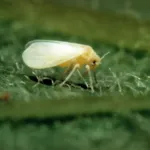 PestSweetpotato whiteflyBemisia tabaci species complex
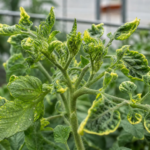 DiseaseTomato yellow leaf curl virusBegomovirus coheni
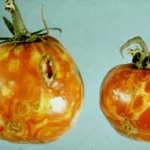 DiseaseTomato spotted wilt virusOrthotospovirus tomatomaculae (tomato spotted wilt virus; TSWV)
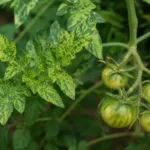 DiseaseTomato mosaic virusTobamovirus tomatotessellati
Toxicity and pollen
The fruits contain capsaicinoids that can cause intense burning and irritation of the mouth, skin, eyes, and mucous membranes. Capsicum foliage also contains compounds reported as irritating when eaten. Handle ripe fruit with gloves, avoid touching the eyes, and keep children and pets from chewing the plant. Small accidental exposures are usually irritant rather than life-threatening, but severe symptoms warrant poison-control or medical advice.
- Typical season
- During flowering, mainly late spring through summer
- Pollination / pollen
- Insect-dispersed pollen; limited airborne spread
Pepper flowers release pollen from exposed anthers, but Capsicum pollen is not generally treated as a major seasonal airborne allergen in standard U.S. pollen reporting. Direct evidence for this specific cultivar is limited, so sensitive people should still avoid inhaling dry plant material and wash after handling flowers or fruit.
Native habitat
Capsicum annuum is a domesticated crop species associated with warm, frost-free agricultural and garden environments. It performs best in sun-warmed, fertile soils with reliable drainage and a long growing season. In the United States, the cultivar is normally grown seasonally or overwintered under protection rather than treated as a hardy landscape perennial.
Interesting fact
The cultivar is recorded in the USDA plant inventory as PI 614878. Its compact habit makes it useful where a full-sized pepper plant would be excessive. The same plant can display several fruit colors at once as pods mature. Reports of pungency differ widely, so fruit heat should be treated as variable and potentially intense.
Frequently asked questions (FAQ)
The most relevant questions about this plant, with short and direct answers.
🌱Quick care
What is Capsicum annuum 'Explosive Ember'?⌄
Capsicum annuum 'Explosive Ember' is a compact ornamental chili pepper grown for purple foliage and small fruits that change from purple to yellow and red. It is also edible, but the peppers are very hot and should be handled cautiously.
How big does Explosive Ember pepper get?⌄
Explosive Ember usually grows about 10–14 inches tall and approximately 8–12 inches wide. Its compact, bushy habit makes it suitable for containers, patios, borders, and small garden spaces.
Is Explosive Ember an annual or perennial plant?⌄
Explosive Ember is commonly grown as a warm-season annual in the United States. It is technically a frost-tender perennial and can sometimes be overwintered indoors in a bright, warm location.
How long does Explosive Ember take to produce peppers?⌄
Explosive Ember commonly begins producing mature peppers about 85 days after transplanting, although timing varies with temperature, light, and plant health. Starting with a transplant generally gives earlier fruit than direct sowing.
🌤️Environment and placement
How much sun does Explosive Ember pepper need?⌄
Give Explosive Ember full sun, ideally at least 8 hours of direct light daily. Insufficient light can reduce flowering, fruit production, and the intensity of its purple foliage.
Can Explosive Ember pepper grow in containers?⌄
Yes, Explosive Ember grows very well in containers because of its compact habit. Use one plant in a pot roughly 2–3 gallons in size with drainage holes, fertile potting mix, and a sunny position.
What temperature is best for Explosive Ember pepper?⌄
Explosive Ember grows best in warm conditions, with warm soil and mild nights. Move or protect the plant when frost threatens, because it is frost tender and cold injury can occur well before freezing temperatures.
Can Explosive Ember pepper grow outdoors in USDA Zones 8 and 9?⌄
Yes, it can grow outdoors in USDA Zones 8 and 9 during the frost-free season. Plant after the last spring frost and protect or move the plant indoors before the first autumn frost.
What soil is best for Explosive Ember pepper?⌄
Use fertile, well-drained loam or a quality container mix. Avoid heavy, waterlogged soil because poor drainage can stress the roots and increase the risk of root disease.
💧Care and problems
How often should I water Explosive Ember pepper?⌄
Water when the surface of the soil begins to dry, keeping moisture moderate and reasonably even. Container plants may need frequent watering during hot weather, but the pot should never remain waterlogged.
Why are the leaves of my Explosive Ember pepper turning yellow?⌄
Yellow leaves may result from overwatering, poor drainage, nutrient deficiency, or naturally aging foliage. Check soil moisture and drainage first, then provide balanced fertilizer only if the plant is actively growing and feeding is needed.
Why is my Explosive Ember pepper dropping flowers?⌄
Flower drop is commonly caused by cold nights, excessive heat, inconsistent watering, poor pollination, or heavy nitrogen feeding. Keep moisture steady, provide good air movement, and avoid major temperature swings where possible.
Does Explosive Ember pepper need fertilizer?⌄
Yes, moderate feeding during active growth can support flowering and fruiting. Use a balanced vegetable or pepper fertilizer according to the label, and avoid excessive nitrogen, which can produce foliage at the expense of fruit.
Should I stake Explosive Ember pepper?⌄
Staking is usually optional because the plant is compact, but light support can help when it carries many peppers. Install a small stake early so you do not damage established roots later.
What pests commonly affect Explosive Ember pepper?⌄
Aphids, whiteflies, spider mites, and other common pepper pests may attack Explosive Ember. Inspect the undersides of leaves regularly and use a treatment labeled for edible peppers if control becomes necessary.
🪴Planting and repotting
When should I plant Explosive Ember pepper outdoors?⌄
Transplant Explosive Ember outdoors after the local last frost date, once nights are reliably mild and the soil has warmed. Harden seedlings gradually for about a week before planting them in full sun.
How deep should Explosive Ember pepper seeds be planted?⌄
Sow Explosive Ember seeds about 1/4 inch deep in a warm, evenly moist seed-starting medium. Some pepper propagation guidance recommends barely covering or not covering the seed, so avoid burying it deeply.
How long do Explosive Ember pepper seeds take to germinate?⌄
Seeds commonly germinate in about 7–21 days when kept warm, with soil near 80–85°F supporting reliable emergence. Germination may take longer if the medium is cool, dry, or excessively wet.
When should I start Explosive Ember pepper seeds indoors?⌄
Start seeds indoors about 8–10 weeks before your area’s expected last spring frost. This gives the slow-growing seedlings time to develop before outdoor conditions become warm enough for transplanting.
How far apart should Explosive Ember pepper plants be spaced?⌄
Space plants about 12–24 inches apart, depending on whether you want a dense ornamental display or more airflow around each plant. Container-grown plants generally perform best with one plant per pot.
✂️Propagation and pruning
How do you propagate Explosive Ember pepper?⌄
Propagate Explosive Ember primarily from seed. Sow fresh seed in warm, moist starting medium, provide strong light after emergence, and transplant seedlings after they have developed several true leaves.
Can I save seeds from Explosive Ember peppers?⌄
You can save seeds from ripe Explosive Ember peppers, but saved plants may not exactly reproduce the parent if cross-pollination occurred. This is especially relevant when the original seed was sold as a hybrid or when other pepper varieties grew nearby.
Should I prune Explosive Ember pepper?⌄
Routine pruning is not usually necessary for Explosive Ember. Remove damaged or diseased growth and harvest ripe peppers regularly; excessive pruning can reduce foliage and fruit production.
Can Explosive Ember pepper be overwintered indoors?⌄
Yes, a healthy plant can sometimes be overwintered indoors before frost. Inspect it for pests, prune lightly if needed, place it in a bright location, and reduce watering while growth slows.
⚠️Toxicity and safety
Are Explosive Ember peppers edible?⌄
Yes, the fruits are edible when grown from a plant intended for food and not treated with unsuitable ornamental pesticides. They are very hot, and plants purchased strictly as ornamentals should not be eaten unless treatment history is known.
How hot is Explosive Ember pepper?⌄
Explosive Ember is a very hot ornamental pepper, but published heat estimates vary and an exact Scoville rating is not consistently documented. Treat every fruit as highly pungent and taste only a very small amount, if at all.
How should I handle Explosive Ember peppers safely?⌄
Wear disposable gloves when harvesting or preparing the peppers, avoid touching your eyes and face, and wash hands, tools, and cutting surfaces thoroughly afterward. Keep the fruits and plant material away from children and pets.
Is Explosive Ember pepper toxic to dogs and cats?⌄
The fruit’s capsaicin can cause painful mouth and digestive irritation in dogs and cats, and the plant should not be intentionally eaten. Keep the plant, fallen fruit, seeds, and prepared peppers out of reach of pets.
🌸Flowering and special interest
What color are Explosive Ember pepper flowers?⌄
Explosive Ember produces small white flowers, sometimes described as white to greenish white. Flowers are typically followed by small peppers that develop through several colors as they mature.
What colors do Explosive Ember peppers change through?⌄
The peppers commonly begin purple, then develop through yellow or orange before turning bright red at full maturity. Multiple colors may appear on the same plant at once, creating its characteristic ornamental display.
When should I harvest Explosive Ember peppers?⌄
Harvest the peppers when they reach the color and maturity you want, using scissors or snips to avoid damaging the branches. Purple fruit is less mature, while red fruit is generally riper; wear gloves during harvest.
Similar plants
 Proso Millet (Panicum miliaceum) care guidePanicum miliaceum
 Ruby Glow (Peperomia graveolens) care guidePeperomia graveolens
 Peperomia ferreyrae care guidePeperomia ferreyrae
 He baby rubberpla (Peperomia obtusifolia) care guidePeperomia obtusifolia
 Peperomia ‘Rosso’Peperomia 'Rosso'
 Pepper (Capsicum annuum) care guideCapsicum annuum