
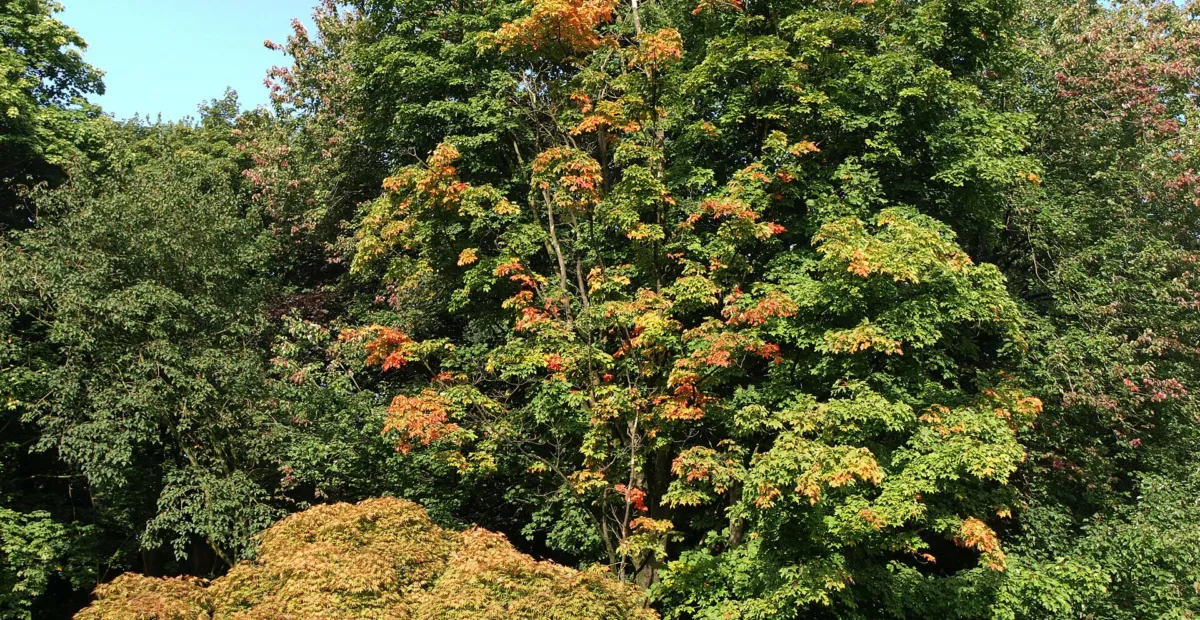
 Source:
 Nicholsonii (Acer palmatum ‘Nicholsonii’) short overview
Acer palmatum 'Nicholsonii' is a distinctive Japanese maple with a spreading, layered habit and narrow, sharply pointed seven-lobed leaves. New foliage opens purplish red, settles into rich green through summer, then often turns brilliant crimson in fall. It performs best in a sheltered site with morning or filtered sun, protection from drying wind, and soil that stays evenly moist without becoming waterlogged. Mature specimens can reach roughly 16 feet in height and spread.
Taxonomic classification
Nicholsonii (Acer palmatum ‘Nicholsonii’) care guide
Light and placement
Give morning sun, filtered light, or partial shade, especially in hot-summer climates. A sheltered east or north-facing position is often effective; west-facing sites need protection from intense afternoon heat and drying wind. Too much sun or drought can cause leaf scorch, while deep shade may reduce color and produce weaker growth.
Watering and humidity
Water deeply when the upper few inches of soil begin to dry, then allow excess water to drain. Keep newly planted trees consistently moist through their first two growing seasons and reduce irrigation after leaf fall. Do not alternate severe drought with flooding. A 2–3 inch mulch layer helps moderate root-zone temperature and moisture.
Soil and growing medium
Use a fertile, moisture-retentive but well-drained loam. Incorporate organic matter into poor soil, but do not create a sharply different amended pocket. Acer palmatum tolerates acidic, neutral, and mildly alkaline conditions; avoid compacted, chronically wet ground and excessive salt.
Feeding
Feed lightly in early spring as growth begins, using a balanced slow-release fertilizer at the label rate if soil fertility is low. Mature trees in good soil may need no routine fertilizer. Avoid heavy nitrogen, late-summer feeding, and fertilizing drought-stressed or freshly transplanted plants.
Growth and habit
A deciduous, spreading small tree that develops a layered crown and can become broader with age. It responds well to careful structural training when young, but excessive pruning spoils its natural branching. Consistent moisture and shelter help preserve foliage quality and reduce scorch.
Planting and repotting
Plant in spring or early fall when temperatures are moderate. Set the root flare level with or slightly above surrounding soil, never deeply buried. Space about 12–20 feet from large structures or neighboring trees, allowing for the broad mature crown. Mulch over the root zone without touching the trunk and irrigate consistently during establishment.
Repot container plants in early spring before bud break, moving only one pot size larger. Preserve the root ball as much as possible because Japanese maples can resent major root disturbance. Refresh some of the outer substrate, ensure generous drainage holes, and water thoroughly after repotting.
Propagation and pruning
Propagation
Named plants should be propagated vegetatively to preserve their characteristics, most reliably by grafting onto seed-grown Acer palmatum rootstock. Softwood cuttings can work for some Japanese maple selections but are technically demanding. Seed produces variable offspring and should not be sold as true 'Nicholsonii'.
Pruning
Prune sparingly while the tree is dormant or during the safest dry window in summer. Remove dead, crossing, damaged, or poorly placed branches and retain the natural layered structure. Avoid topping, large unnecessary cuts, and heavy pruning during strong spring sap flow.
Overwintering
In-ground trees generally need only a deep pre-winter watering and a breathable mulch layer over the root zone. Protect young trunks from rodents and avoid exposing containers to repeated freeze-thaw cycles. Container plants are more vulnerable than ground plants; shelter the pot in an unheated protected location rather than bringing it into a warm house.
Uses
Use as a specimen tree, woodland-edge accent, patio container plant, or bonsai subject. Its main ornamental value is the combination of colorful spring foliage, refined leaf shape, layered branching, and strong fall color. It is not documented here as a culinary or medicinal plant.
Appearance
Leaves are palmately divided into seven narrow, sharply pointed lobes with distinctly serrated margins. New growth is purplish red, summer foliage becomes rich green, and autumn color can be brilliant crimson. The tree develops a multi-branched, spreading outline with a refined layered appearance.
Flowering
Small reddish-purple flowers are produced in spring, generally as the leaves emerge. They are visually subtle and are followed by paired winged samaras. The exact bloom window varies with spring temperatures and region; April is a reasonable estimate for much of the United States, with later flowering in cooler areas.
Pollination and visitors
The small spring flowers may be visited by generalist insects, but reliable cultivar-specific visitor records are sparse. The flowers are an ecological secondary feature rather than the principal ornamental trait, so documented attraction is rated low.
Acer palmatum 'Nicholsonii' photos
Click any photo for a larger view. Source, author and license are shown separately.
Diseases and pests
Diseases
Watch for anthracnose, Verticillium wilt, cankers, and wood decay, especially where trees are stressed or wounds remain wet. Improve air circulation, avoid overhead irrigation, remove badly affected material, and maintain even soil moisture. Do not overwater or injure the trunk and roots.
Pests
Aphids, scale, borers, spider mites, and occasional caterpillars may occur. Check new growth and leaf undersides, wash off light infestations, and conserve beneficial insects. Treat persistent scale or borers only after confirming identification; drought stress and trunk wounds often worsen pest problems.
Toxicity and pollen
No reliable evidence was found identifying Acer palmatum 'Nicholsonii' as a significant human or household-pet poison. Normal garden hygiene is still appropriate: avoid deliberate ingestion, supervise children, and contact a medical or veterinary professional after substantial ingestion or concerning symptoms.
- Typical season
- Spring flowering period
- Pollination / pollen
- Insect-carried pollen
This is an insect-pollinated flowering tree with relatively small flowers, so it is not generally considered a major airborne-pollen source. Individual sensitivity is still possible during spring bloom, particularly where many maples are flowering nearby.
Native habitat
Acer palmatum is associated with wooded slopes, forest margins, and moist but well-drained soils in Japan, Korea, and parts of eastern China. In cultivation, the plant favors cool root conditions, protection from desiccating wind, and climates with a distinct winter dormancy.
Interesting fact
The cultivar was originally associated with the name Acer palmatum f. nicholsonii, published by Fritz von Schwerin in 1893.
Its narrow, forward-pointing lobes help distinguish it from broader-leaved forms.
The original trade name was reported as Acer palmatum digitatum purpureum.
Its foliage shifts from purplish red to green before the autumn crimson display.
Frequently asked questions (FAQ)
The most relevant questions about this plant, with short and direct answers.
🌱Quick care
What is Acer palmatum 'Nicholsonii'?⌄
Acer palmatum 'Nicholsonii' is a deciduous Japanese maple cultivar with a spreading habit, narrow sharply pointed leaf lobes, reddish-purple spring foliage, green summer leaves, and yellow-to-crimson fall color.
How big does Acer palmatum 'Nicholsonii' get?⌄
Acer palmatum 'Nicholsonii' can reach about 15 feet tall and wide in suitable conditions, although many nursery-grown trees remain smaller for years. Some references list a mature range of roughly 13 to 26 feet.
Is Acer palmatum 'Nicholsonii' hardy in the United States?⌄
Acer palmatum 'Nicholsonii' is generally considered hardy from USDA Zones 5 through 9. Cold tolerance can vary with exposure, plant age, winter wind, and whether the tree is growing in the ground or a container.
Is Acer palmatum 'Nicholsonii' a Japanese maple?⌄
Yes, Acer palmatum 'Nicholsonii' is a Japanese maple cultivar. It is also classified within the Matsumurae group, which is characterized by deeply divided, toothed leaf lobes.
🌤️Environment and placement
Does Acer palmatum 'Nicholsonii' grow in full sun or shade?⌄
Acer palmatum 'Nicholsonii' grows in full sun to partial shade, but partial shade is often preferable in hot or dry climates. Full sun works best when the soil stays evenly moist and the site is protected from drying winds.
Where should I plant Acer palmatum 'Nicholsonii'?⌄
Plant Acer palmatum 'Nicholsonii' in a sheltered location with well-drained, moisture-retentive soil and protection from strong afternoon heat or wind. An eastern or northern exposure is often useful in warmer parts of the United States.
What type of soil does Acer palmatum 'Nicholsonii' need?⌄
Acer palmatum 'Nicholsonii' prefers moisture-retentive, well-drained loam. It can tolerate clay, loam, or sandy soil if drainage is adequate and the root zone does not dry out repeatedly.
What soil pH does Acer palmatum 'Nicholsonii' prefer?⌄
Acer palmatum 'Nicholsonii' can grow in acidic, neutral, or mildly alkaline soil, provided the soil is well drained and fertile. Avoid correcting pH unnecessarily unless a soil test shows a problem.
💧Care and problems
How often should I water Acer palmatum 'Nicholsonii'?⌄
Water Acer palmatum 'Nicholsonii' deeply whenever the top few inches of soil begin to dry, especially during its first two growing seasons. Increase watering during hot, dry spells, but do not keep the roots in standing water.
How do I prevent leaf scorch on Acer palmatum 'Nicholsonii'?⌄
Prevent leaf scorch by maintaining even soil moisture, applying a 2- to 3-inch layer of organic mulch, and protecting the tree from hot, drying wind. Scorch is more likely when full sun combines with drought, heat, or exposed conditions.
Why are the leaves of Acer palmatum 'Nicholsonii' turning brown?⌄
Brown leaf edges on Acer palmatum 'Nicholsonii' are commonly caused by drought, hot wind, excessive sun, or root stress. Check soil moisture and drainage first, and avoid fertilizer during periods of heat or water stress.
Does Acer palmatum 'Nicholsonii' need fertilizer?⌄
Acer palmatum 'Nicholsonii' usually needs little fertilizer when planted in reasonably fertile soil. If growth is weak, apply a light, balanced slow-release fertilizer in early spring after confirming the issue is not drought, poor drainage, or root damage.
What pests affect Acer palmatum 'Nicholsonii'?⌄
Acer palmatum 'Nicholsonii' may be affected by aphids, caterpillars, gall mites, or scale insects. Inspect new growth and leaf undersides, and use the least disruptive treatment necessary if a pest population is causing noticeable damage.
What diseases can affect Acer palmatum 'Nicholsonii'?⌄
Potential problems include leaf scorch, Verticillium wilt, and honey fungus, although healthy trees in suitable sites are less likely to suffer serious disease. Good drainage, careful watering, and avoiding root or trunk injuries reduce risk.
🪴Planting and repotting
When is the best time to plant Acer palmatum 'Nicholsonii'?⌄
Plant Acer palmatum 'Nicholsonii' in spring or fall, when temperatures are moderate and soil moisture is reliable. Fall planting is often effective in regions with mild autumns, while spring is safer in areas with severe winters.
How do I plant Acer palmatum 'Nicholsonii' in the ground?⌄
Dig a hole about twice the root-ball width and no deeper than the root ball, set the tree with its original soil level slightly above surrounding ground, backfill with native soil, and water thoroughly. Mulch the root zone without touching the trunk.
Can Acer palmatum 'Nicholsonii' grow in a container?⌄
Acer palmatum 'Nicholsonii' can grow in a large container while young, but its spreading mature size makes in-ground planting preferable for long-term growth. Use a pot with drainage holes and check moisture frequently during summer.
Can I grow Acer palmatum 'Nicholsonii' as a bonsai?⌄
Acer palmatum 'Nicholsonii' can be grown as bonsai, especially when started from suitable nursery material or propagated vegetatively. Its relatively strong growth and attractive seasonal foliage make it useful, but graft unions and branch structure require careful selection.
✂️Propagation and pruning
How is Acer palmatum 'Nicholsonii' propagated?⌄
Acer palmatum 'Nicholsonii' is commonly propagated by grafting, layering, or softwood cuttings. Seed will not reliably reproduce the named cultivar because seedlings can differ from the parent.
Can I grow Acer palmatum 'Nicholsonii' from seed?⌄
You can grow a Japanese maple from seed, but seed-grown plants should not be expected to remain true to Acer palmatum 'Nicholsonii'. To preserve this cultivar’s characteristics, use grafting, layering, or a successful cutting.
Can Acer palmatum 'Nicholsonii' be propagated from cuttings?⌄
Acer palmatum 'Nicholsonii' can be propagated from softwood cuttings, although success may be variable and nursery grafting is more dependable. Take healthy current-season shoots under clean, humid conditions and use a well-drained rooting medium.
When should I prune Acer palmatum 'Nicholsonii'?⌄
Prune Acer palmatum 'Nicholsonii' in late fall through midwinter, when the tree is dormant and its branch structure is visible. Remove dead, damaged, crossing, or poorly placed branches while preserving its natural spreading form.
How much pruning does Acer palmatum 'Nicholsonii' need?⌄
Acer palmatum 'Nicholsonii' generally needs only light structural pruning. Avoid routine heavy pruning because it can spoil the tree’s natural form, stimulate weak growth, and increase stress or sap bleeding.
⚠️Toxicity and safety
Is Acer palmatum 'Nicholsonii' toxic to people or pets?⌄
No specific toxicity is documented for Acer palmatum 'Nicholsonii', but evidence for this exact cultivar is limited. Do not encourage people or animals to eat ornamental plant material, and contact a medical or veterinary professional if ingestion causes symptoms.
🌸Flowering and special interest
Does Acer palmatum 'Nicholsonii' have flowers?⌄
Acer palmatum 'Nicholsonii' produces small, inconspicuous spring flowers that are not its main ornamental feature. The tree is primarily grown for its reddish spring foliage, green summer leaves, and colorful fall display.
What color are the leaves of Acer palmatum 'Nicholsonii' in spring?⌄
The new leaves of Acer palmatum 'Nicholsonii' emerge purplish red, often with a noticeable reddish or bronze cast. They typically mature toward olive green or rich green during summer.
What fall color does Acer palmatum 'Nicholsonii' have?⌄
Acer palmatum 'Nicholsonii' can develop yellow, orange, and brilliant crimson fall color. The exact display depends on autumn temperatures, sunlight, moisture, and the local growing season.
Does Acer palmatum 'Nicholsonii' lose its leaves in winter?⌄
Yes, Acer palmatum 'Nicholsonii' is deciduous and loses its leaves in fall or early winter. Its bare branches remain dormant until new foliage emerges in spring.
Similar plants
 Acer palmatum care guideAcer palmatum
 Sugar maple (Acer saccharum) care guideAcer saccharum
 Dissectum (Acer palmatum ‘Dissectum’)Acer palmatum 'Dissectum'
 Silver maple (Acer saccharinum) care guideAcer saccharinum
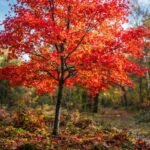 Amur Maple (Acer tataricum ginnala) care guideAcer tataricum ginnala
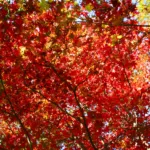 Vitifolium (Acer japonicum ‘Vitifolium’)Acer japonicum 'Vitifolium'