
 Source:
Dissectum (Acer palmatum ‘Dissectum’) short overview
Acer palmatum 'Dissectum' is a distinctive laceleaf maple valued for its low, spreading form and delicate, deeply divided leaves. The foliage may emerge green and develop yellow, orange, red, or bronze tones in fall, while small reddish-purple flowers appear in spring and mature into winged fruits. Give it moist, well-drained soil, shelter from drying wind, and afternoon shade in hot climates to reduce leaf scorch.
Taxonomic classification
Dissectum (Acer palmatum ‘Dissectum’) care guide
Light and placement
Grow in full sun to partial shade, with afternoon shade preferred in hot or dry climates. An east- or north-facing position, dappled woodland light, or filtered light beneath high trees helps protect the finely divided leaves. Too much heat, reflected light, wind, or dry soil can cause brown leaf margins and scorch; too little light may produce weaker growth and less intense coloration.
Watering and humidity
Water deeply when the upper soil begins to dry, keeping the root zone consistently moist but never saturated. Newly planted trees need regular irrigation through their first growing seasons; established plants need extra water during summer heat, drought, and prolonged wind. Mulch helps moderate root temperature and reduce evaporation, but do not pile it against the trunk.
Soil and growing medium
Use a moisture-retentive but freely draining soil with good organic matter. Loam or sandy loam is ideal; heavy clay should be improved before planting. Slightly acidic to neutral soil is preferred. High-pH conditions can contribute to chlorosis, so avoid strongly alkaline sites and do not allow roots to remain waterlogged.
Feeding
Apply a balanced, slow-release fertilizer in early spring only if growth is weak or soil fertility is poor. A thin layer of finished compost can be used around, but not against, the root zone. Avoid heavy nitrogen feeding, late-summer fertilization, and feeding drought-stressed or newly transplanted plants.
Growth and habit
This is a slow-growing, dense, mound-forming maple with spreading to cascading branches. Its structure becomes increasingly picturesque with age, and lower branches may be retained to preserve the natural umbrella-like outline. Avoid frequent corrective pruning because the plant’s value lies in its layered habit and fine texture.
Planting and repotting
Plant in spring or fall when temperatures are moderate. Set the root flare level with, or slightly above, the surrounding soil; never bury the trunk. Water thoroughly after planting and apply a 2–3 inch mulch layer, keeping mulch away from the bark. Allow enough room for the mature spreading canopy and choose a sheltered site protected from strong wind.
Repot container-grown plants in early spring before bud break, or transplant while dormant. Move to a container only one size larger and use a free-draining, moisture-retentive mix. Refresh the outer root zone without aggressively disturbing the root ball. Ensure the pot has drainage holes and protect the container from severe winter root freezing.
Propagation and pruning
Propagation
Commercial plants are usually grafted. Softwood cuttings may root under controlled conditions but are difficult and variable; seed does not reliably reproduce the selected dissected form. Propagation is best left to experienced growers.
Pruning
Prune minimally. Remove dead, damaged, crossing, or poorly placed branches during dormancy, preferably from late fall through winter. Avoid heavy spring or summer pruning, which can cause bleeding and spoil the natural cascading form. Do not shear the canopy; selective thinning preserves the fine branch structure.
Overwintering
Outdoor plants are hardy in much of the United States, but protect young trees from drying winter wind and sudden temperature swings. Container plants are more vulnerable because roots are exposed above ground; overwinter them in a sheltered, unheated location or insulate the container. Do not bring the plant into a warm indoor room for winter, because it requires dormancy.
Uses
Use as a specimen, accent, patio container plant, bonsai subject, rock-garden feature, or woodland-edge ornamental. Its low, spreading habit works well near paths, ponds, and raised viewpoints. It is grown primarily for foliage and structure rather than edible or medicinal use.
Appearance
Leaves are palmately arranged and divided almost to the base into 7–11 narrow, finely toothed lobes, giving the canopy a lace-like or feathery texture. Branches are often spreading, weeping, or cascading, and older plants may develop a picturesque multi-stem structure with gray bark. Foliage color varies within the group, so the nursery label alone does not guarantee one shade.
Flowering
Small reddish-purple flowers appear in spring on slender clusters before or with the developing foliage. They are ornamental but not showy compared with the foliage. Flowers are followed by paired winged samaras that mature later in the growing season.
Pollination and visitors
The inconspicuous spring flowers can be visited by small bees and other insects, but this cultivar is grown mainly for foliage and is not a major nectar plant. Documented visitor evidence is stronger for Acer palmatum and related maples generally than for this named horticultural identity specifically.
Acer palmatum 'Dissectum' photos
Click any photo for a larger view. Source, author and license are shown separately.
Diseases and pests
Diseases
Watch for Verticillium wilt, cankers, leaf scorch, leaf spots, anthracnose, Botrytis, honey fungus, and root rots. Improve drainage, avoid trunk injuries, remove badly affected material, and water at the soil line. Leaf scorch is usually environmental rather than infectious and is commonly associated with drought, heat, exposed sites, or root stress.
Pests
Possible pests include aphids, scale insects, caterpillars, gall mites, borers, and root weevils. Inspect new growth and leaf undersides regularly. Encourage natural predators, rinse light infestations with water, and use targeted treatments only when damage is significant. Avoid stressing the tree, since drought and root problems can increase susceptibility.
Related diseases and pests
Only Plant Doctor profiles whose host data indicate this plant may be affected are shown here.
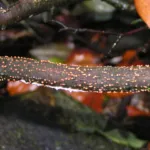 DiseaseCoral Spot CankerNectria cinnabarina
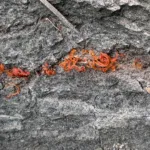 DiseaseCytospora CankerCytospora chrysosperma
 Environmental stressSalt stress
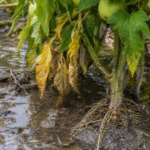 Environmental stressFlooding injury
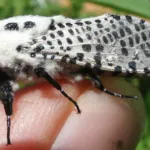 PestLeopard mothZeuzera pyrina
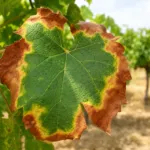 DiseaseXylella fastidiosa bacterial diseasesXylella fastidiosa
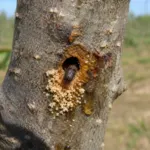 PestEuropean shot-hole borerXyleborus dispar (Fabricius)
 DiseaseMaple powdery mildewSawadaea bicornis
Toxicity and pollen
No specific toxic principle is documented for this exact cultivar. Acer palmatum is generally treated as non-toxic to dogs and cats by commonly used veterinary plant references. Normal precautions still apply: discourage heavy chewing, and contact a veterinarian if a pet eats a large amount or develops symptoms.
- Typical season
- Spring
- Pollination / pollen
- Spring tree pollen; limited airborne release
Japanese maple produces pollen, but the species is generally considered a relatively low pollen-producing ornamental tree because of its small size and limited floral output. Exposure is usually concentrated around spring flowering. Individual sensitivity can vary, so low risk does not mean zero risk.
Native habitat
The parent species is associated with temperate woodland margins and mountain or foothill habitats in Japan, Korea, and parts of eastern China. It favors sheltered conditions, fertile soils, reliable moisture, and protection from severe drying exposure. The Dissectum Group is a cultivated horticultural selection rather than a separate wild habitat type.
Interesting fact
The name Dissectum refers to the deeply cut leaf blades. The group includes green, purple, brown, and variegated foliage forms. Its fine leaves and cascading habit are especially effective when viewed from above or beside a path. Mature branches can reveal attractive gray bark and a picturesque multi-stem structure.
Frequently asked questions (FAQ)
The most relevant questions about this plant, with short and direct answers.
🌱Quick care
How do you care for Acer palmatum 'Dissectum'?⌄
Grow Acer palmatum 'Dissectum' in full sun to partial shade, evenly moist well-drained soil, and a sheltered location. Water during dry periods, mulch the root zone, and prune only when necessary to maintain its natural form.
Is Acer palmatum 'Dissectum' a tree or shrub?⌄
Acer palmatum 'Dissectum' is a slow-growing, mound-forming small tree or large shrub with arching or weeping branches. Mature plants commonly reach about 10 to 15 feet tall and wide, although size varies with climate, training, and growing conditions.
🌤️Environment and placement
How much sun does Acer palmatum 'Dissectum' need?⌄
Acer palmatum 'Dissectum' grows in full sun to partial shade, but partial afternoon shade is safer in hot climates. Protect the finely cut leaves from intense heat, drying winds, and sudden exposure to strong sunlight.
Can Acer palmatum 'Dissectum' grow in full sun?⌄
Yes, Acer palmatum 'Dissectum' can grow in full sun when its soil remains consistently moist and the site is not excessively hot or windy. In the southern United States, afternoon shade often reduces leaf scorch and summer stress.
What USDA hardiness zones are suitable for Acer palmatum 'Dissectum'?⌄
Acer palmatum 'Dissectum' is generally suitable for USDA Zones 5 through 9, depending on the source and local exposure. In colder zones, protect young plants and container specimens from severe winter temperatures and drying winds.
What is the best soil for Acer palmatum 'Dissectum'?⌄
Use moist, well-drained loam or sandy loam enriched with organic matter. Avoid heavy, poorly drained soil and sites that stay waterlogged; raised planting areas can improve drainage in compacted or clay soil.
Can Acer palmatum 'Dissectum' tolerate clay soil?⌄
Acer palmatum 'Dissectum' can tolerate clay soil only when drainage is adequate. Improve compacted clay with organic matter, plant slightly high or on a raised bed, and never place the root flare in persistently saturated soil.
Where should I plant Acer palmatum 'Dissectum' in the yard?⌄
Plant it as a specimen where its rounded, cascading form can be viewed from several angles, such as near a patio, lawn, or low ground cover. Choose a sheltered site with morning sun or filtered light and protection from strong wind.
💧Care and problems
How often should I water Acer palmatum 'Dissectum'?⌄
Water Acer palmatum 'Dissectum' whenever the upper few inches of soil begin to dry, providing a deep soaking rather than frequent light watering. Container plants usually need water more often, especially during hot, dry weather.
Why are the leaves on my Acer palmatum 'Dissectum' turning brown?⌄
Brown leaf edges or patches are most often caused by leaf scorch from heat, drought, strong wind, salt, or damaged roots. Keep the soil evenly moist, apply mulch without touching the trunk, and provide afternoon shade during extreme summer conditions.
Does Acer palmatum 'Dissectum' need fertilizer?⌄
Acer palmatum 'Dissectum' usually needs little fertilizer when planted in reasonably fertile soil. If growth is weak, use a light, slow-release fertilizer in early spring after confirming that poor drainage, drought, or root damage is not the real problem.
What pests attack Acer palmatum 'Dissectum'?⌄
Aphids, scale insects, and borers can occasionally affect Acer palmatum 'Dissectum', while stressed plants may also develop additional problems. Inspect new growth and branches regularly, and improve watering, drainage, and site conditions before treating an infestation.
Why is my Acer palmatum 'Dissectum' losing branches or developing dead twigs?⌄
Dead inner twigs and branch dieback can result from natural shading, drought stress, winter injury, poor drainage, or pests. Remove clearly dead wood with clean tools and investigate the root zone and branch structure if dieback is extensive or spreading.
🪴Planting and repotting
When is the best time to plant Acer palmatum 'Dissectum'?⌄
Plant Acer palmatum 'Dissectum' in spring or early fall when temperatures are moderate and the soil is workable. Avoid planting during summer heat or just before severe winter weather, and water thoroughly after planting.
How do you plant Acer palmatum 'Dissectum' in the ground?⌄
Dig a hole about twice as wide as the root ball and no deeper than its existing root flare, then backfill with the original soil. Set the tree at the same level it grew in its container, water deeply, and add a 2- to 3-inch mulch layer away from the trunk.
Can Acer palmatum 'Dissectum' be grown in a container?⌄
Yes, Acer palmatum 'Dissectum' can grow well in a large container with drainage holes and a porous potting mix. Containers expose roots to greater heat and cold, so monitor moisture closely and provide winter protection in colder USDA Zones.
How often should I repot Acer palmatum 'Dissectum'?⌄
Repot a container-grown Acer palmatum 'Dissectum' when roots fill the pot or drainage slows, usually every few years rather than annually. Repot in early spring before strong new growth, moving up only one container size to avoid excess wet soil.
✂️Propagation and pruning
Can Acer palmatum 'Dissectum' be grown from seed?⌄
It can be grown from seed, but seedlings may not reproduce the parent plant’s exact leaf shape, color, or habit. Seed propagation is useful for experimentation, while named or selected forms are normally maintained through grafting or other clonal methods.
Can Acer palmatum 'Dissectum' be propagated from cuttings?⌄
Acer palmatum 'Dissectum' can sometimes be propagated from softwood cuttings, but rooting is generally difficult and results are variable. Commercial plants are more commonly propagated by grafting, which preserves the selected plant’s characteristics more reliably.
When should Acer palmatum 'Dissectum' be pruned?⌄
Prune Acer palmatum 'Dissectum' during dormancy, preferably in late fall through winter or before spring growth begins. Remove dead, crossing, weak, or poorly attached branches, and avoid heavy pruning because its natural cascading form is a major feature.
How do you prune Acer palmatum 'Dissectum'?⌄
Prune selectively to preserve the layered, arching structure and reveal attractive trunks or branches when desired. Remove competing leaders, crossing limbs, and branches with weak attachments, but do not shear the plant or routinely shorten healthy cascading branches.
⚠️Toxicity and safety
Is Acer palmatum 'Dissectum' poisonous to dogs?⌄
Acer palmatum 'Dissectum' is generally regarded as non-toxic to dogs. Even non-toxic plants can cause stomach upset if eaten in large quantities, so contact a veterinarian if a dog develops persistent vomiting, diarrhea, weakness, or other concerning symptoms.
Is Acer palmatum 'Dissectum' poisonous to cats?⌄
Acer palmatum 'Dissectum' is generally regarded as non-toxic to cats. Prevent excessive plant eating and seek veterinary advice if a cat shows repeated vomiting, diarrhea, lethargy, or unusual behavior after chewing the plant.
🌸Flowering and special interest
Does Acer palmatum 'Dissectum' flower?⌄
Yes, Acer palmatum 'Dissectum' produces small reddish to purplish flowers in spring, usually as a minor ornamental feature. The flowers may be followed by paired winged fruits that mature later in the season.
What fall color does Acer palmatum 'Dissectum' have?⌄
Acer palmatum 'Dissectum' may develop yellow, orange, red, or reddish-orange fall color, depending on the plant, weather, and growing conditions. Hot weather, drought, and excessive stress can reduce the intensity or consistency of the display.
Why is my Acer palmatum 'Dissectum' not changing color in fall?⌄
Fall color depends on temperature, daylight, moisture, and the individual plant, so a mild autumn or drought can delay or mute the display. Keep the tree evenly watered through late summer, but do not overwater or fertilize heavily to force color.
Similar plants
 Vitifolium (Acer japonicum ‘Vitifolium’)Acer japonicum 'Vitifolium'
 Downy Japanese Maple (Acer japonicum) care guideAcer japonicum
 Red Snakebark Maple (Acer capillipes) care guideAcer capillipes
 Amur Maple (Acer tataricum ginnala) care guideAcer tataricum ginnala
 Field maple (Acer campestre) care guideAcer campestre
 Atropurpureum (Acer palmatum ‘Atropurpureum’)Acer palmatum 'Atropurpureum'