

Flooding injury
Flooding injury overview
Flooding injury is plant damage caused by saturated soil, standing water, or submergence. Water-filled soil pores exclude oxygen from the root zone, impairing root respiration, nutrient uptake, and water movement. Symptoms range from temporary wilting and yellow leaves to root death, shoot dieback, lodging, and plant death. Severity depends strongly on flood depth, duration, temperature, plant age, tissue submerged, and species tolerance.
Typical conditions
Overview
When soil is saturated, water replaces the air in pore spaces and oxygen availability around roots falls rapidly. Roots then respire inefficiently, absorb fewer nutrients, and may lose the ability to take up water even though the soil is wet. Prolonged oxygen deprivation can kill roots and, in severe cases, the entire plant.
Damage is highly variable. Flood depth, duration, water temperature, moving water, sediment, erosion, plant age, season, and species tolerance all matter. Flooding during active growth and warm weather is often more damaging than brief cool-season saturation. Flood-stressed plants are also more vulnerable to root and crown pathogens, insects, and mechanical failure.
Symptoms and identification
Common aboveground symptoms include:
- Temporary or persistent wilting despite wet soil.
- Leaf yellowing, bronzing, reddening, premature leaf drop, reduced leaf size, and stunted growth.
- Root death, reduced fine roots, soft or darkened roots, and poor recovery after drainage.
- Shoot dieback, crown decline, stem wounds, lodging, uprooting, or death.
- Soil erosion, exposed roots, deposited sediment, bark abrasion, and debris injury.
Symptoms may appear during flooding or several days to weeks after water recedes. Wilting, chlorosis, and dieback are not diagnostic by themselves; inspect roots and the soil profile and consider salt, chemical contamination, nutrient imbalance, and root-rot diseases as alternative or additional causes.
Causes and spread
Flooding injury follows excessive rainfall, river or storm overflow, poor drainage, compacted soil, blocked outlets, irrigation failures, high water tables, or low-lying site conditions. Standing water and saturated soil exclude oxygen; anaerobic conditions may produce compounds such as ethanol, organic acids, methane, and hydrogen sulfide that injure roots.
Fast-moving water can scour soil, expose roots, break branches, and abrade bark. Floodwater may also deposit sediment, alter soil pH, carry salts or pollutants, and move plant pathogens. Flooding itself does not spread a single disease, but wet conditions and contaminated water can increase secondary root, crown, and foliar disease problems.
Life cycle and persistence
Flooding injury has no biological lifecycle because it is an environmental disorder. Injury begins when oxygen in saturated soil is depleted. Root respiration and nutrient uptake decline, toxic reduced compounds may accumulate, and fine roots can die. After drainage, plants may recover gradually if enough functional roots remain; however, damaged roots continue to limit water and nutrient uptake and can become infection sites for organisms such as Phytophthora and Pythium.
Recovery may take weeks or longer. A delayed flush of yellowing, leaf drop, or branch dieback does not always mean the whole plant is dead. Scratch-testing living tissue, examining roots, and monitoring new growth are more reliable than judging survival immediately after the flood.
Treatment and control
Act only when the site is safe. Remove standing water where practical, open blocked drainage, and allow the root zone to drain naturally. Do not dig, till, or drive equipment through saturated soil because this can worsen compaction and root damage.
- Rinse mud from foliage and fruit only when appropriate, and remove contaminated edible produce according to current food-safety guidance.
- Restore washed-away soil carefully, but do not bury the trunk flare or root collar. Re-cover exposed roots with suitable soil or mulch after drainage.
- Remove broken, hanging, or dead branches using proper pruning practices; avoid heavy corrective pruning while survival is uncertain.
- Stake or replant destabilized small plants only after soil has drained sufficiently to avoid further root injury.
- Delay routine fertilization until recovery and soil conditions are assessed. Correct confirmed nutrient problems based on soil or tissue testing rather than applying strong fertilizer to damaged roots.
- Monitor for root and crown rot, cankers, insect attack, and delayed dieback. Seek an Extension diagnostic service for valuable trees or uncertain cases.
Low-impact and biological control
There is no organic pesticide cure for flooding injury because the primary problem is oxygen deprivation and physical damage. The most effective low-input measures are drainage, careful sanitation, erosion control, removal of irreparably damaged material, and selection of flood-tolerant plants.
- Remove dead leaves, fruit, and collapsed plant debris when conditions permit, and dispose of material with suspected disease rather than spreading it as mulch.
- Use clean soil, compost, or mulch only when appropriate for the site; do not bury crowns or trunks or incorporate large amounts of fresh organic material into already waterlogged soil.
- Use biological products only when a specific pathogen has been diagnosed and the product is labeled for that crop and use. They cannot restore roots killed by oxygen starvation.
- For food crops, follow state, county, and USDA recommendations concerning harvest, cleanup, waiting periods, and contaminated floodwater.
Prevention
Reduce the likelihood and severity of flooding before problems occur:
- Improve site grading, drainage, downspout discharge, swales, rain gardens, or other lawful runoff-management features without directing water onto neighboring property.
- Avoid compaction and working soil when it is wet; maintain organic matter and protective ground cover where appropriate.
- Use raised beds or containers for crops on sites that routinely pond, and select plants rated for the site’s wetness and USDA hardiness conditions.
- Maintain mulch, vegetation, terraces, or other erosion-control measures, while keeping mulch away from trunks and crowns.
- Do not plant intolerant species in chronic wet spots, and protect young plants from concentrated runoff.
- Plan for safe produce handling: crops touched by potentially contaminated floodwater may present a food-safety risk and should be evaluated using current state or USDA guidance.
Interesting facts
- Flooded plants may wilt even while surrounded by water because damaged roots cannot supply the shoots.
- Flood tolerance varies widely among species, cultivars, ages, tissues, and growth stages; a survival time observed for one plant should not be generalized to another.
- Even after surface water disappears, saturated subsoil can continue injuring roots.
- As little as several inches of deposited sediment may harm some tree roots, while erosion can expose roots and reduce stability.
- Flooding can increase susceptibility to Phytophthora and Pythium root and crown diseases, but their presence requires separate diagnosis.
Do not apply fungicides, fertilizers, root stimulants, or other products solely because flooding occurred. If a secondary pathogen or nutrient problem is confirmed, use only products legally authorized for the specific crop and problem in the United States, and follow the current product label exactly. Never use a pesticide on edible crops contrary to its label or preharvest interval.
Affected plants
The plants below are linked to this problem by structured host-plant data. The list updates automatically as new plant profiles are added.
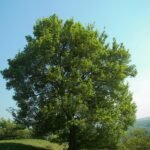 Field maple (Acer campestre) care guideAcer campestre
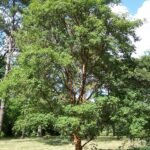 Paperbark Maple (Acer griseum) care guideAcer griseum
 Downy Japanese Maple (Acer japonicum) care guideAcer japonicum
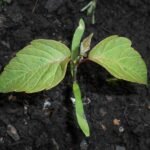 Boxelder (Acer negundo) care guideAcer negundo
 Acer palmatum care guideAcer palmatum
 He Norway maple (Acer platanoides) care guideAcer platanoides
 Sycamore maple (Acer pseudoplatanus) care guideAcer pseudoplatanus
 Red maple (Acer rubrum) care guideAcer rubrum
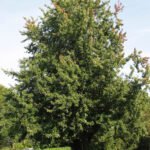 Silver maple (Acer saccharinum) care guideAcer saccharinum
 Sugar maple (Acer saccharum) care guideAcer saccharum
 Tatar Maple (Acer tataricum) care guideAcer tataricum
 Amur Maple (Acer tataricum ginnala) care guideAcer tataricum ginnala