
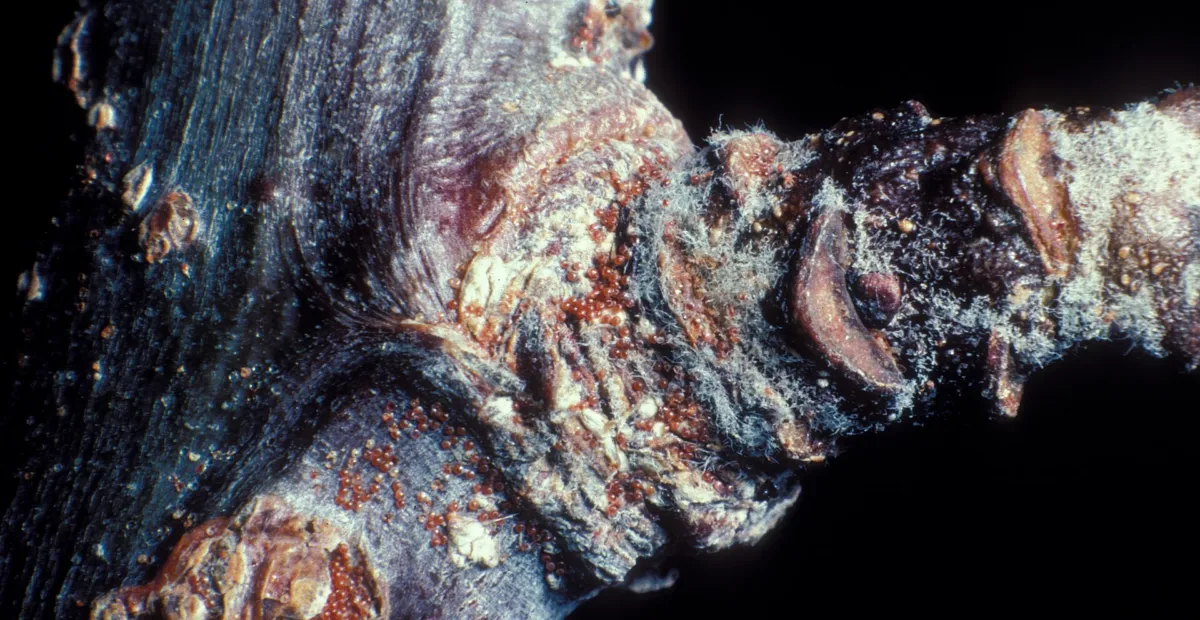
European red mite
Panonychus ulmiEuropean red mite overview
European red mite, Panonychus ulmi, is a tiny spider mite that damages apple, pear and stone-fruit foliage by removing cell contents. Feeding first produces pale stippling or mottling, then bronzing and leaf scorch when populations are high, especially during hot, dry weather. Natural enemies often suppress this pest when dust, water stress and disruptive pesticides are minimized.
Typical conditions
Overview
European red mite is a small, usually reddish-brown mite that is especially associated with apple orchards in the United States. Adults have pale or white spots at the bases of several dorsal hairs. The pest does not normally produce the conspicuous webbing associated with some other spider mites.
Low populations are often tolerated because predatory mites and insects can suppress them. Problems are more likely when trees are water-stressed, orchard conditions are dusty, weather is hot and dry, or broad-spectrum pesticides disrupt natural enemies.
Symptoms and identification
- Early feeding causes fine pale stippling, whitening or mottling of leaves.
- Continued or heavy feeding produces yellowed, bronzed or dull-brown foliage.
- Under hot conditions, damaged leaves may develop scorch-like browning, sometimes called mite burn.
- Severe infestations can cause premature leaf drop, reduced tree vigor, smaller fruit and increased risk of sunburned fruit.
- Inspect leaf undersides with a hand lens; mites are very small and may be difficult to see without magnification.
Symptoms can resemble injury from other mite species, leafhoppers, environmental stress or pesticide phytotoxicity, so confirmation with a hand lens or diagnostic laboratory may be necessary.
Causes and spread
Damage results from feeding by both immature and adult mites, which remove cell contents from foliage. European red mite overwinters primarily as eggs on twigs, branches, buds and fruiting spurs. Crawlers and nymphs move onto young leaves in spring, while summer generations lay eggs on leaf surfaces.
Warm temperatures accelerate development, and hot, dry conditions favor population increase and intensify visible injury. Dusty foliage can interfere with predatory mites. Some insecticides and miticides reduce natural-enemy populations and may contribute to secondary mite outbreaks.
Life cycle and persistence
Bright red overwintering eggs are round, grooved and topped by a short stalk. They hatch in spring, and the six-legged larvae develop through two eight-legged nymphal stages before becoming adults. Immatures may appear green immediately after molting, then turn red after feeding resumes.
Development is temperature-dependent. In warm conditions, a generation may be completed in less than three weeks, and approximately 5–10 overlapping generations may occur during a growing season. Summer eggs are generally paler and are laid on both upper and lower leaf surfaces; fall eggs are deposited on twigs and larger limbs.
Treatment and control
Use an IPM decision based on mite abundance, leaf injury, tree age, crop load, weather and the presence of predators rather than treating every detection. In many orchards, low spring populations decline naturally as predators increase and summer heat develops.
If monitoring shows damaging populations, improve irrigation and reduce dust first. In commercial orchards, a carefully timed dormant or delayed-dormant oil treatment may reduce overwintering eggs where monitoring justifies it. Growing-season miticides may be considered only when populations are increasing and foliage injury is economically important. Avoid repeated use of the same mode of action and protect predatory mites whenever possible.
For home fruit trees, remove severe water stress, inspect foliage frequently and favor selective, label-compliant options over routine calendar spraying.
Low-impact and biological control
- Maintain adequate irrigation and reduce dust.
- Conserve naturally occurring predatory mites and insects by limiting broad-spectrum and persistent pesticides.
- Support biological control by avoiding unnecessary treatment when mite numbers are low and predators are present.
- Horticultural or mineral oil can be useful against overwintering eggs or active stages when the product is approved for the crop and timing; follow the label carefully to reduce phytotoxicity risk.
- Do not combine oil with incompatible products or apply during conditions prohibited by the label.
Prevention
- Monitor leaves regularly during the growing season and inspect dormant twigs, buds and fruiting spurs for overwintering eggs.
- Keep trees adequately irrigated during warm, dry weather and correct competing weed or root-zone water demand.
- Reduce dust around trees and avoid unnecessary cultivation or traffic that creates persistent dusty foliage.
- Preserve predatory mites, Stethorus lady beetles, lacewings, minute pirate bugs and other beneficial organisms by avoiding unnecessary broad-spectrum sprays.
- Use dormant-season monitoring to identify blocks with substantial overwintering egg populations before spring growth begins.
- Confirm mite identity before treatment because European red mite can be confused with other red or webspinning mites.
Interesting facts
- European red mite is a spider mite, not an insect.
- The species can complete a generation in under three weeks under warm conditions.
- Its eggs have a central stalk but lack the radiating threads characteristic of citrus red mite eggs.
- Western predatory mites feed on European red mite, but their effectiveness against the eggs is limited because the eggshell is difficult to penetrate.
- Although the species has been recorded from many plant species, economically important injury in the United States is concentrated mainly on apple and, less consistently, pear and Prunus fruit trees.
Use only pesticide products legally authorized for European red mite and the specific crop in your state and country. Read and follow the current product label for crop, rate, timing, worker protection, reentry interval, preharvest interval, resistance-management requirements and pollinator precautions. Product registrations and labels can change; extension recommendations do not replace the label.
Affected plants
The plants below are linked to this problem by structured host-plant data. The list updates automatically as new plant profiles are added.
 Apple tree (Malus domestica) care guideMalus domestica
 False Acacia (Robinia pseudoacacia) care guideRobinia pseudoacacia
 Silver maple (Acer saccharinum) care guideAcer saccharinum
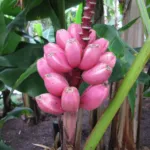 Pink Banana (Musa velutina) care guideMusa velutina
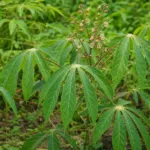 Cassava (Manihot esculenta) care guideManihot esculenta
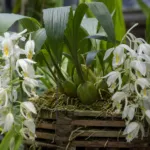 Crested Coelogyne (Coelogyne cristata) care guideCoelogyne cristata
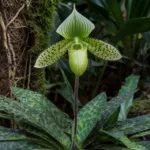 Paphiopedilum ‘Maudiae’Paphiopedilum 'Maudiae'
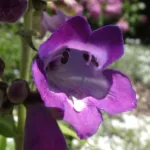 Penstemon ‘Stapleford Gem’Penstemon 'Stapleford Gem'
 Rainer’s Bellflower (Campanula raineri) care guideCampanula raineri
 Canna ‘Erebus’Canna 'Erebus'
 Canna ‘Stuttgart’Canna 'Stuttgart'
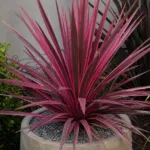 Electric Pink (Cordyline australis ‘Electric Pink’)Cordyline australis 'Electric Pink'