
 AI-generated illustration
 Electric Pink (Cordyline australis ‘Electric Pink’) short overview
Cordyline australis 'Electric Pink' is a compact, evergreen cordyline prized for upright burgundy leaves marked with vivid hot-pink striping. Grow it in full sun to partial shade, in sharply drained soil, as a warm-climate landscape accent or movable container plant. It is frost-sensitive when young and is best protected from prolonged cold, winter wet, and drying winds. Cordyline australis 'Electric Pink' is an evergreen, clumping ornamental selected for narrow burgundy leaves with vivid hot-pink striping.
Taxonomic classification
Electric Pink (Cordyline australis ‘Electric Pink’) care guide
Light and placement
Provide full sun to partial shade. In containers, morning or afternoon sun with shelter from the hottest reflected heat is a useful compromise for maintaining strong pink coloration without leaf scorch. A bright south- or west-facing position can work indoors if the plant is acclimated gradually. Too little light produces weaker, greener growth; excessive harsh sun, heat, or reflected glare may bleach or brown the leaves.
Watering and humidity
Water thoroughly when the upper 1–2 inches of mix begins to dry, then let excess drain completely. Keep newly planted specimens evenly watered while roots establish, but do not leave the pot standing in water. Established outdoor plants tolerate short dry periods. Reduce watering in winter, especially indoors or during cool, cloudy weather, because cold wet roots are more damaging than modest dryness.
Soil and growing medium
Use a porous, well-drained mix containing loam, bark, or coarse mineral material. In the ground, average sandy or loamy soil is suitable if it does not remain saturated. Cordylines tolerate a fairly broad pH range, but drainage is more important than fine pH adjustment. In containers, use a high-quality potting mix amended with perlite, pumice, or grit.
Feeding
Plants in the ground generally need little fertilizer once established. Feed container specimens in spring and summer with a balanced liquid fertilizer at label strength, or use a controlled-release product for container ornamentals. Do not feed during cold, dark winter conditions or immediately after severe root disturbance. A thin spring top-dressing of fresh mix or compost can support long-term container growth.
Growth and habit
Young plants form dense, upright fountains of strap-like leaves. With age, the species may develop one or more woody stems, but this compact cultivar is commonly marketed as a clumping, multi-stemmed accent. Its main maintenance needs are removing damaged lower leaves, stabilizing containers, and preventing winter crown damage rather than regular shaping.
Planting and repotting
Plant outdoors in spring after the local frost risk has passed, placing the root ball at the same depth it grew in its nursery pot. Give young plants a sheltered site and water regularly through the first growing season. Allow approximately 3 feet of space for the commonly sold compact form, while recognizing that mature size varies with provenance and growing conditions.
Repot container plants in spring when roots fill the pot or drainage slows. Move up only one pot size and use a deep, stable container because Cordyline australis develops substantial roots. Avoid burying the crown or keeping the root ball constantly wet after transplanting.
Propagation and pruning
Propagation
Commercial stock is commonly produced by tissue culture. Home propagation is more practical from seed of the species, if viable fruit is produced, or from carefully rooted stem cuttings where material is available. Cultivar identity is not guaranteed from seed, so vegetative or laboratory-propagated stock is preferred for maintaining 'Electric Pink' traits.
Pruning
Remove yellow, torn, or frost-damaged leaves at their base with clean tools. Do not routinely shear the foliage. If the crown or stem is killed by cold, wait until the extent of damage is clear in spring, then cut back to sound tissue; established plants may resprout from the stem or base. Avoid unnecessary topping because the compact cultivar is primarily valued for its natural form.
Overwintering
Move containers indoors, into a greenhouse, or against a protected wall before hard freezes. Keep the plant in bright light, water sparingly, and maintain good ventilation. In mild outdoor areas, tie leaves loosely to protect the crown from wind and rain, mulch the root zone, and use frost cloth during cold snaps. Colored cultivars can suffer damage at temperatures near freezing even where the species survives.
Uses
Use 'Electric Pink' as an ornamental foliage accent in containers, warm-climate beds, borders, courtyards, patios, and contemporary or tropical-style plantings. It can also serve as a seasonal indoor feature near a bright window. It is not recommended as a food or medicinal plant, and pet access should be restricted because the species is listed as toxic to dogs and cats.
Appearance
The plant forms an upright, fountain-like clump of narrow, sword-shaped evergreen leaves. New growth may emerge dark red, maturing to burgundy with vivid pink striping or margins. It is more compact and densely branched than the typical tree-form species in many nursery offerings, but the exact mature habit can vary. Older stems may become woody if the plant is retained for many years.
Flowering
The species can produce terminal panicles of many small, fragrant, cream to white flowers after it reaches maturity. Flowering is much more likely in warm climates and on established plants; reliable flowering information for the exact 'Electric Pink' cultivar is limited. Spent panicles may be removed for appearance, or left to develop small berries if fruiting occurs.
Pollination and visitors
Cordyline australis flowers are documented as insect-visited, with bees and moths associated with the fragrant nectar-rich flower panicles. The exact visitor assemblage for 'Electric Pink' has not been established, and the cultivar may flower less reliably than the species in cool US climates.
Diseases and pests
Diseases
Prevent problems by avoiding cold, saturated soil and by protecting the crown from prolonged winter wet. Leaf spotting, browning, crown dieback, and stem damage are often associated with cold, wind, drought, or excess moisture. Frost-damaged tissue may be cut back once new growth shows where the plant is resprouting. Cordyline slime flux and honey fungus are reported but not common.
Pests
Scale insects and glasshouse red spider mite may occur, especially on stressed or overwintered plants. Inspect leaf bases and undersides regularly. Improve airflow, isolate infested containers, wash foliage when appropriate, and use a labeled horticultural oil or insecticidal product according to its directions. Avoid treating drought-stressed plants or spraying in high heat.
Toxicity and pollen
ASPCA lists Cordyline australis as toxic to dogs and cats because of saponins. Ingestion can cause gastrointestinal upset and, particularly in cats, signs such as hypersalivation and dilated pupils. Keep foliage and fallen plant material away from pets and seek veterinary advice after ingestion. Human toxicity data for this exact cultivar are limited; avoid eating it and prevent children from chewing the leaves.
- Typical season
- If flowering occurs in the United States, exposure is most likely late spring through summer.
- Pollination / pollen
- Primarily insect-carried pollen; limited airborne dispersal expected
This is an insect-pollinated flowering plant, so its pollen is not typically released as a large windborne cloud. However, no robust US allergy-specific data were found for this exact cultivar, and flowering plants should not be assumed allergen-free. People with strong pollen sensitivity should avoid handling flowering panicles and monitor individual reactions.
Native habitat
The species is native to New Zealand, where it occurs in a range of open, coastal, lowland, and upland habitats. It favors free-draining soils and climates with mild winters, but its broad natural distribution does not make colored cultivars reliably frost-hardy. In cultivation, shelter from cold wind and winter saturation is especially important.
Interesting fact
The cultivar is grown primarily for its foliage rather than its flowers. Its burgundy-and-pink coloration can intensify in cool weather and bright light, although harsh exposure may bleach or scorch leaves. Cordyline australis is a New Zealand species that can develop a tree-like trunk with age, while young plants usually look like dense fountains of strap-shaped leaves.
Frequently asked questions (FAQ)
The most relevant questions about this plant, with short and direct answers.
🌱Quick care
What is Cordyline australis 'Electric Pink'?⌄
Cordyline australis 'Electric Pink' is an ornamental evergreen cordyline grown for its narrow, sword-shaped foliage marked in vivid pink and burgundy tones. It is commonly used as a colorful accent plant in containers, borders, and warm-climate landscapes.
How much sun does Cordyline australis 'Electric Pink' need?⌄
Give Cordyline australis 'Electric Pink' full sun to partial shade. Brighter light generally helps maintain stronger pink coloration, while some afternoon shade can protect the foliage in very hot climates.
How often should I water Electric Pink Cordyline?⌄
Water when the top inch of soil begins to dry, keeping the root zone moderately and evenly moist during active growth. Reduce watering in winter, and never leave the plant standing in saturated soil.
Is Cordyline australis 'Electric Pink' evergreen?⌄
Yes, Cordyline australis 'Electric Pink' is generally evergreen in frost-free conditions. Foliage may become damaged or lose color after cold, wind, drought, or sudden environmental changes.
Is Electric Pink Cordyline easy to grow?⌄
Yes, it is a relatively low-maintenance plant when grown in bright light, well-drained soil, and a sheltered location. Its main challenges are frost, poor drainage, harsh wind, and inconsistent watering.
🌤️Environment and placement
Can Electric Pink Cordyline grow outdoors in the United States?⌄
It can grow outdoors year-round in warm, frost-free parts of the United States, especially USDA Zones 9–11. In colder areas, grow it in a container and move it indoors or into protected shelter before freezing weather.
What is the minimum temperature for Cordyline australis 'Electric Pink'?⌄
Protect Cordyline australis 'Electric Pink' from frost and freezing temperatures. Exact tolerance varies with plant maturity and exposure, so container plants should be moved to shelter before the first freeze rather than relying on marginal cold hardiness.
Can Electric Pink Cordyline tolerate full afternoon sun?⌄
Yes, established plants can tolerate full afternoon sun if they are gradually acclimated and watered appropriately. In hot inland or desert regions, protection from intense late-afternoon sun may reduce leaf scorch.
Can Cordyline australis 'Electric Pink' grow in shade?⌄
It can tolerate partial shade, but deep shade may reduce vigor and make the foliage less intensely colored. Provide bright filtered light or several hours of direct sun for the best ornamental effect.
Is Electric Pink Cordyline suitable for windy locations?⌄
Choose a sheltered location because strong wind can tear, brown, or desiccate the long leaves. A position near a wall, fence, or other windbreak is usually better than an exposed site.
Can I grow Cordyline australis 'Electric Pink' indoors?⌄
Yes, it can be grown indoors in a bright room, preferably near a sunny window with filtered protection from extreme hot glass. Use a container with drainage and reduce watering during the lower-light winter period.
💧Care and problems
What type of soil does Electric Pink Cordyline need?⌄
Use a well-drained loam or sandy mix that does not remain waterlogged after irrigation. For containers, combine quality potting soil with drainage-improving material such as pine bark, perlite, or coarse sand.
Why are the leaves of my Electric Pink Cordyline turning brown?⌄
Brown leaves commonly result from frost, drought, low humidity indoors, salt buildup, harsh wind, or excessive wetness around the roots. Remove only dead tissue and correct the growing condition rather than increasing water automatically.
Why is my Cordyline australis 'Electric Pink' losing its pink color?⌄
Reduced light, stress, seasonal changes, or growth produced under different nursery conditions can make the foliage appear less pink. Move the plant gradually into brighter light, but avoid an abrupt change that could scorch the leaves.
Why are the leaves on my Electric Pink Cordyline curling?⌄
Leaf curling usually indicates water stress, heat, cold exposure, wind, or root problems caused by poor drainage. Check soil moisture, inspect the roots if the soil stays wet, and protect the plant from temperature extremes.
What pests attack Electric Pink Cordyline?⌄
Indoor plants may attract scale, mealybugs, or spider mites, while stressed outdoor plants can also develop sap-feeding pest problems. Inspect leaf bases and undersides regularly and treat infestations promptly with a plant-safe method.
Should I fertilize Cordyline australis 'Electric Pink'?⌄
Feed lightly during spring and summer with a balanced, slow-release fertilizer or a diluted liquid fertilizer. Avoid heavy feeding in winter and do not fertilize a severely stressed, recently repotted, or cold-damaged plant.
🪴Planting and repotting
When should I plant Electric Pink Cordyline outdoors?⌄
Plant it outdoors in spring after the danger of frost has passed and nighttime temperatures are consistently mild. Spring planting gives the roots a full growing season to establish before winter.
Can Electric Pink Cordyline grow in a container?⌄
Yes, it performs well in containers with drainage holes and a fast-draining potting mix. Choose a sturdy pot that is somewhat wider and deeper than the root ball, then repot when roots fill the container or growth slows.
How often should I repot Cordyline australis 'Electric Pink'?⌄
Repot when the plant becomes root-bound, dries out unusually fast, or repeatedly tips over. Moving it into a container only one or two sizes larger helps prevent excess wet soil and root rot.
How do I plant Electric Pink Cordyline in the ground?⌄
Set it at the same depth as it was growing in its nursery container and backfill with well-drained soil. Water thoroughly after planting, apply a light mulch without touching the stem, and keep the root zone evenly moist while it establishes.
✂️Propagation and pruning
Can Cordyline australis 'Electric Pink' be propagated from cuttings?⌄
Yes, cordylines can often be propagated from stem sections or terminal cuttings, although success with a named cultivar may vary. Keep the cutting warm in a free-draining medium and provide bright, indirect light until roots form.
Can I grow Electric Pink Cordyline from seed?⌄
Seed is generally not the preferred way to reproduce Cordyline australis 'Electric Pink' because seedlings may not retain the parent plant’s distinctive foliage color. Vegetative propagation is more likely to preserve the cultivar’s characteristics.
Can I cut back a tall Electric Pink Cordyline?⌄
Avoid severe pruning unless necessary because cordylines may respond unpredictably and the cultivar may not recover attractively. Remove dead or badly damaged growth, and make any substantial cut only during active growth with a clear plan for new shoots.
How do I remove dead leaves from Electric Pink Cordyline?⌄
Wait until a lower leaf has fully yellowed or dried, then pull it away gently or cut it close to the stem with clean pruners. Do not strip green leaves unnecessarily, because they continue supplying energy to the plant.
⚠️Toxicity and safety
Is Cordyline australis 'Electric Pink' toxic to dogs?⌄
Yes, Cordyline australis 'Electric Pink' is toxic to dogs if ingested. Keep the plant and fallen leaves away from pets, and contact a veterinarian promptly if a dog chews or swallows any part of it.
Is Electric Pink Cordyline toxic to cats?⌄
Yes, it is toxic to cats if ingested. Place indoor containers where cats cannot reach the leaves, and seek veterinary advice promptly if ingestion is suspected.
Is Cordyline australis 'Electric Pink' safe for children?⌄
Do not allow children to chew the leaves or other plant parts. The available safety guidance specifically identifies toxicity to dogs and cats, so keeping the plant out of reach is the prudent choice around young children.
🌸Flowering and special interest
Does Cordyline australis 'Electric Pink' flower?⌄
It may flower when mature and grown outdoors under favorable conditions, but it is primarily cultivated for its foliage and flowering is uncommon in containers. Flowers, when produced, are typically small and arranged in branched clusters.
How long does it take Electric Pink Cordyline to flower?⌄
There is no dependable flowering timetable for this cultivar because maturity, climate, stress, and growing conditions all affect flowering. Container-grown plants and regularly pruned plants may flower rarely or not at all.
Similar plants
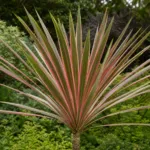 Pink Stripe (Cordyline australis ‘Pink Stripe’)Cordyline australis 'Pink Stripe'
 Purpurea (Cordyline australis ‘Purpurea’)Cordyline australis 'Purpurea'
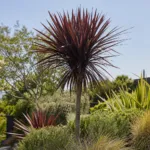 Dark Star (Cordyline australis ‘Dark Star’)Cordyline australis 'Dark Star'
 Pocahontas (Cordyline australis ‘Pocahontas’)Cordyline australis 'Pocahontas'
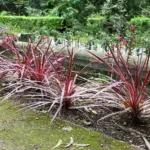 Pink Passion (Cordyline australis ‘Pink Passion’)Cordyline australis 'Pink Passion'
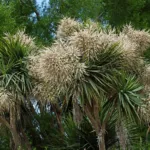 Cabbage Tree (Cordyline australis) care guideCordyline australis