
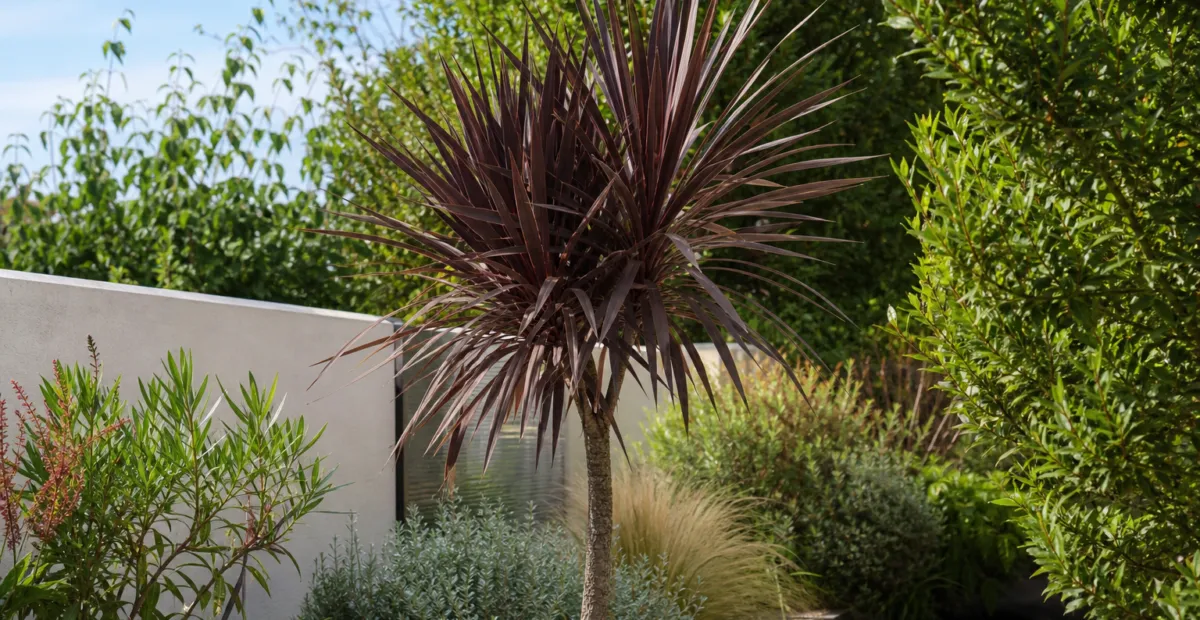
 AI-generated illustration
 Purpurea (Cordyline australis ‘Purpurea’) short overview
Cordyline australis 'Purpurea' is a dramatic evergreen cultivar with long, strap-shaped leaves in deep purple to purplish-brown tones. It forms an architectural, palm-like specimen and may eventually develop a woody trunk and branched crown in a mild climate. Grow it in full sun to light partial shade, using sharply drained soil and shelter from severe winter cold. In warm conditions, mature plants can produce fragrant panicles of small cream-white flowers.
Taxonomic classification
Purpurea (Cordyline australis ‘Purpurea’) care guide
Light and placement
Give full sun for the deepest purple coloration, ideally with southern or western exposure in the United States, while providing shelter from drying winter winds. Light partial shade is tolerated, especially in hot climates. Too little light produces greener, weaker foliage and a looser habit; intense reflected heat may scorch leaf tips.
Watering and humidity
Water deeply when the upper several inches of soil have dried, then allow excess water to drain. Water more regularly during the first growing season and during prolonged summer heat; reduce watering in cool weather and keep winter containers nearly dry. Avoid standing water around the trunk, especially in heavy soil.
Soil and growing medium
Use fertile but sharply drained soil or a gritty container mix. Sandy, loamy, or rocky soils are suitable when excess water drains freely. A mildly acidic to mildly alkaline reaction is generally tolerated; avoid persistently waterlogged or compacted ground.
Feeding
Feed in spring as growth resumes with a balanced slow-release fertilizer at the label rate. Container plants may receive a dilute liquid feed during active growth, but avoid repeated heavy nitrogen applications, late-season feeding, and fertilizing dry or frost-stressed plants.
Growth and habit
This cultivar is an upright, rosette-forming woody perennial that may develop one or several trunks. Purple-leaved forms are often slower and less vigorous than the green species form. Mature plants need little routine shaping; remove only dead foliage or damaged stems and protect the growing point from severe cold.
Planting and repotting
Plant in spring after the risk of hard freezes has passed, setting the root ball level with the surrounding soil. Allow generous clearance from buildings and paths, stake only if needed, and water regularly during the first growing season while roots establish.
Repot container plants in spring when roots fill the pot, moving up only one container size. Use a free-draining mix and keep the trunk base at the same depth. Large specimens can be top-dressed instead of fully repotted.
Propagation and pruning
Propagation
Propagate from seed, stem cuttings, or basal offsets/suckers in spring. Seed-grown plants may not reproduce the cultivar consistently, while vegetative methods better preserve the purple foliage. Keep cuttings warm, bright, and only lightly moist until rooted.
Pruning
Routine pruning is usually unnecessary. Remove dead lower leaves once they detach readily, and cut out frost-damaged or broken growth in late spring after new growth becomes visible. If a trunk is cut back, multiple shoots may develop below the cut, but results are variable.
Overwintering
Protect young plants with a sheltered placement, root mulch, and temporary frost cloth during hard freezes. In colder regions, grow it in a container and move it to a bright, cool indoor space before temperatures fall below the mid-20s°F. Water sparingly indoors and return it outdoors gradually in spring.
Uses
Primarily an ornamental foliage and architectural plant for specimen planting, contemporary borders, coastal gardens, courtyards, and containers. Its mature flowers can support nectar-feeding insects and birds. Do not use the leaves, fruits, or other parts as food because the plant is listed as toxic to dogs and cats.
Appearance
Leaves are long, narrow, leathery, and strap-shaped, forming dense terminal rosettes. The foliage is characteristically dark purple or purplish-brown, although color intensity varies with light and plant age. Older plants develop a persistent gray, corky, fissured trunk and may branch to form a sculptural crown.
Flowering
Mature plants can produce terminal, repeatedly branched panicles of numerous small, fragrant, cream-white flowers. Flowering is most typical in late spring or early summer, although container-grown and juvenile plants may flower rarely or not at all.
Pollination and visitors
Species-level research documents insect visitation, including bees, moths, flies, and other insects; birds also visit the flowers in New Zealand. The cultivar is expected to share the species' floral resources, but cultivar-specific visitor studies were not located.
Diseases and pests
Diseases
Avoid prolonged wetness and trunk damage. Cordyline slime flux and honey fungus are reported problems, though they are uncommon. Remove badly damaged tissue with clean tools and improve drainage; investigate persistent trunk ooze or decline before replanting.
Pests
Usually relatively trouble-free, but inspect for scale insects, mealybugs, thrips, and spider mites, particularly on stressed container plants. Improve air circulation, avoid drought stress, and use targeted horticultural soap or oil only according to the product label.
Related diseases and pests
Only Plant Doctor profiles whose host data indicate this plant may be affected are shown here.
 PestDracaena ThripsParthenothrips dracaenae
 PestOnion thripsThrips tabaci Lindeman
 PestMelon thripsThrips palmi Karny
 PestChilli thripsScirtothrips dorsalis Hood
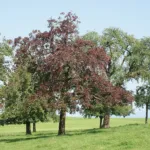 DiseasePear Decline‘Candidatus Phytoplasma pyri’
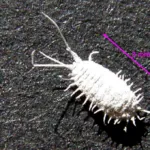 PestObscure mealybugPseudococcus viburni
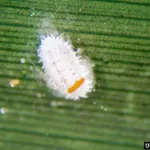 PestCitrus mealybugPlanococcus citri
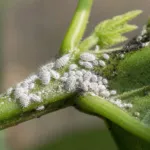 PestCotton mealybugPhenacoccus solenopsis Tinsley
Toxicity and pollen
Cordyline australis is listed as toxic to dogs and cats because of saponins. Ingestion can cause gastrointestinal upset, hypersalivation, depression, and, especially in cats, dilated pupils. Keep fallen leaves, berries, and accessible plant material away from pets; seek veterinary advice after ingestion.
- Typical season
- Late spring to early summer when flowering occurs
- Pollination / pollen
- Insect-dispersed floral pollen
The flowers are animal-pollinated and pollen is not generally described as a major airborne allergen. Nevertheless, flowering plants can affect sensitive individuals locally, especially when flowers are handled or when large mature panicles are present.
Native habitat
Cordyline australis is native to New Zealand, where it occurs in a wide range of habitats from lowland forest margins and river terraces to open scrub, coastal areas, and disturbed ground. It tolerates wind, drought after establishment, and varied soils when drainage is good.
Interesting fact
The cultivar name 'Purpurea' has a long horticultural history associated with purple-leaved forms of Cordyline australis.
Purple foliage can appear more bronze or brown-purple under different light and temperatures.
The species can form a branched, tree-like crown after flowering or damage to the growing point.
Cordyline australis flowers provide nectar used by a broad range of insects.
Frequently asked questions (FAQ)
The most relevant questions about this plant, with short and direct answers.
🌱Quick care
What is Cordyline australis 'Purpurea'?⌄
Cordyline australis 'Purpurea' is an evergreen, palm-like cabbage tree cultivar with upright growth and purple-bronze, sword-shaped leaves. It is grown as an architectural landscape plant or container specimen.
How much sun does Cordyline australis 'Purpurea' need?⌄
Give Cordyline australis 'Purpurea' full sun to light partial shade. Strong light generally helps maintain its bronze-purple foliage, while intense heat may require protection from harsh afternoon sun.
How often should I water Cordyline australis 'Purpurea'?⌄
Water Cordyline australis 'Purpurea' when the upper few inches of soil have dried, then let excess water drain away. It needs regular moisture while establishing but becomes drought tolerant once mature.
Is Cordyline australis 'Purpurea' cold hardy?⌄
Cordyline australis 'Purpurea' tolerates brief light frost but should be protected when temperatures approach 23°F. In colder parts of the United States, grow it in a container that can be sheltered or overwintered.
Can Cordyline australis 'Purpurea' grow indoors?⌄
Cordyline australis 'Purpurea' can be grown indoors temporarily or year-round in a very bright location. Indoor plants usually grow more slowly and may not flower, so provide excellent drainage and avoid consistently wet soil.
🌤️Environment and placement
Where should I plant Cordyline australis 'Purpurea' outdoors?⌄
Plant it in a sunny, sheltered position with well-drained fertile soil. A site protected from strong winds helps prevent leaf tearing and reduces winter damage.
What USDA hardiness zones suit Cordyline australis 'Purpurea'?⌄
Cordyline australis 'Purpurea' is best suited to mild U.S. climates, broadly around USDA Zones 8–10 when protected from severe freezes. Zone performance varies with exposure, plant age, drainage, and the duration of cold.
Can Cordyline australis 'Purpurea' tolerate drought?⌄
Yes, established Cordyline australis 'Purpurea' tolerates periods of drought. Water it more deeply during prolonged heat, especially if it grows in a container or shallow, sandy soil.
Can Cordyline australis 'Purpurea' tolerate wind?⌄
It tolerates some wind but performs best in a sheltered location. Persistent strong wind can split or shred the long leaves and may destabilize tall plants.
What type of soil does Cordyline australis 'Purpurea' need?⌄
Use fertile, well-drained soil that may be sandy, loamy, or gritty. Avoid heavy, waterlogged ground because poor drainage can cause root problems, particularly in cool weather.
💧Care and problems
Why are the leaves of my Cordyline australis 'Purpurea' turning brown?⌄
Brown leaves commonly result from frost, cold wind, drought stress, excessive sun after a sudden move outdoors, or root problems from wet soil. Remove only fully damaged leaves after the risk of further cold has passed and correct the underlying condition.
Why is my Cordyline australis 'Purpurea' losing its purple color?⌄
Reduced light can make the foliage appear less strongly colored, although natural variation also occurs within this cultivar. Move a container plant gradually toward brighter light and avoid abrupt exposure to intense sun.
Why is my Cordyline australis 'Purpurea' drooping?⌄
Drooping may indicate underwatering, root stress from saturated soil, cold damage, or physical damage to the stem. Check soil moisture and drainage first, then protect the plant from freezing temperatures and harsh wind.
Does Cordyline australis 'Purpurea' need fertilizer?⌄
Feed Cordyline australis 'Purpurea' lightly in spring and, if desired, again in early summer with a balanced controlled-release fertilizer. Avoid heavy feeding in late summer or fall because tender growth is more vulnerable to cold.
What pests and diseases affect Cordyline australis 'Purpurea'?⌄
Cordyline australis 'Purpurea' is generally low maintenance, but scale, mealybugs, spider mites, root rot, and fungal problems can occur. Good airflow, bright light, careful watering, and well-drained soil reduce these risks.
🪴Planting and repotting
Can Cordyline australis 'Purpurea' grow in a container?⌄
Yes, Cordyline australis 'Purpurea' grows well in a large container when young. Choose a heavy pot with drainage holes and increase pot size gradually as the plant develops a substantial root system.
How do I repot Cordyline australis 'Purpurea'?⌄
Repot it in spring when roots fill the container, moving it into a pot only one size larger with a fast-draining mix. Keep the plant at the same depth and water lightly until new growth resumes.
How deep should I plant Cordyline australis 'Purpurea'?⌄
Plant Cordyline australis 'Purpurea' at the same depth it was growing in its nursery container. Planting the trunk or root crown too deeply can trap moisture and encourage rot.
✂️Propagation and pruning
How is Cordyline australis 'Purpurea' propagated?⌄
Cordyline australis 'Purpurea' can be propagated by seed, stem cuttings, or suitable offsets. Stem cuttings and offsets are preferred when you want plants to retain the parent’s ornamental characteristics.
Can I grow Cordyline australis 'Purpurea' from seed?⌄
You can grow it from seed, but seedlings may vary and may not reproduce the parent plant’s foliage color exactly. Fresh seed and warm, evenly moist, well-drained propagation media generally give the best chance of germination.
Can I root a Cordyline australis 'Purpurea' stem cutting?⌄
Yes, a healthy stem section can sometimes root as a cutting. Let the cut surface dry briefly, place it in a sterile, well-drained medium, and keep it warm with only light moisture until roots develop.
Can I cut back Cordyline australis 'Purpurea'?⌄
Yes, you can cut back an overgrown or damaged Cordyline australis 'Purpurea' in spring to encourage new shoots below the cut. Make a clean cut on the stem and avoid severe pruning immediately before cold weather.
Does Cordyline australis 'Purpurea' need regular pruning?⌄
No, regular pruning is usually unnecessary. Remove dead, damaged, or unattractive leaves, and prune the trunk only when reducing height or recovering from major damage.
⚠️Toxicity and safety
Is Cordyline australis 'Purpurea' toxic to dogs?⌄
Yes, Cordyline australis 'Purpurea' is toxic to dogs if plant material is eaten. It contains saponins that may cause vomiting, depression, loss of appetite, or excessive drooling.
Is Cordyline australis 'Purpurea' toxic to cats?⌄
Yes, Cordyline australis 'Purpurea' is toxic to cats if ingested. Possible signs include vomiting, drooling, depression, poor appetite, and dilated pupils, so contact a veterinarian promptly after suspected ingestion.
Is Cordyline australis 'Purpurea' poisonous to people?⌄
Cordyline australis 'Purpurea' should not be eaten, although the main documented concern is toxicity to pets. Keep fallen leaves, fruits, and plant pieces away from children and consult poison-control services if ingestion occurs.
🌸Flowering and special interest
Does Cordyline australis 'Purpurea' flower?⌄
Yes, mature Cordyline australis 'Purpurea' can produce large branched clusters of small, fragrant, creamy-white flowers. Young or container-grown plants may take many years to flower or may not flower at all.
When does Cordyline australis 'Purpurea' bloom?⌄
It generally blooms in late spring or summer once mature. Flowering is influenced by plant age, climate, light, and whether the plant is growing outdoors in the ground.
Does Cordyline australis 'Purpurea' branch after flowering?⌄
Flowering can stimulate branching below the spent flower cluster, although branching is not guaranteed. Severe cold or damage to the growing point may also cause new shoots to develop.
Similar plants
 Pink Passion (Cordyline australis ‘Pink Passion’)Cordyline australis 'Pink Passion'
 Cabbage Tree (Cordyline australis) care guideCordyline australis
 Ti Tree (Cordyline fruticosa) care guideCordyline fruticosa
 Pocahontas (Cordyline australis ‘Pocahontas’)Cordyline australis 'Pocahontas'
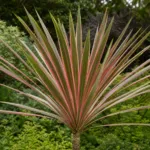 Pink Stripe (Cordyline australis ‘Pink Stripe’)Cordyline australis 'Pink Stripe'
 Red Star (Cordyline australis ‘Red Star’)Cordyline australis 'Red Star'