
 Source:
 Kousa (Cornus kousa) short overview
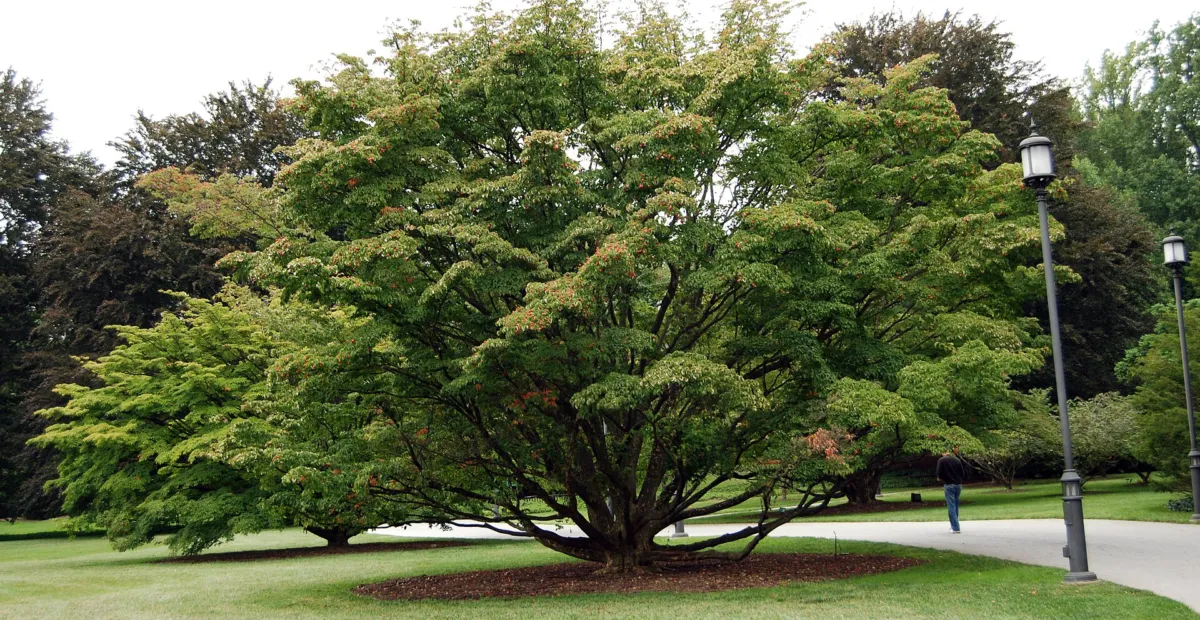
Kousa Cornus kousa is a deciduous flowering dogwood from China, Japan and Korea, grown in the United States as a specimen tree or large multi-stemmed shrub. Its pointed white bracts appear in late spring, followed by pink to red, raspberry-like fruits. Dark green leaves turn red-purple in fall, while mature gray bark exfoliates into attractive tan and brown patches. Give it fertile, well-drained soil and sun to light shade.
Taxonomic classification
Kousa (Cornus kousa) care guide
Light and placement
Grow in full sun to partial shade. Full sun encourages stronger flowering, denser form and better fall color, but hot sites require dependable moisture to prevent leaf scorch. In warmer regions, morning sun with afternoon protection is useful. Sparse growth and weak flowering suggest insufficient light; scorched margins or wilt despite wet soil suggest excessive heat, drought or root stress.
Watering and humidity
Water deeply when the upper few inches of soil begin to dry, rather than applying frequent shallow sprinkles. Keep the root zone evenly moist during the first two growing seasons and during summer heat, then reduce irrigation gradually as roots establish. Mulch helps conserve moisture. Avoid saturated soil, which can damage roots.
Soil and growing medium
Use fertile, humus-rich, well-drained soil that retains even moisture without remaining waterlogged. Slightly acidic to neutral conditions are preferred. Improve compact clay with organic matter and avoid sites with persistent standing water. A generous mulch layer helps moderate root-zone temperature and moisture, but keep mulch away from the trunk.
Feeding
Feed only if growth is weak or a soil test indicates a need. Apply compost or a balanced, slow-release tree fertilizer in early spring, following the product label and avoiding fertilizer piled against the trunk. Do not fertilize drought-stressed, newly transplanted or late-season plants heavily, since soft late growth can be more winter-sensitive.
Growth and habit
This species begins with a relatively upright or vase-shaped habit and commonly broadens with age, often developing layered horizontal branches. It can be grown as a single-trunk tree or retained as a multi-stemmed specimen. Growth is generally slow to moderate, and good establishment is more important than pushing rapid growth with fertilizer.
Planting and repotting
Plant in spring or fall, setting the root flare level with or slightly above the surrounding soil. Dig a broad planting hole rather than a deep one, backfill with native soil, and water thoroughly. Space about 15–25 feet from buildings or other large trees, depending on cultivar and intended form. Mulch 2–3 inches deep and maintain regular moisture for the first two growing seasons.
Container-grown trees should be planted out promptly or shifted into a slightly larger container before roots circle densely. Repot or root-prune dormant container specimens in late winter or early spring, using a loamy, well-drained mix. Large plants are best transplanted while dormant, with the root ball kept intact and watered consistently during establishment.
Propagation and pruning
Propagation
Sow cleaned seed after warm and cold stratification, or use semi-hardwood cuttings in summer and hardwood cuttings during dormancy. Grafting is used for selected cultivars. Seedlings may vary in habit, bract color and other ornamental traits, while named cultivars are normally propagated clonally.
Pruning
Prune in late winter or immediately after flowering to remove dead, crossing or weak branches and to maintain a clear structure. Avoid indiscriminate topping. Remove basal shoots if a single-trunk form is desired, and make reduction cuts back to suitable lateral branches. Heavy pruning can reduce the following season’s floral display.
Overwintering
Established trees generally need no special winter protection within their hardiness range. Water thoroughly before the ground freezes when autumn is dry, maintain a light mulch layer, and protect young trunks from rodent damage and winter sunscald where relevant. Container plants are more vulnerable than plants in the ground and may need sheltered placement or root insulation.
Uses
Primarily an ornamental specimen or small shade tree for lawns, patios, borders and woodland-style plantings. The pink-red fruit is technically edible when ripe and is also used by birds, but it is soft and often considered bland or mealy. Use locally adapted cultivars where available and provide enough room for the mature canopy.
Appearance
Leaves are opposite, oval to elliptic and pointed, with prominent veins and a medium-textured appearance. The tree may be single-trunked or multi-stemmed, with layered branches and reddish young twigs. Mature gray bark exfoliates in patches to reveal tan, brown and yellowish inner bark. Pink-red fruits hang on slender stalks and resemble small raspberries.
Flowering
The showy display consists of four pointed, petal-like bracts surrounding a dense cluster of small yellowish-green true flowers. Bloom is usually in late spring, commonly May into June in much of the United States, and generally follows flowering dogwood. Bract color may shift from white toward pink depending on cultivar, weather and plant age.
Pollination and visitors
Insect visitors documented on Cornus kousa include halictid bees and several beetle groups, especially scarab, cerambycid and cantharid beetles. Studies show that visitor composition varies by site and year, so no single insect group should be treated as universally dominant.
Cornus kousa photos
Click any photo for a larger view. Source, author and license are shown separately.
Diseases and pests
Diseases
Generally more resistant to anthracnose than Cornus florida, but can still develop dogwood anthracnose, leaf spot, powdery mildew or honey fungus. Reduce stress with good drainage, adequate air circulation and consistent watering. Remove badly affected fallen foliage and avoid unnecessary overhead irrigation. Confirm disease identity before using a fungicide.
Pests
Usually low-pest, but scale insects, including horse chestnut scale, may occur. Inspect twigs and leaf undersides for fixed bumps, honeydew or sooty mold. Encourage natural enemies, prune out heavily infested small branches, and use horticultural oil only when timing, temperature and label directions are appropriate.
Related diseases and pests
Only Plant Doctor profiles whose host data indicate this plant may be affected are shown here.
 DiseasePhytophthora plurivora Root and Collar RotPhytophthora plurivora
 PestEuropean Fruit Lecanium ScaleParthenolecanium corni
 DiseaseCoral Spot CankerNectria cinnabarina
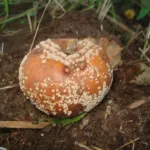 DiseaseEuropean brown rotMonilinia fructigena
 DiseasePhytophthora cactorum crown, collar, root and fruit rotPhytophthora cactorum
 PestHorse Chestnut Leaf MinerCameraria ohridella Deschka & Dimić
 Environmental stressSalt stress
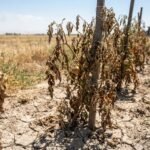 Environmental stressHeat stress
Toxicity and pollen
The ripe fruit is reported as edible, although its soft texture and flavor are not universally considered appealing. Reliable sources do not identify Cornus kousa as a major poisonous landscape plant. Do not encourage children or pets to eat unidentified plant material, and seek professional advice after a significant or unusual ingestion.
- Typical season
- Late spring, typically May–June
- Pollination / pollen
- Mostly insect-carried pollen
Kousa dogwood is insect-pollinated, so pollen is not typically dispersed in large windborne clouds. That does not prove zero allergy risk: sensitive people may still react to nearby flowering plants, and local exposure can vary. Published evidence is insufficient for a precise clinical allergy ranking, so the low label is precautionary.
Native habitat
Native across parts of China, Japan and Korea, where it occurs in temperate woodland and mixed forest habitats. It favors fertile, moisture-retentive but well-drained soils and benefits from some protection from drying exposure. In cultivation, it performs best where roots remain cool and evenly moist while the canopy receives sun or light shade.
Interesting fact
The conspicuous white structures are bracts, not petals. Its fused fruit develops from an entire flower cluster. Mature bark exfoliates into a mottled pattern, and the species usually blooms later than Cornus florida. Cultivars can differ greatly in habit, bract color and foliage pattern.
Frequently asked questions (FAQ)
The most relevant questions about this plant, with short and direct answers.
🌱Quick care
What is Cornus kousa commonly called in the United States?⌄
Cornus kousa is commonly called Kousa. It is a deciduous flowering tree in the dogwood family, Cornaceae.
How big does a Kousa get?⌄
A Kousa typically grows about 20–30 feet tall and 15–30 feet wide. Its shape changes from vase-like when young to rounded and spreading with age.
How fast does a Kousa grow?⌄
Kousa has a slow growth rate, especially while becoming established. Consistent moisture, fertile soil, and adequate light support stronger growth.
Is Kousa cold hardy?⌄
Kousa is cold hardy in much of the United States, generally performing well in USDA Zones 5–8. Cultivar hardiness and local exposure can affect results.
🌤️Environment and placement
Does Kousa grow in full sun?⌄
Yes, Kousa grows in full sun to partial shade. In hot climates or exposed western locations, afternoon shade can reduce leaf scorch and water stress.
How much sunlight does Kousa need?⌄
Kousa grows best with at least 6 hours of direct sunlight, although it tolerates partial shade. More shade may reduce flowering and produce a looser form.
What soil is best for Kousa?⌄
Kousa prefers fertile, humus-rich, acidic to neutral, well-drained loam. It tolerates some soil variation but performs poorly in compacted or waterlogged ground.
Can Kousa grow in clay soil?⌄
Kousa can grow in clay soil if drainage is improved, but heavy, poorly drained clay can cause root problems. Incorporating organic matter into the planting area and avoiding saturated sites are helpful.
How far from a house should Kousa be planted?⌄
Plant Kousa where it has roughly 15–30 feet of eventual width and enough clearance for low, spreading branches. Allow extra room near foundations, walkways, driveways, and utility lines.
Is Kousa drought tolerant?⌄
Kousa is more drought resistant than flowering dogwood but is not reliably drought tolerant, especially when young. Water established trees during prolonged heat or dry weather.
💧Care and problems
How often should a Kousa be watered?⌄
Water a newly planted Kousa deeply about once a week during dry weather, adjusting for rainfall and soil drainage. Established trees usually need supplemental water only during extended drought or heat.
Why are my Kousa leaves turning brown or crispy?⌄
Brown, crispy leaves are commonly associated with drought stress, hot afternoon sun, or leaf scorch. Check soil moisture, water deeply when needed, and add mulch without piling it against the trunk.
Why are my Kousa leaves pale green?⌄
Pale leaves can result from high-pH soil that limits nutrient availability, particularly iron. Test the soil before applying amendments or fertilizer, and improve organic matter and drainage.
Does Kousa need fertilizer?⌄
Kousa usually needs little fertilizer when planted in fertile soil. A soil test is preferable to routine feeding because excess fertilizer can encourage weak growth or root stress.
What pests affect Kousa?⌄
Kousa generally has few serious pest problems but can be affected by borers, scale, and leaf-feeding insects. Prevent trunk wounds, maintain plant vigor, and investigate wet bark spots, dieback, or tunneling.
What diseases affect Kousa?⌄
Kousa is relatively resistant to dogwood anthracnose but can develop leaf spots and root rot. Good air circulation, well-drained soil, and avoiding prolonged leaf wetness help reduce problems.
Does Kousa have shallow roots?⌄
Yes, Kousa has a relatively shallow root system. A 2–3-inch layer of mulch helps keep roots cool and evenly moist, but mulch should not touch the trunk.
🪴Planting and repotting
When is the best time to plant Kousa?⌄
Early spring or fall is generally the best time to plant Kousa in the United States. Planting during mild weather reduces transplant stress and gives roots time to establish.
How do you plant a Kousa?⌄
Plant Kousa with the root flare at or slightly above the finished soil line in a wide, well-drained hole. Backfill with native soil, water thoroughly, and mulch the root zone without covering the trunk.
Can Kousa be transplanted?⌄
Kousa can be transplanted, but its shallow root system makes moving established trees difficult. Transplant smaller trees in early spring and preserve as much of the root ball as possible.
Can Kousa be grown in a container?⌄
Kousa is generally better suited to the ground than to long-term container culture because it becomes a medium-sized tree. A large container may work temporarily for a young plant with excellent drainage and winter protection.
✂️Propagation and pruning
How do you propagate Kousa?⌄
Kousa can be propagated from seed, stem cuttings, or layering. Seed-grown plants may vary from the parent, while cuttings and layering can preserve desirable characteristics but may require specialized care.
Can Kousa be grown from berries?⌄
Yes, Kousa can be grown from ripe fruit, but seeds generally require cleaning and a period of dormancy treatment before germination. Seedlings may take years to reach flowering size.
When should Kousa be pruned?⌄
Prune Kousa immediately after flowering, because it forms flower buds on older wood. Remove dead, damaged, crossing, or poorly placed branches while preserving its natural shape.
Can Kousa be pruned heavily?⌄
Kousa tolerates corrective pruning, but heavy annual shearing is usually unnecessary and can reduce flowering. Make selective cuts rather than removing large portions of the canopy at once.
⚠️Toxicity and safety
Are Kousa fruits edible?⌄
Ripe Kousa fruits are generally reported as edible, but they can be seedy, bland, or mealy. Eat only fruit from a positively identified, untreated tree and discard fruit that is moldy or contaminated.
Is Kousa poisonous to dogs and cats?⌄
Kousa is considered a low-concern plant for pets, but eating plant material can still cause stomach upset. Contact a veterinarian or animal poison-control service if a pet shows symptoms after ingestion.
Is Kousa invasive in the United States?⌄
Kousa is a nonnative ornamental tree, but it is not generally regarded as invasive across the United States. Check local invasive-plant lists before planting because regional conditions and regulations can differ.
🌸Flowering and special interest
When does Kousa bloom?⌄
Kousa usually blooms in late spring to early summer, commonly from May through June in much of the United States. Flowering occurs after the leaves emerge, later than native flowering dogwood.
Why is my Kousa not flowering?⌄
Limited flowering can result from a young tree, excessive shade, drought stress, high nitrogen, or pruning at the wrong time. Pruning after flowering and providing adequate light and moisture can help preserve future flower buds.
Are Kousa flowers actually flowers?⌄
The showy white or pink parts are petal-like bracts rather than the true flowers. The small yellowish-green flowers form a central cluster surrounded by four bracts.
Does Kousa produce fruit?⌄
Yes, Kousa produces pink to red, raspberry-like fruit in summer or fall. The fruit is ornamental and attracts birds and squirrels.
Similar plants
 Azure Monkshood (Aconitum carmichaelii) care guideAconitum carmichaelii
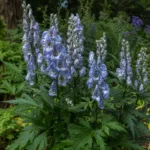 Monkshood (Aconitum ‘Stainless Steel’)Aconitum 'Stainless Steel'
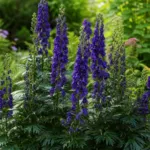 Monkshood (Aconitum ‘Bressingham Spire’)Aconitum 'Bressingham Spire'
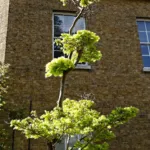 Golden full moon maple (Acer shirasawanum ‘Aureum’)Acer shirasawanum 'Aureum'
 Globosum (Acer platanoides ‘Globosum’)Acer platanoides 'Globosum'
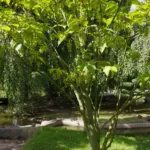 Striped maple (Acer pensylvanicum) care guideAcer pensylvanicum