
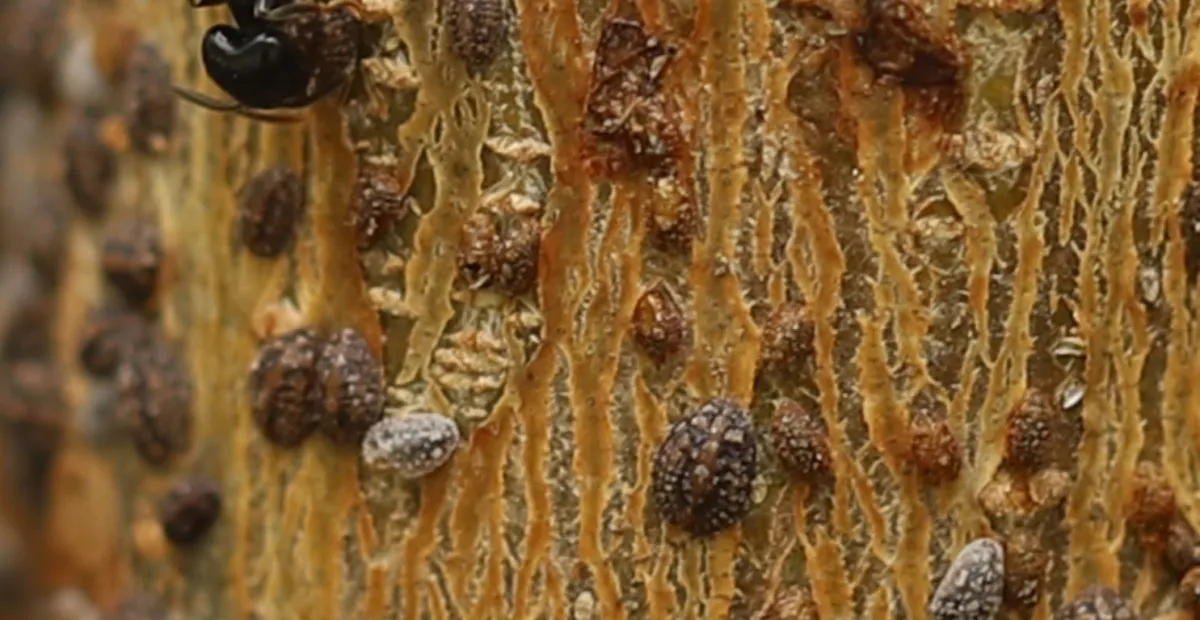
 Source:
 European Fruit Lecanium Scale
Parthenolecanium corniEuropean Fruit Lecanium Scale overview
European fruit lecanium scale, Parthenolecanium corni, is a soft-bodied sap-feeding insect found on many deciduous fruit trees, grapevines and woody ornamentals in the United States. Brown, dome-shaped females often cluster on twigs, while young crawlers feed on leaves. Heavy infestations produce honeydew, attract ants and encourage black sooty mold, but natural enemies often provide substantial control.
Typical conditions
Overview
European fruit lecanium scale, also called brown apricot scale, is a soft scale insect in the order Hemiptera. It occurs across much of the United States and has a broad documented host range that includes apple, stone fruit, pear, grape, walnut, alder, elm, poplar, maple and many woody ornamentals.
Females are usually most conspicuous during dormancy as shiny brown, nearly hemispherical bumps on twigs and small branches. Crawlers are smaller and lighter colored, with a brief mobile period before settling. Low populations are often tolerated, particularly when parasitoids and predators are present.
Species-level identification should be treated cautiously. Other lecanium and soft scale species may resemble it, and records under older names or broad host lists may combine closely related taxa.
Symptoms and identification
Look for shiny brown, oval to hemispherical females, often about 1/8 to 2/5 inch across, attached firmly to young twigs. Mature individuals may show shallow ridges across the back. Crawlers and young nymphs are pale yellow, orange or tan and may occur on leaf undersides, shoots and petioles.
- Sticky honeydew on leaves, fruit, branches, vehicles or patio surfaces below the plant.
- Black sooty mold developing on honeydew-coated foliage or fruit.
- Reduced shoot growth, yellowing, premature leaf stress or twig dieback when populations remain high for multiple seasons.
- Ant activity around scales, because ants harvest honeydew and may protect the insects from natural enemies.
Scale bumps alone do not prove that treatment is needed. Examine whether the insects are alive by gently lifting or pressing a scale; dead covers may remain attached after control has occurred.
Causes and spread
Spread occurs mainly when mobile crawlers move from the female to leaves, shoots and nearby plants. Infested nursery stock, cut branches and plant-to-plant contact can introduce the pest. Crawlers may also be moved short distances by wind, animals, workers or equipment.
Ants can increase infestation persistence by protecting honeydew-producing scales from natural enemies. Plant stress, dense canopies and excessive nitrogen may make damage more apparent, but they do not create the insect. Different soft scale species can look similar, so confirmation is important before attributing all brown bumps to P. corni.
Life cycle and persistence
In most United States settings, European fruit lecanium has one generation per year. Partly grown nymphs overwinter on twigs and small branches. They resume development in spring and mature into rounded females.
Females commonly reproduce without mating. In spring, each female lays many eggs beneath her body. Depending on region and weather, crawlers emerge from approximately May through July. They disperse to leaves, shoots and petioles, where they feed through summer. In fall, nymphs molt and move back to woody tissue for overwintering.
Timing varies with climate and host. In some grape-growing areas, a partial or second generation has been reported, so local monitoring is more reliable than a calendar date alone.
Treatment and control
First determine whether scales are alive and whether their abundance is causing meaningful injury. If only a few branches are affected, pruning is usually the least disruptive treatment.
For established infestations, the most effective timing is generally when dormant or delayed-dormant females and eggs are present, or when crawlers are active and exposed on foliage. Horticultural oil can suppress overwintering stages when applied with complete coverage and under label-approved weather and plant conditions. On sensitive crops, including some stone fruits and walnuts, follow crop-specific Extension guidance and label restrictions carefully.
Foliage-season treatments should be based on crawler monitoring rather than a fixed calendar date. Avoid spraying open flowers or periods of high heat, drought stress or freezing temperatures. Reassess several weeks after treatment because dead scales may remain attached and natural enemies may complete control.
Low-impact and biological control
Use an integrated, low-disruption approach rather than routine spraying.
- On small plants, prune out heavily infested twigs and dispose of them. Avoid severe pruning that weakens the host.
- Gently remove accessible scales from dormant branches with a soft brush or by hand, taking care not to injure bark.
- Control ants when they are actively tending scales, using methods appropriate for the site and avoiding contamination of flowers or edible plant parts.
- Conserve parasitoid wasps, lady beetles, lacewings and predatory bugs by avoiding unnecessary broad-spectrum insecticides and reducing dust.
- Horticultural oils and insecticidal soaps may be useful against exposed crawlers when the product label permits use on the crop or ornamental. Thorough coverage is essential, and plant sensitivity, heat and drought stress must be considered.
Organic certification or “natural” status does not remove the need to follow the product label. Test any oil or soap treatment on a small portion of the plant first when sensitivity is uncertain.
Prevention
- Inspect new trees, vines and shrubs—especially twigs and branch junctions—before planting or placing them near established hosts.
- During winter, inspect one- to three-year-old wood for brown female scales and remove localized infestations.
- Beginning in spring, monitor for crawlers with double-sided sticky tape wrapped around selected twigs, checking frequently.
- Maintain adequate irrigation, moderate fertilization and open canopy structure to reduce plant stress and improve spray coverage when treatment is justified.
- Manage ants and avoid routine residual broad-spectrum insecticides that can trigger secondary scale outbreaks by destroying natural enemies.
- Remove severely infested prunings from the garden and clean tools between plants when moving through a known infestation.
Interesting facts
- The insect is a soft scale: its rounded body is the protective covering, unlike an armored scale cover that can be separated from the insect.
- Honeydew is a sugary waste product of phloem feeding and is often the first sign noticed by gardeners.
- Ants may tend these scales, harvesting honeydew and interfering with parasitoids and predators.
- Common natural enemies include lady beetles, lacewings, predatory bugs and tiny parasitoid wasps such as Coccophagus, Encarsia, Metaphycus and Aphytis species.
- Large host lists should be interpreted carefully because scale identification and historical taxonomy are not always consistent.
Use pesticides only when monitoring and plant injury justify treatment, and only products currently legally authorized and labeled for European fruit lecanium scale on the specific crop or ornamental in the United States. Follow the current label exactly, including crop site, rate, timing, personal protective equipment, reentry interval and preharvest interval. Product registrations and labels change; local Extension or state pesticide authorities can confirm current options. Avoid broad-spectrum applications that disrupt parasitoids and predators.
Affected plants
The plants below are linked to this problem by structured host-plant data. The list updates automatically as new plant profiles are added.
 Field maple (Acer campestre) care guideAcer campestre
 Paperbark Maple (Acer griseum) care guideAcer griseum
 Downy Japanese Maple (Acer japonicum) care guideAcer japonicum
 Boxelder (Acer negundo) care guideAcer negundo
 Acer palmatum care guideAcer palmatum
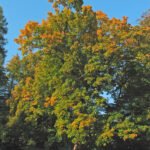 He Norway maple (Acer platanoides) care guideAcer platanoides
 Sycamore maple (Acer pseudoplatanus) care guideAcer pseudoplatanus
 Red maple (Acer rubrum) care guideAcer rubrum
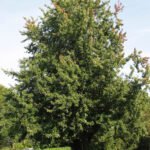 Silver maple (Acer saccharinum) care guideAcer saccharinum
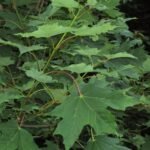 Sugar maple (Acer saccharum) care guideAcer saccharum
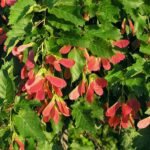 Tatar Maple (Acer tataricum) care guideAcer tataricum
 Amur Maple (Acer tataricum ginnala) care guideAcer tataricum ginnala