
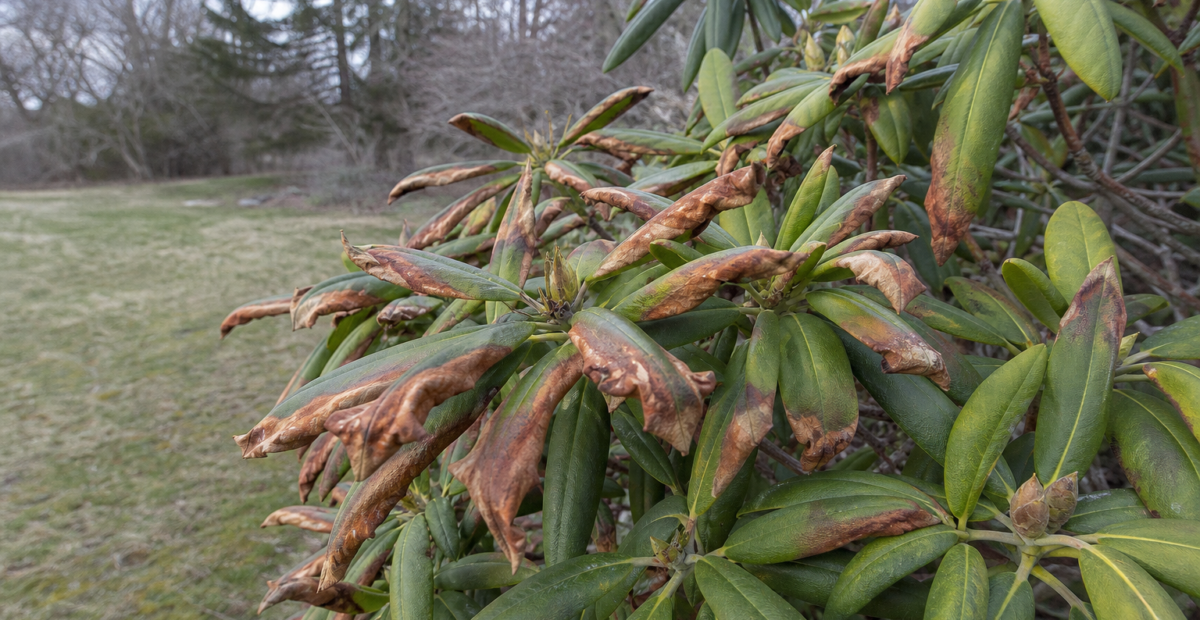
Wind scorch
Wind scorch overview
Wind scorch is a noninfectious environmental disorder caused by excessive water loss from leaves, needles, or young shoots during windy weather. It is especially common on evergreen shrubs and trees when cold, frozen, dry, or waterlogged soil prevents roots from replacing moisture lost from foliage. Hot, dry summer winds can produce similar browning and crisping.
Typical conditions
Overview
Wind scorch develops when transpiration exceeds the plant’s ability to replace lost water. Evergreen leaves and needles may continue losing moisture during winter, even when roots cannot absorb water from frozen soil. The same imbalance can occur during hot, dry, windy weather.
In U.S. gardens, the disorder is commonly noticed on broadleaf evergreens such as boxwood, holly, rhododendron, azalea, and mountain laurel, and on needled or scale-leaved evergreens such as arborvitae, juniper, spruce, pine, fir, yew, and hemlock. Container plants and recently transplanted specimens are particularly vulnerable.
Wind scorch is diagnosed by symptom pattern and recent weather history. Brown tissue concentrated on the windward or sun-exposed side supports an environmental cause, but similar browning may result from drought, salt injury, root damage, cold injury, herbicide drift, insects, or disease.
Symptoms and identification
- Brown, tan, gray, or bleached leaf margins and tips.
- Dry, crisp, curled, or entirely brown leaves on broadleaf evergreens.
- Brown or reddish-brown needles, scales, or shoot tips on conifers and arborvitae.
- Symptoms strongest on the windward, south, or southwest side of the plant, or on foliage above the snow line.
- Wilting, premature leaf drop, twig dieback, or branch death after severe exposure.
- Leaves may remain attached even though the affected tissue is dead.
Healthy inner foliage and unaffected sheltered portions help distinguish wind scorch from problems that spread uniformly through the canopy. Check stems, roots, and the soil before removing a plant.
Causes and spread
Wind scorch is caused by rapid evaporative water loss from foliage. Cold winds, winter sun, low humidity, drought, and hot drying winds increase the loss. Roots may be unable to replace it when soil is frozen, excessively dry, saturated with water, compacted, or damaged. Freeze-thaw cycles can intensify injury.
The disorder does not spread from plant to plant and has no infectious agent. However, the same weather event can damage many exposed plants at once. Plants with large leaves, thin foliage, shallow or damaged roots, recent transplanting, inadequate hardening, or poor winter placement are more susceptible.
Life cycle and persistence
Wind scorch follows a repeating environmental sequence rather than a biological life cycle:
- Wind and sun increase moisture loss from leaves, needles, and young shoots.
- Dry, frozen, waterlogged, or root-compromised soil limits water replacement.
- Leaf margins, tips, and exposed tissues desiccate first and turn brown or gray.
- Damage becomes easier to see as weather warms or foliage resumes growth.
- Broadleaf evergreens may produce replacement growth in spring; badly injured conifer shoots often do not regrow from the damaged portion.
New injury can recur in later windy periods if the plant remains exposed or enters winter with inadequate root-zone moisture.
Treatment and control
There is no curative spray for wind scorch. First correct the water imbalance and reduce further exposure. During active growth, water slowly and deeply at the root zone when the soil is dry several inches below the surface; avoid frequent shallow watering and avoid wetting foliage during windy conditions.
Wait until spring growth begins before judging the full extent of winter damage. Lightly scratch small twigs to check for living green tissue beneath the bark. Prune dead or broken branches back to healthy wood with clean tools. Broadleaf evergreens can generally be trimmed after new growth shows. Do not shear conifers into leafless brown wood because many will not produce new growth there.
Do not apply fertilizer to severely stressed plants unless a soil test or a qualified diagnosis indicates a need. Remove only dead tissue, continue appropriate irrigation and mulch maintenance, and monitor for secondary pests or diseases entering damaged tissue.
Low-impact and biological control
- Use compost-based soil improvement only where needed and compatible with the plant; avoid piling organic material against stems.
- Maintain a 3–4 inch layer of bark, wood-chip, or other suitable organic mulch to conserve root-zone moisture and moderate soil temperature.
- Install porous burlap or woven wind screens before severe weather, leaving adequate ventilation and removing or adjusting them in spring.
- Use natural wind protection from properly placed deciduous hedges, shrubs, or mixed windbreak plantings rather than dense solid barriers that may create turbulence.
- Relocate potted evergreens to a sheltered site and group containers to reduce exposure.
- Support recovery with correct watering, drainage, root protection, and pruning hygiene; biological pesticides are not relevant because wind scorch is not caused by a pest or pathogen.
Prevention
- Select species and cultivars adapted to the site’s USDA hardiness zone and local exposure; avoid placing tender evergreens in wind tunnels, on exposed corners, or beside reflective heat sources.
- Water deeply during prolonged autumn or summer dry periods. Before the ground freezes, thoroughly moisten the root zone of young or recently planted evergreens, but do not keep poorly drained soil saturated.
- Apply about 3–4 inches of organic mulch over the root zone, keeping mulch away from trunks and root flares.
- Use porous wind protection such as burlap, horticultural fabric, or a well-designed shrub or tree windbreak. A filter that reduces wind without creating turbulence is preferable to a completely solid barrier.
- Protect containers by moving them to a sheltered location and insulating the pot; protect small plants with securely anchored breathable covers when appropriate.
- Avoid late-summer pruning and excessive late-season nitrogen fertilization that can encourage tender growth before winter.
- Maintain good soil structure and drainage, and inspect plants after storms for broken branches, exposed roots, and additional stress.
Interesting facts
- Wind scorch is often called winter burn or winter desiccation when frozen soil and cold wind are involved.
- Evergreen plants remain vulnerable because their foliage can lose water even while the root zone is frozen.
- Rhododendrons may curl their leaves during cold conditions, reducing exposed surface area and moisture loss; this can be a protective response rather than disease.
- Large-leaved evergreens and container plants generally lose water more rapidly than small-leaved, well-established plants.
- Snow can protect foliage and insulate roots; where snow cover is unreliable, organic mulch can provide some of the same root-zone protection.
No pesticide is normally warranted because wind scorch is an environmental disorder. Do not use fungicides, insecticides, antitranspirants, or other products as a substitute for diagnosis. If a separate pest, disease, or herbicide injury is confirmed, use only products legally authorized for the specific crop and problem in the United States and follow the current product label, including all site, rate, timing, and personal-protection requirements.
Affected plants
The plants below are linked to this problem by structured host-plant data. The list updates automatically as new plant profiles are added.
 Common juniper (Juniperus communis) care guideJuniperus communis
 Creeping juniper (Juniperus horizontalis) care guideJuniperus horizontalis
 Compressa (Juniperus communis ‘Compressa’)Juniperus communis 'Compressa'
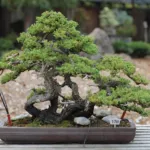 Dwarf Japanese garden juniper (Juniperus procumbens ‘Nana’)Juniperus procumbens 'Nana'
 Savin juniper (Juniperus sabina) care guideJuniperus sabina
 Rocky Mountain Juniper (Juniperus scopulorum) care guideJuniperus scopulorum
 Flaky juniper (Juniperus squamata) care guideJuniperus squamata
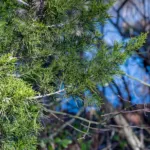 Eastern redcedar (Juniperus virginiana) care guideJuniperus virginiana
 Juniperus × media ‘Gold Star’Juniperus × media 'Gold Star'
 Juniperus × media ‘Old Gold’Juniperus × media 'Old Gold'
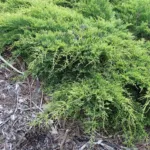 Pfitzer’s juniper (Juniperus pfitzeriana) care guideJuniperus pfitzeriana
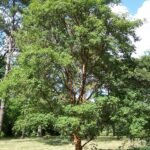 Paperbark Maple (Acer griseum) care guideAcer griseum