
 Source:
 Flaky juniper (Juniperus squamata) short overview
Flaky juniper is an evergreen conifer from high-elevation regions of the Himalayas and western China. Its highly variable habit ranges from prostrate and spreading to upright, while blue-green, awl-shaped foliage gives many cultivated forms a cool architectural presence. Grow it in full sun or light partial shade, in sharply drained soil, and avoid hot, humid sites or persistently wet ground. Dark, berry-like seed cones develop on mature plants, usually after wind pollination.
Taxonomic classification
Flaky juniper (Juniperus squamata) care guide
Light and placement
Give full sun for the densest habit and strongest blue foliage, ideally in an open south-, east-, or west-facing position with good air movement. Light partial shade is tolerated, especially in cooler climates, but deep shade can produce sparse growth and weaker color. Excessive heat, reflected light, and humid stagnant conditions may cause browning or decline.
Watering and humidity
Water deeply and thoroughly when the upper few inches of soil begin to dry during the first growing season. Once established, allow the soil to dry moderately between waterings and irrigate mainly during prolonged drought. Reduce watering in cool weather and never leave the root zone saturated; excess moisture is more damaging than brief dryness.
Soil and growing medium
Use a sharply drained soil or gritty mineral mix containing sand, loam, gravel, or crushed stone. The species tolerates acidic, neutral, and alkaline conditions, including calcareous soils, but suffers in compacted or waterlogged ground. Good drainage is more important than a narrowly controlled pH.
Feeding
Usually needs little fertilizer once established. In poor soil, apply a light, slow-release balanced fertilizer in early spring, or top-dress with a thin layer of compost kept away from the stem. Do not heavily feed late in the season, and avoid stimulating lush growth in hot, humid conditions.
Growth and habit
Habit is variable: plants may be prostrate, broadly spreading, upright, or irregularly conical. Growth is generally slow to moderate, and established specimens need little shaping. Avoid relocating older plants because junipers develop a root system that becomes difficult to transplant successfully.
Planting and repotting
Plant in spring or early fall while soil moisture is dependable. Set the root flare level with the surrounding soil and never bury the lower stems. Space according to the selected form; species plants may spread widely, while compact cultivars need much less room. Water deeply during the first growing season, then reduce irrigation as roots establish.
Repot container plants in spring before strong new growth, moving them only one container size larger. Preserve the root ball and avoid burying the crown. Because mature junipers transplant poorly, choose the final location carefully and minimize root disturbance.
Propagation and pruning
Propagation
Semi-hardwood cuttings are the usual practical method, generally taken in late summer through winter and rooted in a porous medium with high humidity but no standing water. Seed propagation is possible but slow and may require extended warm and cold stratification. Some difficult selections are grafted.
Pruning
Little routine pruning is needed. Remove dead, damaged, or crossing branches in late winter or early spring. Cut back only into foliage that still carries green growth, because old bare wood may not readily resprout. Do not shear species plants heavily unless maintaining a selected formal cultivar.
Overwintering
Plants established in the ground generally need no winter protection in suitable USDA Zones 4–8. Protect young plants from drying winter winds with temporary wind protection and water the root zone before the ground freezes if autumn is dry. Container plants are more vulnerable because roots experience colder temperatures; use a sheltered location or insulate the container.
Uses
Used as an evergreen specimen, foundation or border plant, rock-garden subject, slope plant, groundcover, and container conifer, especially through compact cultivars such as ‘Blue Star’ and ‘Blue Carpet’. It is valued for blue-green foliage and year-round structure. Do not use the foliage or cones as food.
Appearance
Leaves are stiff, pointed, awl-shaped, and arranged in whorls of three, often showing a conspicuous pale stomatal band on the inner surface. Branches may ascend, spread horizontally, or lie close to the ground. Older plants can develop reddish-brown bark that peels or flakes in thin strips. Mature female cones are glossy black or bluish black and berry-like.
Pollination and visitors
Pollination is primarily by wind rather than animal visitors. Male plants release airborne pollen that can reach female cones; animal pollinator attraction is therefore rated none.
Juniperus squamata photos
Click any photo for a larger view. Source, author and license are shown separately.
Diseases and pests
Diseases
Watch for Phytophthora and other root rots in wet soil, canker, honey fungus, and brown or dying foliage associated with poor drainage or stress. Prevent problems with full sun, good air movement, clean planting stock, and sharply drained soil. Remove badly affected material and avoid excessive irrigation.
Pests
Possible pests include juniper scale, aphids, bagworms, spider mites, and caterpillars. Inspect dense foliage periodically, especially during drought or hot weather. Improve plant vigor through correct siting and irrigation; use targeted horticultural oil or another labeled treatment only when monitoring confirms a damaging infestation.
Related diseases and pests
Only Plant Doctor profiles whose host data indicate this plant may be affected are shown here.
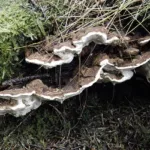 DiseaseHeterobasidion root diseaseHeterobasidion annosum
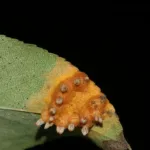 DiseasePear trellis rustGymnosporangium sabinae
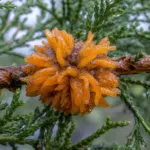 DiseaseCedar-Apple RustGymnosporangium juniperi-virginianae Schwein.
 PestBrown Garden SnailCornu aspersum (Müller, 1774)
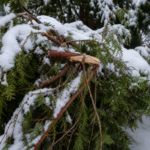 Environmental stressSnow Load Damage
 Environmental stressWind scorch
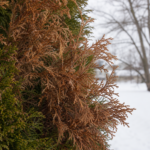 Environmental stressWinter desiccation (winter burn)
 Environmental stressRoot Anoxia
Toxicity and pollen
Junipers are not edible garden berries for people or pets. Horticultural references identify this species as potentially harmful if eaten and capable of causing skin irritation or sensitization. Avoid ingesting foliage or seed cones, wear gloves when handling, and seek medical or veterinary advice after substantial exposure.
- Typical season
- Late winter through spring, depending on local climate
- Pollination / pollen
- Light, wind-dispersed conifer pollen
As a conifer, this plant releases airborne pollen from male cones even though it has no true flowers. Juniper pollen can contribute to seasonal respiratory allergy exposure in susceptible people, especially when male plants are abundant and weather is dry and windy. Local pollen calendars vary.
Native habitat
Native populations occur from northeastern Afghanistan through the Himalayas and western China, commonly at high elevations from roughly 5,200 to 14,800 feet. It is associated with cool mountain climates, exposed slopes, rocky or well-drained soils, and relatively dry conditions. Heat and persistent humidity can reduce garden performance.
Interesting fact
The species is highly variable, ranging from prostrate shrubs to small trees. Its foliage is juvenile-type and awl-shaped rather than the soft scale foliage seen in some other junipers. The fleshy black or bluish-black seed cones usually contain one seed and take about 18 months to mature. Many familiar garden plants are compact cultivars rather than typical wild-form specimens.
Frequently asked questions (FAQ)
The most relevant questions about this plant, with short and direct answers.
🌱Quick care
How do you care for flaky juniper, Juniperus squamata?⌄
Grow flaky juniper in full sun, well-drained soil, and water moderately until established. Once established, it is drought tolerant and usually needs little maintenance.
Is flaky juniper evergreen?⌄
Yes, flaky juniper is an evergreen conifer that keeps its blue-green to gray-green foliage year-round. Its foliage may show seasonal color changes depending on the cultivar and climate.
How fast does flaky juniper grow?⌄
Flaky juniper is generally slow growing, although mature size and growth rate vary substantially among cultivars. Allow several years for a young plant to develop its full landscape form.
🌤️Environment and placement
How much sun does flaky juniper need?⌄
Flaky juniper grows best in full sun, meaning at least 6 hours of direct sunlight daily. It tolerates light partial shade, but insufficient light can produce thinner, less compact growth.
What USDA hardiness zones are suitable for flaky juniper?⌄
Many flaky juniper cultivars are cold hardy in approximately USDA Zones 4 through 8, but the exact range depends on the cultivar. Check the plant label because some selections are less tolerant of heat or cold.
Can flaky juniper tolerate drought?⌄
Yes, established flaky juniper generally tolerates drought and dry soil. Water it during prolonged heat or drought, especially if it was planted recently or is growing in a container.
Can flaky juniper grow in clay soil?⌄
Yes, flaky juniper can grow in clay soil if drainage is improved. Avoid planting it where water remains saturated because persistently wet soil can cause root problems.
What type of soil is best for flaky juniper?⌄
The best soil for flaky juniper is well-drained sandy, loamy, rocky, or clay soil. It can tolerate acidic, neutral, alkaline, and calcareous conditions as long as excess water drains away.
Can flaky juniper grow in partial shade?⌄
Flaky juniper tolerates light partial shade but performs best in full sun. Dense shade may reduce foliage color and create a looser, less vigorous plant.
Is flaky juniper suitable for rock gardens?⌄
Yes, flaky juniper is well suited to rock gardens, gravel gardens, slopes, and other sharply drained sites. Its low-growing habit and blue-toned foliage make it useful as an accent or ground cover.
💧Care and problems
How often should you water flaky juniper?⌄
Water flaky juniper deeply when the soil has begun to dry, then allow excess water to drain. Young plants need regular watering during establishment, while established plants usually need supplemental water only during extended drought.
Why is my flaky juniper turning brown?⌄
Brown patches can result from drought stress, waterlogged roots, fungal disease, scale insects, or natural dieback inside dense growth. Inspect the stems and foliage, check soil drainage, and avoid frequent shallow watering.
What pests affect flaky juniper?⌄
Flaky juniper may be affected by juniper scale, aphids, caterpillars, bagworms, twig borers, webworms, or other minor pests. Heavy infestations are more likely when the plant is stressed or growing in poor conditions.
What diseases affect flaky juniper?⌄
Possible diseases include twig blight, root rot, rust diseases, canker, Phytophthora, and honey fungus. Good drainage, adequate sunlight, and removal of affected tissue can help reduce problems.
Does flaky juniper need fertilizer?⌄
Flaky juniper usually does not need regular fertilizer when planted in reasonably fertile soil. Test the soil before feeding, because excessive fertilizer can encourage weak growth or damage roots.
How do you prune flaky juniper?⌄
Flaky juniper generally needs little or no pruning. If shaping is necessary, remove selected branches or shorten green shoots lightly, but avoid cutting far back into old bare wood because junipers may not regrow there.
🪴Planting and repotting
When is the best time to plant flaky juniper?⌄
Plant flaky juniper in spring or fall when temperatures are moderate and soil moisture is manageable. Avoid planting during frozen ground, extreme summer heat, or periods of waterlogged soil.
How far apart should flaky juniper be planted?⌄
Spacing depends on the cultivar's mature width and whether you want individual specimens or a continuous planting. Use the mature spread on the plant label, and allow additional room where airflow is important.
Can flaky juniper be grown in a container?⌄
Yes, compact flaky juniper cultivars can grow in containers with drainage holes and a sharply draining potting mix. Choose a container only slightly larger than the root ball and protect the roots from extreme winter cold.
How do you transplant flaky juniper?⌄
Transplant flaky juniper with as much of the root ball intact as possible, preferably in cool weather. Replant it at the original soil depth, water thoroughly, and keep the root zone evenly moist while it re-establishes.
Is flaky juniper good for erosion control?⌄
Low or spreading forms of flaky juniper can help stabilize slopes and reduce surface erosion. They work best in well-drained sites and should not be used where the soil stays saturated.
✂️Propagation and pruning
How do you propagate flaky juniper?⌄
Flaky juniper is commonly propagated from semi-hardwood cuttings. Seed propagation is possible but slower, and seedlings may not reproduce the exact form or foliage color of a named cultivar.
Can flaky juniper be grown from cuttings?⌄
Yes, semi-hardwood cuttings can be used to propagate flaky juniper. Rooting success varies with timing, cultivar, moisture, and propagation conditions, so several cuttings may be needed.
Can you grow flaky juniper from berries?⌄
The blue or black berry-like structures are seed cones rather than true berries. Seeds can be difficult and slow to germinate, and plants grown from seed may differ from the parent plant.
⚠️Toxicity and safety
Is flaky juniper toxic to dogs, cats, or people?⌄
Flaky juniper should be considered potentially harmful if eaten, and its foliage or sap may irritate sensitive skin. Keep children and pets from chewing the plant, and wear gloves when handling or pruning it.
Can you eat flaky juniper berries?⌄
Do not eat the berry-like cones of flaky juniper unless a qualified expert has specifically confirmed their identity and safe use. Juniper species and plant parts vary, and ornamental plants may be confused with unsuitable or harmful species.
Can flaky juniper cause a skin rash?⌄
Yes, handling flaky juniper may irritate the skin or cause a reaction in sensitive people. Wear gloves and long sleeves, and wash exposed skin after pruning or extensive contact.
🌸Flowering and special interest
Does flaky juniper produce flowers?⌄
No, flaky juniper does not produce showy flowers because it is a conifer. It produces pollen cones and berry-like seed cones instead.
Does flaky juniper produce berries?⌄
Flaky juniper produces glossy blue to black, berry-like seed cones rather than botanical berries. These cones typically contain a single seed and may develop over an extended period.
Are flaky juniper cones attractive to wildlife?⌄
The berry-like cones may provide food for some birds and wildlife, although their value varies by location and availability. They should not be assumed to be safe for people or pets to eat.
Similar plants
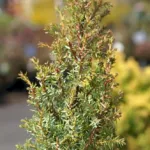 Compressa (Juniperus communis ‘Compressa’)Juniperus communis 'Compressa'
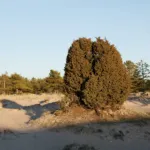 Common juniper (Juniperus communis) care guideJuniperus communis
 Savin juniper (Juniperus sabina) care guideJuniperus sabina
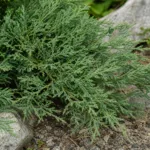 Creeping juniper (Juniperus horizontalis) care guideJuniperus horizontalis
 Rocky Mountain Juniper (Juniperus scopulorum) care guideJuniperus scopulorum
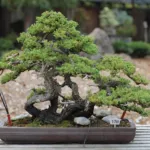 Dwarf Japanese garden juniper (Juniperus procumbens ‘Nana’)Juniperus procumbens 'Nana'