
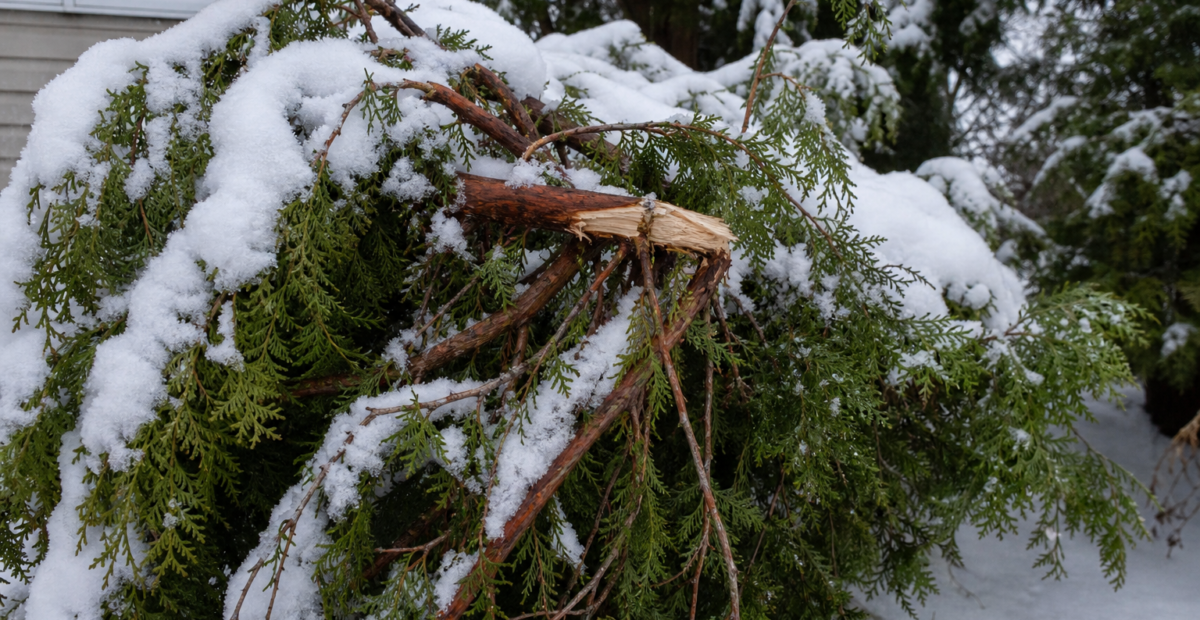
Snow Load Damage
Snow Load Damage overview
Snow load damage is a noninfectious winter disorder caused when wet snow, ice, or drifting snow exceeds the strength of branches, stems, crowns, or roots. Typical results include bent or splayed shrubs, split branch unions, broken limbs, uprooted trees, and delayed dieback. Risk varies with plant structure, snow moisture, wind, decay, soil saturation, and previous pruning or storm injury.
Typical conditions
Overview
Snow load damage occurs when accumulated snow or ice places more force on a plant than its branches, stems, crown, or root system can safely withstand. Wet snow is especially hazardous because it is substantially heavier than light, dry snow. Snow at the base of a plant is generally beneficial because it insulates roots; the damaging load is usually the accumulation on above-ground structure.
In home landscapes, upright arborvitae and junipers, multi-stemmed birches, young trees, shrubs with dense foliage, trees with narrow branch unions, and plants with multiple leaders are commonly vulnerable. Damage may be immediate or may appear later as drying, dieback, or decline around torn and split wood.
Symptoms and identification
- Branches bent downward, splayed outward, or permanently deformed after snow melts.
- Broken limbs, split branch unions, cracked stems, hanging branches, and loss of the crown or leader.
- Young trees or shrubs pressed toward the ground, leaning, partially uprooted, or showing exposed roots.
- Evergreen foliage may be flattened, torn, or browned where branches have broken or remain compressed.
- Delayed symptoms include wilting, dieback, drying beyond a tear, and secondary insect or decay activity in wounded wood.
Distinguish snow-load injury from winter desiccation, salt injury, browsing, or a pathogen by looking for mechanical bending, cracks, torn wood, and a clear relationship to the storm or snow pile.
Causes and spread
The immediate cause is excessive mechanical loading from snow or ice. Wet, near-freezing snow adheres to foliage and branches and is heavier than dry powder. Wind can add leverage and concentrate snow on one side of a crown. Snow pushed by plows or deposited when it slides from roofs can compact against shrubs and cause localized breakage.
Structural weaknesses increase risk: multiple leaders, narrow crotches, included bark, long overextended limbs, dense evergreen foliage, decay, cankers, previous wounds, saturated soils, and recent canopy or stand thinning. The damage itself does not spread biologically, although secondary decay and insect colonization can develop in injured wood.
Life cycle and persistence
This disorder has no biological lifecycle. Injury develops during or shortly after a snow or ice event as load accumulates and mechanical stress exceeds the strength of plant tissues or root anchorage. Repeated storms can progressively bend young stems or enlarge existing cracks. Damaged wood may later be colonized by decay fungi or attract insects, but those are secondary processes rather than the cause of snow load damage.
Treatment and control
- Wait until the storm has passed and assess hazards from hanging limbs, leaning trees, split trunks, exposed roots, and utility contact. Keep people away from unstable trees and call the utility company or a qualified arborist when necessary.
- Do not climb an unstable tree, use a chainsaw near electrical conductors, or stand beneath damaged limbs.
- For small, accessible branches, prune broken wood back to a sound lateral branch or the branch collar, preserving the natural branch structure and avoiding stubs.
- Do not attempt to straighten large trees or reattach major splits without professional assessment. Young flexible plants may sometimes be gently repositioned and staked, but ties must be checked and removed as recovery occurs.
- Leave minor bends that may recover naturally if no safety risk exists. Reassess after bud break because some damage and dieback become visible only during spring growth.
- Monitor wounds for progressive dieback, decay, boring insects, or disease. Remove severely damaged plants when recovery is unlikely or when structural failure remains a hazard.
Low-impact and biological control
- Before storms, loosely tie susceptible upright shrubs such as arborvitae or junipers with soft cloth, wide ties, or suitable non-girdling material; remove supports in spring.
- For small shrubs, gently brush heavy snow upward with a broom, working from below and avoiding forceful shaking. Leave ice in place when removal would require striking or bending branches.
- Keep a 3–4 inch mulch layer over the root zone, without piling mulch against trunks or covering the root flare.
- Use burlap, straw, or a simple cage structure to shield small, valuable plants from drifting snow or roof avalanches; ensure the covering does not crush the plant.
- After damage, remove only clearly broken, dangling, or hazardous wood using clean, proper pruning cuts. Do not apply wound paint.
Prevention
- Select species and cultivars suited to the site’s expected winter conditions and mature size.
- Train young trees to a strong structure with a dominant leader where appropriate, and correct competing leaders and weak attachments before they become large.
- Prune preventively over time to remove dead, damaged, crossing, or structurally weak branches; avoid topping and excessive heading cuts.
- Wrap or tie small, upright multi-stem shrubs before forecast snow, using broad, flexible ties that allow movement and do not girdle stems.
- Keep shrubs away from roof drip lines and locations where plows or snow blowers routinely pile compacted snow.
- Inspect large trees periodically and hire a qualified arborist for high branches, major defects, trees near buildings, or limbs near utility lines.
- Maintain plant vigor with appropriate watering during drought and correct site management, but do not apply fertilizer solely as a storm-damage treatment.
Interesting facts
- Snow itself can protect roots by insulating the soil, while the same snow can mechanically damage the crown when it accumulates on branches.
- Ice can greatly increase the weight carried by branches, making freezing-rain events especially destructive.
- Plants with multiple leaders, weak branch attachments, or poor structure are more vulnerable than well-formed plants.
- Storm damage can reduce the leafy canopy and therefore reduce the plant’s photosynthetic capacity in the following growing season.
- Shaking a snow- or ice-loaded tree can create additional breakage; any removal should be cautious and limited to situations where it can be done safely.
No pesticide controls snow load damage. Use cultural and structural measures first. If secondary pests or diseases develop in damaged tissue, use only products legally authorized for the specific crop, site, and problem in the United States, and follow the current product label exactly.
Affected plants
The plants below are linked to this problem by structured host-plant data. The list updates automatically as new plant profiles are added.
 Sweet birch (Betula lenta) care guideBetula lenta
 Black Birch (Betula nigra) care guideBetula nigra
 Paper birch (Betula papyrifera) care guideBetula papyrifera
 Silver birch (Betula pendula) care guideBetula pendula
 Cutleaf European White Birch (Betula pendula ‘Laciniata’)Betula pendula 'Laciniata'
 Tristis (Betula pendula ‘Tristis’)Betula pendula 'Tristis'
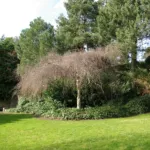 Youngii (Betula pendula ‘Youngii’)Betula pendula 'Youngii'
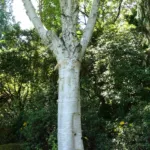 Jacquemontii (Betula utilis ‘Jacquemontii’)Betula utilis 'Jacquemontii'
 Common juniper (Juniperus communis) care guideJuniperus communis
 Creeping juniper (Juniperus horizontalis) care guideJuniperus horizontalis
 Compressa (Juniperus communis ‘Compressa’)Juniperus communis 'Compressa'
 Dwarf Japanese garden juniper (Juniperus procumbens ‘Nana’)Juniperus procumbens 'Nana'