
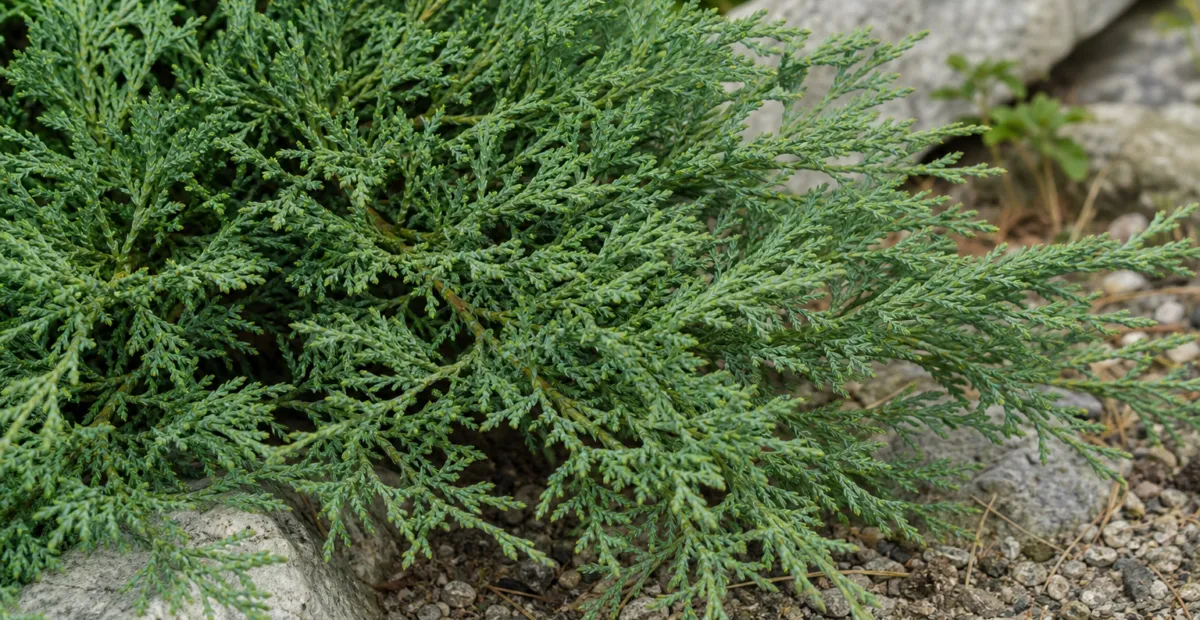
 AI-generated illustration
Creeping juniper (Juniperus horizontalis) short overview
Creeping juniper is a low, spreading evergreen shrub native to northern North America. Its blue-green to green foliage forms a durable groundcover that works well on sunny slopes, rocky banks, borders, and other sites where excellent drainage matters. Plants are typically under 2 feet tall but may spread 5–10 feet or more, depending on the cultivar and growing conditions. A low-growing, spreading evergreen conifer native to northern North America, valued for blue-green foliage, erosion control, and durable groundcover performance in sunny, well-drained sites.
Taxonomic classification
Creeping juniper (Juniperus horizontalis) care guide
Light and placement
Plant in an open site with at least 6 hours of direct sun, preferably with southern or western exposure and good air movement. Full sun keeps the foliage dense and the habit compact. Too little light can produce open, weak growth and poorer color; excessive reflected heat is usually tolerated if roots are not kept dry for prolonged periods during establishment.
Watering and humidity
Water deeply at planting and whenever the upper few inches of soil become dry during the first growing season. After establishment, water mainly during prolonged drought, allowing the soil to dry between thorough soakings. Avoid frequent shallow irrigation and standing water, which can encourage root problems. Humidity is not normally a limiting factor outdoors.
Soil and growing medium
Use a porous soil that drains quickly after rain. Sandy, gravelly, shallow-rocky, or loamy ground is suitable, and clay can work if drainage is improved with site preparation and careful grading. Avoid saturated low spots. The species tolerates a broad pH range, from moderately acidic through alkaline, so routine pH correction is usually unnecessary unless a soil test identifies a specific problem.
Feeding
Creeping juniper generally needs little fertilizer once established. In poor soil, apply a thin layer of compost or a light, slow-release balanced fertilizer in early spring, following the product label. Do not heavily fertilize late in the season or push lush growth with high-nitrogen products; excessive feeding can make plants less compact and may increase disease-prone, tender growth.
Growth and habit
The species develops long, prostrate branches that root or rest across the soil surface and gradually form a dense mat. Cultivars differ substantially in height, spread, foliage color, and vigor. Its moderate growth rate and durable evergreen cover make it useful for stabilizing exposed ground, but it should be given enough room to spread rather than repeatedly sheared.
Planting and repotting
Set plants in well-drained soil with the root flare or crown level with the surrounding grade. Water thoroughly after planting and maintain even moisture during the establishment period. Space according to the mature spread of the selected cultivar; overcrowding reduces airflow and can increase disease pressure. Mulch lightly, keeping mulch away from stems.
For container culture, use a large pot with drainage holes and a porous, sharply draining mix. Repot in early spring before strong growth begins, moving up only one container size. Handle the root ball carefully, replant at the original depth, and water thoroughly. Containers expose roots to greater temperature extremes than garden soil, so winter protection may be needed.
Propagation and pruning
Propagation
Propagation is commonly done by semi-ripe cuttings, usually taken in late summer or early fall and rooted under controlled conditions. Layering can work where a low branch contacts soil. Seed propagation is possible but slow and unreliable because seed production and germination may be poor and dormancy can be substantial.
Pruning
Prune only to remove dead, damaged, or crossing branches and to correct an occasional overreach. Avoid cutting deeply into old, leafless wood because junipers often do not regenerate well from bare interior branches. Do not routinely shear creeping forms; select a cultivar with the desired mature spread instead.
Overwintering
Established plants are highly cold hardy and usually need no winter protection in the ground. Water container plants before the soil freezes, then place containers in a sheltered location where roots are protected from repeated freeze-thaw cycles. Do not wrap foliage tightly or keep the plant indoors in warm, low-light conditions for the winter.
Uses
Use as an evergreen groundcover for sunny slopes, rock gardens, borders, low-maintenance beds, erosion-prone banks, and difficult dry sites. It can also be grown in large containers with excellent drainage. The blue, berry-like structures are seed cones, not culinary berries; do not treat this species as a food or medicinal plant without authoritative identification and guidance.
Appearance
This evergreen juniper has branches that extend horizontally and foliage that may be green, blue-green, or glaucous. Mature leaves are closely pressed, scale-like, and arranged in overlapping ranks; juvenile growth can have spreading awl-like needles. Female plants may carry small, blue, berry-like seed cones. Winter foliage can take on purple or bronze tones in colder climates.
Pollination and visitors
Pollination is by wind rather than by animal visitors. Male plants release airborne pollen from staminate cones, while female plants receive pollen and later develop berry-like seed cones. Wildlife may interact with mature cones and seeds, but this is separate from pollination.
Juniperus horizontalis photos
Click any photo for a larger view. Source, author and license are shown separately.
Diseases and pests
Diseases
Common problems include tip blights, root rots in poorly drained soil, and occasional rust diseases. Preventive care centers on full sun, good spacing, air circulation, and avoiding overhead irrigation. Remove affected twigs during dry weather and discard diseased debris. Improve drainage before using fungicides, and follow local labels if chemical treatment is necessary.
Pests
Watch for spider mites, scale insects, aphids, bagworms, and occasional caterpillar or sawfly damage. Inspect foliage and branch junctions regularly, especially during hot, dry weather. Reduce stress with deep but infrequent watering, preserve beneficial insects, and use targeted horticultural oils or labeled treatments only when monitoring shows a persistent problem.
Related diseases and pests
Only Plant Doctor profiles whose host data indicate this plant may be affected are shown here.
 DiseaseCedar-Apple RustGymnosporangium juniperi-virginianae Schwein.
 DiseaseHeterobasidion root diseaseHeterobasidion annosum
 DiseasePear trellis rustGymnosporangium sabinae
 PestBrown Garden SnailCornu aspersum (Müller, 1774)
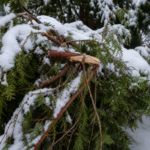 Environmental stressSnow Load Damage
 Environmental stressWind scorch
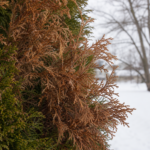 Environmental stressWinter desiccation (winter burn)
 Environmental stressRoot Anoxia
Toxicity and pollen
Reliable plant-safety references do not consistently provide a species-specific toxicity classification for Juniperus horizontalis. Juniper foliage and berry-like cones contain aromatic compounds, and concentrated ingestion may be irritating or harmful in some circumstances. Prevent children and pets from consuming plant material, and seek medical or veterinary advice after significant ingestion.
- Typical season
- Typically spring in the United States
- Pollination / pollen
- Abundant, airborne pollen released from male cones in spring
Male plants release wind-borne pollen in spring, and juniper pollen can travel through the air. Allergy intensity varies with local abundance, weather, plant sex, and individual sensitivity. Female-only plants do not release pollen, but a mixed planting may include pollen-producing males. This allergy information is separate from plant-ingestion toxicity.
Native habitat
In nature, creeping juniper occurs across northern North America in exposed, cold landscapes including rocky outcrops, open woods, sandy ground, shorelines, and dry upland sites. It tolerates nutrient-poor soils, winter exposure, drought after establishment, and some salt spray, but performs poorly where roots remain waterlogged.
Interesting fact
It is a dioecious species, so male and female cones are usually on separate plants. Its blue structures are fleshy seed cones rather than true berries. Juvenile and mature foliage can look noticeably different. Individual plants can persist for decades in exposed natural habitats.
Frequently asked questions (FAQ)
The most relevant questions about this plant, with short and direct answers.
🌱Quick care
What is the common name of Juniperus horizontalis?⌄
Juniperus horizontalis is commonly called creeping juniper in the United States. It is a low-growing evergreen shrub in the cypress family, Cupressaceae.
How big does creeping juniper get?⌄
Creeping juniper usually grows about 6 inches to 1.5 feet tall and spreads roughly 4 to 10 feet wide. Mature size varies substantially among cultivars.
Is creeping juniper evergreen?⌄
Yes, creeping juniper is a needled evergreen that provides year-round foliage. Some cultivars develop a purplish or bronze tint during winter.
🌤️Environment and placement
How much sun does creeping juniper need?⌄
Creeping juniper grows best in full sun, meaning at least 6 hours of direct sunlight daily. Too much shade can cause sparse growth and increase disease problems.
What USDA hardiness zones can grow creeping juniper?⌄
Creeping juniper is generally hardy in USDA Zones 3 through 9, although exact tolerance can vary by cultivar. Check the hardiness rating of the specific cultivar before planting.
What type of soil is best for creeping juniper?⌄
Use well-drained sandy, rocky, loamy, or amended clay soil for creeping juniper. It tolerates a range of soil types but performs poorly in persistently wet ground.
Can creeping juniper grow in clay soil?⌄
Yes, creeping juniper can grow in clay soil if drainage is improved. Amend compacted sites or plant on a raised slope so water does not remain around the roots.
Can creeping juniper grow in wet soil?⌄
No, creeping juniper is intolerant of poorly drained or consistently wet soil. Excess moisture can weaken the roots and increase the risk of fungal diseases.
Is creeping juniper a good ground cover for slopes?⌄
Yes, creeping juniper is an effective evergreen ground cover for sunny slopes, rock gardens, retaining walls, and erosion-prone areas. Its spreading stems can form a dense mat over time.
Is creeping juniper salt tolerant?⌄
Creeping juniper is fairly tolerant of salt spray and can perform well in some coastal settings. Avoid allowing concentrated deicing salt to accumulate in the root zone.
💧Care and problems
How often should I water creeping juniper?⌄
Water creeping juniper regularly during its first growing season, then reduce watering once it is established. Established plants usually need only low to moderate moisture, with extra water during prolonged drought.
Can creeping juniper tolerate drought?⌄
Yes, established creeping juniper is drought tolerant and well suited to water-efficient landscapes. Drought tolerance is strongest in full sun and well-drained soil.
Does creeping juniper need fertilizer?⌄
Creeping juniper usually needs little fertilizer when planted in reasonably fertile soil. Avoid routine heavy feeding, because excessive growth can reduce vigor and contribute to pest or disease problems.
Why is my creeping juniper turning brown?⌄
Brown foliage can result from drought, waterlogged roots, shade, winter injury, pests, or fungal disease. Check soil moisture, sunlight, drainage, and the plant’s inner branches before deciding whether to prune.
Why is the center of my creeping juniper dying?⌄
Interior dieback commonly occurs when dense outer growth shades the center or when the plant is stressed by poor drainage or disease. Remove dead branches, improve air circulation, and avoid shearing into bare wood.
What pests attack creeping juniper?⌄
Creeping juniper may be affected by aphids, bagworms, caterpillars, juniper scale, mites, webworms, and spruce spider mites. Inspect foliage and branch tips regularly so a problem can be addressed early.
What diseases affect creeping juniper?⌄
Creeping juniper can develop tip blight, needle blight, Phomopsis blight, and other fungal diseases. Good drainage, full sun, adequate spacing, and removal of infected tissue help reduce disease pressure.
Can creeping juniper spread cedar-apple rust to apple trees?⌄
Yes, creeping juniper and apple trees can share certain Gymnosporangium rust fungi. Avoid placing susceptible apple or crabapple trees close to infected junipers, and remove visibly diseased material when practical.
🪴Planting and repotting
How far apart should creeping juniper be planted?⌄
Space creeping juniper about 6 to 12 feet apart, depending on the cultivar and how quickly you want the planting to fill in. Use the cultivar’s mature width to refine spacing.
When is the best time to plant creeping juniper?⌄
Plant creeping juniper in spring or fall when temperatures are moderate and the soil can be worked. Water newly planted shrubs thoroughly and keep the root zone evenly moist while roots establish.
How do I plant creeping juniper?⌄
Plant creeping juniper with the root flare level with or slightly above the surrounding soil, then backfill with well-drained soil and water deeply. Keep mulch a few inches away from the stems and avoid burying the crown.
Can creeping juniper be grown in a container?⌄
Creeping juniper can be grown in a large container if it has ample drainage and enough room for the spreading root system. Container plants dry out and freeze more quickly than plants in the ground, so monitor moisture and winter exposure.
✂️Propagation and pruning
Does creeping juniper need pruning?⌄
Creeping juniper usually needs little pruning beyond removing dead, damaged, or badly misplaced branches. Prune selectively to preserve its natural trailing form rather than shearing it into a tight shape.
Can you cut creeping juniper back hard?⌄
Avoid cutting creeping juniper into leafless, old wood because junipers generally do not produce new growth from those areas. Make cuts where green foliage remains, or remove an entire branch at its base.
When should creeping juniper be pruned?⌄
Late winter or early spring is generally a suitable time for structural pruning, although dead or damaged branches can be removed whenever necessary. Avoid severe pruning during stressful heat, drought, or before winter.
How do you propagate creeping juniper?⌄
Creeping juniper is most commonly propagated from stem cuttings, especially when preserving a desirable cultivar’s form or foliage color. Seed propagation is slower and may not produce plants identical to the parent.
Can creeping juniper be propagated from cuttings?⌄
Yes, creeping juniper can be propagated from cuttings taken from healthy, moderately firm shoots. Rooting hormone, a sterile well-drained medium, consistent moisture, and high humidity improve the chances of rooting.
⚠️Toxicity and safety
Are creeping juniper berries edible?⌄
Do not eat creeping juniper berries or use them medicinally unless the plant and preparation have been positively identified by a qualified expert. Toxicity evidence for Juniperus horizontalis specifically is insufficiently specific for a reliable edible-use recommendation.
Is creeping juniper toxic to dogs or cats?⌄
The pet-safety evidence is not sufficiently specific to Juniperus horizontalis for a confident species-level risk statement. Prevent pets from chewing the foliage or cones and contact a veterinarian or pet poison service if ingestion causes symptoms.
Is creeping juniper deer resistant?⌄
Creeping juniper is generally considered deer tolerant, although no plant is completely deer proof. Browsing pressure can vary with local deer populations and available food.
🌸Flowering and special interest
Does creeping juniper produce flowers?⌄
Creeping juniper does not produce showy flowers. It forms inconspicuous male and female cones, and the plants are wind pollinated.
Does creeping juniper produce berries?⌄
Female creeping junipers may produce small blue, berry-like cones containing seeds, while male plants do not produce them. Cultivars can vary in whether they bear cones.
Similar plants
 Yellow lantern chili (Capsicum chinense) care guideCapsicum chinense
 Capsicum baccatum care guideCapsicum baccatum
 Serrano (Capsicum annuum ‘Serrano’)Capsicum annuum 'Serrano'
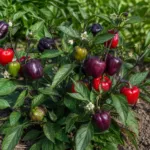 Purple Beauty (Capsicum annuum ‘Purple Beauty’)Capsicum annuum 'Purple Beauty'
 Numex Twilight (Capsicum annuum ‘Numex Twilight’)Capsicum annuum 'Numex Twilight'
 Explosive Ember Chili Pepper (Capsicum annuum ‘Explosive Ember’)Capsicum annuum 'Explosive Ember'