
Pear trellis rust
Gymnosporangium sabinaePear trellis rust overview
Pear trellis rust is a fungal disease caused by Gymnosporangium sabinae. It produces yellow-to-orange leaf spots, swollen or distorted young fruit, and conspicuous tube-like spore structures on the undersides of pear leaves. The fungus must alternate between pear and a susceptible juniper host, so nearby landscape conifers can sustain infection from year to year.
Typical conditions
Overview
Pear trellis rust is a two-host rust disease caused by Gymnosporangium sabinae. Its main broadleaf host is pear (Pyrus), while the fungus overwinters and completes another part of its cycle on susceptible junipers (Juniperus). The disease is more likely when both host types grow in the same neighborhood, although the two plants do not need to be in the same yard.
In the United States, correct identification matters because several related Gymnosporangium species also infect pear. Their symptoms and conifer hosts overlap, so laboratory confirmation or specialist diagnosis may be needed when the host association is unclear.
Symptoms and identification
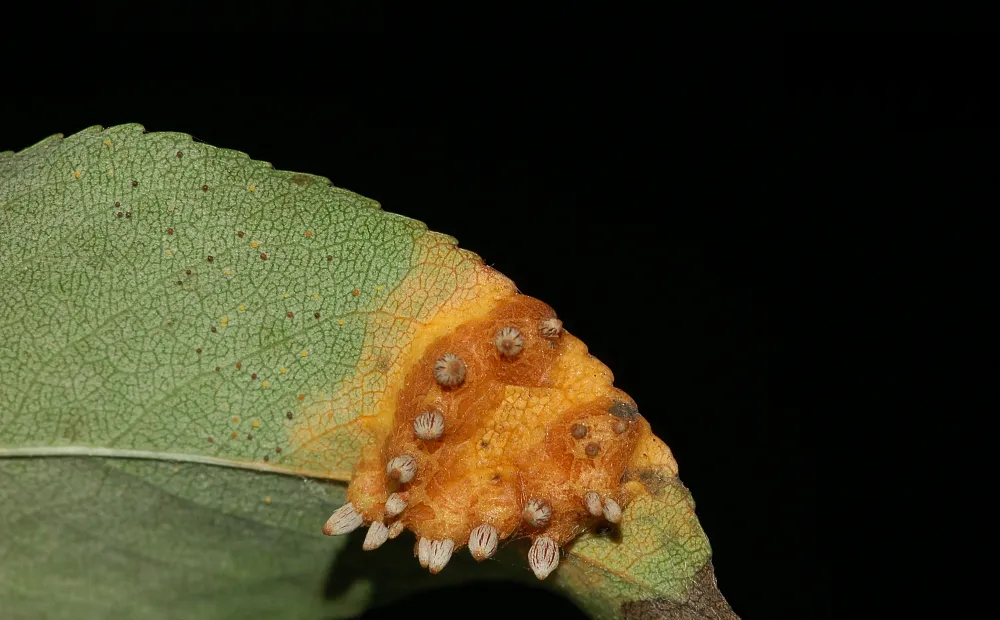
On pear leaves, early symptoms are small yellowish spots that enlarge and become bright orange to reddish-orange. Dark dots may develop in older spots. Later, pale to brown, tube-like or horn-like spore structures form on the lower leaf surface, often giving the disease its trellis-rust appearance.
- Young fruit may develop orange lesions, swelling, cracking, or distortion.
- Young twigs and petioles can become swollen or spotted.
- Severe infections may cause premature leaf drop and reduced tree vigor or fruit production.
- On susceptible junipers, perennial galls or swollen areas on twigs can produce orange, gelatinous spore-bearing structures during wet spring weather.
Causes and spread
The disease is caused by the rust fungus Gymnosporangium sabinae. It spreads primarily by windborne spores between compatible pear and juniper hosts. Spores released from infected junipers in spring infect young pear leaves, fruit, flowers, and shoots. Spores produced later on pear can return to junipers, where the fungus survives between seasons.
Long-distance movement can occur by air, but infection risk is generally greatest where susceptible junipers and pear trees are relatively close. Rain, prolonged leaf wetness, cool-to-mild spring temperatures, and abundant succulent new growth favor infection.
Life cycle and persistence
Gymnosporangium sabinae has a heteroecious, multi-stage life cycle that requires two unrelated host groups. The fungus survives on susceptible juniper tissue, commonly associated with savin juniper and other susceptible Juniperus species. In spring, wet galls or swollen twigs produce orange, gelatinous telial structures and spores.
These spores are carried to pear foliage and other young tissues. After infection, orange leaf spots enlarge through the growing season, and aecia form mainly on leaf undersides and sometimes on fruit or shoots. Aeciospores released from pear later infect juniper, where new perennial infections develop. Timing varies with climate, host growth, and spring weather; in much of the United States, the critical pear infection period is during spring flush and wet weather.
Treatment and control
Remove badly infected pear leaves, fruit, and small shoots when feasible, especially in ornamental plantings, and discard them rather than composting diseased material. Prune infected juniper twigs during dry weather and sanitize tools between cuts. Pruning can reduce local inoculum but may not provide control if a nearby susceptible juniper remains infected.
For valuable fruiting trees, begin management before symptoms appear by monitoring local spring weather, pear bud development, and nearby junipers. Fungicide protection, where justified, is preventive rather than curative: it protects newly developing tissue and does not restore leaves or fruit already damaged. Because related rust species occur in the United States, confirm the diagnosis and obtain crop-specific timing advice from a state extension service before treatment.
Low-impact and biological control
- Use host separation, sanitation, selective pruning, and canopy ventilation as the primary nonchemical measures.
- Remove infected juniper galls and dead twig sections before spring spore production when this can be done safely and without severe pruning wounds.
- Keep pear trees vigorous through appropriate irrigation, mulching, nutrition, and pruning, but avoid excessive nitrogen that stimulates highly susceptible succulent growth.
- Use resistant or less-susceptible plant material when locally documented; no single resistance recommendation applies equally across all pear cultivars and Gymnosporangium populations.
- Biological control products are not a dependable stand-alone solution for pear trellis rust in home landscapes. Treat them, if considered, as part of an integrated program and only according to a product label that covers the crop and disease.
Prevention
- Before planting, identify susceptible junipers in and around the property and avoid combining them with susceptible pear cultivars where pear trellis rust is known to occur.
- Choose pear cultivars and rootstock combinations recommended locally for disease performance; resistance is not uniform and should be confirmed with a regional extension office or nursery source.
- Prune pear trees to maintain an open canopy, improve drying, and reduce dense, shaded foliage.
- During dormancy, inspect nearby junipers for rust galls or recurring orange spore structures. Remove and dispose of infected twigs when practical, cutting well below visible symptoms.
- Remove fallen pear leaves and mummified or visibly infected fruit as part of general orchard sanitation, although this alone will not eliminate the disease because the pathogen also survives on juniper.
- Do not move infected juniper cuttings or woody plant material to other properties.
Interesting facts
The name “trellis rust” refers to the netted or lattice-like appearance that can develop as rust structures mature on pear leaves. Unlike many common leaf-spot fungi, this pathogen cannot complete its normal annual cycle on pear alone: it needs a compatible juniper host.
The orange, gelatinous structures on juniper are most conspicuous after rain. A juniper may show relatively minor damage while serving as the long-term source of spores that cause conspicuous symptoms on nearby pear trees.
Use only fungicide products legally authorized for pear, ornamental pear, juniper, and this disease in your state and country. Follow the current label exactly, including crop, application timing, rate, personal protective equipment, reentry interval, preharvest interval, and environmental restrictions. Do not assume that a product labeled for cedar-apple rust or another rust disease is legal or effective for pear trellis rust. For edible pears, consult current state extension guidance and the product label before spraying.
Affected plants
The plants below are linked to this problem by structured host-plant data. The list updates automatically as new plant profiles are added.
 Common juniper (Juniperus communis) care guideJuniperus communis
 Creeping juniper (Juniperus horizontalis) care guideJuniperus horizontalis
 Compressa (Juniperus communis ‘Compressa’)Juniperus communis 'Compressa'
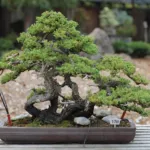 Dwarf Japanese garden juniper (Juniperus procumbens ‘Nana’)Juniperus procumbens 'Nana'
 Savin juniper (Juniperus sabina) care guideJuniperus sabina
 Rocky Mountain Juniper (Juniperus scopulorum) care guideJuniperus scopulorum
 Flaky juniper (Juniperus squamata) care guideJuniperus squamata
 Eastern redcedar (Juniperus virginiana) care guideJuniperus virginiana
 Juniperus × media ‘Gold Star’Juniperus × media 'Gold Star'
 Juniperus × media ‘Old Gold’Juniperus × media 'Old Gold'
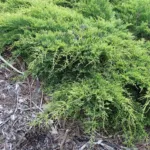 Pfitzer’s juniper (Juniperus pfitzeriana) care guideJuniperus pfitzeriana