
 Source:
 Eastern redcedar (Juniperus virginiana) short overview
Eastern redcedar is a long-lived, evergreen North American juniper with aromatic blue-green foliage, reddish-brown shredding bark, and blue-gray berry-like seed cones on female plants. It tolerates drought, wind, salt, poor soils, and severe cold, while growing most strongly in full sun and well-drained ground. Use it for wildlife habitat, screens, windbreaks, and naturalistic plantings, but allow generous room for its mature form.
Taxonomic classification
Eastern redcedar (Juniperus virginiana) care guide
Light and placement
Give full sun for the densest habit, strongest color, and best growth; light afternoon shade is tolerated, especially in hot regions. A south- or west-facing open position suits established trees where moisture is not excessive. Sparse, stretched growth indicates insufficient light, while winter bronzing or scorching can increase on exposed sites during drought. Provide wind protection only for newly planted trees, not permanent shade.
Watering and humidity
Water deeply and slowly when the upper several inches of soil begin to dry during establishment, usually weekly during dry spells rather than with frequent shallow sprinkling. Gradually reduce irrigation after the first two growing seasons, but water during prolonged heat or drought. Keep soil well drained; persistent saturation can damage roots. Normal outdoor humidity is adequate.
Soil and growing medium
Plant in well-drained sandy, loamy, or rocky soil. It tolerates a broad pH range, approximately 4.7–7.8, but growth is often strongest in moderately fertile, well-drained ground. Avoid persistently flooded sites and heavy, compacted soil. Deep soil supports a larger tree; shallow rocky soil produces a smaller, tougher specimen.
Feeding
Established trees usually need little fertilizer when planted in reasonably fertile soil. If growth is weak and a soil test supports feeding, apply a complete slow-release fertilizer in early spring according to the label, keeping granules away from the trunk. Compost may be used as a thin surface mulch. Avoid heavy nitrogen applications, late-season feeding, and fertilizing drought-stressed or newly transplanted trees.
Growth and habit
This evergreen juniper usually forms a narrow pyramidal or columnar crown when young and becomes broader or more rounded with age. Growth is slow to moderate and strongly influenced by soil depth, moisture, competition, and browsing. Dense natural regeneration can require management in prairie, rangeland, and abandoned-field settings. Avoid cutting into bare old wood because junipers may not readily resprout there.
Planting and repotting
Plant container-grown or balled-and-burlapped trees in spring or fall when soil moisture is reliable. Set the root flare level with or slightly above the surrounding soil; do not bury the trunk. Water deeply during the first two growing seasons, keep competing grass away, and mulch broadly but not against the bark. Allow ample room for the mature spread.
Not generally suitable for long-term container culture because the species develops a substantial root system and becomes a large woody plant. If grown temporarily in a container, shift it before roots circle densely and plant out while the root ball remains intact.
Propagation and pruning
Propagation
Propagation from seed requires cleaning and often lengthy warm and cold stratification, so it is slow and variable. Semi-hardwood or hardwood heel cuttings can root, with late fall or winter material generally preferred; bottom heat, high humidity, a porous medium, and rooting hormone improve consistency. Named cultivars are commonly propagated vegetatively. Seed and cutting propagation are best treated as advanced projects.
Pruning
Prune in late winter or early spring to remove dead, diseased, crossing, or poorly placed branches and to guide young plants. Juniper tolerates shaping, but do not cut deeply into leafless old wood because dormant buds may be absent and bare sections may remain. Avoid topping. Remove bagworms and damaged twigs promptly when practical.
Overwintering
No routine winter protection is needed in the ground across its hardiness range. Water newly planted trees before the soil freezes, maintain a modest mulch layer, and protect young trunks from rodents or browsing where needed. Winter bronzing can occur, especially in exposed or drought-stressed plants, and does not always indicate permanent injury.
Uses
Use for wildlife cover and food, native landscaping, screens, windbreaks, erosion-prone sites, and durable aromatic wood products. The dense evergreen habit offers year-round shelter for birds and mammals. Blue berry-like cones are used by wildlife, but this species should not be promoted as a human food or medicinal plant without specialist identification and safety guidance.
Appearance
An evergreen conifer with opposite scale-like leaves closely covering older twigs and sharper awl-like juvenile leaves on young shoots. The bark is thin, reddish brown, and shredding. Young crowns are commonly narrow and pyramidal; mature trees may become rounded or irregular. Female plants carry blue-gray, whitish-bloomed, berry-like seed cones, while male plants bear small pollen cones.
Pollination and visitors
Pollination is primarily by wind, not by bees, butterflies, or other animal visitors. Female trees produce fleshy, berry-like seed cones after pollen transfer from male trees. The plant can still support wildlife through cover and seed-cone resources, but that ecological value is separate from floral pollinator attraction.
Juniperus virginiana photos
Click any photo for a larger view. Source, author and license are shown separately.
Diseases and pests
Diseases
Common problems include Cercospora blight, Phomopsis blight, Kabatina blight, and cedar-apple rust relatives that produce conspicuous galls and orange gelatinous spore horns on susceptible junipers. Improve air circulation, avoid overhead irrigation, remove badly affected material, disinfect tools, and choose resistant plant material where available. Avoid planting near susceptible apple, crabapple, hawthorn, or quince when cedar-apple rust is a recurring concern.
Pests
Bagworms, spider mites, scale insects, juniper webworms, and twig or bark-boring insects may occur. Inspect young plants and stressed trees, especially during hot, dry weather. Keep plants watered during establishment, avoid trunk injury, encourage air movement, and use hand removal or targeted treatment only when damage is significant. Correct identification is important because some browning is caused by drought or disease rather than insects.
Related diseases and pests
Only Plant Doctor profiles whose host data indicate this plant may be affected are shown here.
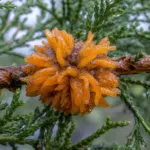 DiseaseCedar-Apple RustGymnosporangium juniperi-virginianae Schwein.
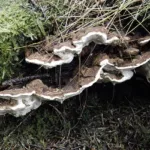 DiseaseHeterobasidion root diseaseHeterobasidion annosum
 Environmental stressWaterlogging
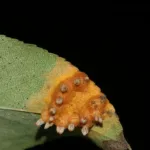 DiseasePear trellis rustGymnosporangium sabinae
 PestBrown Garden SnailCornu aspersum (Müller, 1774)
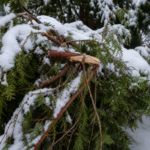 Environmental stressSnow Load Damage
 Environmental stressWind scorch
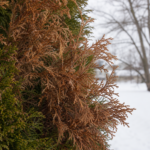 Environmental stressWinter desiccation (winter burn)
Toxicity and pollen
Eastern redcedar is not generally classified as a highly poisonous landscape plant, but juniper foliage, berries, and essential oils can irritate the digestive tract or skin when consumed or handled excessively. The blue berry-like cones are seed cones, not culinary berries, and should not be eaten casually. Keep large quantities away from children and pets; seek professional advice after ingestion or if symptoms occur.
- Typical season
- Late winter through spring in much of the United States
- Pollination / pollen
- Wind-dispersed, airborne conifer pollen
Male trees release abundant, wind-dispersed pollen, generally from late winter into spring depending on region and weather. Airborne pollen may contribute to seasonal respiratory allergy exposure for sensitive people. Female trees do not release pollen. Local exposure depends on the abundance of male trees, weather, and distance from flowering stands.
Native habitat
Native across much of eastern and central North America, from dry limestone glades, rocky ridges, and abandoned fields to woodland edges, stream margins, and deeper alluvial soils. It tolerates drought and a wide range of soil textures, but not prolonged flooding. In the Great Plains, reduced fire frequency can allow dense stands to expand into grasslands.
Interesting fact
Separate male and female plants are typical, so only female trees produce seed cones. The species is one of the most widely distributed conifers of tree size in the eastern United States. Its foliage can turn russet in winter, and its dense branches provide important wildlife shelter. Eastern redcedar can colonize abandoned fields and become dominant where fire is suppressed.
Frequently asked questions (FAQ)
The most relevant questions about this plant, with short and direct answers.
🌱Quick care
What is eastern redcedar?⌄
Eastern redcedar is an evergreen conifer native to much of the eastern and central United States, scientifically known as Juniperus virginiana. Despite its common name, it is a juniper in the cypress family, Cupressaceae.
How much sun does eastern redcedar need?⌄
Eastern redcedar grows best in full sun, meaning at least 6 hours of direct sunlight daily. It can tolerate some light shade, but shaded plants may grow more slowly and develop a less dense form.
How often should I water eastern redcedar?⌄
Water eastern redcedar regularly during its first growing season, then reduce watering once the root system is established. Mature trees are drought tolerant but may need supplemental water during prolonged, severe drought.
Is eastern redcedar evergreen?⌄
Yes, eastern redcedar is an evergreen tree that retains its scale-like foliage year-round. Foliage may become somewhat duller or brownish-green during winter, especially in exposed locations.
How large does eastern redcedar get?⌄
Eastern redcedar commonly grows about 30 to 65 feet tall and 8 to 25 feet wide, although size varies by soil, climate, cultivar, and growing conditions. Some landscape cultivars remain much smaller or grow in narrow columnar forms.
🌤️Environment and placement
What USDA hardiness zones are suitable for eastern redcedar?⌄
Eastern redcedar is generally hardy in USDA Zones 2 through 9. It is highly frost tolerant, but young plants can still be stressed by extreme winter exposure or abrupt temperature changes.
What type of soil does eastern redcedar need?⌄
Eastern redcedar tolerates well-drained sandy, loamy, rocky, and clay soils, including relatively dry or shallow soils. It performs poorly in sites that remain waterlogged or flood for extended periods.
Can eastern redcedar grow in clay soil?⌄
Yes, eastern redcedar can grow in clay soil if drainage is adequate. Avoid planting it where compacted clay stays saturated after rain, because persistently wet roots can lead to decline.
Is eastern redcedar drought tolerant?⌄
Yes, established eastern redcedar is highly drought tolerant and is one of the more drought-resistant native conifers in the eastern United States. Newly planted trees still need consistent watering until their roots become established.
Where should I plant eastern redcedar?⌄
Plant eastern redcedar in a sunny, well-drained location with enough room for its mature height and spread. It works well as a specimen, screen, windbreak, erosion-control tree, or wildlife planting, but avoid placing it too close to buildings or overhead utilities.
Is eastern redcedar good for wildlife?⌄
Yes, eastern redcedar provides dense evergreen cover and nesting or roosting habitat for birds and shelter for small mammals. Its blue, berry-like cones are eaten by many birds and mammals, especially during winter.
Can eastern redcedar grow near the coast?⌄
Eastern redcedar tolerates a range of exposed conditions and some salt, but performance depends on the site and local climate. Choose a well-drained location and protect young trees from severe salt spray and drying winds.
💧Care and problems
How do I care for an established eastern redcedar?⌄
Give established eastern redcedar full sun, avoid consistently wet soil, and water only during extended drought or unusual heat. A moderate mulch layer can conserve moisture, but keep mulch away from direct contact with the trunk.
Why is my eastern redcedar turning brown?⌄
Brown foliage can result from drought, root stress, winter injury, insect damage, or fungal disease. Check soil moisture, drainage, branch discoloration, webbing, bags, and small insects before deciding whether pruning or treatment is needed.
What diseases affect eastern redcedar?⌄
Eastern redcedar can be affected by cedar-apple rust, twig blights, and other fungal problems, especially when foliage stays wet or air circulation is poor. Cedar-apple rust is particularly important near susceptible apple, crabapple, and hawthorn trees.
How can I prevent cedar-apple rust on eastern redcedar?⌄
You cannot reliably prevent cedar-apple rust if susceptible junipers and apple-family plants are nearby, because the disease alternates between hosts. Remove and discard visible galls when practical, improve air circulation, and avoid planting eastern redcedar close to susceptible apples or crabapples.
What insects commonly attack eastern redcedar?⌄
Eastern redcedar may be attacked by bagworms, spider mites, scale insects, and various wood-boring insects. Inspect stressed trees regularly and address the underlying drought, planting, or drainage problem before using an insecticide.
Why is my eastern redcedar losing branches?⌄
Branch loss may be caused by drought stress, fungal cankers or blights, boring insects, storm damage, or natural shading within a dense crown. Prune out dead or diseased wood and investigate the trunk and remaining foliage for additional symptoms.
🪴Planting and repotting
When is the best time to plant eastern redcedar?⌄
The best planting time is usually fall or early spring, when temperatures are moderate and soil moisture is more reliable. Container-grown trees can be planted during the growing season if they are watered carefully and protected from heat stress.
How do I plant an eastern redcedar tree?⌄
Dig a planting hole about twice as wide as the root ball and no deeper than the root flare, then backfill with the original soil. Water thoroughly, apply a thin mulch layer, and keep the trunk flare exposed rather than burying it.
How far apart should eastern redcedars be planted?⌄
Spacing depends on the mature size and purpose of the planting, but large trees often need roughly 15 to 25 feet between centers for adequate room. Narrow cultivars can be planted closer, while windbreaks and dense screens may use tighter spacing.
Can eastern redcedar be grown in a container?⌄
Eastern redcedar can be grown temporarily in a large container, especially when young, but it is ultimately a tree that needs substantial root space. Choose a compact cultivar for long-term container culture and protect the roots from extreme winter cold.
✂️Propagation and pruning
How do I grow eastern redcedar from seed?⌄
Grow eastern redcedar from cleaned berry-like cones after a period of seed conditioning and cold stratification. Germination can be slow and irregular, so nursery-grown plants are usually easier and faster for landscape planting.
Can eastern redcedar be propagated from cuttings?⌄
Eastern redcedar can be propagated from cuttings, but rooting success varies with the cutting type, timing, cultivar, and propagation conditions. Semi-ripe cuttings taken during the growing season are commonly used under controlled humidity and rooting conditions.
Can I transplant a wild eastern redcedar?⌄
Small wild eastern redcedars can sometimes be transplanted, but success is much better when the tree has a compact, undamaged root system. Move it while dormant, preserve as much of the root ball as possible, and water it consistently after planting.
How do I prune eastern redcedar?⌄
Prune eastern redcedar mainly to remove dead, damaged, diseased, or poorly positioned branches and to maintain a desired shape. Avoid cutting deeply into old, bare wood because junipers often produce little or no new growth from leafless interior branches.
Can eastern redcedar be used as a hedge?⌄
Yes, eastern redcedar can form an effective evergreen screen or hedge when given adequate space and sunlight. Choose a naturally narrow cultivar for a formal hedge, because repeated severe shearing can expose bare interior wood and create an unattractive form.
⚠️Toxicity and safety
Is eastern redcedar poisonous to humans?⌄
Eastern redcedar is a low-concern landscape plant, but its foliage, cones, and oils should not be intentionally eaten. Keep plant material away from children and pets, and seek professional medical or veterinary advice after ingestion or a concerning reaction.
Are eastern redcedar berries edible?⌄
The blue, berry-like cones are food for wildlife, but they are not recommended as a casual human food. Their flavor and chemical composition can vary, and consuming large amounts of juniper material may cause adverse effects.
Is eastern redcedar safe for dogs and cats?⌄
Eastern redcedar is generally considered a low-concern ornamental plant, but dogs and cats should not be allowed to chew or consume large amounts of its foliage, cones, or wood. Contact a veterinarian if a pet eats a significant quantity or develops symptoms.
Is eastern redcedar flammable?⌄
Yes, eastern redcedar can contribute substantially to wildfire spread because its evergreen foliage and low branches can carry fire into the crown. Do not plant it close to structures in wildfire-prone areas without following local defensible-space guidance.
Should I plant eastern redcedar near apple trees?⌄
Avoid planting eastern redcedar near apple, crabapple, or hawthorn trees when possible because it can host cedar-apple rust. The disease requires compatible plants from both groups to complete its life cycle, so separation can reduce disease pressure.
🌸Flowering and special interest
Does eastern redcedar flower?⌄
Eastern redcedar does not produce showy flowers; it produces small reproductive structures on separate male and female trees. Female trees develop blue, berry-like cones, while male trees produce pollen cones.
Does eastern redcedar produce berries?⌄
Yes, female eastern redcedar trees produce blue to blue-gray, berry-like cones that typically mature in fall. These cones are attractive to many birds and other wildlife, while male trees do not produce them.
Are eastern redcedar trees male or female?⌄
Eastern redcedar is usually dioecious, meaning male and female reproductive structures occur on separate trees. Plant a female tree for berry-like cones, but nearby male trees may be needed for reliable pollination.
When do eastern redcedar cones appear?⌄
Female eastern redcedar cones generally ripen in fall, often during the first year after pollination. Their color and abundance vary with the tree’s sex, age, health, and growing conditions.
Similar plants
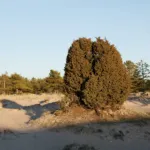 Common juniper (Juniperus communis) care guideJuniperus communis
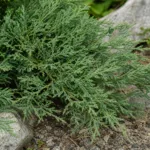 Creeping juniper (Juniperus horizontalis) care guideJuniperus horizontalis
 Savin juniper (Juniperus sabina) care guideJuniperus sabina
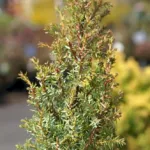 Compressa (Juniperus communis ‘Compressa’)Juniperus communis 'Compressa'
 Dwarf Japanese garden juniper (Juniperus procumbens ‘Nana’)Juniperus procumbens 'Nana'
 Rocky Mountain Juniper (Juniperus scopulorum) care guideJuniperus scopulorum