
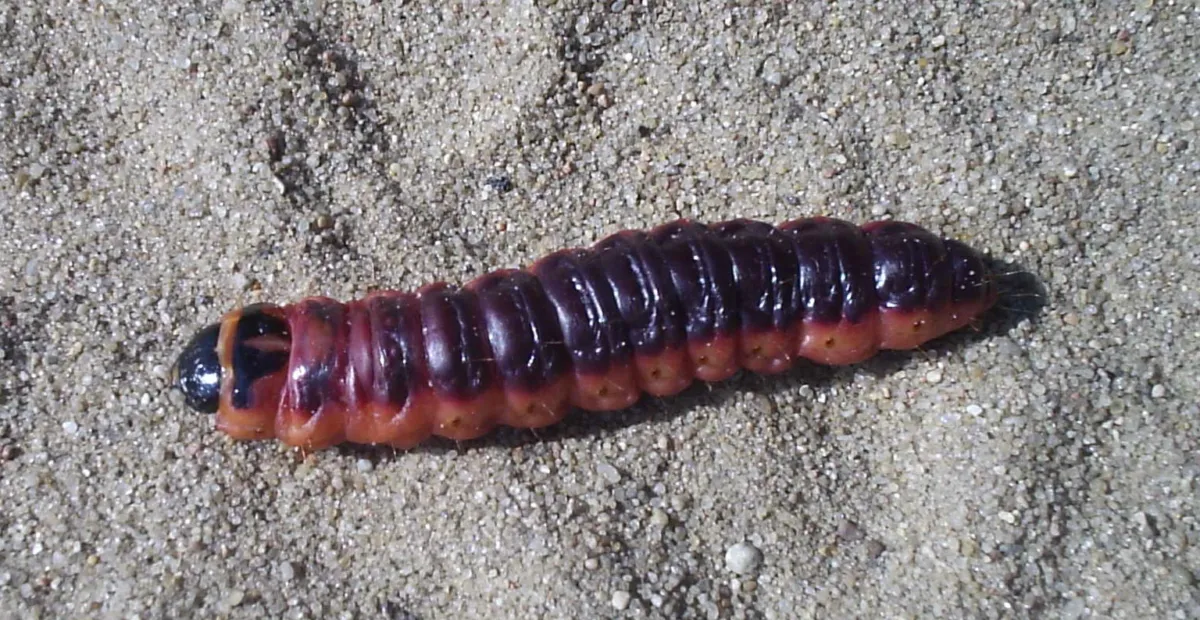
Goat Moth
Cossus cossusGoat Moth overview
Goat moth, Cossus cossus, is a large wood-boring moth whose larvae tunnel beneath the bark and deep into the trunks and major limbs of deciduous trees. The most useful diagnostic sign is reddish, strongly fermented-smelling frass expelled from galleries. In the United States, this Eurasian species is not a routine garden pest; suspected findings should be confirmed carefully because native cossid borers can look similar.
Typical conditions
Overview
The goat moth is recognized mainly by its larval damage rather than by seeing the adult. Larvae tunnel from bark fissures into trunks and large limbs, producing galleries that can weaken structural wood and disrupt water movement. Apple, cherry, plum, pear, willow, poplar, oak, maple, lime or basswood, chestnut and elm are among the documented hosts, but susceptibility varies by tree condition and region.
In the United States, Cossus cossus should not be assumed from a photograph alone. The species is not a standard widespread U.S. landscape-pest diagnosis, and native carpenter moths and other wood borers can produce comparable symptoms. Preserve specimens or clear photographs and seek confirmation from a university extension entomologist, state plant-health authority or qualified arborist.
Symptoms and identification
- Reddish-brown, granular frass mixed with silk accumulates in bark crevices or at the tree base.
- Frass may have a strong sour, fermented or goat-like odor.
- Oval or irregular gallery openings and damp, darkened wood may be visible after bark loosens.
- Infested limbs may show reduced vigor, dieback, poor leaf growth, breakage or progressive decline.
- Large pinkish-red to reddish-purple larvae with a dark head may be found in galleries or crawling away before pupation.
Frass color, odor and hole shape are useful clues but are not uniquely diagnostic; carpenter ants, other cossid moths, longhorn beetles and wood-decay fungi may cause similar evidence.
Causes and spread
Adult females deposit groups of eggs in bark cracks, wounds and other protected irregularities, often on older, declining or mechanically injured trees. After hatching, larvae enter beneath the bark and progressively enlarge galleries into the wood. Spread occurs chiefly when adults locate suitable hosts and when infested logs, firewood, nursery stock or cut branches are moved. Larvae are internal and therefore difficult to detect during early infestations.
Stress, trunk injuries, poor pruning, drought, flooding, compacted soil and existing decay can increase host suitability, although healthy trees are not immune.
Life cycle and persistence
Adults generally fly around dusk and at night during the warmer months, with timing varying by latitude and climate. Eggs are laid in bark crevices and hatch after roughly 12–15 days under commonly reported conditions. Larvae first feed beneath the bark, then bore deeper into the wood; development usually requires at least two years and may take longer in unfavorable conditions.
Near maturity, the larva may leave the tree or move toward a pupation site. It forms a cocoon from wood particles and pupates for about a month in spring or early summer, depending on local conditions. Because larvae remain hidden for years, visible damage can lag well behind egg-laying.
Treatment and control
Management depends on confirming the borer and assessing structural risk. For accessible, localized infestations, an arborist may remove the infested branch or carefully extract larvae from reachable galleries without unnecessarily enlarging the wound. Heavily tunneled trunks, trees with extensive decay, or trees with hazardous limbs may require removal for safety.
Do not indiscriminately plug holes, inject household chemicals or scrape healthy bark. Trunk sprays generally have limited value against larvae already deep inside wood. Treatments aimed at exposed adults or newly hatched larvae must be precisely timed and may be impractical for individual trees. Obtain a professional diagnosis before treating a valuable tree.
Low-impact and biological control
Integrated nonchemical control is usually the most dependable approach: confirm the pest, maintain tree vigor, remove infested wood, destroy or properly dispose of suspect debris, and prevent movement of infested firewood. Biological products based on entomopathogenic nematodes have been investigated for wood-boring larvae and may sometimes be delivered into galleries, but efficacy against Cossus cossus is variable and treatment success depends on gallery access, moisture and correct application. Use only products registered and labeled for the specific use.
Conservation of insectivorous birds and other natural enemies may contribute to background suppression, but it should not be relied on to control larvae protected inside mature wood.
Prevention
- Maintain tree vigor with appropriate irrigation, mulch kept away from the trunk, good soil management and avoidance of root or trunk injury.
- Prune correctly and avoid unnecessary large cuts, flush cuts, bark stripping and lawn-equipment wounds.
- Inspect trunks, branch unions and root collars at least once each season for fresh frass, holes and dieback.
- Remove and dispose of heavily infested branches or trees when recommended by an arborist; do not retain suspect wood as firewood.
- Use locally appropriate firewood and nursery-stock movement practices, and do not transport untreated wood long distances.
- Protect valuable or structurally important trees through regular inspection by a certified arborist.
Interesting facts
- The adult moth is large, with a wingspan commonly reported at roughly 2.7–3.8 inches.
- The larva's reddish coloration and intensely fermented odor help explain the common name used in several European languages.
- Several larvae may occupy one trunk, and galleries can extend deep into the wood.
- Although the species has a broad documented host range, individual trees and populations can differ substantially in susceptibility.
- In the United States, a suspected goat moth should be distinguished from native cossid and other wood-boring insects before regulatory or control decisions are made.
Use chemical products only when they are legally authorized for the specific crop, tree, pest and application site in the United States. Follow the current product label exactly, including permitted application method, timing, personal protective equipment, re-entry and environmental restrictions. Because larvae are protected inside wood and identification may be uncertain, consult a licensed pesticide applicator or certified arborist before treatment.
Affected plants
The plants below are linked to this problem by structured host-plant data. The list updates automatically as new plant profiles are added.
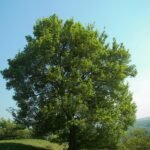 Field maple (Acer campestre) care guideAcer campestre
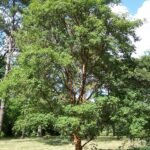 Paperbark Maple (Acer griseum) care guideAcer griseum
 Downy Japanese Maple (Acer japonicum) care guideAcer japonicum
 Boxelder (Acer negundo) care guideAcer negundo
 Acer palmatum care guideAcer palmatum
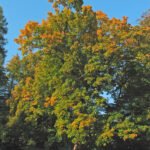 He Norway maple (Acer platanoides) care guideAcer platanoides
 Sycamore maple (Acer pseudoplatanus) care guideAcer pseudoplatanus
 Red maple (Acer rubrum) care guideAcer rubrum
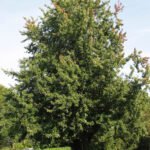 Silver maple (Acer saccharinum) care guideAcer saccharinum
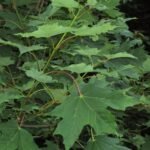 Sugar maple (Acer saccharum) care guideAcer saccharum
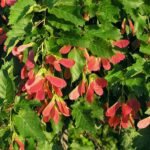 Tatar Maple (Acer tataricum) care guideAcer tataricum
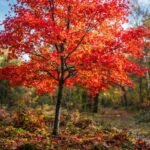 Amur Maple (Acer tataricum ginnala) care guideAcer tataricum ginnala