
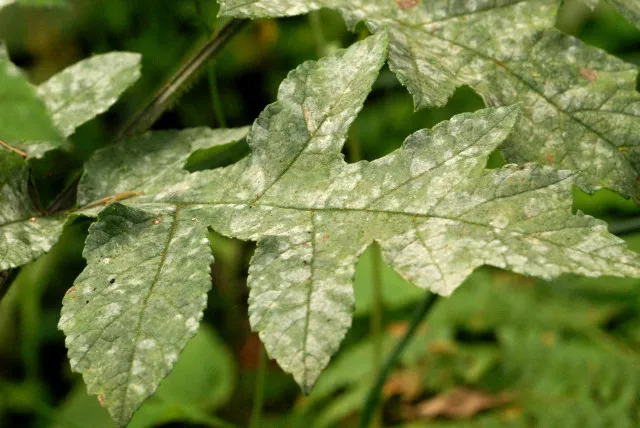
Apiaceae Powdery Mildew
Erysiphe heracleiApiaceae Powdery Mildew overview
Apiaceae powdery mildew is a fungal disease caused by Erysiphe heraclei and reported mainly on carrots, parsley, parsnips, cilantro, celery, fennel and related plants in the carrot family. It produces expanding white powdery colonies on mature leaves and petioles, followed by yellowing, distortion and premature decline. Correct host-based diagnosis matters because several powdery mildew fungi look similar.
Typical conditions
Overview
Apiaceae powdery mildew develops mainly on mature leaves and petioles of carrot-family plants. Small white colonies enlarge into a flour-like coating that may cover leaflets, stems or inflorescences. The disease is often more damaging cosmetically and commercially than lethally, but severe infection can reduce green leaf area, weaken plants and lower yield or market quality.
Erysiphe heraclei is generally associated with Apiaceae hosts, although host-specific strains or cryptic species may contribute to differences in reported host range. A white coating alone is therefore not sufficient for a definitive species identification.
Symptoms and identification
Early symptoms are discrete, circular white powdery spots, often on older or fully expanded leaves. Colonies gradually enlarge and merge, covering portions or most of the leaflet surface and sometimes extending onto petioles, stems and flower structures.
- White to gray, flour-like fungal growth on leaf surfaces
- Yellowing or slight chlorosis beneath infected areas
- Leaf curling, twisting, distortion or reduced vigor in advanced cases
- Premature browning or death of heavily affected foliage
- Small dark chasmothecia may develop later in the season on older colonies or plant debris
Several powdery mildew species cause similar symptoms. Downy mildew, which usually produces angular yellow lesions and gray-purple growth mainly on leaf undersides, is a different disease.
Causes and spread
The pathogen is an obligate parasite and grows on living plant tissue. Spores are dispersed primarily by air and can move between susceptible Apiaceae crops and nearby infected weeds or volunteer plants. Dense plantings, shaded foliage and humid evening or morning conditions favor infection and colony expansion, while drought stress can increase disease severity.
Unlike many leaf-spot pathogens, powdery mildew does not require prolonged free water on leaf surfaces for infection. Spores may germinate under relatively dry surface conditions when humidity is high. Infected crop residue, overwintered plants and related weed hosts can provide carryover inoculum.
Life cycle and persistence
During active disease development, white colonies produce chains of airborne asexual spores called conidia. These spores initiate repeated secondary infections on nearby living foliage. Later in the season, the fungus may form dark sexual fruiting bodies called chasmothecia on infected tissue. Chasmothecia can survive unfavorable conditions and may release sexual spores when environmental conditions become suitable.
In some production situations, overwintered living carrot-family plants, volunteer crops or related weeds may be more important sources of carryover than dormant fruiting bodies. The relative importance of each survival route varies with climate, host availability and local pathogen populations.
Treatment and control
Begin with sanitation and canopy management. Remove badly infected leaves when this can be done without excessively defoliating the plant, bag or discard diseased material, and improve sunlight and air circulation. Avoid moving through wet or heavily infected plantings when spores could be redistributed.
For edible crops, treatment is most useful when started at the first visible colonies; products generally protect healthy tissue better than they eradicate established mildew. Select any fungicide only after confirming that it is labeled for the specific crop and disease in the United States. Rotate active ingredients or FRAC groups when repeated applications are permitted, and follow the label for rates, intervals, harvest restrictions and spray coverage.
Low-impact and biological control
For home gardens and eligible organic production, products based on potassium bicarbonate, horticultural oils, sulfur or biological agents may be useful when they are specifically labeled for the crop and powdery mildew. These materials work best preventively or at the earliest signs and usually require thorough coverage and repeat applications according to the label.
Do not apply oils during heat stress, and do not combine or closely sequence oil and sulfur unless the product label specifically permits it, because plant injury can result. Organic status does not replace crop-specific label compliance.
Prevention
- Choose tolerant or resistant cultivars when reliable resistance information is available for the specific crop.
- Provide full sun where appropriate and space plants to keep the canopy open.
- Use drip irrigation or water at the soil line rather than routinely wetting dense foliage.
- Maintain steady plant growth and avoid prolonged drought stress.
- Remove severely infected leaves and clear crop debris after harvest.
- Control volunteer Apiaceae plants and closely related weeds near production beds when practical.
- Inspect mature foliage regularly, especially during humid summer periods, and act when the first colonies appear.
Interesting facts
- Erysiphe heraclei is primarily associated with the carrot family, unlike many powdery mildews that are restricted to a single host genus.
- The same visible disease pattern can be produced by different powdery mildew species, so host identity is important in diagnosis.
- Powdery mildew fungi are unusual among foliar pathogens because they can develop without persistent free water on the leaf surface.
- Reported hosts include cultivated Apiaceae crops and numerous wild umbellifer species that may help maintain local inoculum.
Use only pesticide products legally authorized and currently labeled in the United States for the specific crop and powdery mildew problem. Follow the current label exactly, including rate, protective equipment, reentry interval, preharvest interval, application timing and restrictions on edible crops. Because Erysiphe heraclei may be confused with other powdery mildews, confirm the host and diagnosis before choosing a product.
Affected plants
The plants below are linked to this problem by structured host-plant data. The list updates automatically as new plant profiles are added.
 Wild Celery (Apium graveolens) care guideApium graveolens
 Wild carro (Daucus carota) care guideDaucus carota
 Fennel (Foeniculum vulgare) care guideFoeniculum vulgare
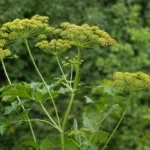 Parsnip (Pastinaca sativa) care guidePastinaca sativa
 Tagetes (Tagetes erecta) care guideTagetes erecta
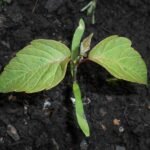 Boxelder (Acer negundo) care guideAcer negundo
 Arrowwood (Viburnum carlesii) care guideViburnum carlesii
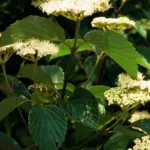 Arrow-wood (Viburnum dentatum) care guideViburnum dentatum
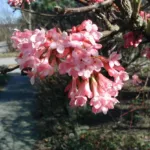 Fragrant viburnum (Viburnum farreri) care guideViburnum farreri
 Wayfaring-tree (Viburnum lantana) care guideViburnum lantana
 Okra (Abelmoschus esculentus) care guideAbelmoschus esculentus
 Flossflowe (Ageratum houstonianum) care guideAgeratum houstonianum