
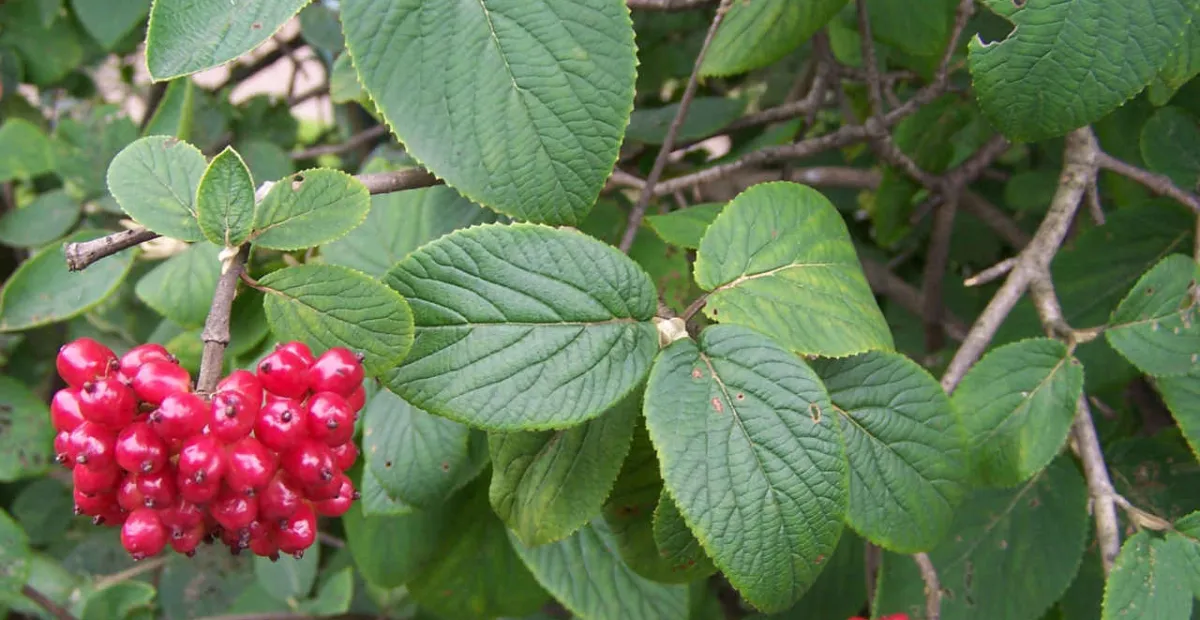
 Source:
 Wayfaring-tree (Viburnum lantana) short overview
Wayfaring-tree is a durable, deciduous shrub from Europe, North Africa, and southwestern Asia, valued for its broad, textured leaves, rounded clusters of white spring flowers, and berries that progress from green through red and yellow to black. It suits sunny or partly shaded borders, woodland edges, informal screens, and naturalistic plantings. Give it well-drained soil and room to mature into a substantial, multi-stemmed shrub.
Taxonomic classification
Wayfaring-tree (Viburnum lantana) care guide
Light and placement
Plant in full sun for the densest habit, strongest flowering, and best fruit display; partial shade is also reliable, especially in hot climates. Morning sun with afternoon shade can reduce heat stress. Sparse growth and fewer flowers suggest insufficient light, while scorched leaf margins or bleached foliage indicate excessive heat, drought, or reflected sun rather than a strict shade requirement.
Watering and humidity
Water deeply when the upper few inches of soil begin to dry during the first two growing seasons. Once established, it tolerates occasional drought, but flowering and foliage are better with consistent moisture. Reduce irrigation in cool weather and avoid frequent shallow watering. Keep water directed at the soil to limit foliar disease; normal outdoor humidity is sufficient.
Soil and growing medium
Use a soil that drains freely but does not become powder-dry immediately after watering. Loam is ideal, while the species can tolerate heavier clay if drainage is improved with organic matter and careful siting. It accepts a broad pH range from acidic through alkaline and is notably compatible with calcareous soils. Avoid permanently waterlogged ground.
Feeding
In spring, spread a thin layer of compost or apply a balanced slow-release shrub fertilizer according to its label. Established plants usually need little supplemental nutrition. Do not overfeed with high-nitrogen fertilizer, which can produce weak, overly leafy growth and reduce the plant’s balanced ornamental habit. Skip feeding during drought or when the soil is frozen.
Growth and habit
This species develops as a dense, erect to spreading, multi-stemmed shrub with a rounded outline. Growth is generally medium-paced. It can look somewhat leggy when crowded or heavily shaded, so place it toward the back of a border or allow open space around the crown. Its mature size and broad branching make it better suited to spacious beds than small foundation strips.
Planting and repotting
Set plants in spring or early fall when soil moisture is dependable. Dig a hole wider than the root ball, loosen circling roots, and keep the stem flare at soil level. Water thoroughly after planting and mulch over the root zone without touching the stems. Maintain even moisture during establishment, then gradually reduce irrigation as roots spread.
This is primarily a landscape shrub rather than a container plant. If grown temporarily in a large container, transplant before the root system becomes crowded. Use a sturdy pot with drainage, a loamy shrub substrate, and regular watering during establishment. Move it into the ground while still young to avoid difficult handling of a large root ball.
Propagation and pruning
Propagation
Propagation is possible from seed, layering, and cuttings, but seed may require extended dormancy treatment and patience. Layering is practical for small-scale propagation. Semi-ripe or hardwood cuttings can be attempted during the appropriate seasonal window, although rooting success may vary by material and treatment.
Pruning
Prune immediately after flowering because the shrub flowers on older wood. Remove dead, damaged, crossing, or weak stems first, then thin selected older branches at the base to maintain a natural form. Avoid routine hard shearing, which can remove developing flower wood and produce an unnatural outline.
Overwintering
Plants established in the ground generally need no winter protection within their hardiness range. In colder or exposed sites, apply a loose mulch over the root zone after the ground cools, but keep it away from the stems. Protect young plants from drying winter winds and water them before the soil freezes if autumn has been unusually dry.
Uses
Use as a large specimen shrub, informal screen, mixed border plant, woodland-edge accent, or naturalistic planting. Its flowers support pollen-gathering insects and its fruits can contribute to wildlife value, although the berries should not be treated as a human food crop. It is also useful where a durable, adaptable deciduous shrub is needed.
Appearance
Leaves are opposite, thick, dark green, broadly oval, and noticeably textured, with a softly gray or felted underside and serrated margins. Young shoots can appear softly hairy. Flat-topped flower clusters emerge near the ends of shoots, followed by multicolored drupes. The combination of heavy foliage, rounded habit, and sequentially changing fruit is distinctive.
Flowering
Small white flowers are arranged in broad, flat-topped clusters in late spring. The flowers offer relatively little nectar and are chiefly useful to pollen-collecting insects. Flowering occurs on older wood, so heavy pruning before bloom can remove the next display. Fruit development follows pollination, with clusters becoming conspicuous through summer.
Pollination and visitors
The flowers are visited mainly by pollen-gathering bees, including documented wild bees, with beetles and hoverflies also reported as visitors. Nectar production is limited, so the plant is more valuable as a pollen resource than as a major nectar source. Visitor activity is concentrated during the late-spring flowering period.
Viburnum lantana photos
Click any photo for a larger view. Source, author and license are shown separately.
Diseases and pests
Diseases
Serious disease problems are not usually reported. Reduce risk by providing good air circulation, avoiding overhead irrigation, removing fallen diseased foliage, and preventing prolonged waterlogging. Watch for powdery mildew, leaf spots, or dieback; improve siting and sanitation before considering a labeled treatment.
Pests
The species is generally low-maintenance, but aphids, scale insects, viburnum beetles, and occasional caterpillars may occur. Inspect new growth and leaf undersides, especially during spring. Encourage beneficial insects, prune out heavily infested shoots when practical, and use targeted control only when damage is significant.
Related diseases and pests
Only Plant Doctor profiles whose host data indicate this plant may be affected are shown here.
 PestObscure mealybugPseudococcus viburni
 PestChilli thripsScirtothrips dorsalis Hood
 DiseaseWhite Root Rot (Rosellinia Root Rot)Rosellinia necatrix Berl. ex Prill. (synonym: Dematophora necatrix)
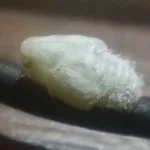 PestCitrus flatid planthopperMetcalfa pruinosa (Say)
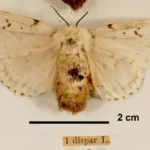 PestSpongy mothLymantria dispar dispar
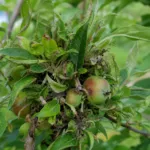 DiseaseApple Proliferation Disease‘Candidatus Phytoplasma mali’
 DiseaseSudden oak death and ramorum blightPhytophthora ramorum
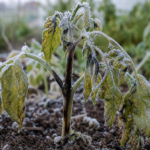 Environmental stressFreeze injury
Toxicity and pollen
Authoritative U.S. poison references commonly discuss the unrelated genus Lantana rather than Viburnum lantana, so those warnings should not be transferred to this species. Species-specific human and pet toxicity evidence is insufficient here for a confident classification. Do not eat the fruits, and prevent children and pets from chewing plant material; contact Poison Control or a veterinarian after suspected ingestion.
- Typical season
- Late spring in the United States
- Pollination / pollen
- Dry pollen presented at open flowers; mainly moved by visiting insects
This is an insect-pollinated shrub whose pollen is presented within open flower clusters rather than released in large windborne clouds. That generally suggests lower airborne exposure than wind-pollinated trees and grasses, but it does not prove zero allergy risk. Sensitive people should avoid handling flowers during peak bloom if symptoms occur.
Native habitat
In its native range, Wayfaring-tree occurs in hedges, woodland margins, open scrub, dry or moderately moist thickets, and calcareous soils. It is adaptable to sun and partial shade and can tolerate periodic dryness after establishment. The species is non-native in the United States and is grown primarily as an ornamental shrub.
Interesting fact
The berries change color during ripening, often passing through green, red, orange-yellow, and finally black. Its flowers are borne on older wood, making pruning timing important. The species name lantana predates the unrelated ornamental genus Lantana and reflects an old association between the names.
Frequently asked questions (FAQ)
The most relevant questions about this plant, with short and direct answers.
🌱Quick care
How do you care for a Wayfaring-tree (Viburnum lantana)?⌄
Plant it in full sun to partial shade and well-drained soil, then water moderately until established. It is generally low-maintenance and becomes fairly drought tolerant once its root system is developed.
🌤️Environment and placement
How much sun does Viburnum lantana need?⌄
Viburnum lantana grows well in full sun to partial shade. More sun usually supports denser growth and better flowering and fruiting, while some afternoon shade can help in hot, dry sites.
What USDA hardiness zones are suitable for Wayfaring-tree?⌄
Wayfaring-tree is generally hardy in USDA Zones 4a through 7b. Protection from drying winter winds may still help newly planted shrubs in colder areas.
How large does Viburnum lantana get?⌄
A mature Viburnum lantana commonly reaches about 10 to 15 feet tall and wide. Give it enough room to develop because its rounded, spreading habit can become too large for a narrow foundation bed.
Can Wayfaring-tree grow in shade?⌄
Wayfaring-tree tolerates partial shade but usually flowers and fruits more reliably with several hours of direct sun. Dense shade may produce a looser, less vigorous shrub.
What type of soil is best for Viburnum lantana?⌄
Use well-drained loam, although Viburnum lantana adapts to clay and calcareous or alkaline soils better than many viburnums. Avoid persistently waterlogged locations, especially during winter.
💧Care and problems
How often should I water a Wayfaring-tree?⌄
Water regularly during the first growing season, allowing the soil to dry slightly between waterings. Once established, it tolerates moderately dry conditions, but prolonged drought can reduce flowering and fruiting.
Does Viburnum lantana need fertilizer?⌄
Usually, an established Viburnum lantana does not need routine fertilizer if it is growing in reasonably fertile soil. Test the soil first and correct a documented nutrient deficiency rather than applying fertilizer automatically.
Why is my Wayfaring-tree growing leggy?⌄
Wayfaring-tree can naturally develop a somewhat coarse or open habit, especially in too much shade. Increase available light where practical and use selective renewal pruning after flowering instead of repeatedly shearing the outer surface.
What problems commonly affect Viburnum lantana?⌄
Viburnum lantana generally has few serious pest or disease problems, although powdery mildew or occasional leaf problems can occur. Improve air circulation, avoid wetting the foliage late in the day, and remove badly affected debris.
Is Wayfaring-tree deer resistant?⌄
Wayfaring-tree is often reported as relatively deer resistant, but no shrub is completely deer-proof. Browsing pressure can vary substantially with local deer populations and food availability.
🪴Planting and repotting
When should I plant Viburnum lantana?⌄
Plant Viburnum lantana in spring or fall when temperatures are moderate and the soil can be worked. Water deeply after planting and maintain a mulch layer without piling mulch against the stems.
How far apart should Wayfaring-trees be planted for a hedge?⌄
For a hedge, space plants according to their mature width and the desired density, commonly about 8 to 12 feet apart for this large shrub. Closer spacing fills in faster but increases competition and pruning needs.
Can Viburnum lantana grow in clay soil?⌄
Yes, Viburnum lantana can adapt to clay soil if drainage is adequate. Improve compacted ground with organic matter over a broad planting area, but do not place the shrub where water remains stagnant.
Can Wayfaring-tree be grown in a container?⌄
It can be grown temporarily in a large container, but its mature 10- to 15-foot size and spreading root system make it better suited to the ground. Container plants need more frequent watering and winter root protection.
✂️Propagation and pruning
When should I prune Viburnum lantana?⌄
Prune Viburnum lantana immediately after flowering, typically in late spring. It forms the next season’s flower buds during summer, so late-season pruning can reduce the following year’s bloom and fruit.
How do you prune a Wayfaring-tree to make it fuller?⌄
Remove a few of the oldest stems at ground level after flowering to encourage new shoots from the base. Avoid indiscriminate shearing, which can preserve a leggy structure and remove developing flower buds.
Does Viburnum lantana spread by suckers?⌄
Yes, Viburnum lantana can produce basal suckers and form dense growth. Remove unwanted suckers while young, or avoid planting it beside small beds, tight paths, or areas where spreading is difficult to control.
Can you propagate Wayfaring-tree from cuttings?⌄
Wayfaring-tree can be propagated vegetatively, but reliable methods and timing may vary by cultivar and cutting maturity. Semi-hardwood cuttings or layering are reasonable approaches, while nursery-grown plants are usually the simplest option.
Can Viburnum lantana be grown from seed?⌄
Yes, Viburnum lantana can be grown from seed, but germination may be slow or uneven because viburnum seeds commonly require a period of dormancy treatment. Seed-grown plants may also differ from named cultivars.
⚠️Toxicity and safety
Are Wayfaring-tree berries poisonous to people or pets?⌄
There is no reliable species-specific consensus establishing the berries as safely edible, so do not eat them or allow children and pets to consume them. Extension references describe low-severity risk, including stomach upset or diarrhea after large quantities of unripe fruit.
Can you eat Viburnum lantana berries?⌄
Do not treat Viburnum lantana berries as a food crop because reliable species-specific guidance on edibility is inconsistent. The safest practice is to avoid eating the fruit, particularly when unripe or in large amounts.
Is Wayfaring-tree invasive in the United States?⌄
Wayfaring-tree is nonnative and has been reported escaping cultivation and naturalizing in parts of the United States. Check your state or local invasive-plant guidance before planting, and remove unwanted seedlings or suckers promptly.
🌸Flowering and special interest
Does Viburnum lantana attract birds and pollinators?⌄
Yes, its spring flowers attract pollinators and its later fruit can provide food for birds. Fruit production is more reliable when compatible shrubs are planted close enough for cross-pollination.
When does Wayfaring-tree bloom?⌄
Wayfaring-tree usually blooms in spring, commonly around May in much of the central United States. The flowers appear in flat-topped clusters of small creamy-white blooms.
Why is my Viburnum lantana not producing berries?⌄
Poor fruiting can result from having only one shrub, unfavorable weather during flowering, or insufficient sunlight. Planting compatible shrubs together generally improves cross-pollination and fruit set.
What color are Wayfaring-tree berries?⌄
The fruit typically develops from green to red, orange-red, or yellow-red before turning black as it matures. Different stages can appear in the same cluster, creating a multicolored display.
Do Wayfaring-tree flowers smell bad?⌄
Some gardeners notice an unpleasant or strong odor from the flowers, although fragrance intensity can vary with weather and individual perception. Plant it away from patios or entrances if fragrance sensitivity is a concern.
Similar plants
 Azure Monkshood (Aconitum carmichaelii) care guideAconitum carmichaelii
 Monkshood (Aconitum ‘Stainless Steel’)Aconitum 'Stainless Steel'
 Monkshood (Aconitum ‘Bressingham Spire’)Aconitum 'Bressingham Spire'
 Golden full moon maple (Acer shirasawanum ‘Aureum’)Acer shirasawanum 'Aureum'
 Globosum (Acer platanoides ‘Globosum’)Acer platanoides 'Globosum'
 Striped maple (Acer pensylvanicum) care guideAcer pensylvanicum