
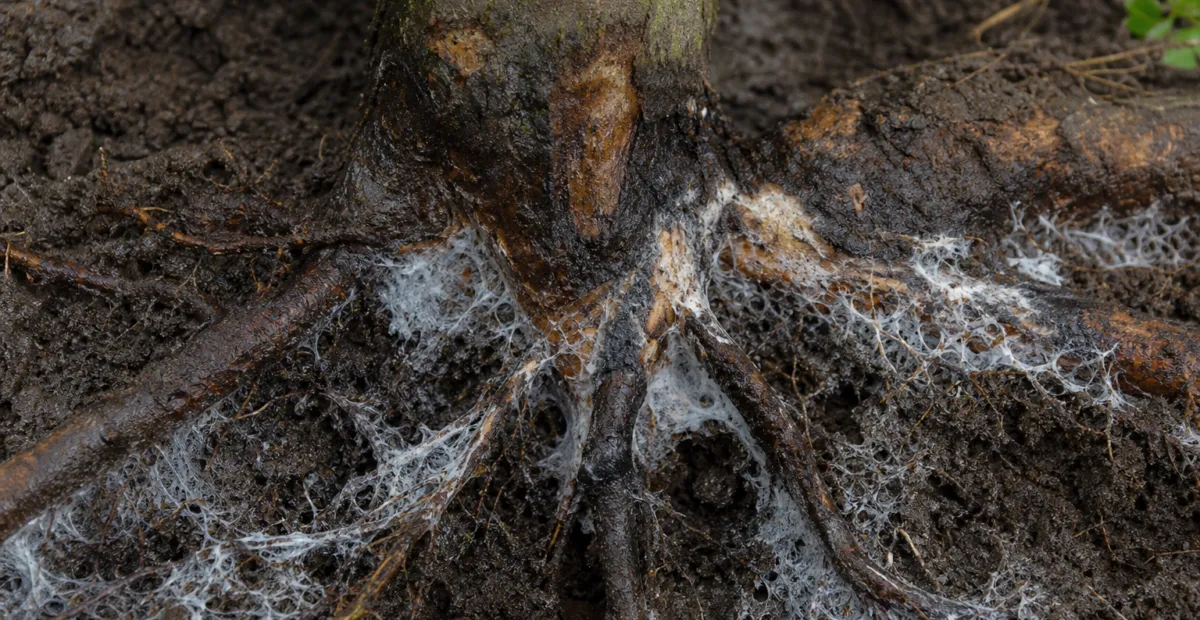
White Root Rot (Rosellinia Root Rot)
Rosellinia necatrix Berl. ex Prill. (synonym: Dematophora necatrix)White Root Rot (Rosellinia Root Rot) overview
White root rot is a serious soil-borne fungal disease caused primarily by Rosellinia necatrix. It attacks roots and root crowns of many woody plants, especially fruit trees, gradually reducing water uptake before causing yellowing, wilting, sparse foliage, branch death and sometimes rapid plant collapse. Whitish, cobweb-like fungal growth on infected roots or nearby soil is a useful diagnostic clue, but laboratory confirmation is often needed.
Typical conditions
Overview
White root rot primarily destroys fine roots, larger roots and sometimes the root crown. The fungus produces scattered, whitish, cobweb-like mycelium on or beneath the bark of infected roots and may grow through adjacent soil or root debris. Aboveground symptoms are nonspecific and can resemble Armillaria root disease, Phytophthora root rot, drought injury or vascular decline.
In the United States, diagnosis should be treated as a specialist plant-disease identification issue, particularly where a valuable orchard, nursery block or unusual host is involved. Submit representative root and crown tissue to a state diagnostic laboratory or extension service rather than relying on foliage symptoms alone.
Symptoms and identification
- Progressive loss of vigor, reduced shoot growth and sparse, undersized foliage.
- Yellowing, wilting and premature leaf decline; symptoms may affect one sector of the canopy first.
- Dead twigs or branches may retain dry leaves after rapid dieback.
- Roots become dark brown to black, decay readily and may lose the outer cortex.
- Whitish, fluffy or cobweb-like mycelium may occur on exposed roots, beneath root-crown bark, on the lower trunk or in soil over infected roots.
- Severely affected woody plants can collapse and die, sometimes rapidly after drought, heat or other physiological stress.
These signs are not diagnostic by themselves. Armillaria often forms more fan-shaped mycelium and may have a mushroom-like odor, while Phytophthora generally does not produce visible white mycelium on roots.
Causes and spread
Rosellinia necatrix survives and grows in soil and infected root material. New infections commonly arise when healthy roots contact colonized roots, dead root fragments or infested soil. Natural root grafts between closely planted trees can provide a direct pathway between plants. Weed roots and volunteer plants may also maintain or facilitate movement of the fungus in infested ground.
Spread is favored by moving infected nursery stock, soil, roots, tools, equipment and waterlogged or soil-covered debris. The disease is not primarily spread by airborne leaf spores. Because Rosellinia species and root diseases can be confused, confirm the pathogen before making a long-term replanting decision.
Life cycle and persistence
The disease cycle is dominated by vegetative fungal growth through infected roots and soil. Mycelium colonizes root tissue, advances through connected roots and persists in root debris or durable fungal aggregates in soil. These structures can remain a source of inoculum for extended periods, although persistence varies with soil, climate, host residue and competing microorganisms.
Rosellinia necatrix can form a sexual stage with perithecia and ascospores, but sexual fruiting and airborne spread appear to be less important in many managed orchards than survival in infected roots and soil-to-root contact. Conidia and chlamydospores have been reported in its biology, but their importance under ordinary field conditions is variable or limited.
Treatment and control
There is no dependable curative treatment that restores a heavily colonized root system. For an isolated landscape tree or small planting, remove the entire plant and as much infected root material and surrounding contaminated soil as practical. Do not place diseased roots in home compost; dispose of them according to local waste rules.
For valuable trees or commercial plantings, expose and inspect the root crown and major roots, confirm the diagnosis through a qualified laboratory, and map affected plants. Removing severely diseased plants before they collapse can reduce inoculum. Where feasible, improve drainage, correct irrigation problems and reduce root injury, but do not expect cultural improvements alone to eradicate established fungus.
Replacement planting should use a nonhost or a locally appropriate plant with no documented susceptibility, after removal of infected residue and an adequate interval. Host resistance and rootstock tolerance are not universal and should be verified for the specific crop and pathogen population.
Low-impact and biological control
Prioritize sanitation, root-residue removal, soil and equipment hygiene, weed management, drainage improvement and a nonhost rotation. Soil solarization may reduce inoculum in suitable sunny, warm sites after infected plants and roots have been removed, but effectiveness depends on soil depth, moisture, plastic sealing and local weather.
Biological products and beneficial fungi or bacteria, including some Trichoderma, Bacillus and mycorrhizal organisms, have shown disease-suppression potential in research or regional trials. Results are inconsistent across hosts and soils, so use only products registered or legally allowed for the intended crop and site, and follow the label. These organisms should supplement—not replace—removal of infected roots and prevention of soil movement.
Prevention
- Plant only clean, properly inspected nursery stock from reputable suppliers; avoid trees with weak growth, root discoloration or suspicious root lesions.
- Before planting an orchard, vineyard, landscape bed or replacement tree, remove as much old root material as practical, especially large roots and the root crown of dead plants.
- Do not replant a confirmed disease site immediately with another documented susceptible host. Use a long rotation or an alternative plant only after local diagnostic and horticultural advice.
- Prevent movement of infested soil and roots on shovels, tillers, tractors, shoes and containers. Remove soil from equipment and clean and disinfect tools between sites.
- Control weeds and volunteers in affected areas, but avoid creating additional wounds to crop roots.
- Use appropriate irrigation, drainage and mulch practices to reduce prolonged saturation and avoid drought stress. Keep trunks and root crowns from being buried.
- Scout neighboring plants and mark symptomatic areas so root contact and contaminated soil movement can be addressed early.
Interesting facts
- The disease is also known as Dematophora root rot because the fungus has been treated under both Rosellinia and Dematophora names.
- White root rot is named for the pale mycelium that can appear on infected roots and nearby soil, not for a white discoloration of leaves.
- More than 300 woody plant species have been reported as hosts of Rosellinia species, but host records are not always species-specific to R. necatrix.
- Avocado root rot should not automatically be attributed to R. necatrix: UC IPM notes that Rosellinia bunodes is the causal species in avocado.
- Aboveground symptoms often become obvious only after a large portion of the root system has already been damaged.
No universal pesticide program is recommended for Rosellinia necatrix. Soil fumigation or other chemical treatments may be restricted, crop-specific, environmentally sensitive or ineffective once roots are extensively colonized. In the United States, use only products legally authorized for the specific crop, site and disease in your state, and follow the current product label exactly. Consult your state extension service, state pesticide regulator or a licensed crop adviser before considering any chemical treatment.
Affected plants
The plants below are linked to this problem by structured host-plant data. The list updates automatically as new plant profiles are added.
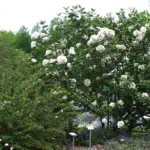 Arrowwood (Viburnum carlesii) care guideViburnum carlesii
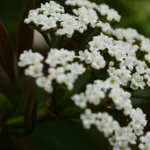 David Viburnum (Viburnum davidi) care guideViburnum davidi
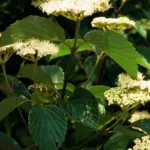 Arrow-wood (Viburnum dentatum) care guideViburnum dentatum
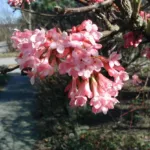 Fragrant viburnum (Viburnum farreri) care guideViburnum farreri
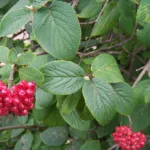 Wayfaring-tree (Viburnum lantana) care guideViburnum lantana
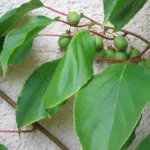 Hardy Kiwi (Actinidia arguta) care guideActinidia arguta
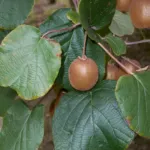 Kiwifruit (Actinidia chinensis deliciosa) care guideActinidia chinensis deliciosa
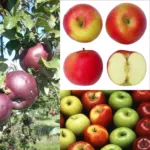 Apple tree (Malus domestica) care guideMalus domestica
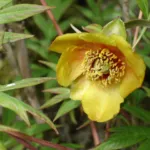 Delavay’s tree peony (Paeonia delavayi) care guidePaeonia delavayi
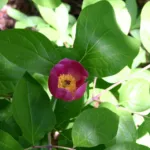 Woodland peony (Paeonia obovata) care guidePaeonia obovata
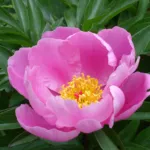 Common Garden Peony (Paeonia lactiflora) care guidePaeonia lactiflora
 Wild Peony (Paeonia mascula) care guidePaeonia mascula