
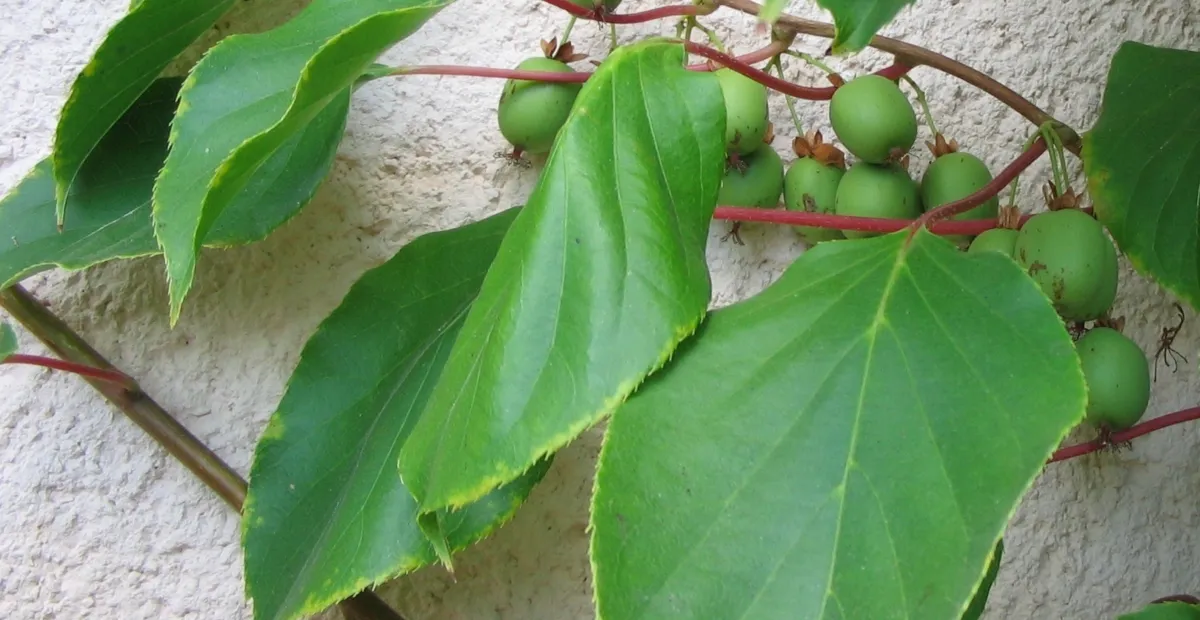
 Source:
 Hardy Kiwi (Actinidia arguta) short overview
Hardy Kiwi is a vigorous, deciduous woody vine from temperate East Asia. It needs a sturdy trellis, consistent moisture and a sunny to lightly shaded site with fertile, well-drained soil. Female vines produce smooth-skinned, grape-sized fruit when pollinated by a compatible male, while the fragrant greenish-white flowers open in late spring to early summer. The species is notably cold-hardy, but emerging shoots and flowers can still be damaged by late frosts.
Taxonomic classification
Hardy Kiwi (Actinidia arguta) care guide
Light and placement
Place in full sun for the best flowering and fruit ripening, especially in cooler parts of the United States; light afternoon shade is acceptable in hot climates. A south- or west-facing wall can provide useful warmth, but avoid intense reflected heat and exposed drying wind. Sparse growth and poor flowering suggest insufficient light, while scorched leaves indicate excessive heat, drought or reflected exposure.
Watering and humidity
Water deeply and regularly so the root zone stays evenly moist but never saturated. Newly planted vines may need watering several times weekly during dry weather; established vines still require dependable moisture while shoots, flowers and fruit are developing. Mulch the root zone to reduce evaporation, keep mulch off the stem, and reduce watering after leaf fall without allowing the soil to become bone-dry.
Soil and growing medium
Use fertile, moisture-retentive but well-drained soil rich in organic matter. A loam amended with compost is suitable. Avoid chronically waterlogged ground because the roots are vulnerable to rot. Slightly acidic to neutral soil is preferred; a practical target is about pH 5.5–7.0.
Feeding
In early spring, apply a balanced fertilizer at the conservative label rate or spread a layer of finished compost around, but not against, the vine. A second light feeding may be useful on poor soil after growth begins. Avoid heavy nitrogen applications, which can produce weak, overly lush growth and complicate pruning. Do not fertilize drought-stressed or newly transplanted vines until they recover.
Growth and habit
This species forms long, twining, woody canes and can cover a large support rapidly once established. Fruit is borne on shoots arising from previous-season growth, so uncontrolled summer expansion can reduce access and complicate winter pruning. Train one or two permanent trunks and organized lateral arms rather than allowing a tangled mass.
Planting and repotting
Plant dormant-rooted vines in early spring as soon as the soil can be worked, or set container plants out after the local danger of hard frost has passed. Plant at the same depth as in the nursery container, water deeply, mulch without touching the stem, and install the permanent trellis before vigorous growth begins.
Container-grown vines should be moved into a large, deep container with drainage holes before the root ball becomes tightly crowded. Repot or renew the upper compost in early spring before strong growth begins. A substantial trellis or pergola is required even for container plants.
Propagation and pruning
Propagation
Semi-ripe or dormant stem cuttings are practical methods and are usually taken from healthy, vigorous material. Seed propagation is possible, but seeds benefit from roughly one to two months of cold stratification and seedlings may not reproduce the parent plant’s sex or fruit characteristics. Rooted nursery cuttings are generally the most predictable choice.
Pruning
Prune heavily while dormant, removing dead, weak, tangled and already-fruited canes. Retain well-placed one-year laterals and shorten them to a framework of roughly 8–10 buds where appropriate. During summer, shorten excessively long nonflowering shoots and trim flowering laterals several leaves beyond the last flowers. Avoid indiscriminate cutting during active sap flow.
Overwintering
Established vines tolerate severe winter cold, but young trunks and late-season growth can be damaged by freeze-thaw cycles. Mulch over the root zone, protect young stems from cracking and avoid late nitrogen that delays dormancy. In colder marginal areas, choose a cultivar rated for the local zone and site the vine in a sheltered location; flowers and emerging shoots remain vulnerable to spring freezes.
Uses
Grow it for edible kiwiberries, screening, pergolas and large trellises. The dense foliage provides useful cover and the flowers can support insect visitors. Fruit is harvested when mature but still firm and can ripen off the vine. Because the vine is vigorous and potentially difficult to contain, use it only where regular training and pruning are feasible.
Appearance
Leaves are broad, ovate to rounded, medium to dark green and usually finely toothed, with a fresh spring emergence and yellow fall color. Young stems are flexible and twining; older canes become woody with gray-brown bark. The vine is identified by its vigorous climbing habit, large foliage, small pale flowers and smooth green to brown fruit.
Flowering
Small greenish-white flowers appear on new growth in late spring or early summer. Plants are generally functionally dioecious, with male and female flowers on separate vines, although floral variation can occur. Female flowers must receive compatible pollen for reliable fruit set; some named cultivars are marketed as self-fertile but may crop better with a male.
Pollination and visitors
The flowers provide pollen and nectar for insect visitors, including bees, bumblebees and other small insects. Reliable fruit production depends primarily on compatible pollen transfer between male and female vines rather than on a single named pollinator species.
Actinidia arguta photos
Click any photo for a larger view. Source, author and license are shown separately.
Diseases and pests
Diseases
Root rot is favored by poor drainage. Reduce risk with raised or well-drained planting sites, careful irrigation and clean pruning tools. Remove dead or diseased wood and improve air movement through the canopy. Local problems may also include bacterial or fungal fruit and leaf diseases, especially in crowded, wet plantings.
Pests
Cats may chew or damage foliage and dig around roots, apparently attracted by the plant’s scent. Deer and other browsing animals may also feed on young growth in some regions. Inspect new shoots for chewing insects, remove damaged growth and use physical barriers where needed. Avoid broad-spectrum insecticides during bloom.
Related diseases and pests
Only Plant Doctor profiles whose host data indicate this plant may be affected are shown here.
 DiseaseEuropean brown rotMonilinia fructigena
 DiseaseWhite Root Rot (Rosellinia Root Rot)Rosellinia necatrix Berl. ex Prill. (synonym: Dematophora necatrix)
 DiseasePseudomonas viridiflava bacterial blightPseudomonas viridiflava
 DiseaseBlue Mold of FruitPenicillium expansum
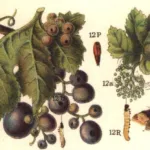 PestEuropean Grapevine MothLobesia botrana
 Environmental stressChlorine deficiency (chloride deficiency)
 DiseaseApple stem grooving virusCapillovirus mali
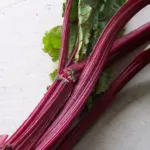 DiseaseBacterial soft rotPectobacterium carotovorum
Toxicity and pollen
The ripe fruit is eaten as a food, but kiwifruit can cause allergic reactions in susceptible people, including oral, skin or systemic symptoms. This food-allergy risk should not be confused with general plant toxicity. Avoid tasting unripe or unfamiliar plant parts, and people with known kiwi or latex-related food allergies should seek medical advice before eating the fruit.
- Typical season
- Typically May–June in much of the United States
- Pollination / pollen
- Insect-presented pollen; limited airborne exposure
Actinidia arguta releases pollen from male flowers for insect-mediated pollination. The pollen is not generally documented as a major outdoor airborne allergen, so airborne concern is assessed as low but not established as zero. The more important allergy issue is consumption of the fruit by people with kiwi or related food allergies.
Native habitat
In its native range, the vine occurs in temperate East Asia, including parts of China, Japan, Korea and the Russian Far East. It grows in woodland margins, thickets and other sites with seasonal moisture, fertile soils and support from surrounding vegetation. It tolerates cold winters but benefits from a long growing season for dependable fruit ripening.
Interesting fact
The smooth-skinned fruit can be eaten whole without peeling. The species is much hardier than the common fuzzy kiwifruit. Vines become extremely vigorous and heavy, so trellis strength is a major part of successful cultivation. Fruit production normally requires genetically compatible male and female vines.
Frequently asked questions (FAQ)
The most relevant questions about this plant, with short and direct answers.
🌱Quick care
What is Actinidia arguta commonly called in the United States?⌄
Actinidia arguta is commonly called Hardy Kiwi in the United States. It is also sold as kiwiberry, a name describing its small, smooth-skinned fruit.
Is Hardy Kiwi a tree, shrub, or vine?⌄
Hardy Kiwi is a vigorous, woody, twining vine. It needs a strong trellis, arbor, or pergola because mature vines can reach roughly 25 to 30 feet.
🌤️Environment and placement
How much sun does Hardy Kiwi need?⌄
Plant Hardy Kiwi in full sun for the best flowering and fruit production, although it tolerates partial shade. More shade usually means weaker growth and fewer fruits.
What USDA hardiness zones can grow Hardy Kiwi?⌄
Hardy Kiwi is generally suited to USDA Zones 4 or 5 through 9, depending on the cultivar and local conditions. Fully dormant vines tolerate severe cold, but emerging spring shoots and flowers are vulnerable to frost.
What soil is best for Hardy Kiwi?⌄
Use fertile, organic, well-drained loam with consistent moisture and a slightly acidic to neutral pH, commonly about 5.5 to 6.5. Avoid waterlogged soil because saturated roots can rot.
Can Hardy Kiwi tolerate spring frost?⌄
Dormant Hardy Kiwi vines are quite cold-hardy, but their tender spring shoots, flower buds, and blossoms are not reliably frost-proof. Choose a sheltered site, avoid low frost pockets, and protect new growth during late freezes when practical.
💧Care and problems
How often should you water Hardy Kiwi?⌄
Water Hardy Kiwi deeply and consistently, especially during establishment, flowering, fruit development, and drought. Keep the soil evenly moist but not saturated, and mulch the root zone to reduce moisture swings.
Why is my Hardy Kiwi not producing fruit?⌄
The most common causes are a missing or incompatible male pollinator, immature vines, frost-damaged flowers, insufficient sunlight, or incorrect pruning. Fruit develops only after successful pollination of female flowers, except on genuinely self-fertile cultivars.
Why are my Hardy Kiwi leaves wilting?⌄
Wilting commonly results from drought, root damage, waterlogged soil, transplant stress, or injury to the trunk or roots. Check soil moisture and drainage first, then inspect the base for girdling, rodent damage, or mechanical injury.
Is Hardy Kiwi invasive or difficult to control?⌄
Hardy Kiwi is not automatically invasive everywhere, but it is an extremely vigorous vine that can overgrow supports and nearby plants. Regular training, summer pruning, and removal of unwanted shoots are necessary in small landscapes.
What kind of fertilizer does Hardy Kiwi need?⌄
Hardy Kiwi benefits from fertile soil and should be fertilized according to a soil test rather than a fixed schedule. Avoid excessive nitrogen, which can encourage rampant vegetative growth at the expense of balanced flowering and fruiting.
How can I protect Hardy Kiwi from rodents and trunk damage?⌄
Protect young trunks with guards or tree tubes and keep mulch from touching the bark. Rodent feeding, mower or string-trimmer injury, sunscald, and winter damage can weaken or kill the lower trunk even when the vine canopy appears healthy.
🪴Planting and repotting
Does Hardy Kiwi need a trellis?⌄
Yes, Hardy Kiwi needs a durable support system from the beginning. Its vigorous, heavy vines can overwhelm weak structures, so use a strong trellis, T-bar system, arbor, or pergola anchored securely in the ground.
How far apart should Hardy Kiwi vines be planted?⌄
Space Hardy Kiwi vines according to the trellis design and cultivar, commonly about 10 to 20 feet apart in home plantings. Leave enough room for airflow, trunk development, and the vine’s substantial mature growth.
Can Hardy Kiwi be grown in a container?⌄
Hardy Kiwi can be grown in a large container when a compact or self-fertile cultivar such as ‘Issai’ is used. The container must have excellent drainage, support the vine securely, and provide enough root volume and water to prevent drying.
✂️Propagation and pruning
How should Hardy Kiwi be pruned?⌄
Prune Hardy Kiwi heavily during dormancy and continue managing vigorous growth during summer. Flowers and fruit develop on current-season shoots arising from one-year-old canes, so retain well-spaced replacement canes while removing tangled, weak, damaged, and overly vigorous growth.
When should Hardy Kiwi be pruned?⌄
Perform major structural pruning during the dormant season, generally from winter into early spring before vigorous growth begins. Summer pruning is also useful for shortening long shoots, removing watersprouts, and keeping the vine within its trellis.
Can Hardy Kiwi be grown from seed?⌄
Hardy Kiwi can be grown from seed, but seedlings may differ in sex, fruit quality, and other traits from the parent plant. Named cultivars are usually propagated vegetatively when consistent fruit and plant characteristics are important.
How do you propagate Hardy Kiwi from cuttings?⌄
Hardy Kiwi is commonly propagated from cuttings, particularly by taking suitable softwood or hardwood material from a known cultivar. Rooting success depends on timing, cutting maturity, moisture, temperature, and the use of a clean, well-drained rooting medium.
⚠️Toxicity and safety
Can you eat Hardy Kiwi fruit with the skin on?⌄
Yes, ripe Hardy Kiwi fruit has smooth, edible skin and is commonly eaten whole. The grape-sized berries are smaller and less fuzzy than grocery-store kiwifruit, though flavor and texture vary by cultivar and ripeness.
Are Hardy Kiwi fruits safe for people with kiwi allergies?⌄
No, people with a known kiwi allergy should not assume Hardy Kiwi is safe. Actinidia arguta contains documented food-allergen proteins and may cause reactions in some individuals, so seek medical guidance before eating it if you have kiwi, latex-fruit, or related food allergies.
Are Hardy Kiwi leaves edible?⌄
Hardy Kiwi leaves are consumed in some traditional food cultures, but they should not be treated as universally safe. Documented allergic reactions exist, so avoid eating the leaves unless their preparation and safety have been specifically established for you.
Is Hardy Kiwi toxic to dogs or cats?⌄
There is not enough reliable evidence to treat every part of Hardy Kiwi as risk-free for pets. Keep pets from eating large quantities of fruit, leaves, or stems, and contact a veterinarian or poison-control service if an animal shows symptoms after ingestion.
🌸Flowering and special interest
Does Hardy Kiwi need a male and female plant to produce fruit?⌄
Most Hardy Kiwi plants are dioecious, so a male plant is needed to pollinate female plants and produce fruit. A common planning ratio is about one male for every six to eight females, while self-fertile cultivars such as ‘Issai’ can fruit alone but often crop better with a compatible male.
How can you tell male and female Hardy Kiwi plants apart?⌄
Male and female Hardy Kiwi plants look similar until flowering. Male flowers mainly show prominent pollen-bearing stamens, while female flowers have a central ovary and stigma; plant labels or nursery records are usually the most reliable identification method.
When does Hardy Kiwi bloom?⌄
Hardy Kiwi usually blooms in late spring to early summer with small, fragrant greenish-white flowers. Late frosts can damage the new shoots and flowers and reduce the crop.
How long does Hardy Kiwi take to produce fruit?⌄
Hardy Kiwi commonly takes several years to begin producing a useful crop, especially when grown from a young plant. Fruiting time varies with cultivar, plant age, pollination, climate, and pruning, so newly planted vines may need patience before cropping reliably.
When are Hardy Kiwi fruits ready to harvest?⌄
Harvest time varies by cultivar and region, but fruits are generally picked in late summer or fall when they have reached full size and begin to soften. They can continue ripening off the vine, although vine-ripened fruit is often softer and has a shorter storage life.
Why is my Hardy Kiwi growing leaves but no flowers?⌄
A vine may produce abundant foliage without flowers when it is too young, heavily shaded, excessively fertilized with nitrogen, winter-injured, or pruned at the wrong time. Hardy Kiwi flowers primarily on new shoots arising from one-year-old wood, so removing all suitable fruiting wood can also prevent bloom.
Similar plants
 Azure Monkshood (Aconitum carmichaelii) care guideAconitum carmichaelii
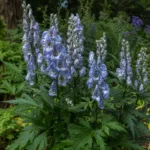 Monkshood (Aconitum ‘Stainless Steel’)Aconitum 'Stainless Steel'
 Monkshood (Aconitum ‘Bressingham Spire’)Aconitum 'Bressingham Spire'
 Golden full moon maple (Acer shirasawanum ‘Aureum’)Acer shirasawanum 'Aureum'
 Globosum (Acer platanoides ‘Globosum’)Acer platanoides 'Globosum'
 Striped maple (Acer pensylvanicum) care guideAcer pensylvanicum