
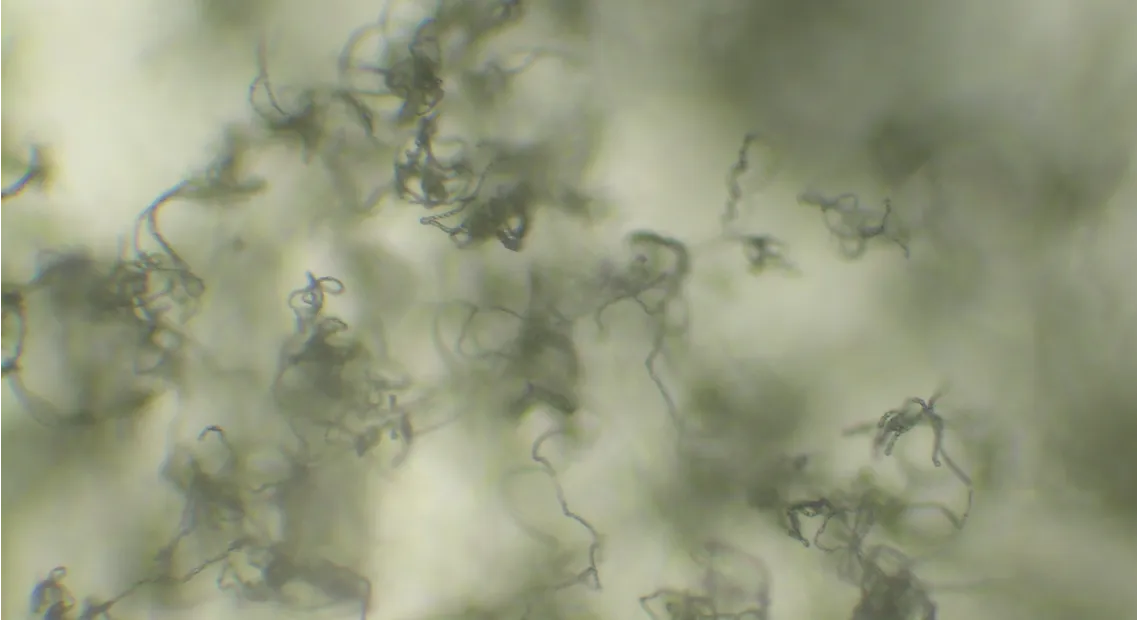
Blue Mold of Fruit
Penicillium expansumBlue Mold of Fruit overview
Blue mold is a postharvest fruit-rot disease caused primarily by the fungus Penicillium expansum. It is especially important on apples, pears and other pome fruit, where it enters through bruises, punctures, stem pulls, lenticels or other openings. Soft, watery brown decay expands during storage and becomes covered with blue-green spores. Infected fruit may also contain patulin and should not be used for juice or other processed foods.
Typical conditions
Overview
Blue mold usually develops after harvest on apples, pears and other susceptible fruit. The fungus is common in air, soil, decaying plant material, harvest equipment and storage environments. Infection generally requires a wound or natural opening, although the importance of particular entry points varies with host, cultivar, maturity and storage conditions.
On pome fruit, the disease can progress rapidly even in cold storage. Penicillium expansum is also important because some isolates produce patulin, a mycotoxin of concern in apple juice and other processed products.
Symptoms and identification
- Early decay appears as a circular, slightly sunken, light-brown, soft and water-soaked lesion.
- The affected flesh becomes watery and easily separates from healthy tissue; a bowl-shaped cavity may develop.
- Small white fungal tufts emerge as the lesion enlarges, followed by dense blue-green spore masses.
- Rot may spread from bruises, punctures, stem pulls, calyx openings, lenticels, cracks or other handling injuries.
- Symptoms may be confused with other postharvest rots, including gray mold, mucor rot and other Penicillium species; laboratory identification may be needed for species-level confirmation.
Causes and spread
Airborne or surface-borne conidia reach fruit before harvest, during picking, through wash or flotation systems, and on bins, conveyors, packing surfaces and tools. The fungus commonly enters through bruises, cuts, punctures, stem removal injuries, cracks and natural openings. Mature fruit is generally more susceptible, and disease spreads when infected fruit touch neighboring fruit or contaminate shared water and equipment.
Life cycle and persistence
Penicillium expansum survives and sporulates on decaying fruit, cull piles, plant debris, equipment and contaminated storage surfaces. Its dry conidia disperse readily through air, handling operations and water. After landing on a susceptible fruit, a spore germinates when moisture is available and colonizes an injury or opening. The fungus secretes tissue-degrading enzymes, producing soft rot; older lesions develop blue-green conidia that generate new inoculum. Growth can continue at refrigeration temperatures, although it is usually faster under warmer, humid conditions.
Treatment and control
There is no curative treatment that restores decayed fruit. In a home or small-scale setting, promptly discard moldy fruit rather than cutting away the visible lesion and eating the remainder. Do not use visibly moldy apples or pears for juice, cider, sauce, preserves or other processed foods because toxins may extend beyond the visible mold.
For commercial fruit, grade and cull aggressively, correct handling injuries, clean and sanitize the storage and packing system, and rapidly cool sound fruit. Postharvest fungicide treatments, where appropriate, are preventive or suppressive and work best as one part of an integrated program rather than as a substitute for sanitation and careful handling.
Low-impact and biological control
Prioritize sanitation, gentle handling, rapid cooling, removal of infected fruit and management of cull sources. Commercial biological-control products based on antagonistic yeasts or other beneficial microorganisms may reduce infection by occupying wounds and competing with the pathogen; efficacy depends on the crop, strain, application timing, storage system and local registration. Products containing organisms such as Aureobasidium pullulans or Bacillus species should be used only when legally registered and labeled for the specific crop and use.
Experimental approaches including edible coatings, chitosan, organic salts, ultraviolet treatments, ozone and modified atmospheres have shown variable results and should not be treated as universally reliable home remedies.
Prevention
- Harvest and pack gently; minimize drops, compression, punctures, stem pulls and abrasion.
- Handle fruit when dry when practical, and remove visibly injured, leaking or moldy fruit before storage.
- Clean and sanitize bins, conveyors, picking containers, grading equipment, tools and storage rooms according to the equipment and product label.
- Manage cull piles and discarded fruit so they do not remain near harvest or packing areas.
- Maintain appropriate cold-chain, humidity and controlled-atmosphere conditions for the crop; avoid condensation and free water.
- Inspect stored lots regularly and remove decayed fruit promptly to limit contact spread.
- Use clean process water and monitor recirculated water for organic load and sanitizer performance.
Interesting facts
- Blue mold is among the most economically important postharvest diseases of stored apples worldwide.
- Penicillium expansum is a wound pathogen: sound, intact fruit is substantially less likely to become infected than bruised or punctured fruit.
- Blue-green color is produced by masses of conidia and is not, by itself, sufficient for species identification.
- Some isolates produce patulin, making blue mold both a crop-loss issue and a food-safety concern for processed apple products.
- The fungus may remain active in cold storage, so refrigeration slows decay but does not guarantee disease prevention.
Use only products legally authorized in the United States for the specific crop, disease and application site. Follow the current EPA-approved label exactly, including crop, rate, timing, worker-protection, postharvest and reentry requirements. Resistance to some postharvest fungicides has been documented, so do not repeat ineffective treatments or use off-label mixtures; consult current state extension and IR-4 or crop-label guidance for commercial programs.
Affected plants
The plants below are linked to this problem by structured host-plant data. The list updates automatically as new plant profiles are added.
 Hardy Kiwi (Actinidia arguta) care guideActinidia arguta
 Kiwifruit (Actinidia chinensis deliciosa) care guideActinidia chinensis deliciosa
 Apple tree (Malus domestica) care guideMalus domestica
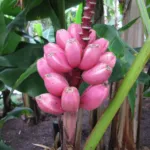 Pink Banana (Musa velutina) care guideMusa velutina
 Anemone ‘Frilly’Anemone 'Frilly'
 Leucanthemum adustum care guideLeucanthemum adustum