
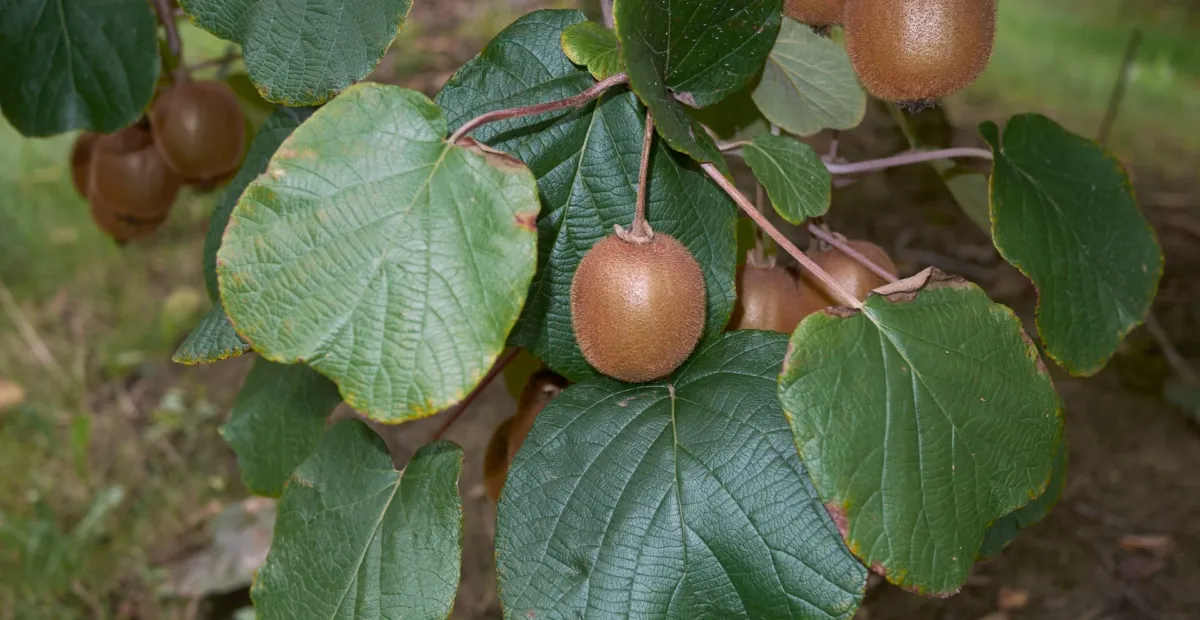
Kiwifruit (Actinidia chinensis deliciosa) short overview
Kiwifruit is a vigorous, deciduous woody vine cultivated for its fuzzy brown fruit and bright green, vitamin-rich flesh. The plant is native to central and southern China and is usually grown on a strong trellis in climates with a long, warm growing season. Plants are generally dioecious, so fruit production normally requires compatible male and female vines, abundant spring pollination, and careful pruning.
Taxonomic classification
Kiwifruit (Actinidia chinensis deliciosa) care guide
Light and placement
Plant in full sun where the vine receives at least 6–8 hours of direct light, ideally with morning sun and protection from intense late-afternoon heat in hot climates. A sturdy south- or east-facing trellis is suitable. Sparse flowering, weak shoots and poor fruiting can indicate insufficient light; scorched leaf margins or severe midday wilt may indicate excessive heat, root dryness or reflected heat.
Watering and humidity
Keep the root zone evenly moist but never waterlogged. Water deeply when the upper 1–2 inches of soil begin to dry, increasing frequency during flowering, fruit enlargement and hot weather. Mulch helps stabilize moisture and root temperature. Reduce irrigation after leaf fall, but do not allow established vines to remain dry for prolonged periods, especially in sandy soil or containers.
Soil and growing medium
Use deep, fertile soil with reliable drainage and high organic-matter content. Loam or sandy loam is preferable; compacted clay should be amended or improved with drainage before planting. Kiwifruit performs best in slightly acidic soil, roughly pH 5.6–6.5. Avoid alkaline sites and standing water, and test soil before applying sulfur or other amendments.
Feeding
In established plantings, apply a soil-test-guided balanced fertilizer or compost in early spring as growth begins, then provide a lighter early-summer feeding if vigor or leaf color indicates need. Avoid heavy late-summer nitrogen, which can produce tender growth that is more vulnerable to winter injury. Do not fertilize drought-stressed, newly transplanted or dormant vines until they resume active growth.
Growth and habit
This is a vigorous, long-lived vine that needs a permanent arbor, pergola or T-shaped trellis capable of supporting heavy woody growth and fruit. It develops a permanent framework with seasonal fruiting canes. Regular renewal pruning is essential because unmanaged vines become tangled, shade themselves and produce less accessible fruit.
Planting and repotting
Choose a sheltered, sunny site with deep, fertile, well-drained soil and a strong support structure already installed. Plant after severe spring freezes have passed, keeping the crown at soil level and watering thoroughly. Space vines generously for airflow and canopy development. Include a compatible male plant unless the selected cultivar is documented as self-fertile; even self-fertile types may crop better with a pollinizer.
Container-grown vines need a very large, stable container with drainage and a substantial trellis. Repot only when roots have filled the container, preferably in early spring before vigorous growth. Move the root ball with minimal disturbance, refresh part of the growing medium and water thoroughly. Containers dry and freeze faster than ground soil, so monitor them closely.
Propagation and pruning
Propagation
Cultivars are usually propagated by dormant hardwood cuttings, softwood cuttings, layering or grafting onto suitable Actinidia rootstock. Seed propagation is practical for producing variable seedlings but does not preserve a named cultivar and may produce male or female plants. Take cuttings during the appropriate active or dormant season and maintain even moisture while roots develop.
Pruning
Train one strong trunk to the trellis, then establish permanent lateral arms. During winter dormancy, retain well-spaced one-year canes for fruiting and remove weak, tangled, damaged or excessively old wood. Use summer pruning to control shading and unwanted extension growth. Prune after leaf fall but before strong spring sap flow, because late cuts can bleed heavily.
Overwintering
Choose a sheltered site and protect young vines from hard freezes, drying winds and late spring frost. Mulch the root zone after the ground cools, but keep mulch away from the trunk. In colder areas, use a protected microclimate or grow the vine in a container that can be sheltered during severe weather. Spring buds and new shoots are especially frost-sensitive.
Uses
Grown primarily for fresh fruit, preserves and edible landscaping, and also valued as an ornamental vine for large foliage and fragrant spring flowers. The fruit contains actinidin, a proteolytic enzyme used in culinary tenderizing, but fresh kiwifruit can cause allergic reactions in susceptible people. Train it only on structures strong enough for a mature woody vine.
Appearance
The vine has large, leathery, heart-shaped green leaves, twining woody stems and a dense, spreading canopy. Young growth is soft and frost-sensitive, while older stems become strongly woody. Creamy flowers appear in the leaf axils in late spring. The oval fruit has a brown, finely hairy skin and green flesh surrounding many small black seeds.
Flowering
Flowers develop in the leaf axils in late spring, commonly during May and June in temperate U.S. growing regions. Plants are usually dioecious: male vines produce pollen, while female vines produce flowers with functional ovaries. Flowers are creamy white at opening and may age toward buff or pale yellow. Fruit set depends on pollen transfer between compatible vines.
Pollination and visitors
Kiwifruit flowers are visited by bees, including managed honey bees, which transfer pollen between male and female flowers. The flowers produce little or no nectar compared with many garden plants, so effective pollination depends heavily on pollen collection and movement by visiting insects. Wind and hand pollination may supplement, but do not replace, good insect activity in commercial settings.
Diseases and pests
Diseases
Prevent problems with good drainage, clean pruning tools, adequate spacing and removal of fallen or diseased tissue. Watch for bacterial canker, root rot, fungal fruit rots and leaf spots, especially where wounds, waterlogging or prolonged leaf wetness occur. Avoid overhead irrigation, disinfect tools between cuts and remove severely infected wood. Follow current state-approved management guidance before applying any pesticide.
Pests
Common concerns can include scale insects, thrips, mites, aphids, caterpillars and birds or mammals feeding on fruit. Inspect new growth and leaf undersides regularly, encourage natural enemies and use targeted controls only when damage is significant. Maintain vine vigor without excessive nitrogen, protect ripening fruit with appropriate netting and follow product labels and local regulations.
Related diseases and pests
Only Plant Doctor profiles whose host data indicate this plant may be affected are shown here.
 DiseaseWhite Root Rot (Rosellinia Root Rot)Rosellinia necatrix Berl. ex Prill. (synonym: Dematophora necatrix)
 DiseasePseudomonas viridiflava bacterial blightPseudomonas viridiflava
 DiseaseBlue Mold of FruitPenicillium expansum
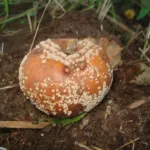 DiseaseEuropean brown rotMonilinia fructigena
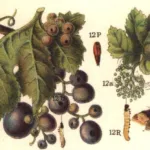 PestEuropean Grapevine MothLobesia botrana
 Environmental stressChlorine deficiency (chloride deficiency)
 Environmental stressWaterlogging
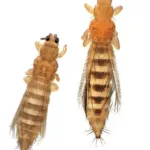 PestOnion thripsThrips tabaci Lindeman
Toxicity and pollen
The ripe fruit is widely eaten, but kiwifruit proteins can trigger oral allergy symptoms, hives, gastrointestinal symptoms or, rarely, severe systemic reactions in sensitized people. Cross-reactions may occur with some pollen and latex-fruit allergy patterns. The plant is not generally treated as a poisonous ornamental, but avoid eating leaves, stems or unripe plant material and seek medical advice after a suspected reaction.
- Typical season
- Late spring, usually May–June
- Pollination / pollen
- Heavy, sticky pollen released from exposed anthers
Male flowers release substantial pollen for insect transfer, but the importance of kiwifruit pollen as a cause of airborne allergy in the United States is not well established. The pollen is relatively heavy and sticky compared with wind-dispersed pollen, which may reduce long-distance airborne movement. This does not eliminate exposure risk for workers or highly sensitive individuals near flowering vines.
Native habitat
The variety originates in temperate mountain forests of central and southern China, where it grows as a woody liana in moist woodland environments. Native populations occur in deep, organic soils with regular moisture, seasonal cooling and substantial support from surrounding vegetation. Cultivation is best suited to regions with warm summers, winter dormancy and a long growing season.
Interesting fact
The green-fleshed commercial kiwifruit commonly sold in the United States is associated especially with this taxon and cultivars such as ‘Hayward’. The plant was introduced from China to New Zealand in the early twentieth century, where commercial improvement and marketing helped popularize the name kiwifruit. Botanically, the fruit is a berry. Female vines can carry large crops, but only after pollen is transferred from a compatible male or pollinizer.
Frequently asked questions (FAQ)
The most relevant questions about this plant, with short and direct answers.
🌱Quick care
What is Actinidia chinensis deliciosa called in the United States?⌄
Actinidia chinensis deliciosa is commonly called kiwifruit in the United States. It is the fuzzy-fruited kiwifruit type, often associated with green-fleshed cultivars such as ‘Hayward’.
Is kiwifruit a tree or a vine?⌄
Kiwifruit is a vigorous, woody climbing vine, not a tree. It needs a strong trellis, pergola, arbor, or similar permanent support.
How much sun does kiwifruit need?⌄
Kiwifruit grows best in full sun, although it tolerates light partial shade. Less sunlight can reduce growth, flowering, fruit yield, and fruit quality.
How often should I water kiwifruit?⌄
Water kiwifruit regularly to keep the soil consistently moist but not waterlogged. Young vines need especially frequent watering while their roots establish.
🌤️Environment and placement
What USDA hardiness zones are suitable for kiwifruit?⌄
Fuzzy kiwifruit generally needs a mild, long growing season and is commonly suited to about USDA Zones 7–9, depending on cultivar and site. It can suffer winter injury in colder regions, so verify the cultivar’s local adaptation before planting.
Where should I plant kiwifruit?⌄
Plant kiwifruit in a sunny, sheltered location with fertile, well-drained loam and protection from strong winds. Avoid low spots where cold air collects and sites exposed to late spring frost.
Can kiwifruit grow in partial shade?⌄
Kiwifruit can tolerate light partial shade, but full sun is better for reliable fruit production. Deep shade usually causes weaker growth and fewer or poorer-quality fruits.
Does kiwifruit need a trellis?⌄
Yes, kiwifruit needs a sturdy, permanent trellis or overhead support. Mature vines are heavy, vigorous, and fruit-bearing, so a temporary stake or lightweight fence is usually inadequate.
How much space does a kiwifruit vine need?⌄
Allow roughly 15 feet of linear trellis space per vine in a home planting. Leave enough room for the trunk, permanent arms, fruiting canes, pruning access, and air circulation.
💧Care and problems
Does kiwifruit need a male and female plant?⌄
Usually, yes: kiwifruit is dioecious, so a male vine is needed to pollinate a female fruiting vine. Plant compatible male and female vines of the same species and confirm nursery labels carefully.
Can one kiwifruit vine produce fruit by itself?⌄
A female Actinidia chinensis deliciosa vine generally cannot produce fruit without pollen from a compatible male vine. Self-fertile plants belong mainly to other kiwifruit types, and they should not automatically be assumed suitable for this plant.
How long does kiwifruit take to produce fruit?⌄
Kiwifruit commonly takes several years to begin producing a useful crop, especially when grown from young nursery plants. Fruiting is delayed by poor pollination, frost injury, inadequate pruning, or unsuitable climate.
Why is my kiwifruit vine not producing fruit?⌄
The most common causes are a missing or incompatible male pollinizer, immature vines, frost-damaged flowers, poor bee activity, or incorrect pruning. Check that both sexes flower at the same time and that the planting site is warm enough.
How do I fertilize kiwifruit?⌄
Feed established kiwifruit according to a soil test and the fertilizer label, emphasizing balanced nutrition rather than excessive nitrogen. Too much nitrogen can produce rampant foliage and delay or reduce fruiting.
Why are my kiwifruit leaves turning yellow?⌄
Yellow leaves can indicate overwatering, poor drainage, nutrient deficiency, root damage, or normal aging of shaded interior foliage. Check soil moisture and drainage first, then use a soil test before adding fertilizer.
What diseases affect kiwifruit?⌄
Kiwifruit can be affected by root problems, soil-borne diseases such as verticillium wilt, and weather-related damage. Good drainage, clean planting material, sanitation, adequate spacing, and avoiding previously infected sites reduce risk.
How do I protect kiwifruit from frost?⌄
Protect kiwifruit from hard freezes and late spring frost by choosing a sheltered site and covering young vines or emerging shoots when freezing weather is forecast. Spring shoots and flowers are particularly vulnerable even where mature vines survive winter.
When should kiwifruit be harvested?⌄
Harvest fuzzy kiwifruit in fall when the fruit has reached mature size and seeds are developed, but before severe frost or prolonged freezing weather. The fruit is usually harvested firm and ripened indoors rather than fully ripened on the vine.
🪴Planting and repotting
What soil is best for kiwifruit?⌄
Use fertile, well-drained loam enriched with organic matter and capable of holding steady moisture. Avoid heavy, poorly drained soil because saturated roots can decline quickly.
When is the best time to plant kiwifruit?⌄
Plant kiwifruit in spring after the soil is workable and the risk of severe freezing has passed. Early establishment is easier when young roots are not exposed to hard winter conditions or late frost.
Can kiwifruit be grown in a container?⌄
Kiwifruit is generally better planted in the ground because it becomes a large, vigorous perennial vine with extensive roots. A very large container may support a young vine temporarily, but it will require strong support, regular watering, and eventual up-potting or planting out.
How should I plant a kiwifruit vine?⌄
Set the vine at the same depth it grew in its nursery container, backfill with native soil, water thoroughly, and train one strong leader toward the support. Do not place concentrated fertilizer or fresh manure directly in the planting hole.
✂️Propagation and pruning
Can kiwifruit be grown from seed?⌄
Kiwifruit can be grown from seed, but seedlings vary genetically and their sex cannot be predicted reliably. Seed-grown vines may take longer to fruit, so named plants or properly identified cuttings are preferred for dependable production.
How do I propagate kiwifruit from cuttings?⌄
Propagate kiwifruit primarily from dormant hardwood cuttings taken in winter before spring sap flow. Use healthy labeled wood, place one or two nodes below a moist propagation medium, and keep male and female cuttings identified separately.
When should kiwifruit be pruned?⌄
Prune kiwifruit during dormancy to remove excess, weak, damaged, or old fruiting wood, while summer pruning controls vigorous shoots and maintains the trellis framework. Exact timing varies with climate, cultivar, and whether the vine is male or female.
How should I train a young kiwifruit vine?⌄
Train one straight trunk to the trellis, then develop permanent lateral arms along the support. Tie the vine loosely and remove competing leaders so the framework remains open and manageable.
Do kiwifruit flowers need bees for pollination?⌄
Kiwifruit flowers are commonly pollinated by bees and other insects, but wind is not usually sufficient for reliable fruit set. Avoid insecticides during bloom and maintain both male and female vines close enough for pollinators to move between them.
⚠️Toxicity and safety
Is kiwifruit safe to eat?⌄
Kiwifruit is an edible fruit, but it can cause allergic reactions in some people. Stop eating it and seek medical advice for symptoms such as mouth itching, swelling, hives, vomiting, or breathing difficulty.
Can kiwifruit cause mouth or throat irritation?⌄
Yes, kiwifruit can irritate the mouth or throat in sensitive people because of its enzymes and fruit hairs. People with known latex, pollen, or fruit allergies should use particular caution.
Can dogs or cats eat kiwifruit?⌄
Small amounts of peeled kiwifruit may be tolerated by some pets, but the fruit is not necessary in their diet and can cause digestive upset or choking. Ask a veterinarian before offering it, and never give a pet spoiled fruit, large pieces, or plant material.
🌸Flowering and special interest
When does kiwifruit flower?⌄
Kiwifruit generally flowers in late spring or early summer, depending on climate and cultivar. Flowering may be damaged by late frost, which can prevent fruit production even when the vine itself survives.
How can I tell male and female kiwifruit flowers apart?⌄
Male flowers have many pollen-producing anthers but no developing fruit-forming ovary, while female flowers have a prominent central stigma and ovary. The sex is easiest to confirm when the vines are in bloom.
Are kiwifruit flowers fragrant?⌄
Kiwifruit flowers may have a light, sweet fragrance, but they are grown primarily for their fruit rather than ornamental bloom. Their small white flowers are most important because successful pollination determines the crop.
Similar plants
 Azure Monkshood (Aconitum carmichaelii) care guideAconitum carmichaelii
 Monkshood (Aconitum ‘Stainless Steel’)Aconitum 'Stainless Steel'
 Monkshood (Aconitum ‘Bressingham Spire’)Aconitum 'Bressingham Spire'
 Golden full moon maple (Acer shirasawanum ‘Aureum’)Acer shirasawanum 'Aureum'
 Globosum (Acer platanoides ‘Globosum’)Acer platanoides 'Globosum'
 Striped maple (Acer pensylvanicum) care guideAcer pensylvanicum