
Black Root Rot
Berkeleyomyces basicolaBlack Root Rot overview
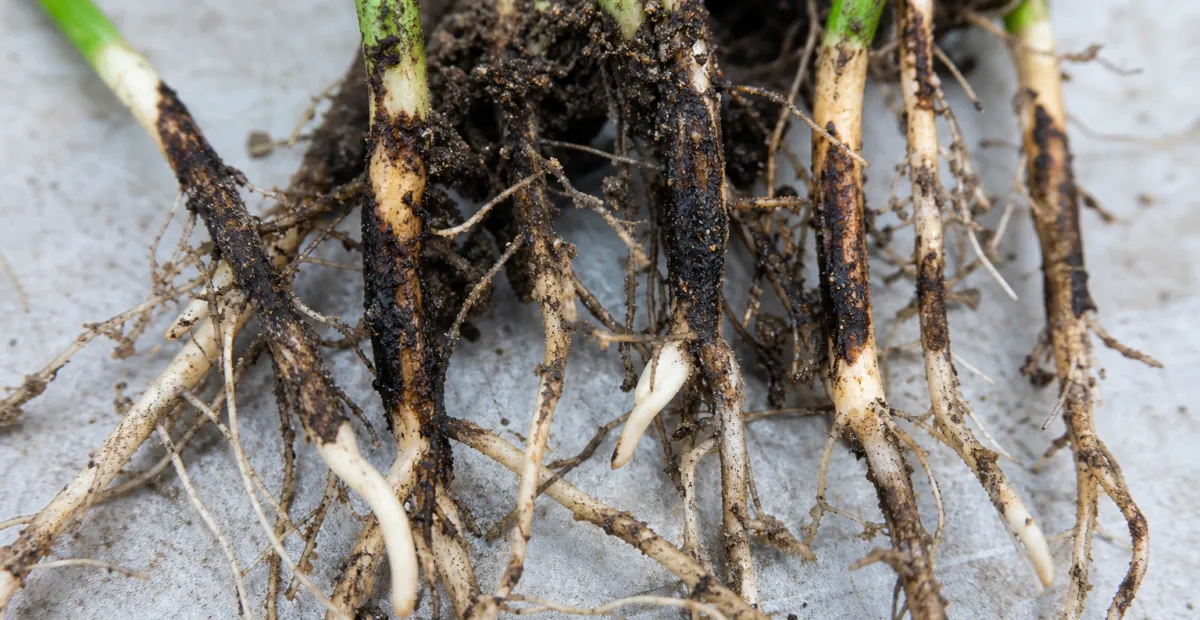
Black root rot is a persistent soilborne disease caused by the fungus Berkeleyomyces basicola, formerly known as Thielaviopsis basicola. It attacks roots and sometimes lower stems of many greenhouse ornamentals, vegetables and other crops. Infected plants may be stunted, yellow, wilted or mistaken for nitrogen-deficient plants, while washed roots reveal characteristic red-brown lesions that become dark brown or black. Accurate diagnosis is important because other root rots can look similar.
Typical conditions
Overview
Black root rot develops when Berkeleyomyces basicola colonizes root tissue and produces dark, thick-walled resting spores. The disease is especially important in greenhouse and nursery production, but it also occurs in landscapes, field crops and stored or wounded produce. Commonly affected ornamentals include pansy, viola, Calibrachoa, annual vinca, salvia, petunia, cyclamen, snapdragon, begonia, verbena, phlox and gerbera daisy.
The pathogen has a broad host range, and the name can be confusing because many older US references identify the causal fungus as Thielaviopsis basicola. Berkeleyomyces basicola and the closely related B. rouxiae are morphologically difficult to separate without DNA-based testing, so a visual diagnosis should be treated as provisional.
Symptoms and identification
Early above-ground symptoms include slow growth, uneven development, mild chlorosis, yellowing, wilting during water stress and a general off-color appearance that may resemble nitrogen deficiency. Advanced plants may defoliate, die back or collapse.
Wash roots gently free of media before inspection. Early lesions may be elongated and red-brown; they enlarge, darken and become brown-black, often forming longitudinal bands on the middle portions and tips of roots. Severe infections can make much of the root system black and necrotic. Seedlings may show dark hypocotyl or crown tissue, and tap-root growth may be stunted. Black spore structures in or on the root tissue contribute to the characteristic coloration.
Symptoms are not unique. Laboratory diagnosis is advisable when roots could also be affected by Pythium, Fusarium, Rhizoctonia, nematodes, compaction, salinity, poor drainage or nutrient imbalance.
Causes and spread
The primary source is infested soil or growing media containing long-lived chlamydospores. Spread is favored by infected transplants, reused pots and plug trays, contaminated benches and tools, irrigation water, runoff and splashing. Root-to-root contact also spreads the pathogen. Fungus gnats and other insects may carry spores between plants, particularly in greenhouse production.
Wounds caused by transplanting, insects, nematodes, mechanical injury or poor handling increase infection risk. Cool media, pH above approximately 5.5, excess moisture, salinity and other stresses can increase disease severity. A high pH should not be corrected blindly; adjust media or soil only within the crop’s safe production range.
Life cycle and persistence
Berkeleyomyces basicola survives for many years in soil, peat, plant debris and contaminated production areas as dark chlamydospores. Root exudates can stimulate resting spores to germinate when temperature, pH and moisture are favorable.
The fungus produces clear endoconidia and dark aleuriospores that break into chlamydospores. Spores move in infested soil, infected roots, irrigation water, splashing water, reused containers, tools, benches and other contaminated materials. Fungus gnats and other insects may help move inoculum. Infection commonly occurs through wounds or natural openings, and diseased roots can spread the pathogen to adjacent healthy roots by contact.
Because the resting spores persist, an infested greenhouse, nursery area or garden bed may remain hazardous for susceptible plants even after visibly diseased plants are removed.
Treatment and control
There is no dependable rescue treatment for plants with extensive root loss. Isolate suspect plants immediately, inspect and wash roots, and submit representative tissue or media to a state, university or commercial plant diagnostic laboratory when confirmation matters.
- Discard plants with widespread blackened roots, severe wilt or crown involvement rather than transplanting them into clean beds.
- For valuable lightly affected ornamentals, remove diseased media and dead roots with sterilized tools, repot into clean labeled media and place the plant in an isolated area. Recovery is uncertain and reinfection is possible.
- Correct drainage, irrigation, pH, salinity and temperature stress. Avoid repeated root injury during handling.
- In commercial ornamental production, preventive or early fungicide and biological programs may reduce losses, but efficacy and legal availability vary by crop, state and production site. Always verify the current label and use treatments as one part of an IPM program.
- After a confirmed outbreak, remove crop debris and contaminated media, clean surfaces, disinfect equipment and review the source of incoming plants, water and substrates.
Low-impact and biological control
Prioritize exclusion and sanitation rather than attempting to cure heavily infected plants.
- Remove and discard severely diseased plants, roots and contaminated media; do not compost them unless the composting system is validated to destroy plant pathogens.
- Use clean, preferably new containers, trays and propagation media. If containers are reused, remove all soil and debris before applying a disinfectant registered for that purpose.
- Reduce water splash, avoid moving runoff from diseased to clean areas and control fungus gnats where present.
- Maintain healthy roots with appropriate drainage, irrigation and fertility; avoid prolonged saturation and damaging salt buildup.
- Commercial biological products containing registered Trichoderma strains may help suppress disease in some ornamental production systems. Use only products labeled for the crop and site, and follow the current label.
- Do not move suspect nursery stock or contaminated soil into clean beds.
Prevention
Prevention is the most reliable management strategy because established inoculum is difficult and often impractical to eradicate.
- Buy inspected, vigorous plants and reject transplants with unexplained yellowing, chronic wilting, uneven growth or dark roots.
- Start crops in clean, pathogen-free soilless media and prevent native soil from contacting sterile propagation areas.
- Use new pots and trays when possible. Thoroughly clean and disinfect reusable containers, tools, benches, carts and irrigation equipment between crops or production lots.
- Keep clean propagation areas separate from cull piles, garden soil and infested beds. Work from clean areas toward suspect areas.
- Water carefully to limit splash and runoff; avoid chronic saturation while preventing severe drought stress.
- Test soil or media pH and keep it below about 5.5 only when compatible with the crop and nutrient program. Do not use acidification as a substitute for sanitation.
- Scout roots from representative plants, especially in cool seasons or when plug trays show uneven growth.
Interesting facts
- The disease was historically called black root rot caused by Thielaviopsis basicola; the accepted name is now Berkeleyomyces basicola.
- B. basicola and B. rouxiae cannot be reliably distinguished by ordinary colony appearance or symptoms alone.
- The pathogen has been reported from many plant families, including ornamentals, tobacco, legumes, vegetables and woody plants.
- Black coloration is associated with abundant dark chlamydospores in infected root tissue, not simply with waterlogging or dead roots.
- Recent research has confirmed pathogenicity on carrot roots and wounded carrot seedlings, illustrating that host and disease records continue to expand.
Use fungicides or disinfectants only when the product is legally authorized for the specific crop, production site and black root rot or soilborne disease use in your state and country. Follow the current product label, including rates, personal protective equipment, reentry intervals, crop restrictions and disposal directions. Chemical products cannot replace sanitation, clean propagation material, suitable media and moisture management.
Affected plants
The plants below are linked to this problem by structured host-plant data. The list updates automatically as new plant profiles are added.
 Snapdragons (Antirrhinum majus) care guideAntirrhinum majus
 Polka Dot Begonia (Begonia maculata) care guideBegonia maculata
 King begonia (Begonia rex) care guideBegonia rex
 Wild carro (Daucus carota) care guideDaucus carota
 He tepary bea (Phaseolus acutifolius) care guidePhaseolus acutifolius
 Snap bean (Phaseolus coccineus) care guidePhaseolus coccineus
 Butter bea (Phaseolus lunatus) care guidePhaseolus lunatus
 String Bean (Phaseolus vulgaris) care guidePhaseolus vulgaris
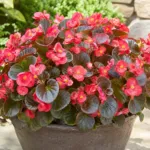 Begonia ‘Cocktail’Begonia 'Cocktail'
 Begonia ‘Double Red’Begonia 'Double Red'
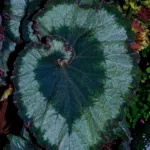 Begonia ‘Escargot’Begonia 'Escargot'
 Begonia ‘Gryphon’Begonia 'Gryphon'