
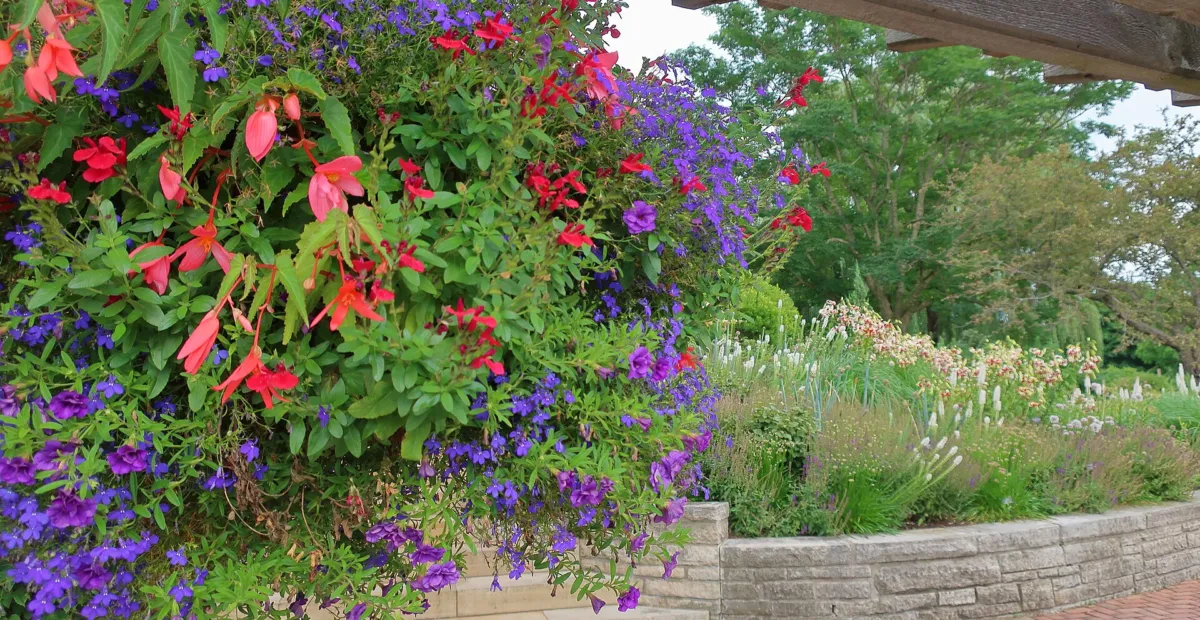
 Source:
 Begonia ‘Double Red’ short overview
Begonia 'Double Red' is a horticultural cultivar name used for ornamental begonias with richly colored red, often double flowers. The name is not consistently tied to one formally published species or breeder line, so plants sold under it may differ in habit, foliage, flower size, and overwintering behavior. In the United States, treat it conservatively as a frost-tender container or bedding plant: provide bright filtered light, evenly moist but well-drained soil, and protection from freezing temperatures.
Taxonomic classification
Begonia ‘Double Red’ care guide
Light and placement
Provide bright filtered light or partial shade. An east-facing exposure, bright north-facing window, or position beneath light shade is safer than intense reflected afternoon sun. Too much direct heat may bleach or scorch leaves and flowers; too little light causes stretched growth, weak stems, and fewer blooms. Some lines tolerate more sun, but this should be introduced gradually.
Watering and humidity
Water thoroughly when the upper inch of mix begins to dry, then allow excess water to drain fully. Keep the root zone evenly moist during warm, actively growing weather but never leave the pot standing in water. Reduce frequency in cool or dim conditions. Good airflow is more important than unusually high humidity, especially when leaves are dense.
Soil and growing medium
Use a porous, humus-rich container mix that drains freely yet holds modest moisture. A blend based on peat or coco coir with fine bark and perlite is suitable. Avoid dense, waterlogged soil, which encourages stem and root problems. Available horticultural records for similarly named begonias indicate loam or sand and acid-to-neutral conditions; the exact pH preference of this name is not independently established.
Feeding
Feed during active growth with a balanced liquid fertilizer at half to full label strength every 2–4 weeks, or use a controlled-release product according to its label. Water the root ball first if it is dry. Reduce or stop feeding during cold, dim winter conditions or whenever growth has paused.
Growth and habit
Plants sold under this name may be compact and bushy, mounded, or trailing depending on the underlying begonia group. Pinch only overly long or weak shoots if needed to improve branching, and avoid prolonged saturation around the crown. Confirm whether the plant forms tubers before applying tuber-begonia winter routines.
Planting and repotting
Set outdoors only after the danger of frost has passed and nighttime temperatures are reliably mild. Plant at the same depth as in the nursery container, leaving the crown uncovered. Allow enough room for air movement and avoid sites exposed to harsh afternoon sun or standing water.
Repot in spring when roots fill the container, moving up only one pot size. Handle the stems gently and keep the crown at its original level. Use a clean, free-draining mix and water lightly after repotting until new growth resumes.
Propagation and pruning
Propagation
Use clean stem cuttings when the supplied plant has a fibrous or hybrid habit; root them in a sterile, lightly moist medium under bright filtered light. Seed propagation is possible for some begonia groups but may not reproduce a named cultivar faithfully. Do not assume tuber propagation unless the plant clearly produces tubers.
Pruning
Remove spent flowers, yellow leaves, and damaged stems with clean scissors. Lightly pinch leggy shoots during active growth to encourage branching. Avoid severe cutting when the plant is stressed, cold, or waterlogged.
Overwintering
Move containers indoors before temperatures approach 50°F, or take cuttings if the plant is suitable for vegetative propagation. Keep overwintered plants in bright filtered light, water sparingly as growth slows, and avoid cold, saturated soil. Do not store as a tuber unless tuber formation has been confirmed.
Uses
Use for shaded or filtered-light containers, patio displays, hanging baskets when trailing, seasonal borders, and protected bedding. It may also be grown indoors in bright filtered light. It has no established culinary use, and all plant parts should be kept out of food preparation.
Appearance
The name is associated with ornamental begonias carrying red double blooms above asymmetrical leaves. Plants may have green, bronze, or dark foliage and may be compact, bushy, or trailing. Leaf shape, stem texture, and flower arrangement vary with the underlying breeding group, so these characters should be used cautiously for identification.
Flowering
The name is associated with red, double-flowered begonias sold for extended seasonal color. Comparable commercial lines flower repeatedly through summer and may continue until frost when kept actively growing. Exact flowering duration, flower size, and whether the plant is tuberous, fibrous, or hybrid cannot be confirmed for the bare name alone.
Pollination and visitors
Begonia flowers can be visited by small insects, but reliable records for animal visitors specific to the unqualified name 'Double Red' were not found. Do not treat this cultivar as a documented pollinator plant without confirming its parentage and flower structure.
Begonia 'Double Red' photos
Click any photo for a larger view. Source, author and license are shown separately.
Diseases and pests
Diseases
Watch for Botrytis or grey mould, powdery mildew, stem rot, and root rot, especially where foliage stays wet or air circulation is poor. Water the soil rather than the leaves, remove faded or damaged material, space plants adequately, and discard severely rotted plants. Correct excessive moisture before using any fungicide.
Pests
Inspect for aphids, mealybugs, mites, thrips, caterpillars, and fungus gnat larvae. Check leaf undersides and tender shoots weekly. Improve airflow, isolate infested plants, remove heavily damaged tissue, and use insecticidal soap or horticultural oil only according to the product label and after checking plant tolerance.
Related diseases and pests
Only Plant Doctor profiles whose host data indicate this plant may be affected are shown here.
 PestCitrus mealybugPlanococcus citri
 PestCyclamen mitePhytonemus pallidus
 PestBroad mitePolyphagotarsonemus latus (Banks)
 DiseaseCucumber mosaic virusCucumber mosaic virus
 DiseaseBlack Root RotBerkeleyomyces basicola
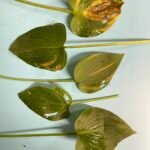 PestStrawberry foliar nematodeAphelenchoides fragariae
 DiseaseMaple powdery mildewSawadaea bicornis
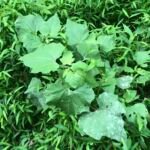 DiseaseCucurbit Powdery MildewPodosphaera xanthii (Castagne) U. Braun & Shishkoff
Toxicity and pollen
Begonias are commonly listed among ornamental plants that may cause irritation or illness if eaten, particularly because of soluble oxalates in plant tissues. Do not eat the plant. Sap may irritate sensitive skin, and ingestion can cause mouth or gastrointestinal discomfort. Keep plant material away from children and pets and seek professional medical or veterinary advice after significant ingestion.
- Typical season
- No distinct airborne pollen season documented for this cultivar name
- Pollination / pollen
- Flower-held, insect-presented pollen
Begonias produce pollen within their flowers, but this cultivar name has no well-documented airborne-pollen profile. The flowers are generally insect-presented rather than wind-dispersed, so substantial airborne exposure is not expected; however, a low-risk assumption is not the same as proof of no allergy potential.
Native habitat
This is a cultivated ornamental rather than a clearly documented wild taxon. Begonia lineages represented in horticulture generally derive from warm, humid American, African, or Asian environments and favor filtered light, porous organic substrates, and protection from freezing. The natural distribution of the exact cultivar is not applicable.
Interesting fact
The bare name 'Double Red' is not sufficiently standardized to identify one single begonia breeding line. Similar commercial names occur across different begonia groups. Double flowers may contain extra petals or transformed stamens, reducing the amount of exposed reproductive tissue. Bronze or dark foliage is associated with some commercial red-flowered lines but is not guaranteed for every plant sold under this name.
Frequently asked questions (FAQ)
The most relevant questions about this plant, with short and direct answers.
🌱Quick care
How do you care for Begonia 'Double Red'?⌄
Grow Begonia 'Double Red' in bright filtered light or partial shade, using porous, humus-rich soil that drains freely. Keep the mix evenly moist but never waterlogged, and protect the plant from frost.
Is Begonia 'Double Red' an indoor or outdoor plant?⌄
Begonia 'Double Red' can grow indoors or outdoors during warm weather. In the United States, grow it outdoors seasonally and bring it inside or protect its tubers before frost in cold climates.
🌤️Environment and placement
How much light does Begonia 'Double Red' need?⌄
Provide bright filtered light to partial shade. Gentle morning sun may be suitable, but protect the plant from intense afternoon sun, which can scorch foliage and reduce flower quality.
Can Begonia 'Double Red' grow in full shade?⌄
Begonia 'Double Red' may survive in bright shade, but flowering is usually better with filtered light or a little gentle morning sun. Very dark locations can produce weak, stretched growth and fewer blooms.
Can Begonia 'Double Red' grow in full sun?⌄
Begonia 'Double Red' is generally better in partial shade than full sun. If grown in a sunny location, provide protection from harsh afternoon rays and monitor closely for leaf scorch, wilting, or excessively dry soil.
What temperature is best for Begonia 'Double Red'?⌄
Keep Begonia 'Double Red' warm and protect it from frost. Move containers indoors before freezing weather, because this tender begonia is not reliably winter-hardy in most United States climates.
Does Begonia 'Double Red' need high humidity?⌄
Begonia 'Double Red' appreciates moderate humidity but does not require a specialized humidity setup when watering and drainage are appropriate. Improve dry indoor conditions with a humidifier or a plant grouping rather than keeping the soil constantly wet.
💧Care and problems
How often should you water Begonia 'Double Red'?⌄
Water Begonia 'Double Red' when the surface of the potting mix begins to dry, then drain excess water thoroughly. The exact interval varies with pot size, temperature, light, and airflow, so avoid following a fixed calendar schedule.
Why are the leaves on my Begonia 'Double Red' turning yellow?⌄
Yellow leaves on Begonia 'Double Red' most often indicate overly wet soil, poor drainage, or normal aging of older leaves. Check the roots and mix before watering again, and remove damaged foliage with clean scissors.
Why is my Begonia 'Double Red' wilting even though the soil is wet?⌄
Wilting despite wet soil can indicate root stress or rot caused by poor drainage or repeated overwatering. Move the plant into fresh, porous mix, remove mushy roots, and water only after the upper layer begins to dry.
Why does Begonia 'Double Red' have brown leaf edges?⌄
Brown leaf edges may result from dry soil, hot direct sunlight, low humidity, fertilizer buildup, or root damage. Check moisture and light first, then flush excess fertilizer salts and improve airflow without placing the plant in a draft.
How do I prevent root rot in Begonia 'Double Red'?⌄
Prevent root rot by using a well-drained pot with drainage holes and a porous, humus-rich mix. Water thoroughly but allow excess water to escape, and never leave the container standing in a saucer of water.
What pests attack Begonia 'Double Red'?⌄
Begonia 'Double Red' can be affected by common indoor and patio pests such as aphids, thrips, mealybugs, spider mites, and whiteflies. Inspect leaf undersides regularly and isolate affected plants before treating according to the product label.
How do you overwinter Begonia 'Double Red'?⌄
Before frost, stop outdoor exposure and allow the plant to enter dormancy if it is tuberous. Lift and dry the tubers, then store them in a cool, dry, frost-free place and replant in spring.
🪴Planting and repotting
What soil is best for Begonia 'Double Red'?⌄
Use a porous, humus-rich, well-drained potting mix for Begonia 'Double Red'. A quality potting mix amended with materials such as perlite or fine bark can improve aeration while retaining moderate moisture.
What size pot does Begonia 'Double Red' need?⌄
Choose a container only slightly larger than the root system and make sure it has drainage holes. An oversized pot stays wet longer and increases the risk of root problems, especially in low light or cool conditions.
When should Begonia 'Double Red' be planted outdoors?⌄
Plant Begonia 'Double Red' outdoors after the danger of frost has passed and nighttime temperatures are consistently mild. Start tubers indoors several weeks earlier if you want an earlier display of flowers.
How deep should Begonia 'Double Red' tubers be planted?⌄
Plant Begonia 'Double Red' tubers shallowly, with the concave or hollow side facing upward and only about 1–2 inches of mix covering them. Keep the mix lightly moist until shoots develop, then water more regularly.
Should Begonia 'Double Red' be repotted?⌄
Repot Begonia 'Double Red' when roots fill the container, the mix breaks down, or drainage becomes poor. Move it into fresh porous mix and a slightly larger pot rather than making a large jump in container size.
Can Begonia 'Double Red' be grown in containers?⌄
Yes, Begonia 'Double Red' grows well in containers, window boxes, and patio planters. Use a free-draining mix, provide partial shade or filtered light, and position the container where it can be moved before frost.
✂️Propagation and pruning
Can Begonia 'Double Red' be propagated from cuttings?⌄
Propagation from cuttings may be possible for some Begonia 'Double Red' plants, but the exact method depends on whether the plant is a tuberous type or another horticultural form. Tuber division is generally the more dependable method when viable tubers are present.
How do you propagate Begonia 'Double Red' from tubers?⌄
To propagate by tuber division, wait until the plant is dormant, then divide a healthy tuber only if each section has at least one viable growth bud. Allow cuts to dry briefly before planting the sections shallowly in fresh mix.
Should Begonia 'Double Red' be deadheaded?⌄
Remove faded flowers and yellowing leaves from Begonia 'Double Red' to keep the plant tidy and reduce decaying material. Deadheading can improve appearance, although some forms continue flowering without frequent removal of spent blooms.
⚠️Toxicity and safety
Is Begonia 'Double Red' toxic to cats and dogs?⌄
Begonia 'Double Red' is potentially harmful if ingested by people or pets. Keep it away from children, cats, dogs, and other animals, and contact a veterinarian or poison-control service if ingestion occurs.
Is Begonia 'Double Red' poisonous to humans?⌄
Begonia 'Double Red' should not be eaten and may cause harm if ingested. Keep plant material, tubers, and potting debris away from children, and seek medical or poison-control advice after suspected ingestion.
Can you touch Begonia 'Double Red'?⌄
Yes, routine handling of Begonia 'Double Red' is generally acceptable, but wash your hands after pruning or repotting and avoid contact between plant sap and the eyes or mouth. Wear gloves if you have sensitive skin.
🌸Flowering and special interest
When does Begonia 'Double Red' bloom?⌄
Begonia 'Double Red' typically flowers from summer into fall when provided with warmth, adequate moisture, and bright filtered light or partial shade. Outdoor bloom usually ends when frost or sustained cold damages the plant.
How can I make Begonia 'Double Red' produce more flowers?⌄
Give Begonia 'Double Red' bright filtered light, consistent moisture, good drainage, and regular feeding during active growth. Avoid excessive nitrogen, which can encourage foliage at the expense of flowers, and remove faded blooms when needed.
Why is Begonia 'Double Red' not flowering?⌄
Poor flowering is commonly linked to insufficient light, immature growth, temperature stress, excessive nitrogen, or inconsistent watering. Move the plant to brighter filtered light, maintain even moisture, and feed lightly during active growth.
Are the flowers of Begonia 'Double Red' really double?⌄
Yes, Begonia 'Double Red' is sold as a double-flowered form with layered red petals. Flower size and fullness can vary with the plant’s exact stock, growing conditions, nutrition, and the maturity of each bloom.
Similar plants
 Yellow lantern chili (Capsicum chinense) care guideCapsicum chinense
 Capsicum baccatum care guideCapsicum baccatum
 Serrano (Capsicum annuum ‘Serrano’)Capsicum annuum 'Serrano'
 Purple Beauty (Capsicum annuum ‘Purple Beauty’)Capsicum annuum 'Purple Beauty'
 Numex Twilight (Capsicum annuum ‘Numex Twilight’)Capsicum annuum 'Numex Twilight'
 Explosive Ember Chili Pepper (Capsicum annuum ‘Explosive Ember’)Capsicum annuum 'Explosive Ember'