
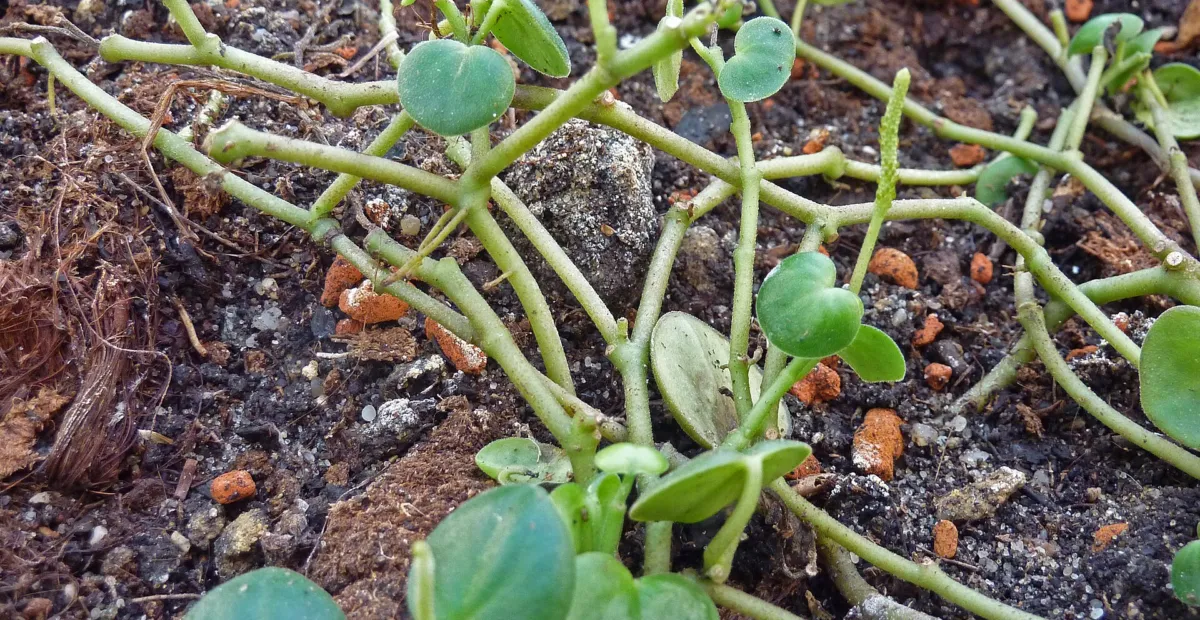
 Source:
Peperomia serpens short overview
Peperomia serpens is a tropical, trailing peperomia valued for glossy, bright-green, heart-shaped leaves and thick pinkish stems. In nature it grows as an epiphyte or lithophyte in humid tropical forests; indoors, it works well in a hanging basket, terrarium, or on a small trellis. Give it bright filtered light, a loose well-drained mix, moderate humidity, and water only after the surface begins to dry.
Taxonomic classification
Peperomia serpens care guide
Light and placement
Provide bright filtered light, such as an east-facing window, a lightly curtained west window, or a position several feet from a bright south-facing window. Gentle morning sun is usually acceptable, but intense midday exposure can scorch or bleach leaves. Too little light causes long, sparse stems and smaller leaves; excessive shade reduces vigor and flowering.
Watering and humidity
Water thoroughly when the upper 1–2 inches of mix has begun to dry, then let excess drain completely. Do not keep the pot standing in water or water on a rigid calendar. Reduce frequency in winter or in dim rooms, but do not allow the root ball to remain bone-dry for extended periods. Moderate humidity is helpful; constant leaf wetness is not.
Soil and growing medium
Use a loose, airy houseplant mix with added perlite, fine bark, or another drainage amendment. The substrate should hold some moisture without becoming wet or compacted. A slightly acidic to neutral reaction is suitable. Because this species is naturally epiphytic or lithophytic, avoid dense garden soil and containers that stay waterlogged.
Feeding
Feed during active spring and summer growth with a balanced liquid houseplant fertilizer diluted to about half the label strength every 4–6 weeks. Water the plant first if the mix is dry. Reduce or stop feeding during low-light winter conditions or after repotting until new growth resumes. Heavy feeding can damage roots and encourage weak, elongated growth.
Growth and habit
This flexible-stemmed perennial can creep across a surface, trail from a basket, or climb a small support. Growth is usually moderate in warm bright conditions and slows in cool or dim rooms. Pinching long stems encourages branching and fuller coverage, while allowing stems to extend emphasizes its vining habit.
Planting and repotting
In the United States, grow Peperomia serpens outdoors year-round only in frost-free locations comparable to USDA Zones 10–12. Plant or pot it during warm weather, keeping the crown at its original level. Allow trailing stems to spread or provide a small support. Space container-grown plants so foliage receives airflow rather than pressing against neighboring plants.
Repot in spring or early summer only when the root ball is crowded or the mix has degraded. Move up one pot size at most and preserve the shallow, airy root environment. A pot with drainage holes is essential. After repotting, water lightly and keep the plant in bright filtered light while it re-establishes.
Propagation and pruning
Propagation
Stem cuttings are the practical method. Take a healthy section with at least one node in spring or summer, remove lower leaves, and root it in lightly moist propagation mix or water before transferring it. Keep the cutting warm, humid, and in bright filtered light. Avoid saturating the medium, since tender cuttings can rot.
Pruning
Prune any time during active growth to remove damaged sections, control length, or encourage branching. Make clean cuts just above a node and use healthy cuttings for propagation. Avoid removing more than about one-third of the plant at once, especially during winter or after stress.
Overwintering
Keep indoors before nights fall below 60°F. Protect from drafts, cold glass, and heating vents. In winter, place it in the brightest available filtered light, water less often as growth slows, and stop fertilizing if the plant is not actively growing. Do not expose it to frost or prolonged temperatures below 50°F.
Uses
Primarily used as an ornamental indoor foliage plant in hanging baskets, terrariums, dish gardens, and small trellised displays. Its compact leaves and flexible stems suit bright offices and sheltered balconies in warm climates. It is not presented here as an edible or medicinal plant, despite historical records of medicinal use for the species in taxonomic databases.
Appearance
The plant has small, glossy, slightly fleshy, heart-shaped leaves arranged alternately along thick stems. Stems are often pinkish and may show fine hairs or stippling. Depending on the population or cultivated form, leaf undersides can show reddish, pink, or pale markings. Narrow upright spikes distinguish the inflorescences from the foliage.
Flowering
The inflorescences are slender upright spikes with very small flowers, generally described as white, green, or pale greenish. Houseplants may flower irregularly and often do so only when mature and well established. Flowering records from tropical populations occur across much of the year, so a precise indoor flowering calendar is not reliable.
Pollination and visitors
The species produces tiny flowers on narrow spikes, but reliable species-specific records identifying its animal pollinators were not found. Related Peperomia research indicates that self-pollination, agamospermy, wind, or small insect visits may contribute among different species, so no visitor group is assigned here.
Peperomia serpens photos
Click any photo for a larger view. Source, author and license are shown separately.
Diseases and pests
Diseases
Root rot is the principal disease risk and is usually associated with persistently wet media. Leaf spots may develop when foliage stays wet or air movement is poor. Use a clean, porous mix, water at the substrate, remove affected leaves, and improve ventilation. Avoid routine fungicide use unless a diagnosis supports it.
Pests
Watch for mealybugs, spider mites, aphids, scale, whiteflies, and fungus gnats. Inspect leaf axils and stems regularly, isolate affected plants, and remove small infestations with a water rinse or cotton swab dipped in diluted rubbing alcohol. Use an appropriately labeled insecticidal soap or horticultural oil when necessary, following the product label and testing sensitive foliage first.
Related diseases and pests
Only Plant Doctor profiles whose host data indicate this plant may be affected are shown here.
 PestCotton mealybugPhenacoccus solenopsis Tinsley
 PestCottony Cushion ScaleIcerya purchasi
 PestMealy Plum AphidHyalopterus pruni (Geoffroy, 1762)
 PestMelon aphid (cotton aphid)Aphis gossypii Glover
 DiseaseAlternaria leaf spot and fruit rotAlternaria alternata
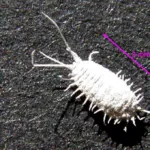 PestObscure mealybugPseudococcus viburni
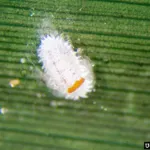 PestCitrus mealybugPlanococcus citri
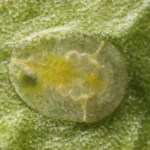 PestCitrus whiteflyDialeurodes citri
Toxicity and pollen
ASPCA lists vining peperomia, identified as Peperomia serpens variegata, as non-toxic to dogs and cats. This supports a low practical toxicity concern for the species, but any plant material can cause mild stomach upset if eaten in quantity. Prevent chewing when possible and contact a veterinarian or poison service if unusual symptoms occur.
- Typical season
- No defined US airborne-pollen season documented
- Pollination / pollen
- Pollen produced in small, localized inflorescences
Peperomia serpens is a flowering seed plant and therefore produces pollen, but no strong evidence indicates that it is a significant indoor airborne-pollen source. Its compact inflorescences and typical indoor cultivation suggest low practical exposure for most people; sensitive individuals should still avoid handling flowers if symptoms occur.
Native habitat
Peperomia serpens is native from southern Mexico through tropical America, including parts of the Caribbean and northern and central South America. It occurs in wet tropical forests, commonly on branches, trunks, rocks, or organic debris as an epiphyte or lithophyte. These conditions explain its preference for airy, moisture-retentive but rapidly draining media.
Interesting fact
This species is accepted under Peperomia serpens, while Peperomia scandens is a recorded synonym.
It can grow as an epiphyte or lithophyte in wet tropical habitats.
Its thick pinkish stems and glossy cordate leaves aid identification.
The plant can trail, creep, spread, or climb with support.
Its inflorescences are narrow spikes rather than showy petal-like blooms.
Frequently asked questions (FAQ)
The most relevant questions about this plant, with short and direct answers.
🌱Quick care
How do you care for Peperomia serpens indoors?⌄
Give Peperomia serpens bright filtered light, an airy well-drained mix, and moderate watering with partial dry-down between waterings. Protect it from cold drafts and frost.
Is Peperomia serpens easy to grow?⌄
Yes, Peperomia serpens is generally an easy, low-maintenance houseplant when it receives bright filtered light and is not overwatered. Its semi-succulent stems and leaves tolerate brief dry periods better than consistently wet soil.
Is Peperomia serpens a trailing plant?⌄
Yes, Peperomia serpens is a trailing or creeping vine with small, glossy, heart-shaped leaves. Mature stems can be allowed to cascade from a hanging basket or trained onto a small support.
🌤️Environment and placement
How much light does Peperomia serpens need?⌄
Peperomia serpens grows best in bright filtered or indirect light. Avoid strong hot afternoon sun, which can scorch the leaves, while very low light may cause sparse, stretched growth.
Can Peperomia serpens grow in low light?⌄
Peperomia serpens can tolerate lower indirect light, but it usually grows more slowly and may become leggy. Move it closer to a bright window or supplement with a grow light if stems stretch noticeably.
What window is best for Peperomia serpens?⌄
An east-facing window or a bright spot near a south- or west-facing window is suitable when the strongest direct rays are filtered. Keep the plant several feet back from intense afternoon sun if the leaves show bleaching or scorch.
Can Peperomia serpens grow in a terrarium?⌄
Yes, Peperomia serpens can grow well in a terrarium if the container has ventilation and the planting medium drains freely. Avoid keeping the roots constantly saturated, because trapped moisture can cause rot.
What temperature is best for Peperomia serpens?⌄
Keep Peperomia serpens in a warm indoor range and protect it from cold drafts, frost, and sudden temperature drops. It is frost tender and is generally best grown outdoors only in warm USDA Zones 10–12 conditions.
Does Peperomia serpens need high humidity?⌄
Peperomia serpens appreciates moderate humidity but usually adapts to typical indoor humidity. Good airflow and careful watering are more important than making the air exceptionally humid.
💧Care and problems
How often should you water Peperomia serpens?⌄
Water Peperomia serpens when the upper portion of the mix has dried and the plant is beginning to approach partial dry-down. Water thoroughly, then empty excess water from the saucer rather than keeping the roots wet.
How do you know when Peperomia serpens needs water?⌄
Check the potting mix with your finger and water when it has partly dried, while also watching for slightly softer or less firm leaves. Do not use a fixed calendar because indoor light, temperature, and pot size change drying speed.
Why are the leaves of my Peperomia serpens turning yellow?⌄
Yellow leaves on Peperomia serpens most often indicate overly wet soil or poor drainage, especially when several leaves yellow at once. Let the mix dry further between waterings and inspect the roots for rot if the stems are soft.
Why is my Peperomia serpens losing leaves?⌄
Leaf drop can result from overwatering, cold exposure, sudden environmental changes, or severe dryness. Check the roots and soil moisture first, then keep the plant warm with stable light and a consistent watering routine.
Why is my Peperomia serpens getting leggy?⌄
Leggy growth usually means Peperomia serpens is not receiving enough bright filtered light. Move it closer to a bright window or add a grow light, and prune the elongated stems to encourage a fuller appearance.
What pests attack Peperomia serpens?⌄
Peperomia serpens may attract mealybugs, spider mites, aphids, scale, whiteflies, or fungus gnats. Inspect stems, leaf undersides, and the soil regularly, and address infestations promptly with appropriate houseplant pest control.
How do you prevent root rot in Peperomia serpens?⌄
Prevent root rot by using a pot with drainage, an airy mix, and moderate watering that allows partial dry-down. Do not let the plant sit in a saucer of water or remain in dense, soggy soil.
Should you fertilize Peperomia serpens?⌄
You can fertilize Peperomia serpens lightly during active growth with a balanced, diluted houseplant fertilizer. Avoid heavy feeding or fertilizing very dry, stressed, recently repotted, or dormant plants.
🪴Planting and repotting
What is the best soil for Peperomia serpens?⌄
Use an airy, well-drained, humus-rich houseplant mix for Peperomia serpens. Adding materials such as perlite, fine orchid bark, or another aerating amendment can improve drainage and reduce the risk of waterlogged roots.
What type of pot does Peperomia serpens need?⌄
Choose a pot with drainage holes that is only slightly larger than the root ball. A container that is too large holds excess moisture and increases the risk of root rot.
When should you repot Peperomia serpens?⌄
Repot Peperomia serpens when roots fill the container, drainage becomes poor, or the mix has broken down. Repotting during active growth is usually less stressful, and the new pot should be only one size larger.
✂️Propagation and pruning
How do you propagate Peperomia serpens?⌄
Propagate Peperomia serpens primarily from healthy stem cuttings that include at least one node. Root the cutting in lightly moist, well-drained mix or in water, then provide bright filtered light and warmth.
Can you propagate Peperomia serpens in water?⌄
Yes, Peperomia serpens stem cuttings can root in water when a node is submerged and the leaves remain above the water. Transfer the cutting to a small, well-drained pot once roots are established.
Can Peperomia serpens be propagated from a leaf cutting?⌄
Stem cuttings are the more dependable propagation method for Peperomia serpens. A leaf without an attached piece of stem and node may not produce a complete new plant reliably.
Where should you cut Peperomia serpens for propagation?⌄
Cut just below a healthy node on a firm stem, using clean, sharp scissors or pruners. Remove lower leaves so the node can contact water or propagation medium without burying unnecessary foliage.
Should you prune Peperomia serpens?⌄
Yes, light pruning helps control the vines and can encourage a fuller shape. Remove weak, damaged, or excessively long stems just above a healthy node, and use healthy trimmings for propagation.
⚠️Toxicity and safety
Is Peperomia serpens toxic to cats?⌄
Peperomia serpens is generally regarded as non-toxic to cats. Even non-toxic plants can cause minor stomach upset if eaten in quantity, so contact a veterinarian if your cat shows concerning symptoms.
Is Peperomia serpens toxic to dogs?⌄
Peperomia serpens is generally regarded as non-toxic to dogs. Prevent excessive chewing, and contact a veterinarian if a dog develops vomiting, diarrhea, or other unusual symptoms after eating plant material.
🌸Flowering and special interest
Does Peperomia serpens produce flowers?⌄
Yes, Peperomia serpens can produce small white or greenish flower spikes. Houseplants may flower infrequently, and the blooms are usually less ornamental than the foliage.
Why is my Peperomia serpens not flowering?⌄
Peperomia serpens may fail to flower because indoor conditions do not provide enough bright filtered light or active-growth warmth. Flowering is not guaranteed indoors, and a healthy foliage plant does not necessarily need to bloom.
Similar plants
 Trailing Peperomia (Peperomia prostrata) care guidePeperomia prostrata
 He baby rubberpla (Peperomia obtusifolia) care guidePeperomia obtusifolia
 Rosso (Peperomia caperata ‘Rosso’)Peperomia caperata 'Rosso'
 Watermelon Peperomia (Peperomia argyreia) care guidePeperomia argyreia
 Peperomia ferreyrae care guidePeperomia ferreyrae
 Peperomia ‘Rosso’Peperomia 'Rosso'