
 Source:
Watermelon Peperomia (Peperomia argyreia) short overview
Watermelon Peperomia is a compact tropical perennial prized for round, silver-striped leaves carried on red petioles. Native to humid forests of southeastern Brazil, it is usually grown indoors in the United States, where bright filtered light, a loose well-drained mix, and careful watering help prevent root problems. Slender, inconspicuous flower spikes may appear, but the foliage is the main ornamental feature. It is listed as non-toxic to dogs and cats.
Taxonomic classification
Watermelon Peperomia (Peperomia argyreia) care guide
Light and placement
Give bright filtered or indirect light, ideally near an east- or north-facing window, or behind a sheer curtain at a brighter south- or west-facing window. Strong direct afternoon sun can bleach or scorch the leaves. Too little light may cause slower growth, duller markings, and elongated petioles. Rotate the pot periodically for even exposure.
Watering and humidity
Water thoroughly when the top 1–2 inches of mix feels partly dry, then let excess drain completely. Do not leave the pot standing in water. Water somewhat less often during winter or in dim conditions, and more promptly during warm, bright active growth. Keep humidity moderate but prioritize airflow and dry foliage.
Soil and growing medium
Use a loose, fast-draining houseplant mix with added perlite, orchid bark, or another coarse component. A peat- or coco-based substrate works well when it does not remain saturated. Slightly acidic to neutral conditions are suitable; the key practical requirement is rapid drainage and adequate air around the roots.
Feeding
Feed during active spring and summer growth with a balanced liquid houseplant fertilizer diluted to half the label rate about once monthly. Water first if the mix is dry. Reduce or stop feeding in low-light winter conditions and after repotting until new growth resumes.
Growth and habit
Forms a compact clump of long-stemmed leaves rather than a woody framework. Growth is generally slow to moderate indoors. Remove damaged leaves promptly, rotate the container for even development, and avoid excessive feeding, which can produce weak, stretched growth in low light.
Planting and repotting
In the United States, grow this frost-tender plant in containers indoors or move it outdoors only after nights remain consistently above 60°F. Set the root ball at its original depth and leave the crown uncovered. Allow space for the rosette to spread without crowding neighboring plants.
Repot in spring or early summer only when roots have filled the container or the mix has broken down. Move up just one pot size and preserve the shallow crown at its original level. Avoid oversized pots, which hold excess moisture and increase the risk of root rot.
Propagation and pruning
Propagation
Leaf or leaf-petiole cuttings and division are practical methods. Take healthy cuttings during active growth, let wounds briefly dry if succulent tissue is present, and root them in a lightly moist, airy medium with bright indirect light. Division is easiest when repotting a mature clump with naturally separated sections.
Pruning
Little pruning is required. Remove yellow, damaged, or diseased leaves at the base with clean scissors. Trim excessively long or damaged petioles only when necessary, and avoid removing large amounts of healthy foliage at once.
Overwintering
Bring containers indoors before temperatures fall below 60°F, and protect from all frost. Keep it in bright filtered light, away from cold windows and heating vents. Reduce watering as growth slows, but do not allow the mix to remain continuously wet.
Uses
Primarily used as a compact ornamental foliage plant for homes, offices, terrariums with adequate ventilation, and shaded patios in frost-free climates. It is suitable for containers and small indoor displays. No culinary or medicinal use is recommended for this ornamental houseplant.
Appearance
The identifying feature is a compact rosette of rounded, slightly heart-shaped leaves with alternating green and silvery bands that resemble watermelon rind. Leaves arise on red to reddish petioles. The plant has a soft herbaceous texture and may send up narrow flower spikes that are much less conspicuous than the foliage.
Flowering
The plant can produce slender, upright, pale green to cream flower spikes typical of Peperomia. Individual flowers are extremely small and embedded along the spike, so the inflorescences are subtle rather than showy. Flowering is secondary to the foliage and may occur indoors when plants are mature and growing actively.
Pollination and visitors
Reliable species-specific visitor records were not established in the reviewed sources. Research on Peperomia broadly indicates that flowers may involve self-pollination, agamospermy, wind, and/or insects depending on species; this should not be generalized as a confirmed visitor profile for P. argyreia.
Peperomia argyreia photos
Click any photo for a larger view. Source, author and license are shown separately.
Diseases and pests
Diseases
The main disease risk is root or stem rot caused by persistently wet media, poor drainage, or cool saturated conditions. Use a porous mix, water only when the upper layer has partly dried, and remove damaged tissue with sterile tools. Isolate affected plants and replace badly deteriorated soil.
Pests
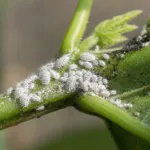
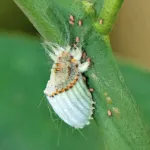
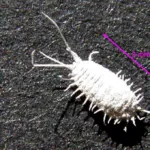
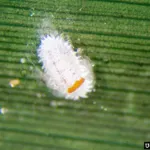
Watch for mealybugs, scale, fungus gnats, and spider mites, especially on stressed or chronically dry plants. Inspect leaf bases and petioles regularly, isolate infested plants, remove visible pests with a cotton swab or water spray, and use an appropriate labeled houseplant treatment when necessary.
Related diseases and pests
Only Plant Doctor profiles whose host data indicate this plant may be affected are shown here.
Toxicity and pollen
ASPCA lists Watermelon Peperomia (Peperomia argyreia) as non-toxic to dogs and cats. Normal handling is not considered hazardous, but any plant material can cause minor gastrointestinal upset if eaten in quantity, and individual sensitivities are possible. Do not treat the plant as food.
- Pollination / pollen
- Limited-release pollen from tiny flowers; exact dispersal profile uncertain
This is a small-flowered indoor ornamental with no well-established household airborne-pollen profile in the reviewed sources. Its inconspicuous inflorescences suggest relatively limited pollen exposure compared with highly wind-pollinated plants, but low exposure is not the same as zero allergy risk.
Native habitat
Native to humid tropical areas of Brazil, including parts of Bahia, Rio de Janeiro, and São Paulo. It is associated with wet tropical environments and may grow as a subshrub or epiphyte, making airy, moisture-balanced root conditions more appropriate than dense, waterlogged soil.
Interesting fact
Its common name refers to the watermelon-like silver and green leaf pattern, not to a fruiting habit. The foliage is carried on distinctly reddish petioles. Peperomia inflorescences are spikes made of minute flowers rather than conventional showy petals. The species is native to Brazil’s humid tropical regions.
Frequently asked questions (FAQ)
The most relevant questions about this plant, with short and direct answers.
🌱Quick care
What is Watermelon Peperomia?⌄
Watermelon Peperomia is the documented common name for Peperomia argyreia, a compact tropical houseplant in the Piperaceae family. It is grown mainly for its rounded, silver-and-green striped leaves and red leafstalks.
Is Watermelon Peperomia easy to care for?⌄
Yes, Watermelon Peperomia is generally easy to care for when it receives bright filtered light and is not overwatered. Its main risks are soggy soil, prolonged drought, cold drafts, and harsh direct sun.
How often should I water Watermelon Peperomia?⌄
Water Watermelon Peperomia when the surface of the potting mix has partly dried, then drain excess water thoroughly. Water less often during winter or when growth slows, and avoid keeping the soil constantly wet.
How much light does Watermelon Peperomia need?⌄
Watermelon Peperomia needs bright filtered or indirect light for strong growth and good leaf markings. Protect it from intense direct midday sun, which can scorch or fade the leaves.
What soil is best for Watermelon Peperomia?⌄
Use a loose, well-drained peat- or coco-based houseplant mix for Watermelon Peperomia. The mix should retain some moisture while allowing excess water to drain quickly.
🌤️Environment and placement
Where should I place Watermelon Peperomia indoors?⌄
Place Watermelon Peperomia near a bright window with filtered light, such as an east- or north-facing window or a shaded spot near a brighter exposure. Keep it away from hot glass, heating vents, and cold air-conditioning drafts.
What temperature is best for Watermelon Peperomia?⌄
Normal indoor temperatures are suitable for Watermelon Peperomia, but protect it from temperatures below about 55°F. Avoid frost, sudden temperature changes, and prolonged contact with cold windows in winter.
Does Watermelon Peperomia need high humidity?⌄
Watermelon Peperomia tolerates average household humidity and usually does not require a humidifier. Extra humidity can help in very dry homes, but good airflow and careful watering are more important than maintaining tropical humidity.
Can Watermelon Peperomia grow in a bathroom?⌄
Watermelon Peperomia can grow in a bathroom if the room has sufficient bright filtered light and reasonable airflow. A dim bathroom will not provide enough light, even if its humidity is favorable.
💧Care and problems
Why are my Watermelon Peperomia leaves turning yellow?⌄
Yellow leaves on Watermelon Peperomia most often indicate overwatering or soil that stays wet too long. Check drainage and roots, allow the surface to partly dry, and remove severely damaged leaves.
Why are Watermelon Peperomia leaves curling or drooping?⌄
Curling or drooping leaves usually mean the plant is too dry, exposed to heat or cold stress, or suffering from root damage. Check the soil moisture and roots before watering, because wilted leaves can also occur when wet soil has caused root rot.
Why does my Watermelon Peperomia have brown leaf edges?⌄
Brown leaf edges can result from severe dryness, intense direct sunlight, low humidity combined with heat, or root damage from overwatering. Correct the environmental problem and trim only the dead tissue if desired.
Why are my Watermelon Peperomia leaves losing their stripes?⌄
Faded or less-defined striping usually results from insufficient light, although harsh direct sun can also discolor the foliage. Move the plant to brighter filtered light and avoid abrupt exposure changes.
How do I treat pests on Watermelon Peperomia?⌄
Inspect Watermelon Peperomia for mealybugs, scale, aphids, and other common houseplant pests, especially around leaf joints and undersides. Isolate the plant and treat promptly with a suitable houseplant pest-control method according to its label.
Can I fertilize Watermelon Peperomia?⌄
Yes, fertilize Watermelon Peperomia during active growth with a balanced houseplant fertilizer diluted to half strength. Avoid heavy feeding and reduce or stop fertilizer during the plant’s slower winter growth.
🪴Planting and repotting
Does Watermelon Peperomia like to be root-bound?⌄
Watermelon Peperomia generally tolerates being slightly root-bound and does not need frequent repotting. Repot only when the plant is clearly crowded or the mix has degraded, using a pot just one size larger.
When should I repot Watermelon Peperomia?⌄
Repot Watermelon Peperomia in spring or during active growth when possible. Choose a container with drainage holes and avoid moving it into an oversized pot that may keep the small root system too wet.
What type of pot is best for Watermelon Peperomia?⌄
Use a small pot with drainage holes that matches the plant’s relatively modest root system. Terracotta can help the mix dry faster, while plastic is also suitable if watering is adjusted carefully.
Can Watermelon Peperomia grow outdoors?⌄
Watermelon Peperomia can spend warm-weather periods outdoors in bright shade, but it should be protected from direct hot sun, heavy rain, cold temperatures, and frost. Bring it indoors before temperatures approach its minimum tolerance.
✂️Propagation and pruning
How do you propagate Watermelon Peperomia?⌄
Watermelon Peperomia can be propagated by division, leaf cuttings, or stem cuttings. Division is useful for mature clumps, while leaf or stem cuttings need warm conditions, lightly moist well-drained media, and patience.
Can you propagate Watermelon Peperomia from a leaf?⌄
Yes, Watermelon Peperomia can be propagated from a healthy leaf with its petiole or from sections of the leaf blade. Keep the cutting in a warm, lightly moist, well-drained medium, but expect rooting and new growth to be gradual.
Can Watermelon Peperomia be propagated in water?⌄
Watermelon Peperomia cuttings may root in water, but transferring delicate roots into soil can be stressful. Soil propagation in a lightly moist, airy mix is often the more direct approach.
Should I prune Watermelon Peperomia?⌄
Routine pruning is not necessary for Watermelon Peperomia, but you can remove yellow, damaged, or dead leaves with clean scissors. Pruning leggy growth can improve the shape, and healthy cuttings may be used for propagation.
⚠️Toxicity and safety
Is Watermelon Peperomia toxic to cats?⌄
Watermelon Peperomia, Peperomia argyreia, is listed as non-toxic to cats by the ASPCA. Even non-toxic plants may cause mild digestive upset if a pet eats a large amount.
Is Watermelon Peperomia toxic to dogs?⌄
Watermelon Peperomia, Peperomia argyreia, is listed as non-toxic to dogs by the ASPCA. Prevent excessive chewing because any plant material can potentially upset a pet’s stomach.
🌸Flowering and special interest
Does Watermelon Peperomia flower?⌄
Yes, Watermelon Peperomia can produce slender cream-colored to greenish flower spikes, usually during active growth. The flowers are relatively inconspicuous compared with its ornamental foliage.
What should I do when my Watermelon Peperomia blooms?⌄
You can leave Watermelon Peperomia flower spikes in place or remove them if you prefer a tidier appearance. Cutting them off is not required for plant health, and flowering does not usually need special care.
Similar plants
 Blue Oat-grass (Helictotrichon sempervirens) care guideHelictotrichon sempervirens
 Blue Fescue (Festuca glauca) care guideFestuca glauca
 Buffelgrasses (Cenchrus) care guideCenchrus
 Proso Millet (Panicum miliaceum) care guidePanicum miliaceum
 Switchgrass (Panicum virgatum) care guidePanicum virgatum
 Sister Agnes (Nerium oleander ‘Sister Agnes’)Nerium oleander 'Sister Agnes'