
 Source:
 Obscure mealybug
Pseudococcus viburniObscure mealybug overview
Obscure mealybug (Pseudococcus viburni) is a sap-feeding insect pest of grapevines, fruit trees, greenhouse crops and ornamentals. Colonies hide in leaf axils, beneath bark, around fruit clusters and in dense foliage. Feeding causes yellowing, weakening and honeydew deposits that support black sooty mold. Accurate identification matters because it resembles several other mealybug species with different management considerations.
Typical conditions
Overview
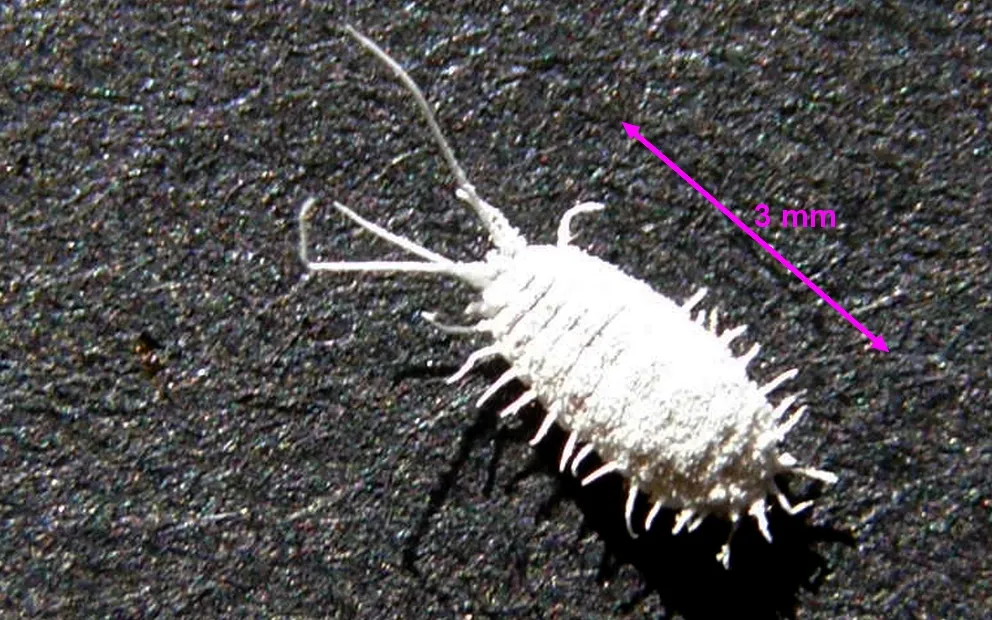
Adult females and older nymphs are oval, pinkish to grayish insects covered with white, powdery wax. They commonly occupy protected sites such as leaf axils, dense foliage, fruit clusters, rough bark, roots, crowns and cracks around greenhouse benches or containers. The rear wax filaments are prominent but generally shorter than the body, helping distinguish this species from the longtailed mealybug.
Feeding removes plant sap and may reduce vigor, fruit quality and marketability. The insects excrete honeydew, which makes foliage and fruit sticky and encourages black sooty mold. On grapes and some fruit crops, colonies may remain concealed beneath bark or within clusters until harvest.
Symptoms and identification
- White cottony colonies in leaf axils, along veins, beneath bark, around fruit stems or in dense foliage.
- Yellowing, curling, stunting, premature leaf decline and reduced shoot vigor during heavier infestations.
- Sticky honeydew on leaves, fruit or surfaces below the plant, often followed by black sooty mold.
- Mealybugs or egg sacs concealed in grape clusters, calyx cavities, pruning wounds, pot rims or root-zone material.
- Fruit contamination, rejection or reduced quality where insects or honeydew remain at harvest.
These symptoms are not species-specific. A hand lens or specialist confirmation may be needed to separate P. viburni from grape, citrus, longtailed and other mealybugs.
Causes and spread
Spread occurs mainly when crawlers or adults are carried on infested nursery stock, cuttings, tools, clothing, animals, workers, containers or harvested plant material. Crawlers can move between touching plants, while ants may transport and protect honeydew-producing mealybugs and interfere with natural enemies. In vineyards and orchards, rough bark, trunk crevices, dense canopies, weeds and neglected plant material provide protected refuges.
Infestations are favored by excessive nitrogen fertility, plant crowding, limited inspection and repeated use of broad-spectrum insecticides that disrupt predators and parasitoids.
Life cycle and persistence
Females lay yellowish to orange eggs in a cottony ovisac. Newly hatched crawlers are mobile and yellow to orange-brown; they disperse to feeding sites before settling. Nymphs pass through several molts, and adult females remain wingless and sap-feeding. Adult males are small, winged and short-lived.
Development depends strongly on temperature and host plant. In protected culture, overlapping stages can occur and crawlers may continue emerging for several weeks. In outdoor vineyards and orchards, eggs and immature stages can shelter under bark or in other protected sites, with activity increasing during warm growing conditions. Exact generation number varies by climate and crop, so monitoring is more reliable than relying on a fixed calendar.
Treatment and control
Begin with localized measures when practical. Isolate infested container plants, remove heavily infested shoots or leaves, and use a firm water spray to dislodge colonies from accessible surfaces. On woody plants, carefully inspect and clean bark crevices and fruit clusters without spreading infested material.
For greenhouse and indoor plants, repeated applications of a labeled contact product may be needed because wax, egg sacs and concealed colonies reduce penetration. Treat only when monitoring shows an active infestation, protect flowers and beneficial organisms, and test products on a small area first for phytotoxicity. In vineyards and orchards, coordinate timing with crop-specific scouting, dormant or early-season inspections where appropriate, ant management and conservation of natural enemies.
Species confirmation is especially valuable when infestations are persistent, when fruit is being produced for sale, or when quarantine or export requirements may apply.
Low-impact and biological control
- Physically remove colonies with a cotton swab or soft brush and, where appropriate, a dilute soap product labeled for the crop.
- Use strong water sprays on sturdy plants to remove crawlers, nymphs and adults; repeat monitoring and treatment because hidden stages may remain.
- Conserve or release compatible biological controls, including the mealybug destroyer lady beetle Cryptolaemus montrouzieri and suitable parasitoid wasps, especially in greenhouses.
- Avoid broad-spectrum insecticides when possible because they can kill predators and parasitoids and trigger secondary outbreaks.
- Control tending ants with exclusion, sanitation and appropriately labeled baiting practices so biological control agents can reach colonies.
- Remove severely infested plants or plant parts and dispose of them in sealed bags rather than composting active infestations.
Biological control works best against early, accessible infestations and may be less effective where colonies are protected by dense wax, bark or ants.
Prevention
- Buy plants and cuttings from reputable sources and inspect leaf axils, stems, undersides, roots, pot rims and bark before purchase or introduction.
- Quarantine new greenhouse or houseplant material and monitor it repeatedly for several weeks.
- Prune or thin dense growth to improve inspection, coverage and airflow; remove weeds and volunteer hosts around production areas.
- Clean tools, benches, pots and harvest equipment. Do not move heavily infested plants or contaminated plant debris to clean areas.
- Avoid excessive nitrogen and manage irrigation to maintain steady, non-stressed growth.
- Monitor ants and reduce their access to plants where they are tending mealybugs.
- Use sticky cards, direct plant inspection and hand lenses; record colony locations and inspect again after treatment because eggs and crawlers may emerge over time.
Interesting facts
- The species name viburni does not mean it feeds only on viburnum; documented hosts span many plant families.
- Older literature may use the names Pseudococcus affinis or Pseudococcus obscurus, which can complicate database and label searches.
- Obscure mealybug resembles several other wax-covered mealybugs, so a photograph alone may not provide a reliable species identification.
- In vineyards, colonies can hide under bark and inside clusters, making visible canopy scouting an incomplete sampling method.
- Honeydew contamination can be economically important even when direct feeding injury appears modest.
Use only insecticides legally authorized for Pseudococcus viburni and the specific crop or plant in the United States. Product registrations, treated crops, rates, reentry intervals, pollinator restrictions and resistance-management requirements can change; follow the current product label exactly. Do not apply any pesticide to edible crops, greenhouse crops or ornamentals unless the label specifically permits that use. Avoid routine broad-spectrum applications that disrupt biological control, and obtain professional or extension guidance when species identification is uncertain.
Affected plants
The plants below are linked to this problem by structured host-plant data. The list updates automatically as new plant profiles are added.
 Arrowwood (Viburnum carlesii) care guideViburnum carlesii
 David Viburnum (Viburnum davidi) care guideViburnum davidi
 Arrow-wood (Viburnum dentatum) care guideViburnum dentatum
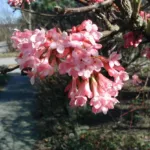 Fragrant viburnum (Viburnum farreri) care guideViburnum farreri
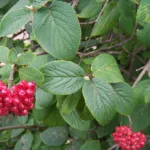 Wayfaring-tree (Viburnum lantana) care guideViburnum lantana