 Source:
 Begonia ‘Gryphon’ short overview
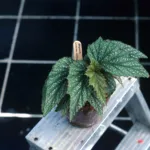
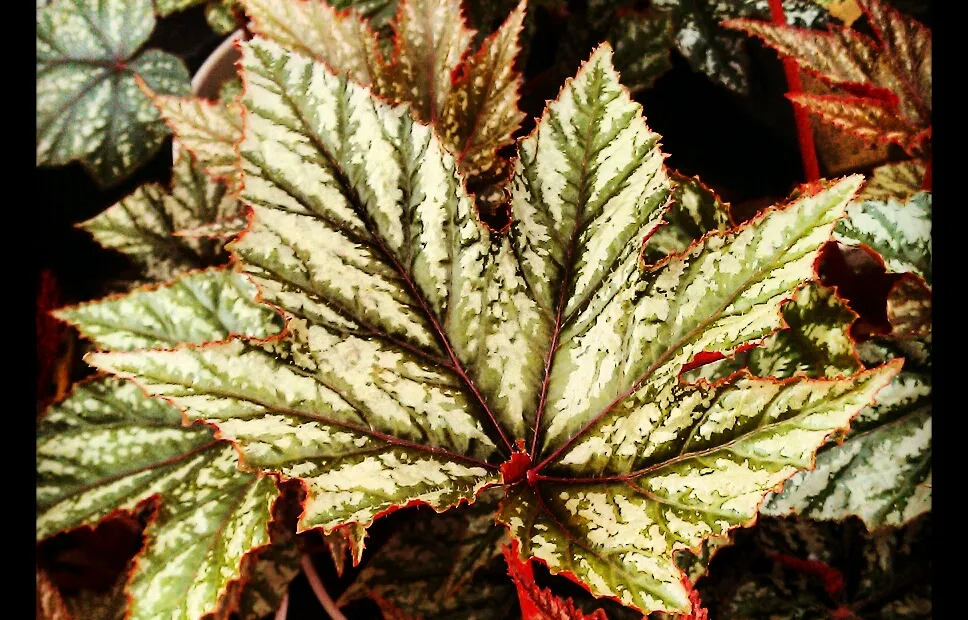
Begonia ‘Gryphon’ is an upright, cane-type begonia grown primarily for its dramatic foliage rather than abundant flowers. Large palmate leaves combine rich green coloring with silver streaks and gray markings, while the undersides and slender stems show deep orange-red tones. It performs well in bright filtered or shaded light, making it useful as a houseplant, sheltered patio container, or seasonal shade-garden accent in the United States.
Taxonomic classification
Begonia ‘Gryphon’ care guide
Light and placement
Place ‘Gryphon’ near an east-facing window, or several feet back from a bright south- or west-facing window behind a sheer curtain. It can tolerate shade but may become lanky and produce smaller, less strongly marked leaves. Harsh direct midday sun can bleach or scorch the foliage, especially through glass. Rotate the container periodically for even growth.
Watering and humidity
Water thoroughly when the upper layer of mix has begun to dry, then let excess drain completely. Keep the root zone moderately moist during active growth without leaving the pot in a saucer of water. Reduce frequency in winter or whenever growth slows. Avoid repeated wetting of the leaves and avoid cold, saturated soil, which increases the risk of stem and root rot.
Soil and growing medium
Use a loose, airy medium that combines water-holding organic matter with drainage components such as perlite, fine bark, or another porous amendment. A humus-rich loam or quality houseplant mix is suitable. The cultivar is not tied to a narrow pH range, but compacted or poorly drained soil is unsuitable and can cause rapid root and stem problems.
Feeding
Feed during active spring and summer growth with a balanced soluble fertilizer diluted to about half the label strength. Apply to already-moist soil rather than dry roots. Little or no fertilizer is needed during winter dormancy or slow growth. Flush the pot occasionally to reduce soluble-salt buildup, especially when using frequent liquid feeding.
Growth and habit
‘Gryphon’ forms upright, semi-woody cane-like stems and develops a rounded to mounded outline as it branches. Older stems can become bare at the base, particularly after winter or low-light conditions. Pinching growing tips can encourage branching, while staking may help if tall canes become top-heavy. It can persist for years when protected from cold and excessive winter moisture.
Planting and repotting
Use a sheltered, shaded site or container with excellent drainage. Plant only after frost risk has passed and soil has warmed. Keep the crown and cane bases at their original depth, firm the medium gently, and water once to settle roots. Leave enough space around the plant for airflow because crowded, humid conditions favor mildew and rot.
Repot in spring when roots have filled the container or the mix has decomposed. Move only one pot size larger and use a porous, well-drained medium. Handle the fleshy stems carefully, keep the original planting depth, and allow the surface to dry slightly before the next thorough watering.
Propagation and pruning
Propagation
RHS references propagation by seed or division. Cane begonias are also commonly increased from healthy stem cuttings, although cultivar-specific propagation instructions were not located. Take cuttings during active growth, allow wounds to dry briefly, and root them in a clean, airy medium kept lightly moist rather than wet.
Pruning
Pruning is not usually required. Remove yellow, damaged, or diseased leaves promptly with clean tools. Pinch or cut back leggy cane tips just above a node during active growth to encourage branching. Avoid heavy pruning immediately before cool, wet conditions, when fresh cuts may be more vulnerable to rot.
Overwintering
Treat ‘Gryphon’ as frost-tender. In USDA Zones 8–10, it may be overwintered outdoors only in a sheltered, protected position with sharply reduced winter watering. In colder areas, bring containers indoors before temperatures approach freezing. Provide bright indirect light, warmth, good airflow, and less frequent watering while growth is slow.
Uses
Used as a dramatic foliage accent in indoor collections, shaded patios, porch containers, mixed shade containers, and seasonal bedding displays. It is especially useful where silver foliage and reddish leaf undersides provide contrast. It is ornamental only; no culinary or medicinal use is supported.
Appearance
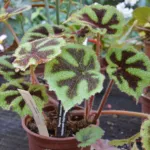
The most distinctive features are large asymmetrical palmate leaves with rich green surfaces, metallic silver streaking, and irregular gray markings. Leaf undersides and slender stems are deep orange-red to reddish bronze. The cane-like stems, fibrous root system, and strongly patterned foliage distinguish it from many compact bedding begonias.
Flowering
Flowering is described as rare, and commercial and garden references emphasize the foliage rather than bloom performance. A dependable flowering season, flower color, and floral form for this exact cultivar were not established in the consulted authoritative sources, so those details are left unspecified.
Pollination and visitors
The exact cultivar is reported to flower rarely, and reliable documentation of its animal flower visitors or pollinators was not found. Its value in cultivation is primarily ornamental foliage rather than a documented pollinator resource.
Diseases and pests
Diseases
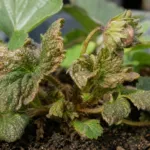
Poor airflow, wet foliage, and cold saturated media can encourage powdery mildew, gray mold, stem rot, and root rot. Improve ventilation, water at the soil surface, remove affected tissue, and discard severely rotted plants. Avoid crowding and do not keep the container standing in water.
Pests
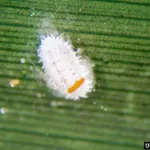
Watch for whiteflies, thrips, mites, mealybugs, aphids, caterpillars, and vine weevils, particularly on stressed or greenhouse-grown plants. Inspect leaf undersides and stem joints regularly. Isolate affected plants, remove small infestations manually, and use an appropriately labeled insecticidal soap or horticultural oil when necessary, following the product label.
Related diseases and pests
Only Plant Doctor profiles whose host data indicate this plant may be affected are shown here.

Toxicity and pollen
ASPCA lists Begonia species as toxic to dogs and cats because of soluble calcium oxalates, with the underground parts identified as the most toxic. Exact toxicity data for the ‘Gryphon’ cultivar were not found, so this is a genus-level precaution rather than cultivar-specific testing. Keep stems, leaves, and especially roots or discarded cuttings away from pets and children; seek professional advice after ingestion.
- Typical season
- No reliable cultivar-specific season documented
- Pollination / pollen
- Pollen is produced only when flowers are present; cultivar-specific dispersal information is unavailable.
‘Gryphon’ rarely flowers, which limits expected pollen exposure, but rare flowering does not establish zero allergy risk. No reliable research was found on airborne pollen quantity or allergenicity for this exact cultivar. People with strong plant allergies should avoid handling flowers or dusty plant debris and wash hands afterward.
Native habitat
This is a cultivated hybrid or cultivar rather than a documented wild population. Its cane-begonia growth pattern is associated with warm, humid, frost-free environments, but ‘Gryphon’ is selected for adaptable container and indoor culture. It performs best in sheltered, organic, well-drained media with filtered light rather than exposed cold or waterlogged sites.
Interesting fact
‘Gryphon’ was introduced in 2009 by PanAmerican Seed and is also marketed under the trade name Pegasus®. The cultivar’s name refers to the mythical griffin. Its silver-marked leaves and red-orange undersides are the primary ornamental features, and the plant can survive for years with protected winter care despite often being sold as a seasonal container plant.
Frequently asked questions (FAQ)
The most relevant questions about this plant, with short and direct answers.
🌱Quick care
How do you care for Begonia 'Gryphon'?⌄
Grow Begonia 'Gryphon' in bright filtered light, well-drained humus-rich soil, and moderate, even moisture. Let the soil dry slightly between waterings, because consistently soggy soil can cause root or stem rot.
🌤️Environment and placement
Is Begonia 'Gryphon' an indoor or outdoor plant?⌄
Begonia 'Gryphon' works as either an indoor plant or a warm-season outdoor container and bedding plant. Bring it indoors before temperatures fall below about 50°F, and protect it from freezing.
How much light does Begonia 'Gryphon' need indoors?⌄
Provide bright, indirect or filtered light indoors, such as near an east- or west-facing window with protection from harsh afternoon sun. Low light can produce slower, leggier growth.
Can Begonia 'Gryphon' grow in shade?⌄
Yes, Begonia 'Gryphon' grows well in partial to full shade outdoors, provided the location is bright enough for healthy foliage. Avoid intense direct afternoon sun, which can scorch the leaves.
Can Begonia 'Gryphon' tolerate direct sun?⌄
Begonia 'Gryphon' may tolerate gentle morning sun, but it generally performs best in filtered light or shade. Protect it from hot afternoon sun, especially during summer.
What temperature is best for Begonia 'Gryphon'?⌄
Begonia 'Gryphon' prefers warm conditions around 65–75°F during the day and should be protected from cold drafts and freezing temperatures. Move outdoor plants inside before the first frost.
Is Begonia 'Gryphon' hardy in the United States?⌄
Begonia 'Gryphon' is frost-tender and is generally grown outdoors as a warm-season plant in areas colder than USDA Zones 8–10. In colder regions, overwinter it indoors as a houseplant.
Can Begonia 'Gryphon' be overwintered indoors?⌄
Yes, Begonia 'Gryphon' can be overwintered indoors in bright filtered light and warm conditions. Reduce watering as growth slows, but do not allow the potting mix to remain cold and saturated.
💧Care and problems
How often should you water Begonia 'Gryphon'?⌄
Water Begonia 'Gryphon' when the top 1–2 inches of soil feel dry, then let excess water drain fully. The schedule may range from weekly to less often depending on light, temperature, pot size, and humidity.
Does Begonia 'Gryphon' like to stay moist?⌄
Begonia 'Gryphon' likes moderate moisture but should not remain constantly wet. Keep the soil evenly but lightly moist during active growth, allowing a slight drying period between waterings.
Why are the stems of my Begonia 'Gryphon' rotting?⌄
Stem rot is commonly associated with overwatering, poor drainage, cold wet soil, or limited air circulation. Remove damaged tissue, improve drainage, and wait until the upper soil dries before watering again.
Why are Begonia 'Gryphon' leaves turning brown?⌄
Brown leaves can result from strong direct sun, dry soil, low humidity, or inconsistent watering. Check the roots and soil moisture as well as the plant’s exposure to hot afternoon light.
Why is my Begonia 'Gryphon' losing leaves?⌄
Leaf drop can follow cold temperatures, sudden changes in light, overwatering, underwatering, or root damage. Stabilize the plant in warm filtered light and correct the soil moisture problem before adding fertilizer.
Does Begonia 'Gryphon' need fertilizer?⌄
Feed Begonia 'Gryphon' with a balanced fertilizer at reduced strength about monthly during active growth. Avoid heavy feeding when growth slows in winter or when the plant is stressed by wet roots.
What pests attack Begonia 'Gryphon'?⌄
Begonia 'Gryphon' can be affected by whiteflies, thrips, mites, and mealybugs. Inspect leaf undersides and stems regularly, isolate infested plants, and treat promptly with a product labeled for indoor plants.
Why does Begonia 'Gryphon' have powdery mildew?⌄
Powdery mildew is more likely when Begonia 'Gryphon' has poor air circulation, crowded growth, or persistently damp foliage. Improve spacing and airflow, avoid wetting the leaves, and remove severely affected tissue.
🪴Planting and repotting
What soil is best for Begonia 'Gryphon'?⌄
Use a porous, well-drained indoor potting mix enriched with humus or other organic matter. A mix containing perlite or another drainage material helps prevent the wet conditions that encourage root and stem rot.
What type of pot does Begonia 'Gryphon' need?⌄
Plant Begonia 'Gryphon' in a pot with drainage holes and choose a size only slightly larger than its root ball. An oversized container can stay wet too long and increase the risk of rot.
When should you repot Begonia 'Gryphon'?⌄
Repot Begonia 'Gryphon' when roots fill the container, drainage becomes poor, or the potting mix has broken down, preferably during active growth. Move it into only the next pot size and use fresh, porous mix.
Can Begonia 'Gryphon' be planted in the garden?⌄
Yes, Begonia 'Gryphon' can be planted in a sheltered, shaded garden location with rich, well-drained soil during the warm season. Treat it as an annual where winter temperatures regularly reach freezing.
✂️Propagation and pruning
How do you propagate Begonia 'Gryphon'?⌄
Begonia 'Gryphon' is commonly propagated from healthy stem cuttings. Take a cutting with at least one node, remove lower leaves, and root it in water or a lightly moist, well-drained medium in warm, bright filtered light.
Can you propagate Begonia 'Gryphon' from a leaf cutting?⌄
Leaf or petiole propagation may work with some begonias, but stem cuttings are the more dependable choice for Begonia 'Gryphon'. Keep any propagation medium lightly moist rather than saturated to reduce rot.
How do you prune Begonia 'Gryphon'?⌄
Prune Begonia 'Gryphon' by removing damaged growth and trimming overly long stems just above a node. Pinching growing tips can encourage a fuller shape, although heavy pruning is usually unnecessary.
⚠️Toxicity and safety
Is Begonia 'Gryphon' toxic to dogs?⌄
Yes, Begonia 'Gryphon' is toxic to dogs if ingested. Keep the plant and fallen leaves out of reach, and contact a veterinarian if your dog chews or eats any part of it.
Is Begonia 'Gryphon' toxic to cats?⌄
Yes, Begonia 'Gryphon' is toxic to cats if ingested. Place it where cats cannot reach it and seek veterinary advice if ingestion occurs or symptoms develop.
🌸Flowering and special interest
Does Begonia 'Gryphon' flower?⌄
Begonia 'Gryphon' can flower, but it is grown primarily for its silver-and-green foliage and may bloom rarely or inconspicuously. Bright filtered light, adequate nutrition, and active growth can support flowering, but blooms are not its main feature.
How do you make Begonia 'Gryphon' bloom?⌄
To encourage flowering, provide bright filtered light, consistent moderate watering, and balanced fertilizer during active growth. Even with good care, Begonia 'Gryphon' may produce few flowers because it is principally valued as a foliage plant.
Should you deadhead Begonia 'Gryphon'?⌄
Deadheading is optional for Begonia 'Gryphon' because its flowers are not the primary ornamental feature. Remove spent blooms or flower stems only to improve appearance or redirect energy toward foliage.