 Source:
 Clubbed begonia (Begonia cucullata) short overview
Begonia cucullata, commonly called clubbed begonia, is a frost-tender South American perennial grown as a bedding annual or container plant in the United States. Its glossy, succulent leaves and white, pink, or red flowers perform best in bright filtered light, evenly moist but well-drained soil, and warm conditions. Protect it from frost, harsh afternoon sun, and prolonged waterlogging. Begonia cucullata is an accepted South American species in Begoniaceae and a parent of the familiar wax-begonia horticultural complex. It forms a glossy, rounded mound of fleshy green foliage and bears small white, pink, or red flowers.
Taxonomic classification
Clubbed begonia (Begonia cucullata) care guide
Light and placement
Give bright filtered light indoors, or morning sun and afternoon shade outdoors. A north- or east-facing window is usually gentler indoors; outdoors, protect from intense reflected afternoon heat. Pale, stretched growth indicates too little light, while bleached patches, crisp margins, or leaf scorch indicate excessive direct sun.
Watering and humidity
Water when the top 1 inch of mix feels dry, soaking thoroughly until excess drains away. Empty saucers and do not leave the pot standing in water. Increase frequency during hot active growth and reduce it in cool, dim winter conditions, while never allowing the root ball to remain chronically saturated.
Soil and growing medium
Use a fertile, airy potting mix with compost or other humus and reliable drainage. A slightly acidic to neutral reaction is suitable. Avoid dense, waterlogged soil; fibrous roots and fleshy stems are prone to decline when oxygen is excluded.
Feeding
Feed during active growth with a balanced liquid fertilizer diluted to half the label rate every 2–4 weeks, or use a controlled-release product according to its label. Water the plant first if the medium is dry. Stop or greatly reduce feeding during cool, low-light winter conditions.
Growth and habit
A compact, bushy, fleshy-stemmed plant that branches into a rounded mound. Pinching young plants encourages fuller growth, while insufficient light can produce weak, elongated stems. Remove spent flowers and damaged foliage to maintain ventilation and appearance.
Planting and repotting
Plant outdoors after the danger of frost has passed and soil has warmed. Set plants at the same depth as in their nursery container, with 8–12 inches between compact plants and more space for larger forms. Water thoroughly after planting and keep evenly moist while establishing.
Repot in spring only when roots have filled the container or the mix has broken down. Move up one pot size, preserve the root ball, and use a drainage hole. Avoid burying the fleshy stem deeper than it was previously planted.
Propagation and pruning
Propagation
Sow the very fine seeds on the surface of a sterile, moist medium; do not cover them deeply. Keep warm and humid with bright filtered light. Stem cuttings can root readily in a clean, lightly moist medium during active growth. Seedlings may differ from the parent.
Pruning
Pinch growing tips to encourage branching and cut back stretched or damaged stems just above a healthy node. Remove spent flowers and yellow leaves promptly. Avoid heavy pruning during cold, low-light periods, when wounds dry slowly and regrowth is weak.
Overwintering
Before the first frost, move container plants indoors or take healthy cuttings. Provide bright filtered light, temperatures above 55°F, and reduced watering through winter. Check carefully for pests before bringing plants inside. Outdoor plants in freezing climates usually do not survive winter reliably.
Uses
Useful for summer bedding, edging, containers, window boxes, sheltered balconies, and indoor displays with strong filtered light. It is valued primarily for flowers and glossy foliage. Do not promote it as an edible or medicinal plant, and consider its pet toxicity when selecting planting sites.
Appearance
Leaves are rounded to ovate, glossy, fleshy, and commonly scalloped or crenate along the margins. The stems are soft and succulent rather than woody. Flowers rise on slender stalks above the foliage, and the plant usually forms a compact mound. The three-winged fruit capsule is a useful identification feature after flowering.
Flowering
Separate male and female flowers occur on the same plant. Small flowers are borne above the foliage and may continue through the warm season when moisture and nutrition are steady. Flowering is reduced by deep shade, drought, severe heat stress, or cold.
Pollination and visitors
The small flowers can be visited by bees, but this species is not generally documented as a major pollinator resource. Separate male and female flowers support insect-mediated pollen transfer, with visitation likely varying by local abundance and weather.
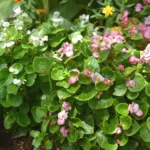
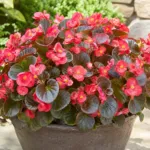
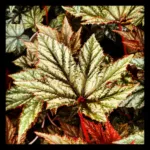
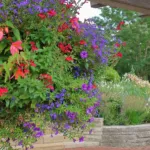
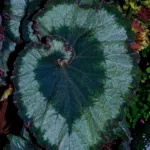
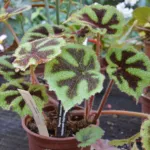
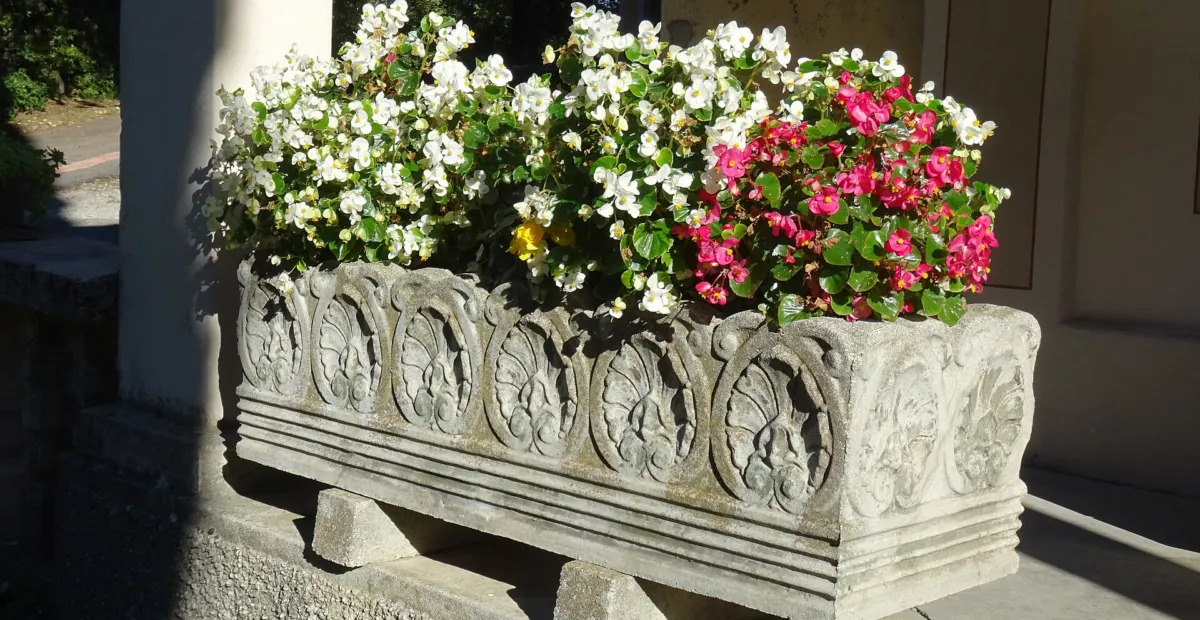
Begonia cucullata photos
Click any photo for a larger view. Source, author and license are shown separately.
Diseases and pests
Diseases
Prevent gray mold, powdery mildew, and bacterial leaf problems by improving air movement, watering the soil rather than the foliage, and removing fallen leaves. Discard badly infected tissue and avoid keeping plants constantly wet. Root rot usually indicates poor drainage or excessive watering.
Pests
Watch for aphids, whiteflies, thrips, mealybugs, and slugs. Inspect leaf undersides and new growth, isolate infested containers, and begin with water washing or hand removal. Use labeled insecticidal soap or horticultural oil only when needed and according to the product label.
Related diseases and pests
Only Plant Doctor profiles whose host data indicate this plant may be affected are shown here.
 PestCitrus mealybugPlanococcus citri
 PestCyclamen mitePhytonemus pallidus
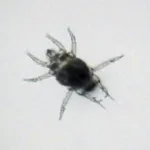 PestBroad mitePolyphagotarsonemus latus (Banks)
 DiseaseCucumber mosaic virusCucumber mosaic virus
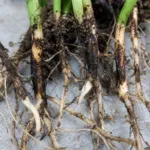 DiseaseBlack Root RotBerkeleyomyces basicola
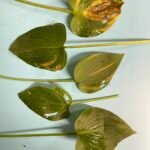 PestStrawberry foliar nematodeAphelenchoides fragariae
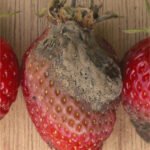 DiseaseGray MoldBotrytis cinerea
 DiseaseMaple powdery mildewSawadaea bicornis
Toxicity and pollen
Begonia species contain soluble calcium oxalates, with the greatest concentration generally in underground parts. Chewing may cause mouth irritation, drooling, vomiting, or gastrointestinal upset in pets. Handle normally, prevent ingestion, and contact a veterinarian or poison service after suspected exposure.
- Typical season
- Late spring through fall outdoors; indoor exposure is usually limited
- Pollination / pollen
- Insect-dispersed pollen; not typically windborne in large quantities
Begonia cucullata is insect-pollinated and its pollen is not typically described as a major airborne seasonal allergen. Close handling of flowers may still expose sensitive people to pollen or plant particles; individuals with known plant allergies should use ordinary precautions.
Native habitat
Native from Bolivia through Brazil and northern Argentina, where it occurs in warm, wet tropical and subtropical environments. It is associated with moist soils and open or disturbed habitats rather than prolonged freezing conditions. In Florida, escaped plants may persist beyond cultivation and are treated as an invasive concern in some assessments.
Interesting fact
This species is one of the wild relatives associated with the widely cultivated wax-begonia complex. It produces separate male and female flowers on one plant and develops a three-winged capsule containing extremely fine seeds. In warm regions it can persist as a perennial, while colder U.S. gardens commonly treat it as an annual.
Frequently asked questions (FAQ)
The most relevant questions about this plant, with short and direct answers.
🌱Quick care
How do you care for clubbed begonia indoors?⌄
Give Begonia cucullata bright filtered light, evenly moist well-drained soil, and warm conditions. Water when the surface begins to dry, but do not let the pot sit in water.
🌤️Environment and placement
How much light does clubbed begonia need?⌄
Clubbed begonia grows best in bright filtered light or partial shade. Protect it from intense afternoon sun, which can scorch leaves and cause the potting mix to dry too quickly.
Can clubbed begonia grow in full shade?⌄
Clubbed begonia can tolerate partial shade but may become sparse and flower less in deep shade. Move it to brighter indirect light if stems stretch or blooming declines.
Can Begonia cucullata grow outdoors in the United States?⌄
Yes, it can grow outdoors during warm weather, especially in frost-free regions. In colder areas, grow it as an annual or bring containers indoors before temperatures approach 32°F.
What USDA zones can grow clubbed begonia outdoors year-round?⌄
Clubbed begonia is frost-tender and is generally suitable for year-round outdoor culture only in warm, frost-free areas. Treat USDA zone guidance cautiously because local winter temperatures and exposure can vary.
Does clubbed begonia need high humidity?⌄
Clubbed begonia appreciates moderate humidity but does not require greenhouse-level humidity. Good air circulation is more important than constantly misting the leaves, which can increase disease risk.
💧Care and problems
How often should you water clubbed begonia?⌄
Water when the top inch of potting mix begins to dry, then let excess water drain completely. Keep the soil evenly moist, but avoid constant saturation because wet conditions encourage root and stem rot.
Why are the leaves on my clubbed begonia turning yellow?⌄
Yellow leaves are commonly caused by overwatering, poor drainage, or naturally aging foliage. Check that the container has drainage holes and allow the surface of the mix to dry slightly between waterings.
Why is my clubbed begonia getting leggy?⌄
Leggy growth usually indicates insufficient light, overcrowding, or a need for pruning. Move the plant into brighter filtered light and pinch or trim stretched stems above a leaf node.
Why is my clubbed begonia wilting even though the soil is wet?⌄
Wilting in wet soil often signals root damage from overwatering or poor drainage rather than thirst. Inspect the roots, remove soft or dark sections, and repot into fresh, porous mix if rot is present.
How do you prevent root rot in clubbed begonia?⌄
Use a pot with drainage holes and fertile, humus-rich soil that drains freely. Water thoroughly only when the surface begins to dry, and empty saucers so the roots are not submerged.
How do you overwinter clubbed begonia?⌄
Before frost, bring container-grown clubbed begonia indoors and place it in bright filtered light. Reduce watering slightly during lower-light conditions, but do not allow the plant to become completely dry.
🪴Planting and repotting
What soil is best for Begonia cucullata?⌄
Use fertile, humus-rich, well-drained potting soil. A quality indoor potting mix amended with perlite or fine bark can improve drainage while retaining enough moisture for steady growth.
When should you repot clubbed begonia?⌄
Repot clubbed begonia when roots fill the container, water runs through unusually quickly, or growth slows despite proper care. Move it into a pot only slightly larger and keep the crown at its original depth.
Can clubbed begonia be planted in a garden bed?⌄
Yes, plant it in a sheltered bed with partial shade and fertile, well-drained soil. Avoid low spots that stay wet, and do not plant it outdoors where freezing temperatures are expected.
✂️Propagation and pruning
How do you propagate clubbed begonia from cuttings?⌄
Take a healthy 3- to 4-inch stem cutting just below a leaf node, remove the lower leaves, and root it in water or a moist, well-drained medium. Keep it warm in bright indirect light until roots develop.
Can you propagate Begonia cucullata in water?⌄
Yes, healthy stem cuttings of Begonia cucullata can root in water. Pot them into well-drained mix once the roots are about half an inch long, handling the new roots gently.
Can clubbed begonia grow from seed?⌄
Yes, clubbed begonia can be grown from seed, although seedlings are slower and more delicate than stem cuttings. Sow the very small seeds on the surface of moist seed-starting mix and provide warmth and bright indirect light.
How do you prune clubbed begonia?⌄
Prune leggy or damaged stems just above a healthy leaf node using clean, sharp shears. Light, regular trimming encourages branching and can help produce a fuller plant with more flowering stems.
⚠️Toxicity and safety
Is clubbed begonia poisonous to dogs and cats?⌄
Yes, clubbed begonia should be treated as toxic to dogs and cats if eaten. Begonias contain soluble calcium oxalates and may cause drooling, vomiting, or mouth and digestive irritation.
What should you do if a dog or cat eats clubbed begonia?⌄
Remove access to the plant and contact a veterinarian or animal poison-control service for advice. Seek prompt veterinary care if vomiting, heavy drooling, difficulty swallowing, weakness, or breathing problems occur.
Is clubbed begonia safe for children?⌄
Do not encourage children to eat clubbed begonia, and supervise contact with the plant. Keep fallen leaves and plant material out of reach, especially for young children who may put them in their mouths.
Can clubbed begonia become invasive in the United States?⌄
In warm parts of the United States, especially Florida and nearby regions, Begonia cucullata can escape cultivation and spread by abundant seed and readily rooting stems. Check local invasive-plant guidance before planting it outdoors.
🌸Flowering and special interest
When does clubbed begonia flower?⌄
Clubbed begonia can flower repeatedly during warm, bright growing conditions. Flowering usually decreases when light is too low, temperatures are cool, or the plant is stressed by drought or waterlogged soil.
How do you make clubbed begonia bloom more?⌄
Provide bright filtered light, consistent moisture, and regular but restrained feeding during active growth. Avoid excessive nitrogen, which can produce lush leaves at the expense of flowers.
What do clubbed begonia flowers look like?⌄
Clubbed begonia produces small flowers in shades that may include white, pink, or red, depending on the plant. The blooms are typically held above glossy, fleshy foliage on branching stems.