 Source:
 Hardy begonia (Begonia grandis) short overview
Hardy begonia is a shade-loving, tuberous perennial from China that brings fresh foliage and dangling pink flowers to the late-summer garden. Its heart-shaped leaves often show reddish undersides and veins, while tiny bulbils form in the leaf axils and can drop to the soil to create new plants. In the United States it is generally grown in moist, organic soil in USDA Zones 6–9, with winter mulch useful in colder areas.
Taxonomic classification
Hardy begonia (Begonia grandis) care guide
Light and placement
Place hardy begonia in bright shade, woodland light or a bed receiving gentle morning sun and afternoon shade. Filtered light helps flowering, but hot afternoon exposure can scorch leaves and dry the root zone. Very deep shade may produce lanky stems and fewer flowers. Pale, bleached patches suggest excessive sun; stretched growth and sparse flowering suggest insufficient light.
Watering and humidity
Keep the soil evenly moist, watering deeply when the surface begins to dry rather than giving frequent shallow sips. Increase attention during hot summer weather and while plants establish; reduce watering after foliage dies back in fall, but do not leave containers bone-dry if tubers are being overwintered. Good air movement helps limit foliar disease in humid conditions.
Soil and growing medium
Use a loose, organic soil that holds moisture without becoming waterlogged. Incorporate leaf mold, compost or other mature organic matter into poor soil, while improving drainage in heavy clay. A slightly acidic to neutral reaction is suitable. Containers need drainage holes and a moisture-retentive but airy potting mix rather than dense garden soil.
Feeding
Apply a balanced, slow-release fertilizer or a modest layer of finished compost as growth begins in spring. A second light feeding in early summer can support flowering in poor soil, but avoid heavy nitrogen applications that produce soft, leafy growth. Stop routine feeding as the plant enters dormancy in fall.
Growth and habit
The plant forms a bushy clump from a subterranean tuber and emerges relatively late in spring. It dies back completely after frost or seasonal dormancy, then returns from underground structures. Small bulbils in the upper leaf axils can drop and establish nearby colonies, so mark the planting site before spring cleanup.
Planting and repotting
Plant after the soil has warmed in spring in a shaded, moist bed. Set crowns shallowly and keep the growing point at or just above the soil surface. Space plants about 18–24 inches apart to allow clumps to develop and foliage to dry after rain. Water thoroughly during establishment and mulch lightly without covering the crown.
Repot container plants in early spring just before new growth, using a fresh, airy mix that retains moisture but drains freely. Handle the shallow tuber and emerging crown carefully. Move up only one pot size, and keep the crown near the surface rather than burying it.
Propagation and pruning
Propagation
The easiest method is collecting bulbils from leaf axils in late summer or fall and pressing them lightly onto moist soil without burying them deeply. Division of established tuberous clumps can be done during dormancy or early spring. Seed propagation is possible but slower and less predictable than bulbils.
Pruning
Remove damaged stems and spent flower clusters as needed. After frost turns the foliage yellow or brown, cut the plant back to the ground once it has entered dormancy. Leave naturally dropped bulbils in place where self-spreading is desired; remove them before cutting back if containment is important.
Overwintering
In Zones 6 and colder, apply a loose mulch of shredded leaves or similar material after the plant goes dormant. Protect containers from repeated deep freezing by moving them to an unheated but sheltered location. Do not keep dormant tubers warm and wet, which can encourage rot.
Uses
Useful in shaded borders, woodland gardens, naturalized plantings and moist beds with hostas, ferns and other shade perennials. It can also grow in large containers if moisture is maintained. Its late flowers extend seasonal interest, while its natural spread is useful where a colony is wanted; remove bulbils or spent plants if spread is undesirable.
Appearance
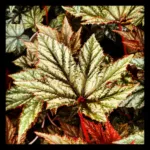
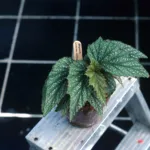
Leaves are large, asymmetrical and obliquely ovate with cordate bases, green to olive green above and often reddish green beneath with red veins. Branching stems may be reddish and carry pendent flower clusters. The combination of late emergence, angled heart-shaped leaves and dangling pink flowers helps distinguish it from tender bedding begonias.
Flowering
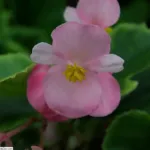
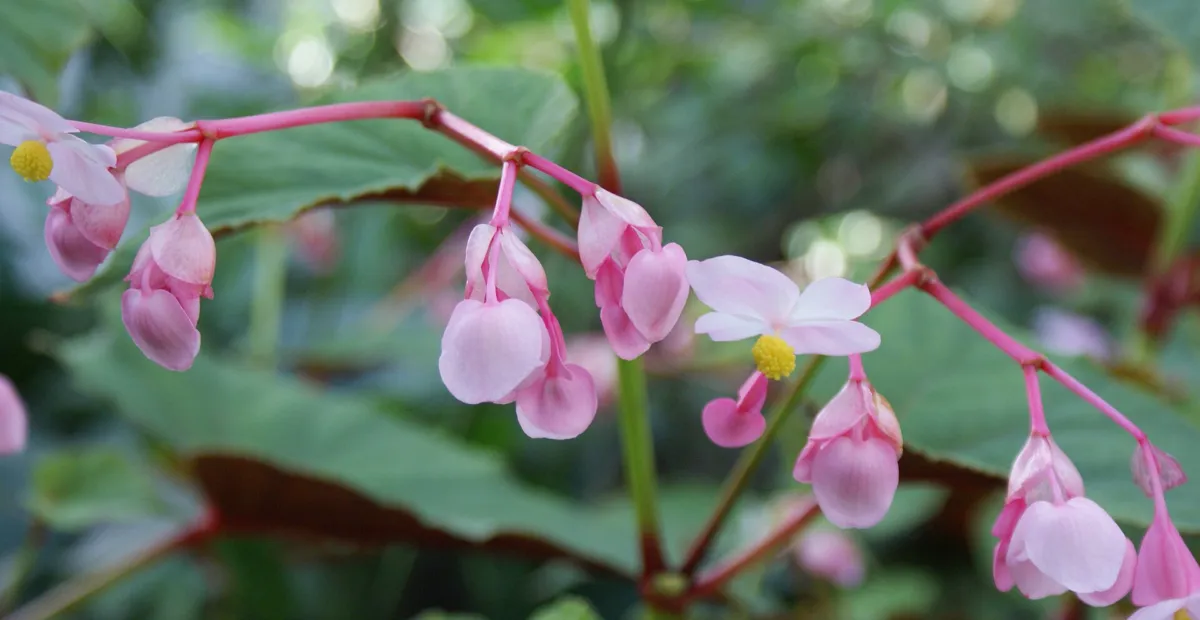
Male and female flowers occur separately on the same plant. The pale pink flowers hang in branching, pendent clusters, with male flowers typically appearing alongside female flowers. Bloom is notably late for a shade perennial, extending from midsummer into early fall; white-flowered forms are also grown.
Pollination and visitors
The flowers are insect-pollinated, but reliable species-level visitor records for Begonia grandis were not identified in the reviewed sources. Do not assume a particular bee, butterfly or fly group without local observation or stronger documentation.
Begonia grandis photos
Click any photo for a larger view. Source, author and license are shown separately.
Diseases and pests
Diseases
The main cultural risks are mildew, leaf-spot problems and tuber or crown rot in persistently wet conditions. Provide spacing and air circulation, water at the soil line, remove diseased foliage and avoid overhead irrigation late in the day. Improve drainage rather than compensating with frequent treatments.
Pests
No serious insect pest problem is consistently associated with this species. Slugs and snails may damage tender foliage in damp shade. Inspect plants regularly, remove hiding places, and use proportionate, label-directed control if feeding becomes significant.
Related diseases and pests
Only Plant Doctor profiles whose host data indicate this plant may be affected are shown here.
 PestCyclamen mitePhytonemus pallidus
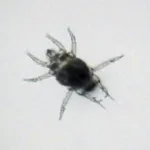 PestBroad mitePolyphagotarsonemus latus (Banks)
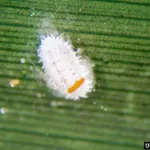 PestCitrus mealybugPlanococcus citri
 DiseaseCucumber mosaic virusCucumber mosaic virus
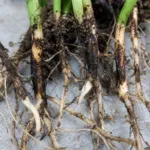 DiseaseBlack Root RotBerkeleyomyces basicola
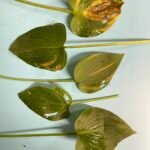 PestStrawberry foliar nematodeAphelenchoides fragariae
 DiseaseAlternaria leaf spot and fruit rotAlternaria alternata
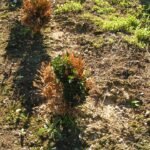 DiseasePhytophthora root and crown rotPhytophthora nicotianae
Toxicity and pollen
Begonias are listed by ASPCA as toxic to dogs and cats because of soluble calcium oxalates, with the underground parts considered the greatest concern. Ingestion can cause oral irritation, drooling, vomiting and related signs. Keep tubers, bulbils and plant debris away from pets and contact a veterinarian or poison service after suspected ingestion.
- Typical season
- July–October during flowering in much of the United States
- Pollination / pollen
- Pollen is produced by the male flowers; airborne allergy behavior is not well characterized for this species.
This is an insect-pollinated flowering plant, but species-specific evidence about airborne pollen concentration and clinical allergy risk is limited. Its pollen is not established as a major U.S. airborne allergen. People with known plant allergies should avoid handling flowers if symptoms occur and wash hands afterward.
Native habitat
The species is native to temperate parts of central and southern China and grows as a tuberous geophyte. In cultivation it performs best in moist, organically rich, shaded soils that resemble protected woodland or streamside conditions. It is deciduous and survives unfavorable seasons below ground.
Interesting fact
It is one of the few begonias commonly grown as a reliably winter-hardy perennial in much of the United States. Bulbils in leaf axils are actually small nascent tubers and can produce genetically identical new plants. The plant may remain invisible for much of spring because emergence is late.
Frequently asked questions (FAQ)
The most relevant questions about this plant, with short and direct answers.
🌱Quick care
What is Begonia grandis commonly called?⌄
Begonia grandis is commonly called hardy begonia. It is a shade-loving herbaceous perennial in the Begoniaceae family.
Is hardy begonia a perennial?⌄
Yes, hardy begonia is a herbaceous perennial that dies back or becomes dormant in colder weather and regrows in spring. Its winter survival depends on climate and protection.
How big does Begonia grandis get?⌄
Begonia grandis typically grows about 18 inches to 3 feet tall and 18 inches to 2 feet wide. In favorable shade gardens, it can gradually form spreading clumps.
🌤️Environment and placement
Does hardy begonia grow in shade?⌄
Yes, hardy begonia grows best in part shade to full shade, including dappled or deep shade. Protect it from strong afternoon sun, which can scorch the foliage.
How much sun does Begonia grandis need?⌄
Begonia grandis needs filtered light, part shade, or full shade rather than all-day direct sun. Gentle morning sun may be acceptable if the soil stays consistently moist.
What soil is best for hardy begonia?⌄
Use moist, humus-rich, well-drained soil for hardy begonia. The soil should retain moisture without staying stagnant or waterlogged around the roots.
Can hardy begonia grow under trees?⌄
Yes, hardy begonia is well suited to woodland gardens and planting beneath trees where it receives shade and indirect light. Add organic matter if the soil is dry or depleted.
Can Begonia grandis grow in containers?⌄
Yes, Begonia grandis can grow in a container provided the pot has drainage and the mix remains evenly moist. Containers may need extra winter protection because roots are more exposed to cold.
💧Care and problems
How often should you water hardy begonia?⌄
Water hardy begonia whenever the soil surface begins to dry, keeping the root zone consistently moist. Do not let the plant dry out, but avoid persistently saturated soil.
Why are the leaves on my hardy begonia turning yellow?⌄
Yellow leaves can occur naturally as hardy begonia enters dormancy in fall. If yellowing happens during active growth, check for excessive moisture, poor drainage, root damage, or intense sunlight.
Does hardy begonia need fertilizer?⌄
Hardy begonia usually needs only moderate feeding when planted in fertile, humus-rich soil. A balanced, slow-release fertilizer in spring can support growth, but excessive fertilizer is unnecessary.
What problems affect Begonia grandis?⌄
Begonia grandis generally has few serious pest or disease problems. Powdery mildew may develop as the plant enters dormancy in fall, especially where air circulation is poor.
Should I deadhead hardy begonia?⌄
Yes, deadheading spent flowers can help extend the blooming period. Leave some late-season growth if you want the plant to produce bulbils for natural propagation.
🪴Planting and repotting
When should I plant hardy begonia?⌄
Plant hardy begonia in spring after severe freezing has passed, giving the roots time to establish before winter. Fall planting can work in mild areas, but winter protection is more important.
How do you prepare a site for Begonia grandis?⌄
Choose a shaded site with moist, well-drained soil and incorporate compost or other organic matter if needed. Allow roughly 18 to 24 inches of space for a typical mature clump.
Is hardy begonia winter hardy in the United States?⌄
Hardy begonia is commonly grown as a perennial in USDA Zones 6 through 9, but reliability varies with local conditions. In colder or exposed areas, apply several inches of mulch after the foliage dies back.
Should hardy begonia be cut back for winter?⌄
You can cut hardy begonia back after frost has killed the foliage and the plant has entered dormancy. Leave or remove the old stems according to preference, then mulch the crown in colder areas.
✂️Propagation and pruning
How does Begonia grandis spread?⌄
Begonia grandis spreads naturally through tiny bulbils that form in the leaf axils in late season and fall to the ground. It may also self-seed and gradually form a colony.
How do you propagate hardy begonia from bulbils?⌄
Collect the small bulbils from the leaf axils after they form and place them on or just beneath moist, well-drained soil. Keep them shaded and evenly moist until they sprout.
Can you divide hardy begonia?⌄
Yes, hardy begonia can be propagated by division, preferably in early spring as new growth begins. Replant divisions promptly in moist, organically rich soil.
Can Begonia grandis be grown from seed?⌄
Yes, Begonia grandis can be grown from seed, although seedlings may vary from the parent plant. Bulbils generally produce plants more like the original plant.
When should I prune hardy begonia?⌄
Prune hardy begonia mainly to remove damaged growth, spent flower clusters, or stems killed by frost. Avoid heavy pruning during active growth unless you are correcting overcrowding or damage.
⚠️Toxicity and safety
Is Begonia grandis toxic to dogs and cats?⌄
Yes, hardy begonia is toxic to dogs and cats if eaten, with the underground parts posing the greatest risk. Possible signs include vomiting and excessive salivation.
Is hardy begonia poisonous to people?⌄
Hardy begonia has low-severity poisoning potential for people, but its sap may irritate the skin. Wear gloves when handling the plant and keep it away from children who may chew plant parts.
What should I do if my dog or cat eats hardy begonia?⌄
Contact your veterinarian promptly if a dog or cat eats hardy begonia, especially if roots or other underground parts were consumed. Watch for vomiting, drooling, or other unusual symptoms while seeking professional advice.
🌸Flowering and special interest
When does hardy begonia bloom?⌄
Hardy begonia typically blooms from summer into early fall, often from July through October in suitable climates. Its flowers are usually pink and appear in loose, pendant clusters.
What color are Begonia grandis flowers?⌄
Begonia grandis usually produces pale pink to pink flowers. White-flowered cultivars and forms are also available.
Are hardy begonia flowers fragrant?⌄
The flowers of hardy begonia may be lightly fragrant, particularly when grown in favorable conditions. Their loose clusters are also visited by pollinators.
Why is my hardy begonia not flowering?⌄
Insufficient light, drought stress, immature plants, or excessive nitrogen can reduce flowering in hardy begonia. Provide bright shade, consistent moisture, and patience while the plant establishes.
Does hardy begonia attract pollinators?⌄
Yes, hardy begonia flowers are visited by pollinators. Its late-summer to early-fall bloom period adds color to shaded pollinator and woodland gardens.