 Source:
 Begonia ‘Lucerna’ short overview
Begonia 'Lucerna' is a historic cane-stem begonia valued for its upright, branching growth, olive-green leaves marked with silver spots, and generous clusters of pink flowers. This heirloom cultivar is usually grown as a houseplant, conservatory specimen, or seasonal patio container in the United States. It prefers bright filtered light, even moisture, excellent drainage, and protection from temperatures near freezing.
Taxonomic classification
Begonia ‘Lucerna’ care guide
Light and placement
Give bright filtered light near an east- or west-facing window, or place slightly back from a bright south-facing window. A few hours of gentle morning or late-afternoon sun can support flowering, but intense midday sun may scorch leaves. Long, weak stems, widely spaced leaves, and poor flowering suggest insufficient light; bleached patches, crisp margins, or faded spotting suggest excessive direct sun.
Watering and humidity
Water thoroughly when the top 1 inch of mix feels dry, then let excess drain completely. Do not leave the pot standing in water, because saturated roots and wet stems encourage rot. Reduce frequency during the darker winter period, but do not allow the root ball to become completely dry. Higher humidity helps foliage quality, while spacing and airflow reduce fungal problems.
Soil and growing medium
Use a loose, humus-rich container mix with reliable drainage, such as peat-free houseplant compost amended with perlite or fine bark. The medium should retain some moisture without becoming dense or waterlogged. Slightly acidic to neutral conditions are suitable. A pot with drainage holes is essential; heavy garden soil is unsuitable for containers.
Feeding
Feed during active spring and summer growth with a balanced liquid houseplant fertilizer diluted to half the label strength about every 3 to 4 weeks. Water the plant first if the mix is dry. Pause or greatly reduce feeding in winter and after repotting until fresh growth resumes. Excess fertilizer can cause salt buildup and brown leaf margins.
Growth and habit
This vigorous cane begonia produces upright, jointed stems that can become tall and top-heavy. Older stems may lose lower leaves, while pruning encourages branching and new basal growth. Provide a stable container and stake exceptionally tall stems before they lean. Regular tip cuttings help maintain a fuller, more manageable plant.
Planting and repotting
Use a container or sheltered frost-free bed with sharp drainage. Set the root ball level with the surrounding mix and water thoroughly after planting. Acclimate indoor plants gradually to outdoor light, beginning in bright shade. Choose a protected location away from strong wind, which can damage tall cane stems and broad leaves.
Repot in spring when roots fill the container or watering becomes unusually frequent. Move up only one pot size and use fresh, porous mix with drainage holes. Handle the cane stems carefully and keep the crown at its previous level. After repotting, water thoroughly and delay fertilizer until active growth resumes.
Propagation and pruning
Propagation
Stem-tip cuttings are the most practical method. Take 4–6 inch sections with several nodes in spring or summer, remove the lower leaves, and root them in water, perlite, vermiculite, or a light propagation mix. Keep them warm, bright, and humid but not waterlogged. Seed propagation is possible but is less useful for preserving a named cultivar.
Pruning
Prune after flowering or whenever stems become leggy. Cut just above a healthy node with clean, sharp pruners, and remove weak or damaged stems at their base. Pinching growing tips encourages branching. Avoid removing too much foliage at once; staged pruning reduces stress and provides useful cuttings.
Overwintering
Bring containers indoors before nighttime temperatures approach 55°F. Place the plant in bright filtered light, away from cold windows, heating vents, and drafts. Water less often in winter while maintaining moderate humidity and airflow. Inspect closely for mites, mealybugs, and thrips before moving it indoors.
Uses
A specimen houseplant, conservatory plant, porch or patio container, and seasonal shaded accent. Its foliage and flowers make it useful as a tall indoor focal plant. It is ornamental only and should not be used as food or medicine. Keep it away from pets and children likely to chew plant material.
Appearance
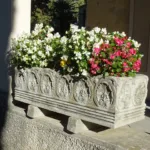
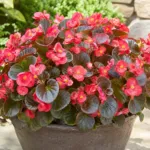
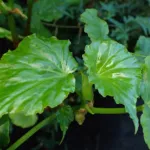
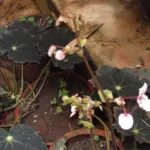
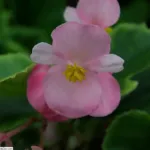
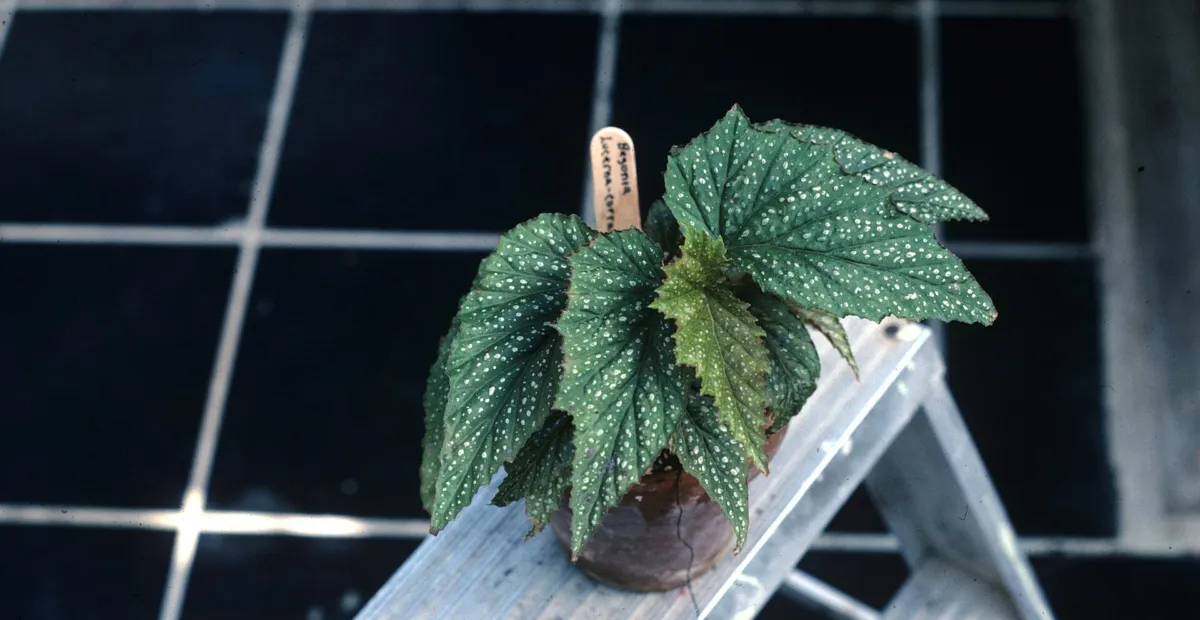
The plant has cane-like upright stems and asymmetrical, obliquely ovate leaves. Mature leaves are olive green with conspicuous silver spotting, and the cultivar is recognized by its large, drooping panicles of pink flowers. The combination of spotted foliage, cane growth, and pendant flower clusters distinguishes it from many compact rex or wax begonias.
Flowering
Flowering occurs in branched, pendant panicles during the warmer, brighter part of the year. The individual flowers are relatively small, while the clustered display is conspicuous. Plants receiving stronger filtered light generally flower more reliably; low winter light indoors can reduce or delay bloom.
Pollination and visitors
The flowers are insect-pollinated, but reliable cultivar-specific records identifying a particular visitor species are limited. Small insects may visit the exposed flower clusters. The plant should not be promoted as a major pollinator-garden species on the available evidence.
Begonia 'Lucerna' photos
Click any photo for a larger view. Source, author and license are shown separately.
Diseases and pests
Diseases
Avoid persistent wet foliage, stagnant air, and waterlogged mix, which can contribute to gray mold, powdery mildew, stem rot, and root or rhizome rot. Water at the soil surface, remove fallen leaves, improve spacing, and isolate affected plants. Cut out soft or blackened tissue with sterilized tools and replace severely contaminated mix.
Pests
Watch for aphids, mealybugs, mites, thrips, caterpillars, and vine weevil. Inspect leaf undersides, nodes, and new growth weekly, especially after bringing plants indoors. Remove light infestations manually or use a labeled insecticidal soap or horticultural oil according to the product directions; repeat as directed and avoid spraying a drought-stressed plant.
Related diseases and pests
Only Plant Doctor profiles whose host data indicate this plant may be affected are shown here.

Toxicity and pollen
Begonias are listed as toxic to dogs and cats because of soluble calcium oxalates, with the greatest concentration generally associated with underground parts. Chewing may cause drooling, vomiting, and mouth or gastrointestinal irritation; serious effects are more concerning after substantial ingestion. Wear gloves if the sap irritates your skin and seek veterinary advice after pet ingestion.
- Typical season
- Usually during summer flowering in the United States
- Pollination / pollen
- Insect-released pollen from open flowers; airborne exposure is usually limited
Begonia pollen can contribute to allergy symptoms in susceptible people, and occupational cases have been reported, but this cultivar is not documented as a major outdoor pollen source. Flowers are generally insect-pollinated, which limits routine airborne dispersal compared with wind-pollinated plants. Sensitive gardeners should avoid touching the face, wash hands after handling, and use a mask if symptoms occur.
Native habitat
Begonia 'Lucerna' is a cultivated hybrid rather than a wild species with a native habitat. Its cane-begonia background is associated with warm, humid environments, so cultivation is most successful in frost-free conditions with filtered light, organic but well-drained substrate, and protection from drying wind.
Interesting fact
‘Lucerna’ is one of the older widely circulated cane-begonia cultivars, dating to 1892. It is associated with the historic name ‘Corallina de Lucerna’ and has also been circulated under ‘Lucerne’. Its recorded parents are Begonia teuscheri and Begonia coccinea. The cultivar has contributed to later cane-begonia breeding, including early Superba hybrids.
Frequently asked questions (FAQ)
The most relevant questions about this plant, with short and direct answers.
🌱Quick care
What is Begonia 'Lucerna'?⌄
Begonia 'Lucerna' is a tall, cane-stem hybrid begonia grown for its silver-spotted leaves and pendulous pink flower clusters. It is often grouped with angel-wing begonias, although the cultivar name should remain Begonia 'Lucerna'.
How much light does Begonia 'Lucerna' need?⌄
Give Begonia 'Lucerna' bright filtered or indirect light, with gentle direct sun if available. Too little light can cause weak, leggy growth and fewer flowers, while intense afternoon sun may scorch the leaves.
How often should I water Begonia 'Lucerna'?⌄
Water Begonia 'Lucerna' when the surface of the potting mix begins to dry, keeping the mix evenly moist but never waterlogged. Empty excess water from the saucer so the roots are not left standing in water.
Is Begonia 'Lucerna' easy to grow indoors?⌄
Yes, Begonia 'Lucerna' is generally an easy indoor plant when it receives bright filtered light, steady warmth, and careful watering. Its main challenge is controlling its upright, sometimes very tall cane growth.
🌤️Environment and placement
Where should I place Begonia 'Lucerna' in my home?⌄
Place Begonia 'Lucerna' near a bright window filtered by a sheer curtain or where it receives mild morning sun. Keep it away from cold drafts, heating vents, and strong midday or afternoon sun.
What temperature is best for Begonia 'Lucerna'?⌄
Begonia 'Lucerna' grows best in warm indoor conditions around 65–75°F. Protect it from temperatures below about 55°F, sudden chills, and cold winter drafts, which may trigger leaf drop.
Does Begonia 'Lucerna' need high humidity?⌄
Begonia 'Lucerna' appreciates moderate to high humidity but can adapt to typical household conditions. Improve dry air by grouping plants or using a humidifier, while maintaining good airflow around the foliage.
Can Begonia 'Lucerna' grow outdoors in the United States?⌄
Begonia 'Lucerna' can grow outdoors in warm, frost-free areas in bright shade or filtered light. In most of the United States, grow it in a container and bring it indoors before temperatures approach 55°F.
Can Begonia 'Lucerna' tolerate direct sun?⌄
Begonia 'Lucerna' can tolerate a small amount of gentle morning or filtered sun, which may improve flowering and deepen flower color. Shield it from strong summer afternoon sun, especially behind hot glass.
💧Care and problems
Why is my Begonia 'Lucerna' dropping leaves?⌄
Leaf drop on Begonia 'Lucerna' is commonly associated with cold drafts, sudden environmental changes, insufficient light, or watering stress. Move it to a warm bright location and check that the mix is moist but well drained.
Why is my Begonia 'Lucerna' getting leggy?⌄
Begonia 'Lucerna' becomes leggy when it lacks sufficient light or has not been pruned to encourage branching. Move it closer to bright filtered light and cut stems just above healthy nodes to promote fuller growth.
Should I stake Begonia 'Lucerna'?⌄
Staking may be necessary because Begonia 'Lucerna' develops tall, cane-like stems that can become top-heavy. Use a slender support and tie stems loosely so they remain upright without being constricted.
How do I fertilize Begonia 'Lucerna'?⌄
Feed actively growing Begonia 'Lucerna' with a balanced houseplant fertilizer diluted according to the label, typically every two to four weeks during spring and summer. Reduce or stop feeding during slow winter growth.
What pests commonly affect Begonia 'Lucerna'?⌄
Begonia 'Lucerna' may attract mealybugs, aphids, spider mites, thrips, and scale. Inspect leaf undersides and stems regularly, isolate affected plants, and treat infestations promptly with an appropriate houseplant pest control method.
What diseases can affect Begonia 'Lucerna'?⌄
Begonia 'Lucerna' is vulnerable to gray mold, powdery mildew, and stem or root rot when foliage stays wet or the soil remains saturated. Improve airflow, water at the soil line, and use a fast-draining mix.
🪴Planting and repotting
What is the best soil for Begonia 'Lucerna'?⌄
Use a loose, well-drained loam-based or peat-free houseplant mix for Begonia 'Lucerna'. The mix should retain some moisture while allowing excess water to drain quickly from the container.
When should I repot Begonia 'Lucerna'?⌄
Repot Begonia 'Lucerna' when roots fill the container, drainage slows, or the plant has clearly outgrown its pot, preferably during active spring growth. Move it into only the next pot size to avoid excess wet soil.
Does Begonia 'Lucerna' need a deep pot?⌄
Begonia 'Lucerna' benefits from a stable container that accommodates its upright cane growth and developing root system. Choose a pot with drainage holes and increase size gradually rather than using an oversized container.
✂️Propagation and pruning
How do I propagate Begonia 'Lucerna' from a cutting?⌄
Propagate Begonia 'Lucerna' with a stem cutting that includes at least one or two nodes, rooting it in water or a moist, airy propagation medium. Keep the cutting warm in bright indirect light and pot it once a healthy root system develops.
Can Begonia 'Lucerna' be propagated from a single leaf?⌄
A stem cutting with nodes is the most dependable way to propagate Begonia 'Lucerna'. Leaf or leaf-petiole propagation may sometimes work, but it is less predictable for this cane-stem cultivar than using a section of stem.
When is the best time to propagate Begonia 'Lucerna'?⌄
Propagate Begonia 'Lucerna' during spring or summer when the plant is actively growing. Cuttings can root at other times indoors, but warm conditions and bright filtered light usually improve success.
How should I prune Begonia 'Lucerna'?⌄
Prune Begonia 'Lucerna' just above a healthy node to shorten tall canes, remove weak growth, and encourage branching from lower stems. Avoid removing so much foliage that the plant is left unable to support new growth.
⚠️Toxicity and safety
Is Begonia 'Lucerna' toxic to cats and dogs?⌄
Begonia 'Lucerna' is potentially toxic if ingested by cats, dogs, or other pets and may cause mouth or digestive irritation. Keep the plant out of reach and contact a veterinarian or animal poison service if ingestion occurs.
Is Begonia 'Lucerna' poisonous to people?⌄
Begonia 'Lucerna' should not be eaten and may cause irritation or illness if ingested, particularly in children. Wear gloves when handling large amounts of plant material and seek medical advice if symptoms develop.
🌸Flowering and special interest
When does Begonia 'Lucerna' bloom?⌄
Begonia 'Lucerna' commonly produces pendulous pink flower clusters during the brighter growing season, and indoor plants may bloom for extended periods under favorable conditions. Bright filtered light and adequate nutrition support better flowering.
Why is my Begonia 'Lucerna' not flowering?⌄
Begonia 'Lucerna' may fail to flower because of insufficient light, immature growth, cool conditions, or excessive pruning. Provide brighter filtered light, steady warmth, and regular but moderate feeding during active growth.
What do Begonia 'Lucerna' flowers look like?⌄
Begonia 'Lucerna' has large, pendulous panicles of pink to red-pink flowers held above or beside its silver-spotted foliage. Flower color may appear deeper when the plant receives more suitable light.