 Source:
 Eyelash Begonia (Begonia bowerae) short overview
Eyelash Begonia is a compact rhizomatous perennial native to the wet tropical regions of Oaxaca and Chiapas, Mexico. In U.S. homes it is prized more for its small heart-shaped leaves than for its flowers: emerald foliage carries chocolate-brown markings, bristled margins, and reddish petioles. Give it bright filtered light, a shallow well-drained pot, steady moisture without sogginess, warm conditions, and good air circulation.
Taxonomic classification
Eyelash Begonia (Begonia bowerae) care guide
Light and placement
Provide bright filtered light or partial shade. An east- or north-facing window is a good starting point; in a brighter south- or west-facing exposure, diffuse the sun or place the plant several feet back. Pale, stretched growth suggests insufficient light, while bleached patches, crispy margins, or scorched leaves indicate excessive direct sun.
Watering and humidity
Water thoroughly when the upper inch of mix begins to dry, then let excess drain completely. Keep the mix lightly and evenly moist during active growth, but never leave the rhizome or roots in standing water. In winter or under low light, water less often and allow a little more surface drying. Maintain humidity with grouping or a humidifier, while preserving airflow.
Soil and growing medium
Use a loose, moisture-retentive but fast-draining mix based on fine bark, coco coir or peat-free potting medium, and perlite. A slightly acidic to neutral reaction is suitable. Keep the shallow rhizome at or just above the mix surface; burying it deeply increases the risk of rot.
Feeding
Feed only during active growth, typically spring through early fall indoors, using a complete liquid houseplant fertilizer at half the label strength every 3–4 weeks. Water first if the mix is dry. Reduce or stop feeding during cool, dim winter conditions and after repotting until fresh growth resumes.
Growth and habit
This species grows from a shallow horizontal rhizome that creeps across the surface of the growing medium and gradually forms a low, spreading clump. Keep the rhizome visible, trim only damaged or overcrowded growth, and use shallow containers that allow lateral expansion rather than deep pots.
Planting and repotting
Plant or pot up during active growth, using a shallow container and a porous mix. Set the rhizome on the surface rather than burying it. Allow room for the creeping growth to spread, and keep newly divided pieces lightly moist until established.
Repot in spring or when the rhizome has filled the shallow container. Move only one pot size larger, preferably using a low, wide container. Disturb the delicate feeder roots as little as possible and keep the rhizome partly exposed.
Propagation and pruning
Propagation
Divide the rhizome in spring or early summer, ensuring each section has a growth point and some roots. Leaf or rhizome cuttings may also be used, but keep pieces warm, lightly moist, and in bright filtered light until new growth appears.
Pruning
Remove yellow, damaged, diseased, or spent flowering stems with clean scissors. Shorten overcrowded rhizome sections only when necessary to refresh the plant or prepare divisions. Avoid cutting healthy leaves simply to reshape the plant, because the compact habit is naturally maintained by the rhizome.
Overwintering
Bring outdoors-grown plants indoors before temperatures approach 55°F, and certainly before frost. Keep winter plants warm, bright, and slightly drier than in summer. Avoid cold drafts, wet foliage, and dark saturated conditions; resume more frequent watering and feeding as active growth returns.
Uses
Primarily an ornamental foliage plant for indoor containers, terrariums with ventilation, shaded patios, and frost-free woodland-style plantings. Its compact, creeping habit suits shallow bowls and hanging or elevated displays. It is not supported here as a culinary or medicinal plant, and its calcium-oxalate toxicity warrants keeping it away from pets and children.
Appearance
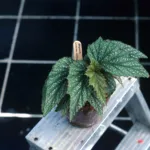
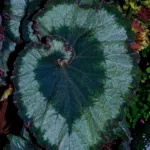
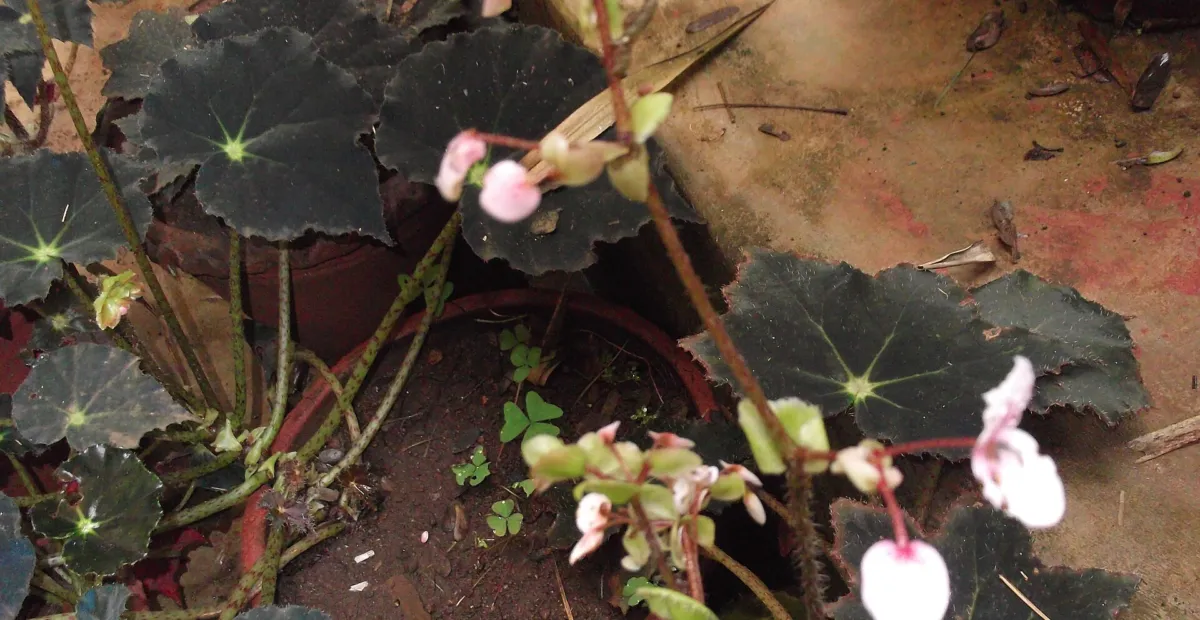
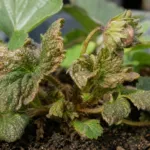
The plant is recognized by its small, asymmetrical heart-shaped leaves, vivid emerald-green surface, dark chocolate markings, and stiff hairs along the margins. Reddish petioles and a shallow creeping rhizome add contrast. The species forms a low ornamental mat rather than a tall upright stem plant.
Flowering
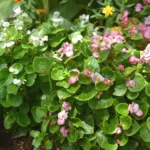
Small pinkish-white flowers are carried in loose clusters on slender stems above the foliage. Flowering is commonly reported from late winter into spring, although indoor plants may bloom at other times when warmth, light, and growth are favorable. The foliage remains the main ornamental feature.
Pollination and visitors
Reliable species-specific pollinator records are limited. The small exposed flowers may receive occasional visits from nonspecific insects, but a strong attraction to bees, butterflies, or other named groups has not been established.
Begonia bowerae photos
Click any photo for a larger view. Source, author and license are shown separately.
Diseases and pests
Diseases
The main risks are rhizome and root rots, powdery mildew, and Botrytis in stagnant, overly wet conditions. Use a clean, airy medium, water at the soil surface, remove fallen leaves, and improve ventilation. Isolate affected plants and remove damaged tissue; avoid persistent saturation and unnecessary leaf wetting.
Pests
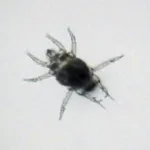
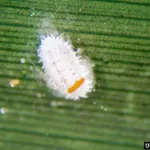
Watch for spider mites, mealybugs, thrips, scale, and fungus gnat larvae in persistently wet mix. Inspect leaf undersides and rhizome crevices regularly. Improve airflow, isolate infestations, remove heavily affected foliage, and use insecticidal soap or another labeled treatment according to the product directions.
Related diseases and pests
Only Plant Doctor profiles whose host data indicate this plant may be affected are shown here.

Toxicity and pollen
Begonia species contain soluble calcium oxalates. ASPCA lists Begonia spp. as toxic to dogs and cats, with underground parts especially concerning; chewing may cause oral irritation, drooling, vomiting, and more serious effects with substantial exposure. Keep the plant away from pets and children and seek veterinary or medical advice after ingestion.
- Typical season
- No reliable U.S. airborne-pollen season documented
- Pollination / pollen
- Flower pollen; airborne release significance not established
This species is insect-pollinated and has no well-established profile as a major airborne-pollen source in the United States. Because species-level allergy data are scarce, a definitive low-risk classification cannot be claimed. Avoid confusing flower pollen with the plant's separate calcium-oxalate toxicity.
Native habitat
Native to Oaxaca and Chiapas in southern Mexico, where Kew places it in wet tropical habitat. It is associated with warm, humid conditions and moist but draining substrates rather than exposure to frost, drying winds, or intense midday sun.
Interesting fact
Begonia bowerae is a recognized species, not merely a cultivar name. It forms a surface-growing rhizome and belongs to the rhizomatous begonia group. Several named varieties have been published, including var. major, var. nigramarga, and var. roseflora. The species has also contributed to the development of cultivated rhizomatous begonia hybrids.
Frequently asked questions (FAQ)
The most relevant questions about this plant, with short and direct answers.
🌱Quick care
What is Begonia bowerae commonly called?⌄
Begonia bowerae is commonly called Eyelash Begonia in the United States. It is a compact rhizomatous begonia grown mainly for its small, patterned leaves and delicate flowers.
Is Begonia bowerae easy to grow indoors?⌄
Yes, Begonia bowerae is generally manageable indoors when given bright filtered light, consistent moisture, good drainage, and moderate humidity. The main risks are overwatering, harsh direct sun, and sudden temperature changes.
🌤️Environment and placement
How much light does Eyelash Begonia need?⌄
Eyelash Begonia grows best in bright filtered light or partial shade. Protect it from strong midday and afternoon sun, which can scorch the leaves, while avoiding very dim locations that cause weak growth and poor flowering.
Can Begonia bowerae grow under a grow light?⌄
Yes, Begonia bowerae can grow well under a grow light. Keep the light bright but not intensely hot, position it above the plant rather than against the foliage, and provide a regular day-night schedule.
What window is best for an Eyelash Begonia?⌄
An east- or north-facing window is usually suitable, while a bright west- or south-facing window should have a sheer curtain or other filtering. The plant should receive plenty of light without prolonged harsh sun on its leaves.
Does Begonia bowerae need high humidity?⌄
Begonia bowerae appreciates moderate to high humidity but does not require a sealed terrarium. Improve dry indoor conditions with a humidifier, plant grouping, or a pebble tray, while keeping leaves and the rhizome crown from staying wet.
What temperature is best for Eyelash Begonia?⌄
Keep Eyelash Begonia in a warm, stable location away from cold drafts, heat vents, and freezing temperatures. It is frost tender, so outdoor plants should be protected or moved indoors before temperatures approach freezing.
Can Begonia bowerae grow outdoors in the United States?⌄
Yes, Begonia bowerae can grow outdoors in warm, frost-free areas in filtered light or partial shade. In regions with freezing winters, grow it in a container and bring it indoors before frost.
💧Care and problems
How often should I water Begonia bowerae?⌄
Water Begonia bowerae when the surface of the potting mix begins to dry, then water thoroughly until excess drains from the pot. Keep the mix evenly moist, but never leave the roots sitting in water.
Should I let Eyelash Begonia dry out completely?⌄
No, Eyelash Begonia should not be allowed to become completely dry for extended periods. Let only the surface begin to dry between waterings, because both severe drought and waterlogged soil can cause stress and leaf loss.
Why are the leaves of my Begonia bowerae turning yellow?⌄
Yellow leaves on Begonia bowerae are often caused by consistently wet soil, poor drainage, or normal aging of older leaves. Check the roots and potting mix before watering again, and remove damaged foliage with clean scissors.
Why does my Eyelash Begonia have brown leaf edges?⌄
Brown edges may result from dry soil, low humidity, direct sun, fertilizer buildup, or exposure to hot or cold drafts. Correct the environmental stress gradually and avoid compensating by keeping the soil constantly saturated.
Why is my Begonia bowerae losing leaves?⌄
Begonia bowerae may lose leaves after overwatering, drought, cold exposure, sudden relocation, or severe changes in humidity and light. Stabilize its conditions, inspect for root rot or pests, and remove leaves that are fully damaged.
Why is my Eyelash Begonia becoming leggy?⌄
Leggy growth usually means the plant is not receiving enough usable light, although overcrowding or aging stems can also contribute. Move it gradually to brighter filtered light and prune selectively to encourage a fuller shape.
How do I prevent root rot in Begonia bowerae?⌄
Prevent root rot by using a loose, humus-rich, well-drained mix, a pot with drainage holes, and a watering routine that allows the surface to dry slightly. Never let the container sit in a saucer of standing water.
🪴Planting and repotting
What soil is best for Eyelash Begonia?⌄
Use a loose, humus-rich, well-drained houseplant mix that retains some moisture without becoming dense. A mix amended with materials such as perlite, fine bark, or another drainage component can help protect the rhizome and roots.
Does Begonia bowerae need a drainage hole?⌄
Yes, Begonia bowerae should be grown in a container with an unobstructed drainage hole. Decorative cachepots without drainage can be used only as outer covers, with excess water poured out after watering.
When should I repot Begonia bowerae?⌄
Repot Begonia bowerae when roots fill the container, water runs through unusually quickly, or the potting mix has compacted. Move it into a slightly larger pot rather than a much oversized container, which stays wet longer.
Should the rhizome of Eyelash Begonia be buried?⌄
No, keep the rhizome at or slightly above the surface of the potting mix rather than burying it deeply. A buried, persistently wet rhizome is more vulnerable to rot and may grow poorly.
✂️Propagation and pruning
How do you propagate Begonia bowerae?⌄
Begonia bowerae can be propagated by rhizome division, stem cuttings, or leaf cuttings. Use clean tools, place cuttings in a lightly moist, well-drained medium, and keep them warm in bright filtered light until roots and new growth develop.
Can Eyelash Begonia be propagated from a leaf?⌄
Yes, Eyelash Begonia can be propagated from healthy leaf material, provided the cutting includes suitable veins or a short petiole and remains in a warm, lightly moist medium. New plantlets may take time to form.
Can Begonia bowerae be propagated in water?⌄
Stem cuttings may root in water, but transferring water-grown roots into potting mix can be stressful. A lightly moist propagation medium usually provides a smoother transition and reduces the risk of prolonged water saturation.
Should I prune Begonia bowerae?⌄
Prune Begonia bowerae mainly to remove dead, damaged, or diseased leaves and to control lanky growth. Make clean cuts near the base of the unwanted stem, and avoid damaging the creeping rhizome or crown.
How do I make Eyelash Begonia bushier?⌄
To encourage a fuller Eyelash Begonia, provide brighter filtered light and pinch or trim excessively long stems just above a growth point. Propagated cuttings can also be rooted and planted back into the container.
⚠️Toxicity and safety
Is Begonia bowerae toxic to dogs?⌄
Yes, Begonia bowerae should be treated as toxic to dogs if chewed or eaten. Begonias contain soluble calcium oxalates that can cause oral irritation, drooling, vomiting, and other symptoms, so contact a veterinarian if ingestion is suspected.
Is Eyelash Begonia toxic to cats?⌄
Yes, Eyelash Begonia is toxic to cats if chewed or eaten. Keep it out of reach, especially because the underground rhizome is among the more concentrated parts of begonias, and contact a veterinarian promptly after suspected ingestion.
Is Begonia bowerae safe to grow around children?⌄
Begonia bowerae is best kept away from children who may chew plant parts because it can cause irritation if eaten. Handle the plant normally, wash hands after pruning, and seek medical advice if a child ingests it.
What should I do if my pet eats Begonia bowerae?⌄
If a dog or cat eats Begonia bowerae, remove access to the plant and contact your veterinarian or a U.S. animal poison-control service promptly. Do not induce vomiting unless a veterinary professional specifically instructs you to do so.
🌸Flowering and special interest
Does Begonia bowerae flower indoors?⌄
Yes, Begonia bowerae can flower indoors when it receives sufficient bright filtered light and steady care. Its small white to pink flowers may appear seasonally, although foliage quality is often its main ornamental feature.
When does Eyelash Begonia bloom?⌄
Eyelash Begonia commonly blooms in late winter or spring, though indoor timing can vary with light, temperature, and plant maturity. Flowers are usually small and held above the foliage on slender stalks.
Why is my Begonia bowerae not flowering?⌄
Insufficient light is a common reason Begonia bowerae fails to flower, but immature plants, seasonal changes, excess fertilizer, or stress from poor watering can also contribute. Increase filtered light gradually and keep conditions stable.
What do Begonia bowerae flowers look like?⌄
Begonia bowerae produces small, delicate flowers that are commonly white or lightly pink and appear in loose clusters above the foliage. The plant is usually valued more for its heart-shaped, dark-edged leaves than for large blooms.