
 Source:
 Tuberous begonia (Begonia boliviensis) short overview
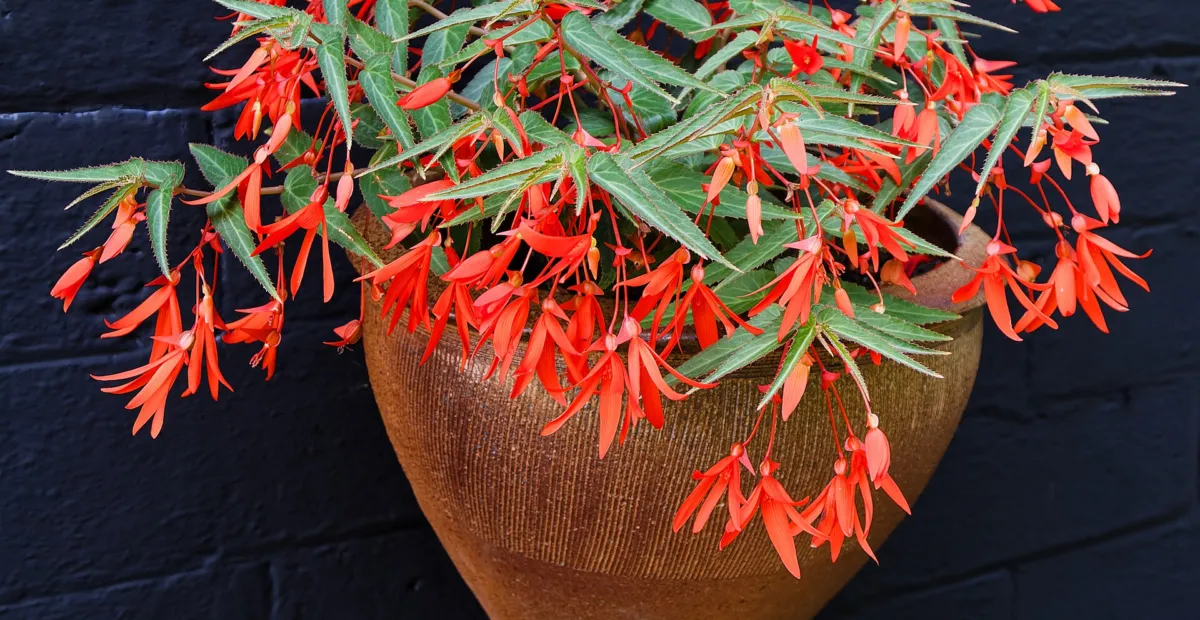
Tuberous begonia is a graceful, frost-tender species from the Andean cloud forests of Bolivia and northwestern Argentina. It forms arching stems with narrow, asymmetrical leaves and pendant, elongated orange to scarlet flowers. In the United States, it is best grown in a container or hanging basket with bright filtered light, evenly moist but sharply drained soil, and protection from heat, wind, and freezing temperatures.
Taxonomic classification
Tuberous begonia (Begonia boliviensis) care guide
Light and placement
Place in bright filtered light, dappled shade, or a site with gentle morning sun and afternoon shade. An east-facing exposure is often suitable; protect it from intense west or midday sun, which can scorch foliage and fade flowers. Leggy stems and sparse flowering indicate insufficient light, while bleached leaves, crispy margins, or leaf scorch indicate excessive exposure.
Watering and humidity
Water thoroughly when the upper 1 inch of mix begins to feel slightly dry, then allow excess water to drain completely. During active summer growth, check containers frequently because hanging baskets dry quickly. Reduce watering as foliage yellows and dormancy approaches, but never leave the tuber sitting in saturated soil. Water the medium rather than repeatedly wetting the foliage.
Soil and growing medium
Use a porous container mix amended with compost or fine organic matter, but keep the structure open enough for rapid drainage. A mix for container annuals with added perlite or fine bark is suitable. The medium should hold steady moisture without becoming heavy or compacted. Slightly acidic to neutral conditions are appropriate; poor drainage greatly increases the risk of tuber and stem rot.
Feeding
Feed during active growth with a balanced liquid fertilizer diluted to about half the label rate every two to four weeks, or use a restrained slow-release product. Begin after new growth is established and stop as the plant enters dormancy. Do not fertilize drought-stressed, freshly repotted, diseased, or dormant plants, and avoid excessive feeding that can promote soft, weak stems.
Growth and habit
The plant develops from a tuber and produces flexible, gently arching stems that may spill over container edges. Pinching young shoots can encourage branching, while overcrowded stems may need thinning for better air movement. The tuber enters a seasonal dormant period, so the plant naturally declines rather than remaining attractive year-round indoors.
Planting and repotting
Harden plants outdoors gradually for about two weeks before permanent placement. Choose a sheltered site with morning light and afternoon shade, or use a hanging basket with excellent drainage. Set the tuber concave-side up and avoid burying the crown deeply, since excess depth encourages rot. Water lightly until shoots and roots are established, then maintain consistent moisture.
Repot when new growth begins, using a clean container only slightly larger than the root system and a porous, well-drained mix. Handle the tuber gently and keep its upper surface shallow rather than deeply buried. After repotting, water sparingly until roots and shoots resume active growth, then return to a regular moisture and feeding routine.
Propagation and pruning
Propagation
Propagate by seed or softwood and basal stem cuttings. Sow seed on the surface of a fine, moist medium because it needs light to germinate; start well ahead of outdoor planting. Root young cuttings in bright indirect light with high humidity and a sterile, airy medium. Tuber division is less dependable because cut surfaces can rot.
Pruning
Remove spent flowers and yellowing foliage to keep the plant tidy and improve air circulation. Pinch soft young shoot tips early in the season if a fuller, more branched container is desired. As dormancy begins, allow stems to yellow and dry, then cut them back cleanly. Avoid cutting healthy stems repeatedly during peak flowering.
Overwintering
Treat the plant as a tender perennial outside USDA Zone 9. Before freezing weather, reduce watering as leaves yellow, stop feeding, and allow the plant to enter dormancy. Lift the tuber after foliage dies back, cure it in a dry frost-free place, and store it in a ventilated medium at roughly 40–50°F. In spring, inspect for rot and restart it shallowly in fresh mix.
Uses
Best suited to hanging baskets, window boxes, patios, shaded containers, conservatories, and protected seasonal bedding displays. Its pendant flowers are especially effective where blooms can be viewed from below. It is not included here as a food or medicinal plant; keep plant material away from pets and children because begonias contain irritating calcium oxalates.
Appearance
Identification features include slender arching stems, asymmetrical lance-shaped to slightly ovate leaves, and loose axillary clusters of pendant, elongated star-like flowers. The species form is notably associated with vivid orange to scarlet blooms. Flowers are carried below the foliage, giving mature container plants a cascading, airy appearance.
Flowering
The flowers hang from the leaf axils in loose clusters, with separate male and female flowers on the same plant. Male flowers are typically larger and more conspicuous, while female flowers are smaller. In United States gardens, flowering is usually concentrated from early summer until frost when plants receive sufficient light, moisture, and nutrition.
Pollination and visitors
The open, pollen-bearing male flowers can be visited by small insects, including bees, bumblebees, hoverflies, and other generalist flower visitors. Species-specific pollinator records for Begonia boliviensis were not sufficiently documented in the sources reviewed, so no single insect species is assigned.
Begonia boliviensis photos
Click any photo for a larger view. Source, author and license are shown separately.
Diseases and pests
Diseases
Common problems include botrytis, powdery mildew, bacterial leaf spot, stem rot, and tuber rot. Prevent disease with airy spacing, sheltered placement, clean tools, careful watering, and well-drained media. Remove affected leaves promptly and avoid overhead irrigation. Soft, darkened stems or tubers usually indicate excessive moisture or poor drainage; discard severely rotted material.
Pests
Watch for aphids, mealybugs, thrips, mites, caterpillars, and vine weevil in containers. Inspect new growth and leaf undersides regularly. Isolate infested plants, remove visible pests, and use insecticidal soap or another labeled treatment according to its directions. Reduce stress and improve air circulation before treating, since weak growth is more vulnerable to outbreaks.
Related diseases and pests
Only Plant Doctor profiles whose host data indicate this plant may be affected are shown here.
 PestCitrus mealybugPlanococcus citri
 PestCyclamen mitePhytonemus pallidus
 PestBroad mitePolyphagotarsonemus latus (Banks)
 DiseaseCucumber mosaic virusCucumber mosaic virus
 DiseaseBlack Root RotBerkeleyomyces basicola
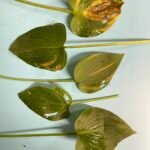 PestStrawberry foliar nematodeAphelenchoides fragariae
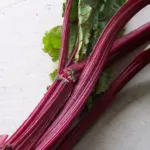 DiseaseBacterial soft rotPectobacterium carotovorum
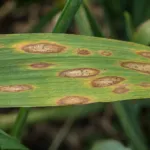 DiseaseBipolaris Leaf Spot, Spot Blotch and Common Root RotBipolaris sorokiniana
Toxicity and pollen
Begonias contain soluble calcium oxalates, with the highest concentration generally associated with underground parts such as tubers. Ingestion can cause oral irritation, drooling, vomiting, and difficulty swallowing; serious effects are more concerning after substantial consumption. Keep tubers, fallen leaves, and plant debris away from pets and seek veterinary advice after ingestion.
- Typical season
- During flowering, typically summer to early fall outdoors
- Pollination / pollen
- Pollen is released from exposed male flowers but is not generally considered highly airborne.
This is an insect-pollinated flowering plant, and its pollen is not typically dispersed in large quantities by wind. However, insect-pollinated does not mean zero allergy risk. Sensitive people may still react to pollen or plant contact, especially around heavily flowering plants; avoid handling the plant with irritated skin and wash hands afterward.
Native habitat
In its native range, this tuberous geophyte or occasional epiphyte occurs in the seasonally dry tropical biome of the Andes, especially humid montane and cloud-forest environments. It is associated with rocky slopes, crevices, stream margins, and sites that combine seasonal moisture with rapid drainage and protection from intense exposure.
Interesting fact
The specific epithet boliviensis means “of Bolivia,” reflecting part of the species’ native range. Begonia boliviensis is one of the historically important species associated with the development of modern tuberous begonias. Its pendant, elongated flowers differ markedly from the broad, rounded blooms of many large-flowered tuberous hybrids.
Frequently asked questions (FAQ)
The most relevant questions about this plant, with short and direct answers.
🌱Quick care
What is Begonia boliviensis commonly called?⌄
Begonia boliviensis is commonly called tuberous begonia. It is a frost-tender, tuber-forming begonia often grown in containers, hanging baskets, or as a seasonal garden plant.
How much light does Begonia boliviensis need?⌄
Begonia boliviensis grows best in bright filtered light or partial shade. Gentle morning sun is usually suitable, but protect it from intense midday and afternoon sun, especially in hot climates.
How often should I water Begonia boliviensis?⌄
Water Begonia boliviensis when the surface of the potting mix begins to feel slightly dry, keeping the root zone evenly moist. Do not let the pot sit in water or remain soggy, because the tuber can rot.
What soil is best for Begonia boliviensis?⌄
Use a rich, porous, well-drained potting mix for Begonia boliviensis. A quality container mix amended with perlite, bark, or another aerating material helps retain moisture without becoming waterlogged.
Is Begonia boliviensis an annual or perennial?⌄
Begonia boliviensis is a tender perennial in warm climates but is commonly grown as an annual in colder parts of the United States. Its tuber can be overwintered indoors and replanted the following season.
🌤️Environment and placement
Can Begonia boliviensis grow indoors?⌄
Yes, Begonia boliviensis can grow indoors in bright, indirect light with good air circulation. Use a container with drainage and keep the mix lightly and evenly moist during active growth.
Can Begonia boliviensis grow in full shade?⌄
Begonia boliviensis can tolerate fairly shady conditions, but flowering is usually better with bright filtered light or partial shade. Very deep shade may produce weaker, less floriferous growth.
Can Begonia boliviensis tolerate hot weather?⌄
Begonia boliviensis prefers moderate temperatures and may struggle during prolonged heat or humid summer weather. Provide afternoon shade, consistent moisture, good airflow, and protection from drying wind.
Is Begonia boliviensis suitable for hanging baskets?⌄
Yes, Begonia boliviensis is well suited to hanging baskets because its stems and flowers can arch or trail attractively. Use a lightweight, well-drained mix and monitor baskets closely because they dry faster than garden soil.
What USDA hardiness zones can grow Begonia boliviensis outdoors?⌄
Begonia boliviensis is generally treated as a hardy outdoor perennial in USDA Zones 8 through 11, although local conditions matter. In colder zones, grow it as an annual or overwinter the tuber indoors.
💧Care and problems
Why are the leaves on my Begonia boliviensis turning yellow?⌄
Yellow leaves on Begonia boliviensis commonly result from overwatering, poor drainage, natural dormancy, or insufficient light. Check the roots and potting mix first, and reduce watering when the plant begins its fall dieback.
Why is my Begonia boliviensis not flowering?⌄
Begonia boliviensis may fail to flower because of inadequate light, excessive shade, inconsistent watering, nutrient stress, or immature growth. Provide bright filtered light, even moisture, and regular feeding during active growth.
How do I fertilize Begonia boliviensis?⌄
Feed Begonia boliviensis during active growth with a balanced liquid fertilizer at reduced strength or a controlled-release fertilizer used according to its label. Stop or greatly reduce feeding when the plant enters dormancy.
Why are the stems of my Begonia boliviensis leggy?⌄
Leggy growth usually means Begonia boliviensis is receiving too little light or has not been pinched or pruned. Move it to brighter filtered light and lightly trim growing tips to encourage branching before flowering.
What pests commonly affect Begonia boliviensis?⌄
Begonia boliviensis may attract mealybugs, aphids, spider mites, thrips, scale, whiteflies, slugs, or snails. Inspect new growth and leaf undersides regularly, and improve airflow while treating infestations promptly.
How can I prevent root rot in Begonia boliviensis?⌄
Prevent root rot by using a porous mix, a pot with drainage holes, and a watering routine that avoids saturation. Water thoroughly only when needed, then empty the saucer instead of leaving the roots in standing water.
🪴Planting and repotting
When should I plant Begonia boliviensis outdoors?⌄
Plant Begonia boliviensis outdoors after the danger of frost has passed and temperatures are consistently mild. Harden indoor-grown plants gradually by increasing outdoor exposure over about one week.
How deep should I plant a Begonia boliviensis tuber?⌄
Plant the Begonia boliviensis tuber shallowly with its concave or indented side facing upward. Cover it lightly with potting mix rather than burying it deeply, because excess moisture around the crown can cause rot.
When should I repot Begonia boliviensis?⌄
Repot Begonia boliviensis in late winter or early spring as the tuber begins producing new shoots. Choose a container only slightly larger than the root system and ensure it has unobstructed drainage.
✂️Propagation and pruning
How do you propagate Begonia boliviensis?⌄
Begonia boliviensis can be propagated from seed, stem cuttings, or tubers, although stem cuttings and tuber division are more practical for preserving a selected plant. Use clean tools and a sterile, lightly moist rooting medium.
Can Begonia boliviensis be grown from cuttings?⌄
Yes, Begonia boliviensis can be grown from stem cuttings taken just below a node. Root the cuttings in a sterile, well-drained medium under warm, humid conditions with bright indirect light.
How do I prune Begonia boliviensis?⌄
Prune Begonia boliviensis by removing spent flowers, damaged growth, and excessively long stems with clean, sharp scissors. Cut stems back after frost or seasonal dieback, but avoid damaging the tuber or crown.
How do I overwinter Begonia boliviensis?⌄
Before frost, bring the container indoors or lift the tuber after the foliage yellows and dies back. Cut the stems down, keep the tuber cool and mostly dry, and water only sparingly if it is stored in its container so it does not shrivel or rot.
⚠️Toxicity and safety
Is Begonia boliviensis toxic to dogs and cats?⌄
Yes, Begonia boliviensis should be treated as toxic to dogs and cats if eaten. The underground tuber is generally considered the most hazardous part, and ingestion may cause mouth irritation, drooling, vomiting, or other signs requiring veterinary advice.
What should I do if my dog or cat eats Begonia boliviensis?⌄
Remove access to the plant and contact your veterinarian or a U.S. animal poison-control service for guidance. Do not induce vomiting unless a veterinary professional specifically instructs you to do so.
🌸Flowering and special interest
When does Begonia boliviensis bloom?⌄
Begonia boliviensis generally blooms from late spring or early summer until frost when grown outdoors in suitable conditions. Bright filtered light, regular moisture, and adequate nutrition support the longest flowering period.
How do I make Begonia boliviensis bloom more?⌄
Encourage more flowers by providing bright filtered light, steady moisture, regular light feeding, and good air circulation. Remove spent blooms and avoid excessive nitrogen, which can favor leaves over flowers.
What color flowers does Begonia boliviensis have?⌄
Begonia boliviensis typically produces pendulous, elongated flowers in shades of orange, red, pink, or white, depending on the cultivar. The flowers are especially showy when the plant is grown in a basket or elevated container.
Similar plants
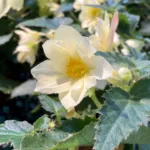 Begonia ‘Tuberhybrida’Begonia 'Tuberhybrida'
 Polka Dot Begonia (Begonia maculata) care guideBegonia maculata
 Begonia semperflorens care guideBegonia semperflorens
 Hardy begonia (Begonia grandis) care guideBegonia grandis
 Eyelash Begonia (Begonia bowerae) care guideBegonia bowerae
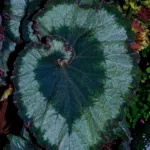 Begonia ‘Escargot’Begonia 'Escargot'