
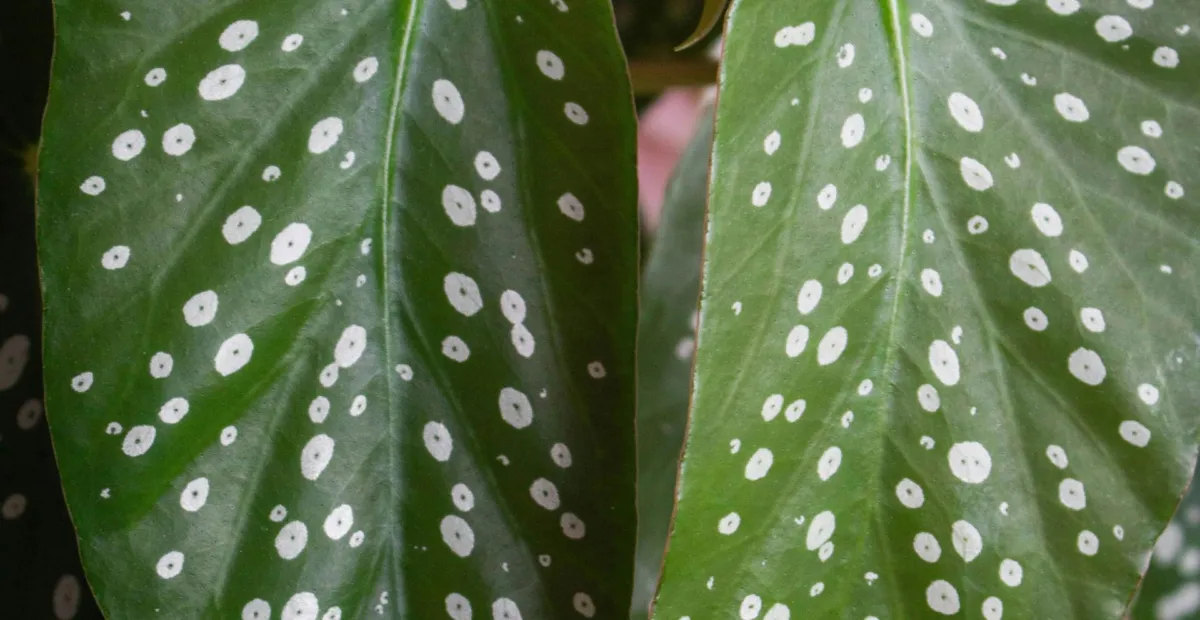
Polka Dot Begonia (Begonia maculata) short overview
Polka Dot Begonia (Begonia maculata) is a tender Brazilian cane begonia prized for upright, bamboo-like stems and elongated leaves marked with silvery spots and reddish undersides. It grows best indoors in bright, filtered light with warmth, moderate humidity, and evenly moist but well-drained potting mix. Clusters of pale flowers may appear in summer, while pruning and stem cuttings help maintain a full, attractive shape.
Taxonomic classification
Polka Dot Begonia (Begonia maculata) care guide
Light and placement
Provide bright filtered light, such as an east- or west-facing window behind a sheer curtain or a position a few feet from a bright south window. Gentle morning sun can be tolerated, but strong midday and afternoon sun may scorch the leaves or bleach the spotting. Too little light produces elongated stems, smaller leaves, and reduced flowering; harsh light causes pale patches, crisp margins, or brown scorch.
Watering and humidity
Water thoroughly when the top 1 inch of mix feels slightly dry, then allow the container to drain completely. Do not leave the pot standing in water. Water more frequently during warm, bright growth and less often in winter or low light, while avoiding prolonged dryness. Moderate humidity supports attractive foliage, but constant wetness and stagnant air increase disease risk.
Soil and growing medium
Use a loose, humus-rich, peat-free potting mix with excellent drainage. A blend based on indoor potting mix, fine bark, and perlite helps prevent waterlogging while retaining enough moisture for the fibrous root system. Slightly acidic to neutral conditions are suitable; avoid compacted or persistently saturated soil.
Feeding
Feed during active spring and summer growth with a balanced liquid houseplant fertilizer diluted to half strength about every two to four weeks. Water the plant first if the mix is dry. Reduce or stop feeding during low-light winter conditions and after repotting until fresh growth resumes. Do not fertilize a wilted, waterlogged, or recently stressed plant.
Growth and habit
This evergreen cane begonia develops upright, branching stems that can become tall and sparsely branched if light is inadequate. Pinching or pruning encourages side shoots and a fuller silhouette. Support may be useful for older canes, while regular rotation helps prevent one-sided growth toward a window.
Planting and repotting
In the United States, grow outdoors only after frost danger has passed and nighttime temperatures remain consistently above 60°F. Plant or place the container in sheltered bright shade, keeping the crown at its original depth. Allow space around the canes for airflow rather than burying stems deeply.
Repot in spring when roots fill the container or growth becomes crowded. Move up only one pot size, preserve the root ball where possible, and use a fresh, airy mix. Ensure the container has drainage holes. Repotting is usually needed every two to three years, or sooner if the mix has broken down.
Propagation and pruning
Propagation
Stem cuttings are the practical home method. Take a healthy cutting with at least one node in spring or summer, remove lower leaves, and root it in water or a lightly moist, well-drained propagation medium. Keep warm in bright filtered light. Seed propagation is possible but slower and less uniform.
Pruning
Prune in spring or after flowering to remove weak, damaged, or overly long canes. Cut just above a healthy node, leaving two or three buds on a cane when substantial reduction is needed. Use clean, sharp tools and root suitable healthy cuttings. Avoid removing too much foliage at once.
Overwintering
Bring containers indoors before temperatures fall below 60°F, and certainly before frost. Keep the plant in bright filtered light, away from drafts and heating vents. Reduce watering as growth slows, maintain moderate humidity with airflow, and stop routine fertilizing during dark winter periods. Check carefully for pests before moving it indoors.
Uses
Primarily grown as an ornamental indoor foliage plant, conservatory specimen, or sheltered warm-climate container plant. Its spotted leaves and upright canes provide strong architectural interest. It is not recommended as an edible or medicinal plant, and pets and young children should not be allowed to chew it.
Appearance
Identification centers on upright jointed canes, asymmetrical leaves with a wavy texture, heart-shaped bases, silvery-white spots on the upper surface, and red to burgundy undersides. The leaves are arranged along cane-like stems rather than forming a basal rosette. Mature plants may carry dangling clusters of small pale flowers.
Flowering
Small male and female flowers occur in pendent clusters, with pale pink to white tepals of unequal size. Flowering is commonly strongest in summer, although mature indoor plants may bloom at other times when light, warmth, and nutrition are favorable. Flowers can be followed by winged seed capsules if pollinated.
Pollination and visitors
Begonia flowers are generally visited by small insects, but reliable species-specific visitor records for Begonia maculata are limited. The plant should not be promoted as a confirmed pollinator-garden species without local observation or stronger documentation.
Begonia maculata photos
Click any photo for a larger view. Source, author and license are shown separately.
Diseases and pests
Diseases
Prevent gray mold, powdery mildew, stem rot, and root or rhizome rot by providing airflow, avoiding wet foliage, and allowing excess water to drain freely. Remove affected tissue promptly with sterile tools. Isolate plants showing persistent leaf spotting or collapse and correct overwatering or stagnant humidity.
Pests
Watch for mealybugs, aphids, spider mites, thrips, caterpillars, and vine weevil in containers. Inspect leaf undersides and stem joints regularly. Remove small infestations mechanically or treat with insecticidal soap according to the label, repeating as needed. Avoid water stress and excessive nitrogen, which can encourage soft growth and pest problems.
Related diseases and pests
Only Plant Doctor profiles whose host data indicate this plant may be affected are shown here.
 PestCitrus mealybugPlanococcus citri
 PestCyclamen mitePhytonemus pallidus
 PestBroad mitePolyphagotarsonemus latus (Banks)
 DiseaseCucumber mosaic virusCucumber mosaic virus
 DiseaseBlack Root RotBerkeleyomyces basicola
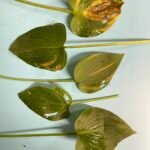 PestStrawberry foliar nematodeAphelenchoides fragariae
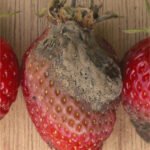 DiseaseGray MoldBotrytis cinerea
 Environmental stressOverwatering
Toxicity and pollen
Begonias are listed by the ASPCA as toxic to dogs and cats because of soluble calcium oxalates, with the greatest concentration generally associated with underground parts. Chewing may cause oral irritation, drooling, vomiting, or related gastrointestinal signs. Keep the plant away from pets and children and wash hands after handling damaged tissue.
- Pollination / pollen
- Limited species-specific data; insect-associated floral pollen
Specific airborne-pollen and allergy data for Begonia maculata are limited. Its flowers are usually grown indoors or in sheltered containers, so routine household pollen exposure is likely low, but low exposure should not be treated as proof of zero allergy risk. People with sensitivities should avoid handling flowers during symptoms and improve ventilation.
Native habitat
In nature, the species is associated with humid, shady tropical vegetation in southeastern Brazil, especially Rio de Janeiro State. It favors warm conditions, filtered light, organic soils, and reliable moisture without stagnant water. These conditions explain its preference for protected indoor culture in most of the United States.
Interesting fact
The species name maculata refers to its spotted leaves. Its stems are cane-like and jointed, giving mature plants a bamboo-like appearance. The same plant produces separate male and female flowers. The species is native to Rio de Janeiro State in southeastern Brazil.
Frequently asked questions (FAQ)
The most relevant questions about this plant, with short and direct answers.
🌱Quick care
How do you care for a Polka Dot Begonia?⌄
Give Polka Dot Begonia bright filtered light, evenly moist but well-drained soil, moderate humidity, and warm indoor temperatures. Water when the surface begins to dry, but do not let the pot sit in standing water.
Is Begonia maculata an indoor or outdoor plant?⌄
Begonia maculata is usually grown as an indoor plant in the United States. It can move outdoors during warm weather in bright shade, but bring it inside before temperatures approach frost.
How often should you water a Polka Dot Begonia?⌄
Water a Polka Dot Begonia when the top inch of potting mix feels slightly dry, usually about once a week during active growth. Water less often in winter and adjust the schedule for light, humidity, pot size, and room temperature.
🌤️Environment and placement
How much light does Begonia maculata need?⌄
Begonia maculata needs bright filtered or indirect light to maintain strong growth and colorful foliage. Protect it from intense midday or afternoon sun, which can scorch the leaves.
Can Begonia maculata grow in low light?⌄
Begonia maculata may survive in moderate light, but low light commonly produces weak, stretched growth and fewer flowers. Place it near an east- or bright north-facing window, or several feet from a brighter south- or west-facing window.
Does a Polka Dot Begonia need high humidity?⌄
A Polka Dot Begonia grows best with moderate to high humidity, especially in dry homes. A humid room or nearby humidifier is more reliable than repeatedly misting the leaves, which can encourage leaf problems.
What temperature is best for Begonia maculata?⌄
Keep Begonia maculata warm, generally around 65–80°F, and protect it from cold drafts and sudden temperature changes. It is frost tender and should be brought indoors before outdoor temperatures near freezing.
Can Begonia maculata grow outside in the United States?⌄
Begonia maculata can grow outdoors in warm, frost-free areas or as a seasonal patio plant in bright shade. In colder USDA zones, grow it in a container and bring it indoors before the first frost.
💧Care and problems
Why are the leaves on my Begonia maculata turning yellow?⌄
Yellow leaves on Begonia maculata are often caused by overwatering, poor drainage, or naturally aging lower leaves. Check that the pot drains freely, let the surface dry slightly between waterings, and inspect the roots if several leaves yellow at once.
Why are the leaves on my Polka Dot Begonia curling?⌄
Curling leaves may result from underwatering, low humidity, excessive direct sun, heat, or pests. Check the soil moisture and leaf undersides first, then move the plant away from harsh sun and hot drafts if needed.
Why does Begonia maculata have brown leaf tips?⌄
Brown leaf tips commonly indicate dry air, inconsistent watering, fertilizer buildup, or sun scorch. Keep moisture more even, use filtered or low-mineral water if possible, and provide bright indirect light without prolonged direct sun.
Why is my Begonia maculata dropping leaves?⌄
Begonia maculata may drop leaves after sudden changes in light, temperature, watering, or humidity. Persistent leaf loss can also indicate root rot, pests, or cold exposure, so check the roots and growing conditions rather than increasing water automatically.
How do you prevent root rot in Begonia maculata?⌄
Prevent root rot by using a loose, humus-rich mix with excellent drainage and watering only when the surface begins to dry. Empty saucers promptly and never keep the roots continuously waterlogged.
What pests attack Polka Dot Begonia?⌄
Polka Dot Begonia can be affected by aphids, mealybugs, mites, thrips, and other common houseplant pests. Inspect stems and leaf undersides regularly and isolate affected plants before treating them with an appropriate labeled product.
Can you mist Begonia maculata leaves?⌄
It is better not to mist Begonia maculata leaves routinely because lingering moisture can contribute to spotting and fungal problems. Increase humidity with a humidifier, a naturally humid room, or suitable spacing among plants instead.
🪴Planting and repotting
What is the best soil for Begonia maculata?⌄
Use a loose, humus-rich, well-drained houseplant mix that holds some moisture without becoming dense or soggy. Adding perlite or another aerating amendment can improve drainage and root oxygen.
When should you repot a Polka Dot Begonia?⌄
Repot a Polka Dot Begonia in spring or when roots fill the container, water drains unusually fast, or growth becomes stunted. Move it into a pot only slightly larger than the root ball to avoid excess wet soil.
Does Begonia maculata like to be root-bound?⌄
Begonia maculata can tolerate being slightly root-bound, but it should not remain severely crowded for long periods. Repot when roots circle densely, emerge from drainage holes, or the plant dries out unusually quickly.
What size pot does Begonia maculata need?⌄
Choose a pot about 1–2 inches wider than the current root ball and make sure it has drainage holes. An oversized container retains extra moisture and increases the risk of root problems.
✂️Propagation and pruning
How do you propagate Begonia maculata?⌄
Propagate Begonia maculata from stem cuttings containing at least one healthy node. Place the cutting in water or a lightly moist, well-drained rooting medium in bright indirect light, then pot it once roots are established.
Can you propagate a Polka Dot Begonia from a leaf?⌄
A Polka Dot Begonia is most reliably propagated from stem cuttings rather than a leaf alone. A cutting with a viable node is needed because new shoots develop from the node.
How do you prune Begonia maculata?⌄
Prune Begonia maculata by cutting long or leggy canes just above a node with clean shears. Regular tip pruning encourages branching, while removing damaged leaves improves appearance and airflow.
Why is my Begonia maculata leggy?⌄
Begonia maculata becomes leggy when light is insufficient, pruning is infrequent, or growth is being stretched toward a window. Move it into brighter filtered light and cut back long stems above nodes to encourage fuller growth.
⚠️Toxicity and safety
Is Begonia maculata toxic to cats?⌄
Yes, Begonia maculata should be treated as toxic to cats if chewed or ingested. Keep it inaccessible, and contact a veterinarian or pet poison service if a cat eats part of the plant or develops drooling, vomiting, or mouth irritation.
Is Begonia maculata toxic to dogs?⌄
Yes, Begonia maculata is toxic to dogs if ingested. Keep the plant away from chewing pets and contact a veterinarian or pet poison service promptly after ingestion, especially if vomiting, drooling, or difficulty swallowing occurs.
Which part of a Polka Dot Begonia is most toxic to pets?⌄
The underground portions of begonias are generally considered the most toxic to pets, although chewing other parts can also cause irritation. Prevent access to the entire plant, potting soil, and fallen leaves.
🌸Flowering and special interest
Does Begonia maculata flower indoors?⌄
Yes, Begonia maculata can flower indoors and may produce clusters of white or pink flowers when mature. Bright filtered light, adequate warmth, consistent moisture, and periodic feeding during active growth support flowering.
When does a Polka Dot Begonia bloom?⌄
A Polka Dot Begonia commonly blooms during spring or summer, although indoor conditions can shift the timing. Plants may flower less when light is too low, temperatures fluctuate, or the plant is stressed by overwatering.
How do you make Begonia maculata bloom?⌄
Provide bright filtered light, warm stable conditions, evenly moist but well-drained soil, and balanced fertilizer during active growth to encourage blooms. Avoid excessive nitrogen and do not keep the roots continuously wet.
Should you remove Begonia maculata flowers after they fade?⌄
Remove spent Begonia maculata flower clusters to keep the plant tidy and redirect energy toward continued growth. Cut the flower stalk back with clean shears without damaging nearby leaves or new buds.
Similar plants
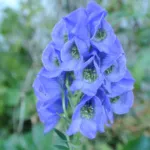 Azure Monkshood (Aconitum carmichaelii) care guideAconitum carmichaelii
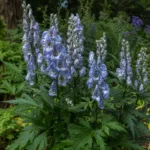 Monkshood (Aconitum ‘Stainless Steel’)Aconitum 'Stainless Steel'
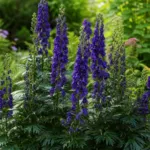 Monkshood (Aconitum ‘Bressingham Spire’)Aconitum 'Bressingham Spire'
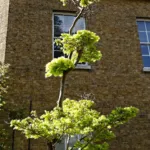 Golden full moon maple (Acer shirasawanum ‘Aureum’)Acer shirasawanum 'Aureum'
 Globosum (Acer platanoides ‘Globosum’)Acer platanoides 'Globosum'
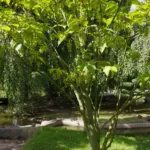 Striped maple (Acer pensylvanicum) care guideAcer pensylvanicum