
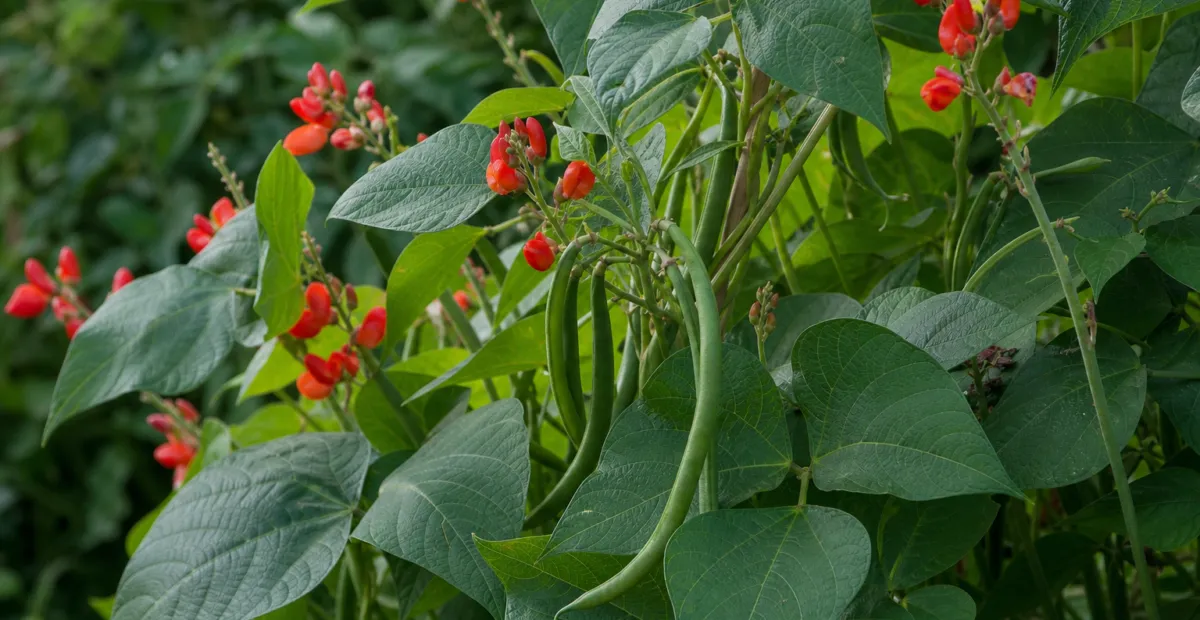
 AI-generated illustration
Snap bean (Phaseolus coccineus) short overview
Phaseolus coccineus, presented here under the verified common name snap bean, is a vigorous climbing bean native to the highlands of Mexico and Central America. Its twining stems carry trifoliate leaves, bright scarlet flowers and edible pods, making it useful as both a vegetable and an ornamental vine. Grow it in fertile, well-drained soil with steady moisture, full sun and strong support after frost has passed.
Taxonomic classification
Snap bean (Phaseolus coccineus) care guide
Light and placement
Give full sun for strongest flowering and pod production, with at least 6 hours of direct light. In hot inland areas, light afternoon shade can reduce heat stress, especially when temperatures stay above 90°F. Place the trellis where morning sun and good airflow reach the foliage. Too little light causes lanky growth, fewer flowers and weak pod set; excessive heat can cause flower drop.
Watering and humidity
Water deeply when the top inch of soil begins to dry, keeping moisture consistent from flowering through pod fill. Container plants may need watering daily during hot weather, while garden plants usually need about 1 inch per week, adjusted for rainfall and soil. Water at the base rather than over the leaves. Do not allow the root zone to remain saturated.
Soil and growing medium
Use fertile, moisture-retentive but well-drained loam enriched with compost. Avoid compacted or waterlogged soil, which can restrict roots and encourage rot. A slightly acidic to neutral reaction, approximately pH 6.0–7.0, is suitable. Mulch helps stabilize moisture and soil temperature.
Feeding
Incorporate finished compost before planting. Beans generally make adequate use of soil nitrogen, so avoid heavy nitrogen fertilizer, which produces leaves at the expense of flowers and pods. If plants remain pale or weak in poor soil, apply a balanced fertilizer at half the label rate once during active growth, then stop feeding late in the season.
Growth and habit
The vine is indeterminate and twining, continuing to extend while conditions remain favorable. Train young shoots onto support early, tie only loosely and keep the base weed-free. Regular harvesting encourages continued pod production; overcrowding reduces airflow and makes pest and disease monitoring harder.
Planting and repotting
Sow outdoors after the danger of frost has passed and soil has warmed to at least 55°F. Plant seeds about 1–2 inches deep, 4–6 inches apart, beside a trellis or other strong support. Thin or space final plants about 8–12 inches apart, and water thoroughly during establishment.
Container-grown plants are best started in individual pots or biodegradable containers because the roots dislike disturbance. Transplant while young, before extensive root binding, and move the entire root ball without teasing roots apart.
Propagation and pruning
Propagation
Usually propagated by seed. Sow directly after frost or start indoors in individual containers 3–4 weeks before transplanting. In mild climates, dormant tuberous roots can sometimes be divided or stored, but this is less reliable than seed propagation.
Pruning
Pruning is usually limited to removing damaged, diseased or exhausted growth. Redirect wayward stems onto the support during the season. After frost kills an annual planting, cut the vine at soil level and remove debris. Do not severely cut healthy vines during active flowering unless space is limited.
Overwintering
In Zones 7–11, a thick mulch layer may help protect tuberous roots after the vine is cut back by frost. In colder areas, plants are normally grown as annuals. Carefully lifting and storing dormant roots in barely moist material is possible but less dependable than starting fresh seed.
Uses
Grow it as a food crop for young pods and mature beans, or as an ornamental climber for trellises, arches and privacy screens. The flowers provide ornamental value and documented wildlife interest. Mature seeds must be thoroughly cooked before eating; avoid unsupported medicinal uses.
Appearance
This species forms twining, often hairy green stems and alternate trifoliate leaves with broad, pointed leaflets. Upright racemes carry large, conspicuous pea-like flowers, usually scarlet red. The pods are fleshy when young and become fibrous as they mature. A swollen or tuberous underground root may develop in perennial conditions.
Flowering
The species produces conspicuous papilionaceous flowers in short to elongated racemes. Scarlet-red is the characteristic color, although horticultural forms and taxonomic variants may show white, salmon, pink or purple tones. Flowering is favored by warm but not excessively hot conditions; pollen may become nonviable above about 90°F.
Pollination and visitors
The large nectar-bearing flowers are visited by bumblebees and, in some US gardens, hummingbirds. Bumblebees are especially effective visitors because their size and behavior help them access the flower structure. Hot weather can reduce pollen viability and fruit set.
Phaseolus coccineus photos
Click any photo for a larger view. Source, author and license are shown separately.
Diseases and pests
Diseases
Watch for bean rust, bacterial blights, anthracnose, damping-off and root rots. Reduce risk with clean seed, crop rotation, good air circulation, drip irrigation and removal of infected debris. Avoid handling foliage when wet, and discard severely diseased plants rather than composting them.
Pests
Common problems include slugs, snails, aphids, spider mites, Mexican bean beetles, bean leaf beetles and Japanese beetles. Inspect undersides of leaves, hand-pick larger pests, use row covers early in the season and encourage natural enemies. Avoid broad-spectrum insecticides while flowers are open.
Related diseases and pests
Only Plant Doctor profiles whose host data indicate this plant may be affected are shown here.
 DiseaseBean AnthracnoseColletotrichum lindemuthianum
 DiseaseBacterial Wilt of Dry BeanCurtobacterium flaccumfaciens pv. flaccumfaciens
 DiseaseBlack Root RotBerkeleyomyces basicola
 DiseaseBean common mosaicBean common mosaic virus (BCMV; Potyvirus phaseovulgaris)
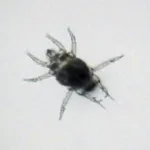 PestBroad mitePolyphagotarsonemus latus (Banks)
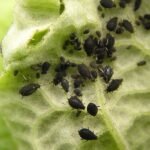 PestBlack Bean AphidAphis fabae
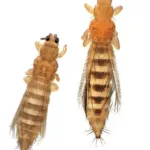 PestOnion thripsThrips tabaci Lindeman
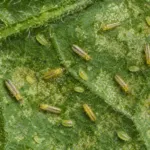 PestMelon thripsThrips palmi Karny
Toxicity and pollen
Raw or undercooked mature seeds of Phaseolus beans may contain lectins, including phytohemagglutinin, that can cause gastrointestinal illness. Edible pods and seeds should be properly cooked; do not eat large quantities of raw mature beans. Contact exposure is generally not a concern, but children and pets should not be allowed to consume uncooked seeds.
- Typical season
- Usually summer through early fall during flowering
- Pollination / pollen
- Insect-dispersed pollen
This is an insect-pollinated legume, so pollen is not typically dispersed in large quantities by wind. Airborne exposure is expected to be lower than for wind-pollinated plants, but sensitive people may still react to pollen or plant contact. Evidence for a precise species-specific allergy level is limited.
Native habitat
In its native range, the species occurs in upland Mexico and Central America, often in seasonally dry tropical settings, montane thickets, pine-oak woodland margins and streamside areas. It is associated with fertile soils and elevations ranging roughly from 1,000 to more than 3,000 meters.
Interesting fact
The species is native to mountain regions from Mexico to Nicaragua and can behave as an annual or perennial. Its vigorous indeterminate vines may reach several meters in length. The large, vivid flowers are unusually ornamental for a crop bean. Some plants form tuberous roots that can survive mild winters.
Frequently asked questions (FAQ)
The most relevant questions about this plant, with short and direct answers.
🌱Quick care
What is Phaseolus coccineus commonly called in the United States?⌄
Phaseolus coccineus is documented here as snap bean, although U.S. gardeners may also encounter names such as scarlet runner bean, runner bean, and multiflora bean. The species is a climbing edible legume in the Fabaceae family.
Is Phaseolus coccineus an annual or perennial plant?⌄
Phaseolus coccineus is usually grown as a frost-tender annual in the United States. It can behave as a perennial in mild, frost-free climates if its tuberous roots survive winter.
🌤️Environment and placement
How much sun does Phaseolus coccineus need?⌄
Give Phaseolus coccineus full sun for the best flowering and pod production, although it tolerates partial shade. Aim for at least 6 hours of direct sunlight daily when possible.
What kind of soil is best for Phaseolus coccineus?⌄
Plant Phaseolus coccineus in fertile, well-drained, moisture-retentive loam. Soil should stay evenly moist without remaining waterlogged, and a near-neutral pH is generally suitable.
Can Phaseolus coccineus tolerate cold soil?⌄
Phaseolus coccineus tolerates cooler soil better than many common beans, but it is still frost-tender. Sow outdoors after frost danger has passed, using soil around 60°F for more dependable germination.
How tall does Phaseolus coccineus grow?⌄
Climbing Phaseolus coccineus can reach about 8 to 10 feet in a growing season. Provide a sturdy trellis, arch, tripod, or other support before the vines become large.
💧Care and problems
How often should I water Phaseolus coccineus?⌄
Water Phaseolus coccineus regularly enough to keep the soil evenly moist, especially during flowering and pod formation. Increase watering during hot, dry weather, but avoid saturated soil and poor drainage.
Why are the pods on my Phaseolus coccineus tough?⌄
Phaseolus coccineus pods become fibrous as the seeds develop and should be harvested while young and tender. Pick pods frequently, often when they are roughly 4 to 6 inches long, unless you are growing them for shell or dry beans.
How do I harvest Phaseolus coccineus pods?⌄
Harvest Phaseolus coccineus pods when they are young, firm, and not yet visibly swollen with mature seeds. Use scissors or pinch them off carefully, and pick every few days to encourage continued production.
What pests commonly affect Phaseolus coccineus?⌄
Common pests of Phaseolus coccineus include slugs, snails, aphids, and blackfly. Inspect young growth regularly, improve airflow, and use locally appropriate controls if pest damage becomes significant.
What diseases can affect Phaseolus coccineus?⌄
Phaseolus coccineus can be affected by bean rust and other problems favored by wet foliage or poor airflow. Water at the soil line, avoid overcrowding, and remove severely diseased plant material.
Why are my Phaseolus coccineus leaves turning yellow?⌄
Yellow leaves on Phaseolus coccineus may result from overwatering, poor drainage, nutrient stress, disease, or normal aging. Check soil moisture and roots first, then inspect the foliage for spots, insects, or spreading discoloration.
🪴Planting and repotting
Does Phaseolus coccineus need a trellis?⌄
Most Phaseolus coccineus plants need a strong trellis because they are vigorous twining vines. Compact or dwarf cultivars may need less support, but even these benefit from a short framework.
Can Phaseolus coccineus be grown in containers?⌄
Phaseolus coccineus can grow in a large container if it has fertile soil, reliable drainage, consistent moisture, and sturdy support. Dwarf cultivars are usually easier for containers, while climbing types need substantial vertical space.
When should I plant Phaseolus coccineus outdoors?⌄
Plant Phaseolus coccineus outdoors after the local last-frost risk has passed and the soil has warmed. In the United States, the exact sowing date depends on USDA zone, elevation, and spring soil temperature.
How deep should I plant Phaseolus coccineus seeds?⌄
Sow Phaseolus coccineus seeds about 1 to 2 inches deep in prepared soil. Space them according to the cultivar and support system, allowing enough room for airflow around the vigorous vines.
Can I start Phaseolus coccineus seeds indoors?⌄
You can start Phaseolus coccineus indoors several weeks before outdoor planting, but handle the seedlings carefully because bean roots dislike disturbance. Direct sowing is often simpler once frost danger has passed.
✂️Propagation and pruning
How do I propagate Phaseolus coccineus?⌄
Propagate Phaseolus coccineus primarily from seed. For seed saving, leave pods on the vine until they are fully mature and dry, then shell the seeds and store only clean, completely dry seed.
Can I save seeds from Phaseolus coccineus pods?⌄
Yes, you can save Phaseolus coccineus seeds by allowing mature pods to dry on the vine until they become papery and the seeds rattle. Dry the shelled seeds further before storing them in a cool, dry place.
Does Phaseolus coccineus need pruning?⌄
Phaseolus coccineus generally does not require pruning. Guide young vines onto their support, remove damaged growth if necessary, and cut the plant back after frost or at the end of the season.
⚠️Toxicity and safety
Is Phaseolus coccineus safe to eat raw?⌄
Young pods of Phaseolus coccineus are best cooked rather than eaten raw, and mature seeds must be thoroughly cooked before eating. Raw or undercooked mature seeds can contain lectins that cause nausea, vomiting, and diarrhea.
Can you eat Phaseolus coccineus dried seeds?⌄
You can eat mature dried Phaseolus coccineus seeds after soaking and thorough cooking. Do not eat the dried seeds raw or undercooked, and discard soaking water if using a conventional bean-preparation method.
Are Phaseolus coccineus seeds poisonous?⌄
Phaseolus coccineus seeds have low toxicity when properly prepared but can be harmful raw or undercooked because of naturally occurring lectins. Thorough boiling or equivalent cooking makes the mature seeds suitable for eating.
🌸Flowering and special interest
Why is my Phaseolus coccineus flowering but not producing beans?⌄
Hot weather can reduce pollination and pod set in Phaseolus coccineus, particularly when temperatures rise above about 90°F. Keep plants consistently watered, encourage pollinators, and expect better production during cooler periods.
Are Phaseolus coccineus flowers edible?⌄
Phaseolus coccineus flowers are edible and have a mild, bean-like flavor. Harvest only a small number if you want pods, because removing flowers reduces the plant’s potential bean crop.
What color flowers does Phaseolus coccineus produce?⌄
Phaseolus coccineus commonly produces scarlet-red flowers, while some cultivars have pink, white, or bicolored blooms. The flowers are attractive to hummingbirds and bees during the summer growing season.
Does Phaseolus coccineus attract hummingbirds?⌄
Yes, the colorful flowers of Phaseolus coccineus commonly attract hummingbirds as well as bees. A sunny position and uninterrupted flowering support its value as both an edible crop and an ornamental vine.
Similar plants
 Azure Monkshood (Aconitum carmichaelii) care guideAconitum carmichaelii
 Monkshood (Aconitum ‘Stainless Steel’)Aconitum 'Stainless Steel'
 Monkshood (Aconitum ‘Bressingham Spire’)Aconitum 'Bressingham Spire'
 Golden full moon maple (Acer shirasawanum ‘Aureum’)Acer shirasawanum 'Aureum'
 Globosum (Acer platanoides ‘Globosum’)Acer platanoides 'Globosum'
 Striped maple (Acer pensylvanicum) care guideAcer pensylvanicum