

Black Bean Aphid
Aphis fabaeBlack Bean Aphid overview
The black bean aphid (Aphis fabae) is a small, soft-bodied sap-feeding insect that can form dense colonies on beans, beets, celery, potatoes, flowers and woody ornamentals. Infested growth may curl, yellow or become stunted, while honeydew encourages sooty mold. Winged aphids spread infestations, and they may also transmit important plant viruses. Identification should be confirmed because several dark aphid species look similar.
Typical conditions
Overview
Adults are usually matte dark green, olive, purplish-black or black and are about 0.04–0.08 inch (1–2 mm) long. Wingless forms have a compact body and pale-to-yellowish legs with darker tips; winged forms have a dark head and thorax and disperse when colonies become crowded or the host deteriorates. Aphis fabae can be confused with cowpea aphid and other dark aphids, so reliable identification may require close examination or an extension diagnostic service.
In U.S. gardens and farms, the pest is most relevant on legumes, beets, celery and some ornamentals and flowers. It is not a disease, but its feeding can weaken plants and it can vector viruses in crops where the particular virus–aphid relationship is established.
Symptoms and identification
- Dense dark aphid colonies on the undersides of leaves, tender stems, petioles or shoot tips.
- Downward curling, puckering, distortion, yellowing or stunting of heavily infested growth.
- Sticky honeydew on foliage and nearby surfaces, sometimes followed by black sooty mold.
- Reduced vigor, smaller leaves, poor shoot development and possible yield reduction when feeding is prolonged or populations are high.
- Virus symptoms may occur in susceptible crops after transmission, but these cannot be diagnosed from aphid presence alone.
Causes and spread
Spread occurs when winged aphids move from primary woody hosts, weeds, harvested fields or crowded crop plants into new growth. Aphids can also be moved short distances on infested transplants, cut plant material, clothing or tools. Weedy field margins and nearby host shrubs can act as reservoirs. Ant attendance may increase colony persistence by protecting aphids from predators.
Plant stress, excessive nitrogen that produces soft succulent growth, dense canopies and delayed removal of crop residue can favor buildup. Virus transmission depends on the virus, host and vector relationship; the presence of Aphis fabae does not prove that a virus has been transmitted.
Life cycle and persistence
In the classic holocyclic cycle, winter eggs are laid on primary woody hosts such as European spindle (Euonymus europaeus), European cranberrybush (Viburnum opulus) or mock orange (Philadelphus species). In spring, wingless females establish colonies, followed by increasing numbers of winged females that migrate to numerous herbaceous secondary hosts.
On secondary hosts, females reproduce largely without mating and give birth to live nymphs. Several generations may occur during the growing season, allowing populations to increase rapidly. In autumn, winged forms may return to a primary host, where sexual forms mate and lay overwintering eggs. In mild regions or protected environments, some colonies may survive without completing this host alternation.
Treatment and control
First confirm that the insects are aphids and assess plant stage, colony density, crop value and biological control. On many established plants, low to moderate populations can be tolerated while predators and parasitoids work. Treat promptly when seedlings are stressed, new growth is being distorted, colonies are rapidly increasing, edible produce is being contaminated, or a documented virus-risk situation makes prevention important.
Use a strong water spray, targeted pruning or a labeled contact material for localized garden infestations. In commercial crops, select only a currently registered product and crop-specific program, prioritize selective options, rotate insecticide mode-of-action groups when repeated applications are necessary, and protect bees and other beneficial organisms. Reinspect treated plants because aphids hidden on leaf undersides may survive.
Low-impact and biological control
- Knock colonies from nonfragile plants with a firm stream of water, concentrating on leaf undersides and tender stems.
- For small infestations, prune and discard badly infested shoots; do not compost heavily infested material unless the composting process is reliably hot.
- Use insecticidal soap or a labeled narrow-range horticultural oil only when the product is registered for the crop and site. Coverage must contact the aphids, and repeat applications may be needed because these materials have little residual activity.
- Conserve lady beetles, lacewings, syrphid larvae and parasitoid wasps by avoiding unnecessary broad-spectrum insecticides.
- Control ants around plants when they are tending aphids, while avoiding disruption of beneficial insects.
Prevention
- Inspect transplants and garden plants before planting, especially shoot tips and leaf undersides.
- Monitor from emergence through vegetative growth and flowering, with extra attention to field edges and areas near harvested aphid-favored crops.
- Remove volunteer plants and weeds that are carrying colonies, but preserve noninfested flowering habitat that supports natural enemies.
- Use floating row cover or insect netting over susceptible young vegetable plants where practical; install it before colonization.
- Avoid excessive nitrogen and maintain even watering to reduce soft, stress-prone growth.
- Remove crop residue promptly after harvest and rotate crops where appropriate.
- Choose tolerant or virus-resistant cultivars when resistance is available for the crop and target virus.
Interesting facts
- The common name “black bean aphid” is useful but not exclusive: populations can be dark green, olive or purplish-black.
- It is highly polyphagous, with documented primary woody hosts and many herbaceous secondary hosts.
- Winged forms are produced when colonies are crowded, plants are stressed or host quality declines.
- Lady beetles, lacewings, syrphid larvae and parasitoid wasps can substantially reduce colonies; parasitized aphids become hardened “mummies.”
- Ants may protect aphids to collect honeydew, interfering with biological control.
Use pesticides only when monitoring shows treatment is justified and only products legally authorized and currently labeled in the United States for the specific crop, site and aphid problem. Follow the entire current label, including rates, personal protective equipment, pollinator precautions, preharvest intervals and reentry restrictions. Avoid broad-spectrum products when possible because they can destroy aphid predators and parasitoids.
Affected plants
The plants below are linked to this problem by structured host-plant data. The list updates automatically as new plant profiles are added.
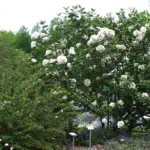 Arrowwood (Viburnum carlesii) care guideViburnum carlesii
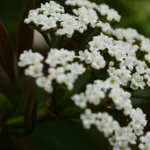 David Viburnum (Viburnum davidi) care guideViburnum davidi
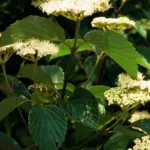 Arrow-wood (Viburnum dentatum) care guideViburnum dentatum
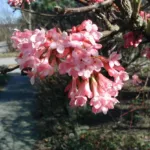 Fragrant viburnum (Viburnum farreri) care guideViburnum farreri
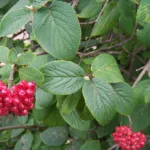 Wayfaring-tree (Viburnum lantana) care guideViburnum lantana
 Wild Celery (Apium graveolens) care guideApium graveolens
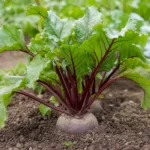 Beet (Beta vulgaris) care guideBeta vulgaris
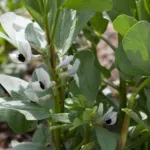 Broad Bean (Vicia faba) care guideVicia faba
 He tepary bea (Phaseolus acutifolius) care guidePhaseolus acutifolius
 Snap bean (Phaseolus coccineus) care guidePhaseolus coccineus
 Butter bea (Phaseolus lunatus) care guidePhaseolus lunatus
 String Bean (Phaseolus vulgaris) care guidePhaseolus vulgaris