
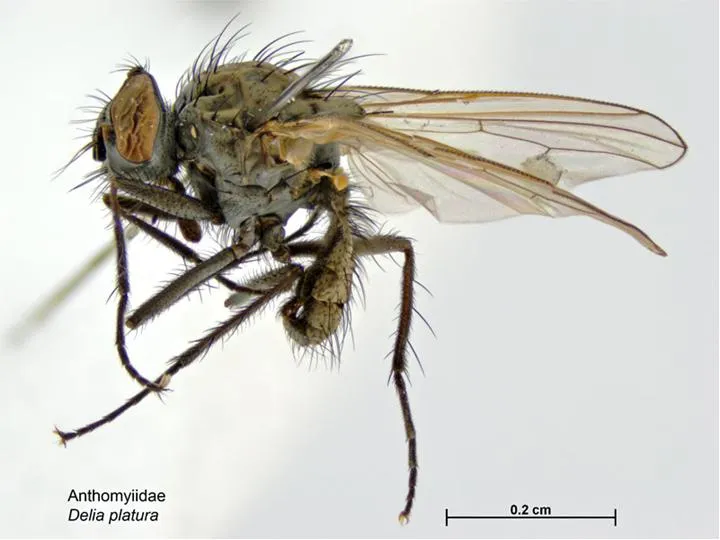
Seedcorn maggot
Delia platuraSeedcorn maggot overview
Seedcorn maggot is the larval stage of the small gray fly Delia platura. The legless larvae feed below the soil surface on planted seeds, germinating seedlings and young underground stems, causing missing plants, slow emergence, wilted seedlings and poor stand establishment. Damage is most likely in cool, wet soils containing recently incorporated manure, cover crops, weeds or fresh crop residue.
Typical conditions
Overview
Delia platura, commonly called the seedcorn maggot, is a fly in the family Anthomyiidae. The adult is a slender gray fly roughly 0.2 inch long; the larva is a small, white to creamy, legless maggot that feeds below the soil surface.
The pest has a broad but variable host range and is particularly associated with corn, soybeans, edible beans, onions, cole crops, cucurbits and other large-seeded or newly transplanted crops. Larvae can be difficult to distinguish from other Delia species without microscopic examination, so diagnosis should consider the crop, injury pattern and field history.
Symptoms and identification
- Slow, uneven or missing emergence in localized patches.
- Seeds hollowed out, tunneled or destroyed before emergence.
- Wilted, stunted or unusually pale seedlings that may collapse.
- Feeding scars or tunnels in cotyledons and underground stems.
- “Snakehead” or “Y-shaped” bean and soybean seedlings when the growing tip is injured but a lower node survives.
- Secondary fungal or bacterial decay may develop in wounded seed or seedlings.
Dig up nonemerged seeds and inspect them and the surrounding soil. Because white Delia larvae are difficult to identify by appearance alone, confirmation may require an experienced diagnostician or taxonomist.
Causes and spread
Adult females are attracted to recently disturbed, moist soil and odors from decomposing organic matter. They lay eggs in soil cracks, beneath clods or near the base of planted crops. After hatching, larvae move to seeds and germinating seedlings.
Risk increases when fresh livestock manure, green-manure crops, cover crops, weeds or substantial crop residue are incorporated shortly before planting. Cool, wet soil further increases injury by slowing germination and extending the period during which seeds and seedlings are vulnerable. The pest is not normally spread from established plant to established plant; infestations are generally associated with field conditions and adult fly activity.
Life cycle and persistence
Seedcorn maggot usually overwinters as a pupa in soil. Adults emerge in spring as soil temperatures rise, mate and lay eggs in moist soil near newly tilled areas and planted seeds. Eggs may hatch within a few days, and larvae feed for approximately one to three weeks before pupating in the soil.
Several generations may occur in a growing season, with the number and timing varying by climate. In Minnesota research, development begins near a 39°F soil-temperature threshold, and degree-day models have been used to estimate adult emergence; local validation is important before relying on such models in a home garden or farm.
Treatment and control
There is generally no reliable rescue treatment after larvae have entered seeds or young seedlings. Remove and diagnose failed seedlings, correct drainage or soil-preparation problems, and assess whether replanting is justified by stand density and crop value.
For future plantings, reduce risk by delaying sowing until conditions promote rapid emergence, waiting after incorporation of fresh organic matter, and avoiding peak adult activity where locally validated degree-day or monitoring information is available. In commercial production, preventive seed or in-furrow treatments may be considered only when documented field risk and crop labeling support them.
Low-impact and biological control
Organic management is primarily preventive. Incorporate manure, cover crops and weeds early enough for thorough decomposition; maintain a clean seedbed; avoid planting into cool, saturated soil; and use transplants, pregerminated seed or physical row covers to shorten or protect the vulnerable establishment period.
Ground beetles, predatory nematodes and naturally occurring fungal pathogens can attack seedcorn maggot stages, but conservation of these organisms should be viewed as supportive IPM rather than a dependable stand-saving treatment after injury is visible.
Prevention
- Allow fresh manure, cover crops, weeds and crop residue to decompose fully before planting; a minimum interval of about two weeks after incorporation is commonly recommended, and longer may be appropriate for heavy or cool, wet residue conditions.
- Destroy weeds and incorporate residue well before sowing rather than immediately before planting.
- Plant when soil is warm enough and moisture is suitable for rapid germination and emergence.
- Use transplants or pregerminated seed for vulnerable vegetable crops where practical.
- Avoid unnecessary soil disturbance that creates attractive moist furrows or clods during peak fly activity.
- Use floating row cover or insect-excluding fabric over seedbeds when appropriate, securing edges against adult flies.
- Monitor stand establishment closely and keep records of fields with previous injury.
Interesting facts
- The common name refers to the larval stage, not a worm; the adult is a small fly.
- Seedcorn maggot larvae are often confused with cabbage maggot or onion maggot. Species-level separation may require microscopic examination.
- The pest is attracted to freshly disturbed soil and decomposing organic matter, making planting timing and residue management central to control.
- Feeding can destroy the growing point of a bean or soybean seedling, producing characteristic “snakehead” or branched “Y-shaped” plants.
- Damage is usually concentrated during germination and early seedling establishment rather than later crop development.
Use insecticides only when the product is legally authorized for seedcorn maggot, the specific crop and the intended application site in the United States. Follow the current EPA-approved label, state restrictions, worker-protection requirements and preharvest interval exactly. Because rescue treatments are generally ineffective after feeding begins, any preventive seed-treatment or in-furrow decision should be based on documented risk and current local extension recommendations; do not apply an off-label product.
Affected plants
The plants below are linked to this problem by structured host-plant data. The list updates automatically as new plant profiles are added.
 Onion (Allium cepa) care guideAllium cepa
 Allium christophii care guideAllium christophii
 Bunching onion (Allium fistulosum) care guideAllium fistulosum
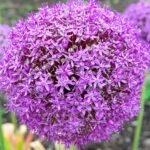 Giant Allium (Allium giganteum) care guideAllium giganteum
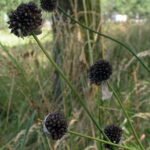 Ornamental onion (Allium) care guideAllium
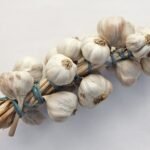 Garlic (Allium sativum) care guideAllium sativum
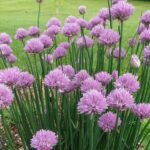 Chives (Allium schoenoprasum) care guideAllium schoenoprasum
 Ransoms (Allium ursinum) care guideAllium ursinum
 Ethiopian Rape (Brassica carinata) care guideBrassica carinata
 Brown Mustard (Brassica juncea) care guideBrassica juncea
 Rapeseed (Brassica napus) care guideBrassica napus
 Urnip rape (Brassica rapa) care guideBrassica rapa