
 Source:
 Ornamental onion (Allium) short overview
Allium is a large genus of bulbous or rhizomatous plants in the Amaryllidaceae family, including ornamental onions as well as onions, garlic, chives, and related crops. Species vary widely in size, flower color, bloom season, and hardiness, but many garden alliums form strap-like leaves and leafless flower scapes topped by rounded umbels. Most ornamental types prefer full sun, sharply drained soil, and a dry summer rest.
Taxonomic classification
Ornamental onion (Allium) care guide
Light and placement
Give most ornamental alliums at least 6 hours of direct sun, ideally in an open bed with a south- or west-facing exposure. Morning sun with afternoon light shade can work in hot climates, especially for smaller species. Weak, floppy growth and sparse flowering usually indicate insufficient light; bleached foliage or scorched leaves may indicate intense heat combined with drought rather than excessive light alone.
Watering and humidity
Water newly planted bulbs or divisions when the upper few inches of soil begin to dry, keeping the root zone evenly but not constantly wet during establishment. Once actively growing plants are established, water deeply and infrequently. Reduce watering after foliage yellows and flowering finishes, because many ornamental alliums prefer a relatively dry summer dormancy. Avoid wet soil around dormant bulbs.
Soil and growing medium
Use fertile but sharply drained soil with a loose structure. Sandy or gritty loam is broadly suitable; heavy clay should be amended with organic matter and mineral grit or planted in raised beds to prevent bulb rot. Most species tolerate a moderately broad pH range, from slightly acidic through slightly alkaline. Drainage is more important than high fertility.
Feeding
Mix a modest amount of finished compost into the planting area before planting. For ornamental bulbs, apply a balanced slow-release fertilizer in early spring as shoots emerge, following the product label rather than overfeeding. Avoid high-nitrogen fertilizer, which can produce lush leaves and weaker flowering. Do not fertilize plants that are dormant or growing in waterlogged soil.
Growth and habit
Growth habit varies greatly across the genus, but many ornamental species emerge from bulbs in spring, produce a basal clump of leaves, and send up mostly leafless scapes. Foliage often declines during or soon after flowering, while the bulbs remain dormant underground. Planting among later-emerging perennials can conceal fading leaves without interfering with the dry resting period.
Planting and repotting
Choose a sunny, well-drained site and loosen the soil before planting. Set bulbs pointed end up at a depth appropriate to their size, usually with 2–3 bulb heights of soil above them. Space plants according to mature spread and intended visual density. Water after planting to settle the soil, then avoid persistent saturation. Mark dormant bulb locations so they are not disturbed later.
Container-grown alliums need a pot with drainage holes and a gritty, free-draining mix. Repot or divide crowded clumps during dormancy, preferably after foliage has died back. Choose a container deep enough for the bulb and large enough to prevent rapid drying, but avoid oversized pots that hold excess wet mix around dormant bulbs.
Propagation and pruning
Propagation
Propagate by seed, division, offsets, or bulbs, depending on the species. Sow fresh seed when ripe or use a cold period when recommended for the species. Divide established clumps after foliage dies back or during dormancy, separating offsets carefully. Seed-grown plants may take several years to flower, while offsets usually establish faster.
Pruning
Remove spent flower heads when they become unattractive or leave them standing for winter structure and seed development. Allow leaves to yellow naturally before cutting them back, because the foliage replenishes the bulb after flowering. Remove completely brown foliage at ground level and clear diseased debris from the bed.
Overwintering
Hardy species can usually remain outdoors in the ground, especially when planted at the correct depth in well-drained soil. In very cold areas, apply a light mulch after the ground freezes, then remove or thin it in spring. Container bulbs are more exposed to freezing and may need insulation or an unheated protected location. Tender species should be treated according to their individual requirements.
Uses
Ornamental alliums are used in perennial borders, rock gardens, containers, naturalistic plantings, and cut- or dried-flower arrangements. Some Allium species are important food crops or culinary herbs, but an unidentified ornamental plant should not be eaten because species and cultivar safety vary. Flowering umbels can add vertical structure and seasonal resources to pollinator gardens.
Appearance
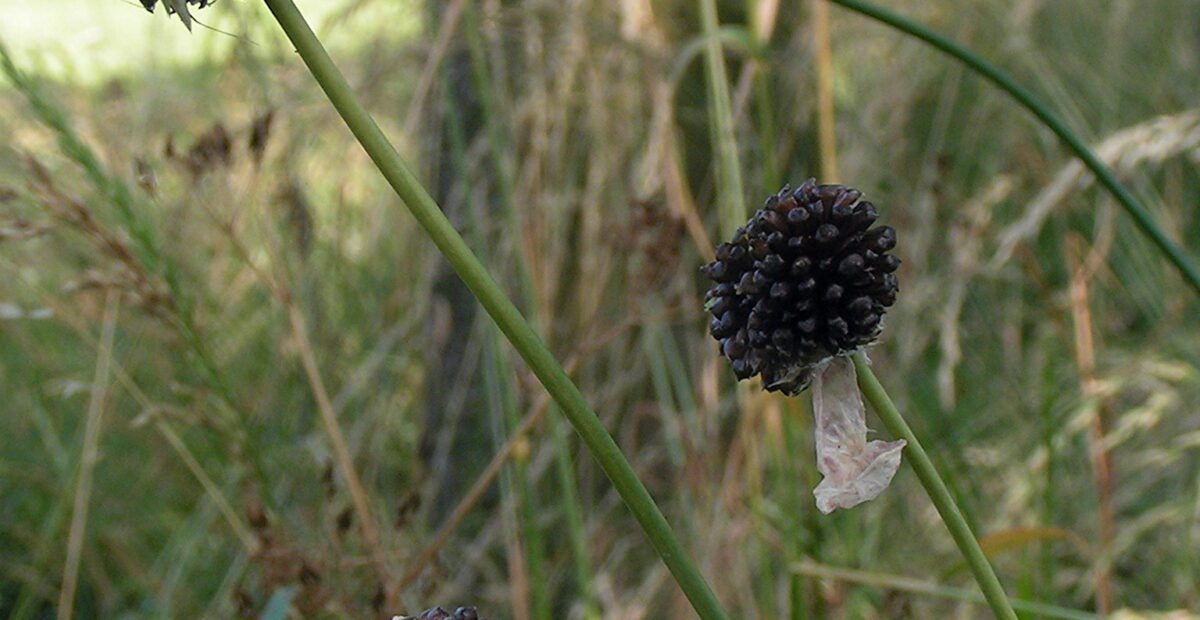
Typical features include linear, strap-like, hollow, or cylindrical leaves; a distinct onion or garlic odor when tissue is bruised; and upright scapes bearing rounded umbels. Flowers may be star-shaped or bell-like and range from tiny dense florets to large airy spheres. Seed heads often persist after bloom and can provide strong architectural interest.
Flowering
Allium flowers are typically arranged in spherical or hemispherical umbels above the foliage. Flowering time is species-dependent but commonly falls between April and July in much of the United States, with some late-season species blooming in August. Individual florets usually have six tepals and six stamens. Many seed heads remain ornamental after the flowers fade.
Pollination and visitors
Open Allium umbels provide accessible nectar and pollen for bees, bumblebees, hoverflies, and some butterflies. Attraction varies with flower size, nectar production, weather, and the surrounding plant community. The exposed flower structure makes many ornamental species useful in mixed pollinator plantings, but no single visitor group applies equally to the entire genus.
Allium photos
Click any photo for a larger view. Source, author and license are shown separately.
Diseases and pests
Diseases
The principal risks are bulb and root rots in poorly drained soil, fungal leaf spots, and downy mildew during cool, wet conditions. Prevent problems with full sun, adequate spacing, clean planting stock, and careful watering at the soil line. Remove severely affected foliage and bulbs, improve drainage, and avoid replanting susceptible material in contaminated soil.
Pests
Common pests can include onion thrips, bulb mites, onion maggots, and generalist chewing insects, although ornamental plantings are often relatively trouble-free. Inspect new growth for stippling, silvery scars, wilting, or distorted leaves. Remove damaged material, improve garden sanitation, and use an appropriately labeled treatment only when monitoring shows a significant infestation.
Related diseases and pests
Only Plant Doctor profiles whose host data indicate this plant may be affected are shown here.
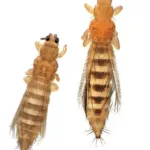 PestOnion thripsThrips tabaci Lindeman
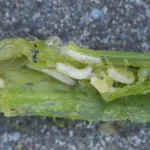 PestOnion MaggotDelia antiqua
 DiseaseOnion downy mildewPeronospora destructor
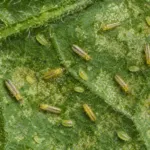 PestMelon thripsThrips palmi Karny
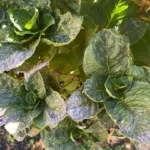 PestChilli thripsScirtothrips dorsalis Hood
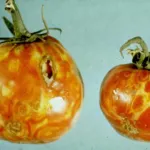 DiseaseTomato spotted wilt virusOrthotospovirus tomatomaculae (tomato spotted wilt virus; TSWV)
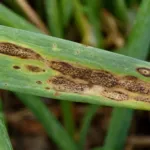 DiseaseStemphylium Leaf BlightStemphylium vesicarium (Wallr.) E.G. Simmons
 DiseaseRhizopus soft rotRhizopus stolonifer
Toxicity and pollen
Allium is a broad genus, and toxicity differs among species and exposure levels. Onions, garlic, chives, and related Allium plants are recognized as potentially toxic to dogs and cats when eaten in sufficient quantities because sulfur compounds can damage red blood cells. Do not assume an ornamental cultivar is edible. Keep bulbs and plant material away from pets and seek veterinary advice after suspected ingestion.
- Typical season
- Typically spring through summer, varying by species and region
- Pollination / pollen
- Dry pollen released from exposed anthers and transported mainly by flower visitors
Allium pollen is primarily released from flowers and carried between blooms by insects, so airborne exposure is generally lower than for strongly wind-pollinated plants. It is not accurate to treat insect pollination as zero allergy risk. People with known plant or pollen sensitivities should avoid handling flowers during heavy bloom and wash hands after garden work.
Native habitat
The genus occupies a wide range of habitats, including dry grasslands, rocky slopes, steppes, open woodland, mountain meadows, deserts, and seasonally moist sites. Many species are adapted to climates with a distinct growing season followed by summer or winter dormancy. Native soils range from sandy and stony substrates to fertile loams, but prolonged waterlogging is generally unfavorable for bulbous species.
Interesting fact
Allium is a very large genus containing both ornamental plants and major food crops such as onion, garlic, leek, and chives. The characteristic onion-like odor comes from sulfur-containing compounds released when tissues are damaged. In many ornamental species, the flower head remains attractive as a dry seed head long after the petals fall. Some species reproduce through offsets, seeds, or small bulbils formed in the flower head.
Frequently asked questions (FAQ)
The most relevant questions about this plant, with short and direct answers.
🌱Quick care
What is ornamental onion?⌄
Ornamental onion is a flowering Allium grown for its rounded clusters of purple, pink, white, blue, or yellow flowers rather than for eating. It is usually a bulbous perennial that blooms in spring or early summer.
How much sun does ornamental onion need?⌄
Ornamental onion grows best in full sun, although many varieties tolerate partial shade. Plants generally flower most reliably when they receive at least 6 hours of direct sunlight daily.
How often should I water ornamental onion?⌄
Water ornamental onion when the soil is dry several inches below the surface, especially during its first growing season. Established plants usually need only dry to moderate moisture and can tolerate short periods of drought.
Is ornamental onion easy to grow?⌄
Yes, ornamental onion is generally easy to grow when planted in full sun and well-drained soil. The main concern is preventing bulbs from remaining wet, which can cause rot.
🌤️Environment and placement
What type of soil is best for ornamental onion?⌄
Use well-drained sandy, loamy, or gritty soil for ornamental onion. Improve heavy clay with organic matter and grit or plant in a raised area so excess water drains away.
Can ornamental onion grow in partial shade?⌄
Ornamental onion can grow in partial shade, but flowering may be reduced and stems may become less sturdy. Choose a site with morning or afternoon sun for better blooms.
Is ornamental onion drought tolerant?⌄
Established ornamental onion is usually drought tolerant, particularly in sandy or gritty soil. Water it during prolonged heat or drought, but avoid keeping the soil consistently moist.
Will ornamental onion survive winter?⌄
Many ornamental onion varieties are winter-hardy, but hardiness depends on the species or cultivar. Check the plant label for its USDA hardiness range and provide excellent drainage in cold, wet regions.
Can ornamental onion grow in containers?⌄
Yes, ornamental onion grows well in deep containers with drainage holes and a porous potting mix. Container bulbs are more exposed to winter cold, so protect the pot in climates colder than the plant’s recommended hardiness range.
💧Care and problems
Why are my ornamental onion leaves turning yellow?⌄
Ornamental onion leaves commonly turn yellow and die back naturally as flowering begins. Yellowing earlier than expected can indicate overwatering, poor drainage, disease, or another growing problem.
Why is my ornamental onion not flowering?⌄
Ornamental onion may fail to flower because of insufficient sunlight, immature bulbs, overcrowding, excessive nitrogen, or wet soil. Give it full sun, well-drained soil, and time to establish before moving it.
Does ornamental onion need fertilizer?⌄
Ornamental onion usually needs little fertilizer when grown in reasonably fertile soil. If growth is weak, apply a balanced bulb fertilizer according to the label rather than using excessive nitrogen, which can encourage leaves over flowers.
Does ornamental onion need staking?⌄
Most ornamental onions do not need staking, but tall varieties may need support in windy locations or when flower heads become heavy. Planting them in a sheltered site helps keep the stems upright.
What problems affect ornamental onion?⌄
Ornamental onion is usually trouble-free but can develop bulb rot, downy mildew, onion white rot, or pests associated with edible Alliums. Poor drainage and planting repeatedly where onions were grown can increase disease risk.
🪴Planting and repotting
When should I plant ornamental onion bulbs?⌄
Plant ornamental onion bulbs in fall, generally from September through November in much of the United States, before the ground freezes. In warmer areas, planting may extend later into fall if the bulbs can root before spring.
How deep should ornamental onion bulbs be planted?⌄
Plant ornamental onion bulbs at a depth of about three to four times the bulb’s height, with the pointed end facing upward. Exact depth varies by species, so use the package instructions when available.
How far apart should ornamental onion bulbs be planted?⌄
Space ornamental onion bulbs according to their mature size, commonly about 3 to 12 inches apart. Small varieties can be planted closer together, while giant types need more room for their leaves and flower heads.
Can ornamental onion bulbs be planted in spring?⌄
Spring planting is possible with actively growing nursery plants, but dormant bulbs are normally planted in fall. Spring-planted bulbs may flower weakly or wait until the following year.
✂️Propagation and pruning
How do I propagate ornamental onion?⌄
Propagate ornamental onion by separating offsets, planting bulbils when present, or growing it from seed. Division and bulbils usually produce flowering plants sooner than seed.
When can I divide ornamental onion bulbs?⌄
Divide mature ornamental onion clumps in fall after the foliage has died back, or when the bulbs are dormant. Replant healthy offsets immediately at the appropriate depth and spacing.
Should I deadhead ornamental onion?⌄
Deadhead ornamental onion after flowering if you want to reduce self-seeding or keep the display tidy. You can also leave the dried flower heads in place because they provide ornamental interest and can last into winter.
When should I cut back ornamental onion leaves?⌄
Leave ornamental onion foliage in place until it has naturally yellowed and withered, because the leaves replenish the bulb for next year. Remove the dead foliage afterward, or hide it with nearby perennials.
⚠️Toxicity and safety
Is ornamental onion toxic to dogs and cats?⌄
Yes, Allium plants should be treated as potentially toxic to dogs and cats if eaten. Consumption can damage red blood cells and cause serious illness, so contact a veterinarian or animal poison-control service after ingestion.
Can people eat ornamental onion?⌄
Do not eat ornamental onion unless the exact species has been positively identified as an edible Allium and is known to be safe. Ornamental types are grown for display, and toxicity or palatability can vary among species.
Are ornamental onions deer resistant?⌄
Ornamental onion is often avoided by deer and rabbits because of its onion-like odor and taste. However, resistance is not absolute, especially when animals are hungry or other food is scarce.
🌸Flowering and special interest
When does ornamental onion bloom?⌄
Most ornamental onions bloom in late spring or early summer, commonly during May and June in much of the United States. Bloom time varies by species, cultivar, climate, and planting conditions.
How long do ornamental onion flowers last?⌄
Ornamental onion flower heads often remain attractive for several weeks, followed by long-lasting dried seedheads. Hot weather, rain, wind, and the specific cultivar can shorten or extend the display.
Do ornamental onions attract pollinators?⌄
Yes, ornamental onion flowers commonly attract bees, butterflies, and other pollinating insects. Their dense flower heads provide many small individual flowers in a relatively compact display.
Are ornamental onion flowers good for cutting?⌄
Yes, ornamental onion makes a good cut flower and can also be dried for long-lasting arrangements. Cut stems when the flower heads are open or when the seedheads have developed, depending on the desired look.
Similar plants
 Azure Monkshood (Aconitum carmichaelii) care guideAconitum carmichaelii
 Monkshood (Aconitum ‘Stainless Steel’)Aconitum 'Stainless Steel'
 Monkshood (Aconitum ‘Bressingham Spire’)Aconitum 'Bressingham Spire'
 Golden full moon maple (Acer shirasawanum ‘Aureum’)Acer shirasawanum 'Aureum'
 Globosum (Acer platanoides ‘Globosum’)Acer platanoides 'Globosum'
 Striped maple (Acer pensylvanicum) care guideAcer pensylvanicum