
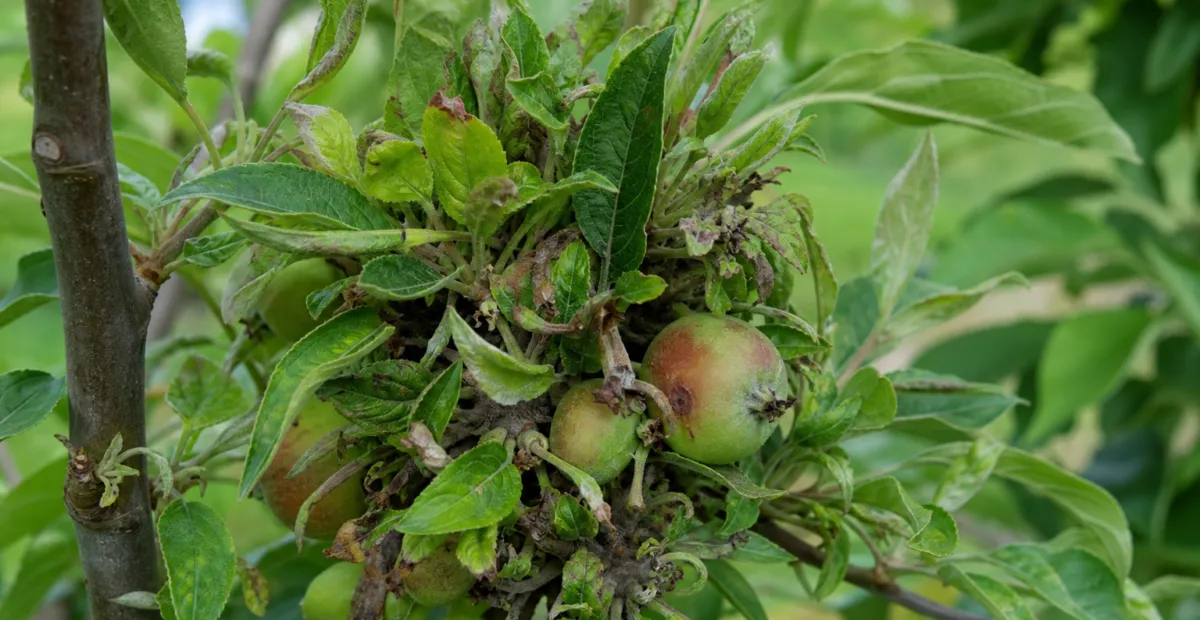
Apple Proliferation Disease
‘Candidatus Phytoplasma mali’Apple Proliferation Disease overview
Apple proliferation is a systemic phytoplasma disease caused by ‘Candidatus Phytoplasma mali’, primarily affecting apple trees. It produces witches’ brooms, enlarged stipules, leaf rosettes, abnormal shoot growth, small poorly colored fruit and reduced vigor. Symptoms can fluctuate or disappear temporarily, so laboratory confirmation and certified disease-free planting material are important, especially because the disease is a U.S. plant-health concern.
Typical conditions
Overview
Apple proliferation, also called apple witches’ broom, is caused by the wall-less bacterium ‘Candidatus Phytoplasma mali’, classified in the apple proliferation group, 16SrX-A. Cultivated apple (Malus domestica) is the principal economically important host. The pathogen lives in phloem tissue and can reduce shoot growth, fruit size, fruit quality, yield and long-term tree vigor.
Infected trees may show symptoms on only part of the canopy. Some trees appear to recover for a season or longer, but the phytoplasma can persist in roots and later recolonize new shoots. A symptom-free period therefore does not reliably indicate that a tree is free of infection.
Because apple proliferation is a regulated plant-health concern in the United States, suspected cases should be reported through the appropriate state plant regulatory agency or diagnostic laboratory rather than moved, grafted or propagated.
Symptoms and identification
The most characteristic symptoms are dense witches’ brooms formed by numerous short lateral shoots, terminal leaf rosettes, and unusually large, toothed or elongated stipules with shortened petioles. Leaves may be small, brittle, irregularly serrated, downward-curled, pale, yellowed or reddish later in the season.
- Small, flattened or poorly colored apples with weak flavor and delayed maturity
- Reduced flower quality, fruit set, yield and shoot extension
- Excessive rootstock or basal suckering
- Stunting, sparse foliage and gradual decline
- Symptoms that vary among branches, cultivars and years
Witches’ brooms and enlarged stipules are useful field clues, but their absence does not rule out infection. Similar symptoms may result from herbicide injury, nutrient imbalance, graft incompatibility, viruses or other phytoplasmas.
Causes and spread
Long-distance spread most commonly occurs through infected propagation material, including budwood, scionwood, grafts and rootstocks. Local or regional spread occurs when infected phloem-feeding insects acquire the phytoplasma and transmit it during later feeding.
In European epidemiological studies, the principal vectors are the psyllids Cacopsylla picta and Cacopsylla melanoneura. The leafhopper Fieberiella florii has also transmitted ‘Ca. P. mali’ experimentally, but its field importance appears lower and region-dependent. Vector identity and transmission efficiency should not be assumed to be identical in every country.
Root grafting and movement of infected nursery stock can maintain or distribute the pathogen even when above-ground symptoms are weak or temporarily absent.
Life cycle and persistence
‘Candidatus Phytoplasma mali’ is restricted mainly to the plant phloem and to the bodies of suitable insect vectors. In apple, phytoplasma concentration and detectability vary seasonally. During winter, the aerial phloem degenerates and the pathogen becomes concentrated mainly in roots; in spring it can move into newly formed phloem and recolonize shoots.
When a vector feeds on an infected plant, the phytoplasma must multiply and move through the insect before the insect can transmit it. Infected vectors may remain capable of transmission for much of their lives. Infected trees are the principal inoculum source in orchards, while latent infections can be transported by propagation material.
Warm conditions around 70–75°F (21–24°C) favor clearer symptom expression, but symptom development also depends on cultivar, strain, tree age, season and tissue sampled.
Treatment and control
There is no dependable, practical field cure that eradicates ‘Ca. P. mali’ from an established apple tree. Antibiotic or antimicrobial treatments reported in research or specialized tissue-culture systems are not a recommended home-orchard cure and may provide temporary symptom suppression rather than eradication.
For a confirmed infection, the most reliable management is prompt removal of the entire tree and roots where feasible, followed by disposal according to state plant-health guidance. Do not compost infected wood or use it as scion or rootstock material. Replace the tree with certified, pathogen-tested stock and monitor nearby apples for several seasons.
Vector management may reduce secondary spread where competent vectors are present, but it cannot cure infected trees. Coordinate any orchard-scale response with the state department of agriculture, USDA APHIS or a university Extension specialist.
Low-impact and biological control
No organic input is known to cure an infected apple tree or eliminate the phytoplasma. The most effective low-input strategy is exclusion and sanitation: use certified clean planting material, remove confirmed infected trees, sterilize propagation tools and avoid moving suspicious plant material.
Use scouting and appropriately placed sticky traps to monitor psyllids where they are relevant locally. Preserve beneficial predators and parasitoids by avoiding routine broad-spectrum sprays, maintain orchard groundcover without creating unmanaged reservoirs of confirmed hosts, and use physical barriers on young replacement trees when practical. Biological and cultural measures should be integrated with local vector identification rather than applied on the assumption that every psyllid species transmits ‘Ca. P. mali’.
Prevention
Plant only certified, pathogen-tested apple trees, rootstocks and budwood from reputable U.S. nurseries. Do not import, exchange or graft unverified Malus material. Keep purchase records and maintain separation between new trees and established orchard blocks until their health is clear.
- Inspect trees repeatedly during spring and late summer for witches’ brooms, rosettes, enlarged stipules, abnormal fruit and unusual late-season growth.
- Submit suspicious trees or appropriate root and shoot samples to a state or university diagnostic laboratory for molecular confirmation.
- Remove and destroy confirmed infected trees, including root systems where practical, because pruning symptomatic branches alone may leave the pathogen behind.
- Control weeds and unmanaged Malus or related hosts only when they are confirmed epidemiologically relevant in the local situation; avoid unnecessary broad-spectrum insecticide use.
- Disinfect grafting tools between trees and never use propagation material from trees with unexplained abnormal growth.
Interesting facts
- Apple proliferation is a disease of a phytoplasma, not a conventional free-living bacterial pathogen that can be routinely cultured on standard media.
- The name refers to abnormal proliferation of shoots, producing a witches’-broom appearance.
- Some infected apple trees temporarily lose visible symptoms while the pathogen persists in roots.
- Fruit from severely affected trees may be small, poorly colored, low in sugar or otherwise unmarketable.
- Apple cultivars and rootstocks differ in symptom severity, but no apple variety should be treated as completely immune solely on the basis of field tolerance observations.
- APHIS lists apple proliferation caused by ‘Ca. P. mali’ as a U.S. plant disease of concern, while Pacific Northwest extension guidance identifies the disease as occurring in Europe but not established in the United States.
No pesticide program can cure an infected tree. If vector suppression is recommended by a state or Extension specialist, use only products legally authorized for the specific crop, pest and site in your country, and follow the current product label exactly, including timing, protective-equipment, pollinator, re-entry and preharvest requirements. In the United States, confirm registration and permitted use before application; do not use antibiotics or unregistered products in an attempt to treat the phytoplasma.
Affected plants
The plants below are linked to this problem by structured host-plant data. The list updates automatically as new plant profiles are added.
 Arrowwood (Viburnum carlesii) care guideViburnum carlesii
 David Viburnum (Viburnum davidi) care guideViburnum davidi
 Arrow-wood (Viburnum dentatum) care guideViburnum dentatum
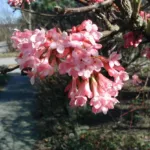 Fragrant viburnum (Viburnum farreri) care guideViburnum farreri
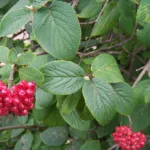 Wayfaring-tree (Viburnum lantana) care guideViburnum lantana
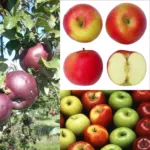 Apple tree (Malus domestica) care guideMalus domestica
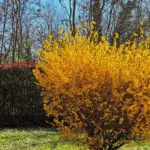 Border Forsythia (Forsythia intermedia) care guideForsythia intermedia
 Dahlia ‘Akita’Dahlia 'Akita'
 Dahlia ‘Arabian Night’Dahlia 'Arabian Night'
 Bishop of Llandaff dahlia (Dahlia ‘Bishop of Llandaff’)Dahlia 'Bishop of Llandaff'
 Dahlia ‘Cafe Au Lait’Dahlia 'Cafe Au Lait'
 Dahlia ‘David Howard’Dahlia 'David Howard'