 Source:
 Dahlia ‘David Howard’ short overview
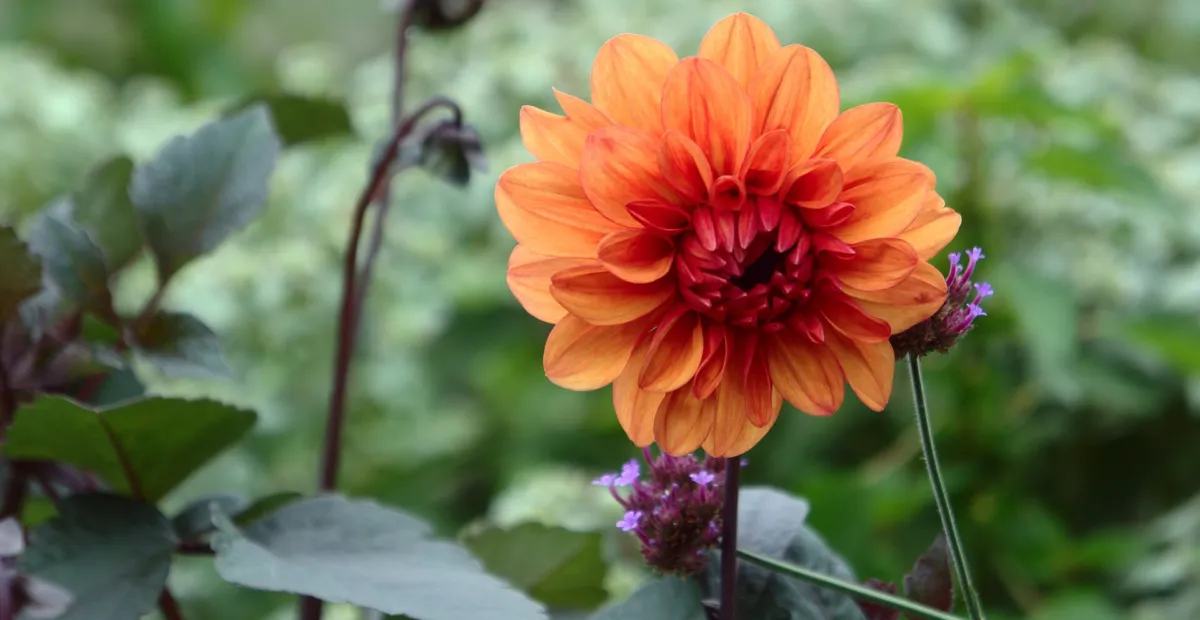
Dahlia 'David Howard' is a standout decorative dahlia valued for its warm burnt-orange, fully double flowers and dark bronze-purple foliage. It forms a vigorous clump for sunny borders, large containers, and cutting gardens, flowering from midsummer until frost in much of the United States. Plant tubers after the danger of frost, keep the soil evenly moist but well drained, and lift the tubers for winter storage in colder climates.
Taxonomic classification
Dahlia ‘David Howard’ care guide
Light and placement
Give full sun, ideally at least 6 hours of direct light with morning or afternoon exposure and shelter from strong winds. An open, bright position supports sturdy stems and abundant flowering. Too little light produces lanky growth and fewer blooms; excessive reflected heat can scorch foliage or increase watering needs, especially in containers.
Watering and humidity
Water deeply when the upper inch of soil begins to dry, keeping moisture consistent during active growth and flowering. Containers may need watering more often than beds. Reduce watering as foliage senesces in autumn, and keep lifted tubers dry enough to prevent rot but not so dry that they shrivel. Good drainage is more important than high humidity.
Soil and growing medium
Use fertile, humus-rich soil that drains freely yet holds moderate moisture. Loam improved with compost is ideal; heavy clay should be opened with organic matter and drainage improvements. A slightly acidic to slightly alkaline reaction is tolerated, so pH correction is usually unnecessary unless a soil test shows a clear imbalance.
Feeding
In fertile soil, incorporate compost before planting. Feed lightly during early vegetative growth, then use a balanced or lower-nitrogen fertilizer once plants are established and flowering approaches. Avoid excessive nitrogen, which can produce lush foliage with fewer flowers. Stop routine feeding as plants enter autumn dormancy.
Growth and habit
A vigorous warm-season plant develops from swollen underground tubers and produces leafy flowering stems in one growing season. Pinching young shoots encourages branching, while staking prevents stems from flopping in wind or after rain. Regular cutting and deadheading help maintain a steady succession of flowers.
Planting and repotting
Plant outdoors after the local last-frost period, when soil has warmed. Set the tuber horizontally with the eyes uppermost and cover with about 5 inches of soil, adding more as shoots develop if needed. Leave approximately 18–24 inches between plants, provide support early, and water thoroughly after planting.
For container plants, move dormant tubers into fresh, free-draining potting mix in spring, or shift actively growing plants only when roots have filled the container. Use a large, stable pot with drainage holes and avoid burying the crown deeply. Replace exhausted mix between seasons rather than keeping wet, old compost around stored tubers.
Propagation and pruning
Propagation
Divide dormant tuber clumps in spring, ensuring every division has a healthy crown section and viable eye. Softwood cuttings can be rooted from shoots produced by started tubers in spring. Seed will not reliably reproduce this named cultivar, so use vegetative propagation to preserve its characteristics.
Pruning
Pinch the growing tip when plants are young to encourage branching. Deadhead by cutting spent stems back to a strong leaf joint or side shoot. After autumn frost blackens the top growth, cut stems back close to ground level shortly before lifting the tubers, taking care not to allow water to collect in hollow stems.
Overwintering
After the first killing frost, allow the tubers to mature briefly if conditions remain reasonably dry, then cut stems back and lift the clumps carefully. Dry the tubers, label them, and store them in a cool, dark, frost-free place, ideally around 40–50°F, in a medium that prevents both shriveling and excess moisture. Inspect periodically and remove rotting tissue.
Uses
Use in sunny mixed borders, cottage-style plantings, large containers, and cutting gardens. The long flowering period and strong warm color make it useful as a late-season accent. Harvest flowers regularly to encourage more buds. It is ornamental only; do not present the plant or tubers as food or medicine.
Appearance
The plant is recognized by dark bronze-tinged, pinnately divided foliage carried on upright green stems and by warm orange double flowerheads. The contrast between the dusky foliage and vivid flowers is a major ornamental feature. Stems can become top-heavy under flower weight, so early support improves presentation.
Flowering
This decorative dahlia produces fully double flowerheads composed of many broad, overlapping ray florets, usually in warm burnt-orange to bronze-orange tones. Flowering begins around midsummer and commonly continues until the first autumn frost when spent blooms are removed. Stems are useful for cutting, especially when harvested as flowers begin to open.
Pollination and visitors
Open-centered single dahlias are generally more accessible to insects than fully double forms. This cultivar’s dense decorative flowerheads may offer limited access, so documented visitor attraction is best treated as low rather than assumed to be high. Bees, bumblebees, hoverflies, and some beetles may visit accessible florets.
Dahlia 'David Howard' photos
Click any photo for a larger view. Source, author and license are shown separately.
Diseases and pests
Diseases
Watch for viral symptoms such as mottled, distorted, or unusually weak foliage and flowers; remove affected plants and do not propagate from suspect stock. Crown and tuber rot are encouraged by poor drainage, excess winter moisture, or storing damaged tubers. Improve air circulation, avoid overhead watering, and discard soft or rotting material.
Pests
Aphids, earwigs, caterpillars, capsid-type bugs, and spider mites may damage foliage or flowers. Inspect new growth and leaf undersides regularly, remove pests by hand or with a strong water spray when practical, and preserve beneficial insects. Avoid routine broad-spectrum insecticides; treat only confirmed infestations and follow the product label.
Toxicity and pollen
RHS lists all parts as potentially harmful if ingested and capable of causing skin irritation. The practical concern is gastrointestinal discomfort after eating plant material and dermatitis in sensitive people handling sap or foliage. Keep tubers and plant trimmings away from children and pets, and wear gloves when dividing or cutting back.
- Typical season
- During flowering, typically July through October in much of the United States
- Pollination / pollen
- Primarily insect-associated pollen; limited airborne dispersal
Dahlia pollen is primarily released within insect-visited flowerheads rather than carried broadly on dry wind. That may reduce airborne exposure compared with wind-pollinated plants, but it does not establish zero allergy risk. People with known plant-contact or pollen sensitivities should avoid handling flowers and foliage without gloves.
Native habitat
The cultivated plant is not a wild native taxon; it belongs to a horticultural genus originating in Mexico and Central America. In cultivation, dahlias favor warm, sunny conditions, fertile soils, and a long frost-free season. The tubers require protection from freezing and prolonged winter saturation.
Interesting fact
The cultivar is classified as a Decorative Group dahlia, with fully double flowerheads and flat or slightly incurved florets. Its dark bronze foliage provides ornamental value even before flowering. RHS records it at roughly 90 cm tall and lists it as an Award of Garden Merit cultivar. Named dahlias are normally maintained by tuber division or cuttings rather than seed.
Frequently asked questions (FAQ)
The most relevant questions about this plant, with short and direct answers.
🌱Quick care
How do you care for Dahlia 'David Howard'?⌄
Grow Dahlia 'David Howard' in full sun, fertile well-drained soil, and moderate, even moisture. Support the stems, feed during active growth, and protect or lift the tubers before freezing weather.
How tall does Dahlia 'David Howard' grow?⌄
Dahlia 'David Howard' typically grows about 3 to 4 feet tall and can spread roughly 2 to 2½ feet. Its height and spread vary with growing conditions, feeding, and support.
What color are Dahlia 'David Howard' flowers?⌄
Dahlia 'David Howard' produces warm apricot to burnt-orange flowers above dark bronze-purple foliage. The fully double blooms generally reach about 4 inches across, although size can vary.
🌤️Environment and placement
Does Dahlia 'David Howard' need full sun?⌄
Yes, Dahlia 'David Howard' performs best with at least 6 hours of direct sun daily. In very hot Southern gardens, light afternoon shade can help reduce heat stress without sacrificing flowering.
Where should I plant Dahlia 'David Howard'?⌄
Plant Dahlia 'David Howard' in a sunny, sheltered border or cutting garden with fertile, humus-rich, well-drained soil. Choose a location protected from strong wind because its tall stems can become top-heavy.
Can Dahlia 'David Howard' grow in a container?⌄
Yes, Dahlia 'David Howard' can grow in a large container with drainage holes and a fertile, well-drained potting mix. Use a container large enough for its vigorous root system and provide a stake as the plant grows.
What USDA hardiness zones can grow Dahlia 'David Howard'?⌄
Dahlia 'David Howard' is generally grown as a frost-tender perennial in the United States and can remain outdoors year-round only in areas with reliably mild winters. In colder USDA zones, grow it as an annual or lift and store the tubers.
💧Care and problems
How often should I water Dahlia 'David Howard'?⌄
Water Dahlia 'David Howard' deeply whenever the soil surface begins to dry, keeping moisture consistent during active growth and flowering. Avoid saturated soil, which can encourage tuber and root rot.
What is the best fertilizer for Dahlia 'David Howard'?⌄
Use a balanced fertilizer early in growth, then shift to a lower-nitrogen, higher-potassium feed as flowering approaches. Follow the product label, because excessive nitrogen can produce foliage at the expense of flowers.
Does Dahlia 'David Howard' need staking?⌄
Yes, staking is recommended for Dahlia 'David Howard' because its tall, vigorous stems can flop in wind or under the weight of flowers. Install a sturdy stake at planting time or add support before the plant becomes difficult to handle.
Should I pinch Dahlia 'David Howard'?⌄
Pinch out the central growing tip when the plant is about 12 inches tall to encourage branching and a bushier shape. This can produce more stems for flowers but may delay the first bloom slightly.
Should I deadhead Dahlia 'David Howard'?⌄
Deadhead spent flowers to keep Dahlia 'David Howard' looking tidy and encourage continued flowering. Remove the entire fading flower stem back to a strong set of leaves rather than removing only the petals.
Why is my Dahlia 'David Howard' not flowering?⌄
Insufficient sunlight, excessive nitrogen, drought, or an immature plant can reduce flowering in Dahlia 'David Howard'. Provide full sun, regular moisture, appropriate feeding, and patience until the plant is well established.
What pests affect Dahlia 'David Howard'?⌄
Dahlia 'David Howard' may be attacked by aphids, earwigs, slugs, snails, caterpillars, capsid bugs, and sometimes spider mites. Inspect foliage regularly and use the least-toxic control appropriate for the pest and label directions.
Why are the leaves of Dahlia 'David Howard' turning yellow?⌄
Yellow leaves may result from overwatering, poor drainage, drought, nutrient stress, natural aging, or disease. Check soil moisture and drainage first, then remove severely damaged foliage and investigate spreading discoloration or distorted growth.
How do I prevent Dahlia 'David Howard' tubers from rotting?⌄
Prevent rot by planting in well-drained soil, avoiding persistent overwatering, and storing lifted tubers cool, dry, and frost-free. Inspect stored tubers periodically and discard any that become soft, foul-smelling, or visibly diseased.
🪴Planting and repotting
When should I plant Dahlia 'David Howard' tubers in the United States?⌄
Plant Dahlia 'David Howard' tubers outdoors after the local last frost date, when the soil has warmed and freezing weather is unlikely. Gardeners with short seasons can start tubers indoors several weeks earlier and transplant them after hardening off.
How deep should I plant Dahlia 'David Howard' tubers?⌄
Plant the tubers horizontally about 4 to 5 inches deep, with the eyes facing upward. Avoid planting deeper than necessary because cool, wet soil around the crown can increase the risk of rot.
How far apart should Dahlia 'David Howard' tubers be planted?⌄
Space Dahlia 'David Howard' tubers about 18 to 24 inches apart to allow for its mature height, branching, and airflow. In a container, grow one plant per large pot unless the container is exceptionally spacious.
Can Dahlia 'David Howard' be started indoors?⌄
Yes, start Dahlia 'David Howard' tubers indoors in pots several weeks before outdoor planting time. Keep them in bright light, water sparingly until shoots develop, and acclimate the plants gradually before transplanting.
When should I lift Dahlia 'David Howard' tubers for winter?⌄
In areas where the ground freezes, lift Dahlia 'David Howard' tubers after the first frost blackens the foliage or before a hard freeze is forecast. Cut back the stems, let the tubers dry, and store them in a cool, frost-free place.
How do I overwinter Dahlia 'David Howard' tubers?⌄
After lifting, let the tubers dry naturally, then store them in slightly dry peat-free potting material, vermiculite, or similar packing in a cool, dark, frost-free location. Check them occasionally and remove any rotting sections before they spread.
✂️Propagation and pruning
How do I divide Dahlia 'David Howard' tubers?⌄
Divide Dahlia 'David Howard' tubers during dormancy or shortly before spring growth, using a clean, sharp knife. Every division must include a piece of the crown with at least one healthy eye and attached tuber tissue.
Can Dahlia 'David Howard' be grown from cuttings?⌄
Yes, Dahlia 'David Howard' can be propagated from softwood cuttings taken from actively sprouting stored tubers. Root cuttings in a clean, well-drained medium under bright light, high humidity, and warm conditions until established.
When should I take Dahlia 'David Howard' cuttings?⌄
Take cuttings in late winter or spring when stored tubers produce strong, fresh shoots. Choose healthy shoots that are several inches long and make the cut just below a node.
⚠️Toxicity and safety
Is Dahlia 'David Howard' toxic to dogs and cats?⌄
Dahlia 'David Howard' should be treated as potentially harmful if eaten by dogs, cats, horses, or people. Keep tubers and plant material away from pets and children, and contact a veterinarian or poison service if ingestion occurs.
Can Dahlia 'David Howard' irritate skin?⌄
Yes, handling Dahlia 'David Howard' may irritate sensitive skin, especially when working with tubers or foliage. Wear gloves, avoid touching your eyes, and wash exposed skin after handling the plant.
🌸Flowering and special interest
When does Dahlia 'David Howard' bloom?⌄
Dahlia 'David Howard' usually flowers from summer into fall and can continue until the first frost. Bloom timing depends on planting date, sunlight, temperature, and the length of the growing season.
Is Dahlia 'David Howard' good for cut flowers?⌄
Yes, Dahlia 'David Howard' is well suited to cutting gardens because it produces abundant warm-colored blooms on useful stems. Cut flowers when they are fully open, since unopened dahlia buds generally do not develop after picking.
How long do Dahlia 'David Howard' flowers last in a vase?⌄
Dahlia 'David Howard' flowers commonly last several days in a vase when cut at the right stage and placed in clean water. Harvest fully open blooms with firm petals and recut the stems before arranging.