Source:
 Dahlia ‘Gallery Art Deco’ short overview
Dahlia 'Gallery Art Deco' is a compact, fast-growing decorative dahlia with large double coral, apricot, orange, and red blooms. It suits sunny beds, borders, patio containers, and cut-flower arrangements, flowering from midsummer into fall until frost. Grow it in fertile, well-drained soil with consistent moisture, then lift and store the tubers where winters freeze the ground. Dahlia 'Gallery Art Deco' is a compact decorative dahlia with dark green pinnate foliage and large fully double blooms in coral-apricot, orange, and red tones.
Taxonomic classification
Dahlia ‘Gallery Art Deco’ care guide
Light and placement
Give full sun, ideally at least 6 hours of direct light, with morning or all-day exposure. In hot Southern US climates, light afternoon shade can reduce stress. Too little light produces weak, stretched growth and fewer flowers; excessive heat combined with reflected afternoon sun may scorch foliage or shorten bloom quality.
Watering and humidity
Water deeply when the upper soil begins to dry, keeping moisture consistent while avoiding saturated soil. Container plants may need more frequent watering during hot weather. Water at the base in the morning when possible and reduce watering after frost or once the plant is dormant. Humidity is not a primary requirement.
Soil and growing medium
Use fertile, moisture-retentive but well-drained soil with plenty of organic matter. A loam-based bed or quality container mix is suitable. Avoid compacted ground and waterlogged conditions, which encourage tuber rot. A slightly acidic to neutral soil reaction is suitable; no cultivar-specific pH requirement was found.
Feeding
Mix compost into the planting area before planting, then feed during active growth with a balanced or bloom-oriented fertilizer according to the product label. Avoid heavy nitrogen applications, which can produce lush foliage at the expense of flowers. Stop routine feeding as the plant enters dormancy.
Growth and habit
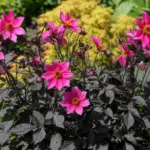
The plant is compact, upright, spreading, freely branching, and rapid-growing. It generally needs little or no staking at its usual size, although wind-exposed plants may benefit from support. Pinching can encourage branching; removing spent blooms helps maintain continuous flowering.
Planting and repotting
Plant outdoors after the local danger of frost has passed and the soil has warmed. Set the tuber horizontally with the crown and eyes facing upward, covering it with about 2 inches of soil initially and adding more as shoots develop. Allow enough room for air movement and avoid standing water around the crown.
Container-grown plants can be moved into a slightly larger pot when roots fill the existing container. Handle the tuberous root system carefully, refresh tired mix, and ensure generous drainage holes. Repot or divide dormant tubers in spring before active growth resumes.
Propagation and pruning
Propagation
Divide healthy tuber clumps in spring, ensuring every division includes a viable crown section with an eye. Commercial production has also used terminal cuttings, which reproduce the cultivar true to type under controlled conditions. Seed is not a reliable way to preserve this named cultivar.
Pruning
Pinch the growing tip or early side growth when the plant is established if a bushier habit is desired. Deadhead faded flowers regularly to prolong the display. Cut stems for arrangements when blooms are open and stems are firm. Cut the top growth back after frost blackens it.
Overwintering
After the first killing frost, cut back the blackened stems and lift the tuber clump after the soil has dried somewhat. Cure briefly, remove loose soil without washing, and store the tubers in a cool, dark, frost-free place in a breathable packing medium. In mild climates, in-ground overwintering may work, but drainage and local soil temperatures determine success.
Uses
Use it in containers, sunny borders, patio displays, and as a cut flower. Its compact habit and large double heads make it useful where a strong color display is needed without a tall plant. Do not treat it as an edible or medicinal plant; pet exposure requires caution.
Appearance
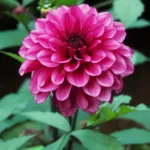
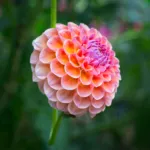
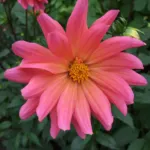
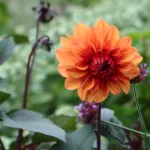
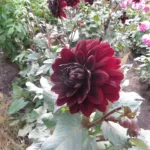
This cultivar forms compact, freely branching plants with upright-to-spreading stems and dark green, pinnate leaves bearing ovate leaflets. Its principal identifying feature is the contrast between large fully double decorative heads and the warm coral, apricot, orange, and red coloration, including darker petal reverses.
Flowering
This cultivar flowers early and profusely, producing numerous continuously appearing decorative inflorescences. The normal Northern Hemisphere flowering response is July through November under suitable conditions, while US garden references commonly describe flowering from midsummer until frost. Regular deadheading encourages continued display.
Pollination and visitors
No reliable source located for a named pollinator or a cultivar-specific visitor profile. The fully double flower structure may limit access to reproductive parts compared with open-centered dahlias, so pollinator value should not be assumed from flower color alone.
Dahlia 'Gallery Art Deco' photos
Click any photo for a larger view. Source, author and license are shown separately.
Diseases and pests
Diseases
Prevent problems with clean planting material, good drainage, air circulation, and watering at the soil surface rather than over the foliage. Watch for powdery mildew, gray mold, viral symptoms, and crown gall. Remove and discard badly diseased plants; do not compost plants showing crown gall or suspected virus symptoms.
Pests
Common problems include aphids, slugs, snails, earwigs, rabbits, thrips, and spider mites. Inspect new growth and leaf undersides regularly, remove pests by hand or with a strong water spray where practical, and use targeted controls only when necessary. Protect young shoots from slugs and snails.
Toxicity and pollen
ASPCA lists Dahlia species as toxic to dogs and cats, with mild gastrointestinal signs and mild dermatitis reported; the toxic principle is unidentified. This evidence is species-level rather than cultivar-specific. Keep tubers and plant material away from pets and seek veterinary advice if ingestion causes symptoms. Human toxicity evidence for this exact cultivar was not located.
- Pollination / pollen
- Not characterized for this cultivar
Dahlias are flowering, insect-associated garden plants, but dependable cultivar-specific measurements of airborne pollen release or allergy risk were not found. Avoid presenting this cultivar as pollen-free. People with known flower allergies should use ordinary exposure precautions when cutting or handling blooms.
Native habitat
This named hybrid is a cultivated garden plant rather than a wild taxon with a natural habitat. Its breeding history is associated with Lisse in the Netherlands. In cultivation it performs best in warm, sunny conditions with fertile soil, regular moisture, and good drainage.
Interesting fact
The cultivar was selected in Lisse, Netherlands, from a controlled breeding program begun in 1993. Its fully double decorative heads are about 4–5 inches across despite the plant’s compact stature. Open flowers can retain good color and substance for about 10 days on the plant under suitable conditions.
Frequently asked questions (FAQ)
The most relevant questions about this plant, with short and direct answers.
🌱Quick care
What is Dahlia 'Gallery Art Deco'?⌄
Dahlia 'Gallery Art Deco' is a compact, freely branching decorative dahlia with peach, orange, coral, and red-toned blooms. It is especially suitable for containers, patio displays, borders, and small cut-flower arrangements.
How tall does Dahlia 'Gallery Art Deco' grow?⌄
Dahlia 'Gallery Art Deco' commonly grows about 12–18 inches tall, although height can vary with climate, container size, and growing conditions. Its compact habit usually makes staking unnecessary.
What color are Gallery Art Deco dahlia flowers?⌄
The flowers are typically peach, apricot, coral, or orange with deeper red to burgundy coloring on the petal undersides. Color intensity can vary with temperature and light.
How large are Gallery Art Deco dahlia flowers?⌄
Gallery Art Deco flowers are generally about 4–5 inches wide. Individual blooms may be slightly smaller or larger depending on plant vigor and growing conditions.
🌤️Environment and placement
Does Dahlia 'Gallery Art Deco' need full sun?⌄
Yes, grow Dahlia 'Gallery Art Deco' in full sun for the strongest growth and best flowering. In very hot regions, afternoon shade can help protect the plant from heat stress.
Can Gallery Art Deco dahlias grow in containers?⌄
Yes, Gallery Art Deco is well suited to containers because of its compact, branching habit. Use one tuber per container, a pot with drainage holes, and a rich but free-draining potting mix.
What size container does Gallery Art Deco dahlia need?⌄
A container about 12–16 inches wide and similarly deep generally provides useful growing space for one Gallery Art Deco dahlia. Larger pots can support more root room but may hold excess moisture if poorly drained.
What soil is best for Dahlia 'Gallery Art Deco'?⌄
Use fertile, well-drained loam enriched with compost or other organic matter. The soil should retain moisture without becoming soggy, because waterlogged conditions can rot the tuber.
How much water does Gallery Art Deco dahlia need?⌄
Water consistently during active growth so the soil stays evenly moist but never waterlogged. Container plants usually need more frequent watering than dahlias grown in the ground, especially during hot weather.
💧Care and problems
How often should I water Dahlia 'Gallery Art Deco' in a pot?⌄
Check the pot regularly and water when the surface begins to dry, often every few days during warm summer weather. Water thoroughly until excess drains from the bottom, then empty any saucer.
Should I pinch Dahlia 'Gallery Art Deco'?⌄
Yes, pinch the growing tip when the plant is about 10–12 inches tall or has several pairs of leaves. This encourages branching and can produce a fuller plant with more flowering stems, although it may delay the first flowers slightly.
Does Gallery Art Deco dahlia need staking?⌄
Usually, no; its compact habit generally remains self-supporting. A small stake may still help if the plant is exposed to wind, heavily watered, or carrying unusually large blooms.
Should I deadhead Gallery Art Deco dahlias?⌄
Yes, remove faded flowers promptly to encourage continued blooming. Cut the spent stem back to a strong pair of leaves or a developing side shoot.
What fertilizer is best for Dahlia 'Gallery Art Deco'?⌄
Use a balanced, moderate-feeding fertilizer or a fertilizer formulated for flowering plants according to the label. Avoid excessive nitrogen, which can produce lush foliage at the expense of flowers.
Why is my Gallery Art Deco dahlia not flowering?⌄
Insufficient sunlight, excessive nitrogen, drought, waterlogged soil, or planting too early can reduce flowering. Move container plants to brighter light, maintain even moisture, and wait for consistently warm conditions.
What pests attack Gallery Art Deco dahlias?⌄
Common pests include aphids, slugs, snails, earwigs, caterpillars, and sometimes leaf miners or spider mites. Inspect new growth and flower buds regularly, especially in containers and sheltered locations.
What diseases affect Dahlia 'Gallery Art Deco'?⌄
Potential problems include powdery mildew, gray mold, tuber rot, and viral symptoms such as distorted or mottled foliage. Good air circulation, careful watering, and removal of diseased tissue help reduce risk.
🪴Planting and repotting
When should I plant Gallery Art Deco dahlia tubers in the United States?⌄
Plant tubers outdoors after the danger of frost has passed and the soil has warmed. In colder USDA zones, you can start them indoors several weeks earlier, then transplant them after outdoor conditions become reliably warm.
How deep should I plant Gallery Art Deco dahlia tubers?⌄
Plant the tuber horizontally about 2–4 inches deep, with the eyes facing upward. Avoid planting too deeply in cold or wet soil, because excess moisture around the tuber can cause rot.
How far apart should Gallery Art Deco dahlias be planted?⌄
Space plants about 12–18 inches apart for good air circulation and room to branch. In containers, grow one tuber per pot rather than crowding several tubers together.
Can I start Dahlia 'Gallery Art Deco' indoors?⌄
Yes, start tubers in pots indoors several weeks before your area’s last expected frost. Keep them in bright light, water sparingly until shoots develop, and harden the plants off before transplanting outdoors.
Can Gallery Art Deco dahlias stay in the ground over winter?⌄
They can sometimes remain in the ground in mild, frost-free climates with excellent drainage and heavy mulch. In areas where the ground freezes, lift the tubers after frost blackens the foliage and store them indoors.
✂️Propagation and pruning
How do I divide Gallery Art Deco dahlia tubers?⌄
Divide the clump with a clean, sharp knife so each section has at least one healthy eye and a portion of the tuber neck. Divisions can be made in fall after digging or in spring when the eyes are easier to identify.
Can Dahlia 'Gallery Art Deco' be grown from seed?⌄
It can be grown from seed, but seedlings will not reliably reproduce the exact Gallery Art Deco flower color, form, or habit. Use tuber division or cuttings when you want true-to-type plants.
Can I propagate Gallery Art Deco dahlia from cuttings?⌄
Yes, softwood or terminal cuttings can be rooted from actively growing shoots. Cuttings produce clones of the parent when taken from a correctly identified plant and rooted under suitable warm, humid conditions.
When should I cut back Gallery Art Deco dahlias?⌄
In frost-prone areas, cut the stems back after frost has blackened the foliage, leaving a short section of stem before lifting the tubers. In warm climates where tubers remain outdoors, cut back after the plant naturally finishes for the season.
⚠️Toxicity and safety
Is Dahlia 'Gallery Art Deco' toxic to dogs or cats?⌄
Dahlia species are generally considered to have a low pet-toxicity risk, but eating plant material can still cause gastrointestinal upset. Contact a veterinarian or animal poison service if a pet consumes a large amount or develops symptoms.
Are Gallery Art Deco dahlia tubers safe to eat?⌄
No, Gallery Art Deco tubers should not be treated as food. They are ornamental planting material and may be exposed to treatments or contaminants unsuitable for consumption.
🌸Flowering and special interest
When does Dahlia 'Gallery Art Deco' bloom?⌄
Gallery Art Deco usually flowers from midsummer into early fall and can continue until the first frost when regularly deadheaded. Exact timing depends on planting date, temperature, sunlight, and local climate.
Is Gallery Art Deco dahlia good for cutting?⌄
Yes, it can be used for small bouquets and vase arrangements, although its compact plants generally produce shorter, more branched stems than taller cut-flower dahlias. Harvest when the blooms are newly open and keep them in clean water.
How can I get more flowers from Gallery Art Deco dahlia?⌄
Provide full sun, consistent moisture, regular deadheading, and moderate feeding. Pinching the growing tip early in the season also encourages a bushier plant with more flowering stems.
Why are my Gallery Art Deco dahlia flowers different colors?⌄
Dahlia flower colors can shift with temperature, light intensity, plant maturity, and growing conditions. Peach, orange, coral, and burgundy tones are all consistent with the cultivar’s documented color range.