
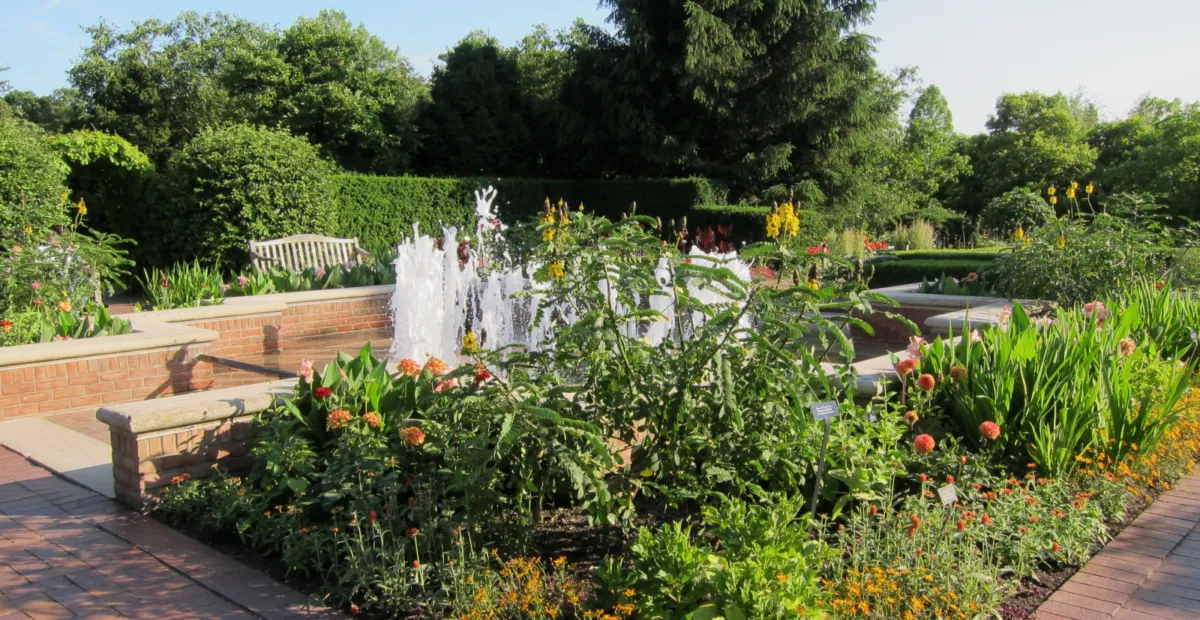
 Source:
 Dahlia ‘Maarn’ short overview
Dahlia 'Maarn' is a dependable, richly colored dahlia prized for vivid orange formal decorative blooms, strong cutting stems, and a long display from summer into fall. Reaching roughly 3½ to 4 feet tall, it brings bold vertical color to sunny borders and cutting gardens. Plant the tubers after the danger of frost has passed, keep the soil evenly moist but well drained, and stake the stems before heavy flowering begins.
Taxonomic classification
Dahlia ‘Maarn’ care guide
Light and placement
Choose a site with at least 6 hours of direct sun, preferably with morning-to-afternoon exposure and shelter from strong wind. Full sun supports sturdy stems and the best bloom production. Insufficient light causes lanky growth and fewer flowers; excessive heat combined with drought can fade color and wilt foliage, so maintain consistent moisture.
Watering and humidity
Water deeply when the top inch of soil begins to dry, aiming for steady moisture rather than repeated shallow sprinkling. Increase frequency during hot, windy weather and container cultivation; reduce it late in the season and after foliage dies back. Water at the base to keep leaves and flowers dry and reduce fungal problems.
Soil and growing medium
Use fertile, friable soil that drains freely yet holds steady moisture. A loam amended with compost is suitable, while heavy, waterlogged clay can cause tuber rot. A slightly acidic to neutral soil reaction is appropriate; test poorly performing beds before adding amendments rather than changing pH unnecessarily.
Feeding
Incorporate compost before planting, then begin feeding once shoots are established. Use a balanced or relatively low-nitrogen fertilizer at label strength during active growth, repeating according to the product directions. Avoid heavy nitrogen applications late in the season, and do not fertilize dry, heat-stressed, or dormant plants.
Growth and habit
Plants grow rapidly during warm weather from underground tubers and develop tall, branching flowering stems. The cultivar benefits from early staking and regular harvesting, which helps prevent toppling and maintains a steady supply of usable stems. Pinching young shoots can encourage branching before the main flowering flush.
Planting and repotting
Plant outdoors after the local last-frost danger has passed and the soil has warmed. Set the tuber horizontally with the crown and visible eyes about 2–4 inches below the soil surface. Allow roughly 18–24 inches between plants, water lightly until shoots emerge, then increase irrigation as growth accelerates. Add support early so later staking does not damage tubers.
Container-grown plants can be shifted into a larger pot when roots fill the current container. Handle the tuber cluster gently, use fresh well-drained potting mix, and keep the crown near the soil surface. Repot or divide dormant tubers during late winter or early spring rather than disturbing plants heavily during bloom.
Propagation and pruning
Propagation
Propagate by dividing overwintered tubers so each division has a healthy crown section and an eye. Take basal cuttings from actively growing shoots in spring for clonal multiplication. Seed will not reliably reproduce the named cultivar.
Pruning
Pinch the growing tip when plants are about 12–18 inches tall to encourage branching, if a bushier plant is desired. Remove spent flowers promptly and harvest stems regularly. After frost blackens the foliage, cut stems back near ground level before lifting or mulching the tubers.
Overwintering
After the first hard frost, cut the stems back, lift tubers carefully, and let surface moisture dry before storing. Pack them in barely moist vermiculite, peat-free medium, or similar material in a cool, dark, frost-free place. Check periodically and remove rotting tissue. In USDA Zones 8–11, tubers may remain in the ground if drainage is excellent and winter protection is provided.
Uses
Use 'Maarn' in sunny mixed borders, cutting gardens, raised beds, and large containers. Its strong stems and formal orange blooms suit bouquets and floral arrangements. It is ornamental rather than a documented culinary or medicinal plant; do not consume it or present it as edible.
Appearance
The plant has upright, branching green stems and pinnately divided leaves with a classic dahlia texture. Its identity is marked by rounded, fully double flower heads in a clear orange tone, with orderly overlapping petals characteristic of the formal decorative class. Support is useful because the flowering stems can become top-heavy.
Flowering
This cultivar produces rounded, fully double formal decorative flower heads with neatly arranged orange petals. Blooming generally begins in midsummer and continues through late summer and fall when flowers are cut regularly. Deadheading or harvesting mature flowers encourages additional stems until the first killing frost.
Pollination and visitors
Dahlias can provide nectar and pollen for bees, butterflies, and other insects, but densely petaled formal decorative flowers are less accessible than open-centered dahlia forms. Evidence specific to 'Maarn' is limited, so its documented pollinator value is best treated as low rather than high.
Dahlia 'Maarn' photos
Click any photo for a larger view. Source, author and license are shown separately.
Diseases and pests
Diseases
Reduce fungal disease by spacing plants well, watering at the soil line, removing diseased foliage promptly, and avoiding crowded, persistently wet conditions. Dahlias may develop powdery mildew, botrytis, or tuber rots. Remove badly affected material and improve airflow; do not store damaged or wet tubers.
Pests
Inspect for aphids, thrips, earwigs, slugs, snails, and spider mites. Use hand removal, water sprays, barriers, and targeted controls only when necessary. Remove plant debris at season’s end and avoid excessive nitrogen, which encourages soft growth attractive to pests.
Toxicity and pollen
ASPCA lists Dahlia species as toxic to dogs and cats, with mild gastrointestinal signs and mild dermatitis reported; the toxic principle is not identified. Treat this named cultivar with the same precaution, prevent chewing of tubers and foliage, and contact a veterinarian if ingestion causes symptoms.
- Typical season
- Generally July through October in the United States
- Pollination / pollen
- Insect-carried pollen; limited airborne dispersal
As an insect-pollinated, fully double dahlia, 'Maarn' is not expected to release large amounts of pollen into the air compared with wind-pollinated plants. Airborne exposure is still not necessarily zero; people with plant allergies should avoid rubbing flowers and wash hands after handling.
Native habitat
Dahlias originate from mountainous and temperate regions of Mexico and Central America, where they grow in seasonal climates with warm summers, rainfall, and free-draining soils. Garden cultivars such as 'Maarn' are domesticated ornamentals rather than wild-habitat plants and need frost-free summer conditions for active growth.
Interesting fact
The cultivar is commonly sold as a formal decorative dahlia with strong stems and good vase performance. Its orange blooms are reported at about 3–4 inches across, while the plant reaches roughly 3½–4 feet. Regular cutting can prolong flowering until frost. In colder US climates, the tubers are lifted and stored rather than left outdoors.
Frequently asked questions (FAQ)
The most relevant questions about this plant, with short and direct answers.
🌱Quick care
What is Dahlia 'Maarn' like?⌄
Dahlia 'Maarn' is an orange formal decorative dahlia grown from a tuber. It typically produces 3–4-inch flowers on plants about 3½–5 feet tall, although size can vary with climate, soil, and growing conditions.
Is Dahlia 'Maarn' easy to grow?⌄
Yes, Dahlia 'Maarn' is generally considered vigorous and productive when grown in full sun, fertile well-drained soil, and evenly moderate moisture. Its main requirements are warmth, support, regular cutting or deadheading, and frost protection.
How much sun does Dahlia 'Maarn' need?⌄
Dahlia 'Maarn' needs full sun, ideally at least 6–8 hours of direct light daily. Choose a bright, sheltered position because insufficient light can reduce flowering and produce weaker stems.
🌤️Environment and placement
Where should I plant Dahlia 'Maarn'?⌄
Plant Dahlia 'Maarn' in a sunny, sheltered garden bed with fertile, well-drained loam. Avoid low spots that remain wet after rain, because waterlogged soil can cause tubers to rot.
Can Dahlia 'Maarn' grow in a container?⌄
Yes, Dahlia 'Maarn' can grow in a large container with drainage holes and a free-draining potting mix. Because it may reach 3½–5 feet, use a sturdy pot and plan to stake the plant.
What USDA zones can grow Dahlia 'Maarn'?⌄
Dahlia 'Maarn' can be grown outdoors during the warm season across much of the United States, but it is frost-tender. In USDA Zones 3–7, gardeners normally lift and store the tubers after frost; in milder Zones 8–10, tubers may often remain in the ground with protection.
💧Care and problems
How often should I water Dahlia 'Maarn'?⌄
Water Dahlia 'Maarn' when the soil surface begins to dry, keeping the root zone evenly moist but not soggy. Water deeply during hot or dry weather, and avoid frequent shallow watering or wet foliage overnight.
Should I water a newly planted Dahlia 'Maarn' tuber?⌄
Water newly planted Dahlia 'Maarn' sparingly until shoots emerge. Excess moisture around an inactive tuber is a common cause of rot; increase watering once active growth is visible.
Does Dahlia 'Maarn' need fertilizer?⌄
Dahlia 'Maarn' benefits from fertile soil and a balanced fertilizer applied after growth begins. Avoid excessive nitrogen, which can produce lush foliage with fewer flowers and weaker stems.
Does Dahlia 'Maarn' need staking?⌄
Yes, staking is recommended for Dahlia 'Maarn' because its tall stems and numerous flowers can lean or break in wind and rain. Install a stake or support system at planting time rather than disturbing mature roots later.
What problems commonly affect Dahlia 'Maarn'?⌄
Dahlia 'Maarn' can be affected by tuber rot, powdery mildew, aphids, thrips, slugs, and spider mites. Good drainage, adequate spacing, morning watering, airflow, and regular inspection help reduce these problems.
Why is my Dahlia 'Maarn' not blooming?⌄
Dahlia 'Maarn' may fail to bloom because it was planted too early, receives insufficient sun, is overfertilized with nitrogen, or is stressed by drought or waterlogging. Allow time for warm-season growth and keep conditions consistently bright, moist, and well drained.
Should I deadhead Dahlia 'Maarn'?⌄
Yes, remove faded flowers from Dahlia 'Maarn' to keep the plant producing new blooms. You can also cut usable stems regularly, since frequent harvesting often encourages continued flowering.
🪴Planting and repotting
When should I plant Dahlia 'Maarn' outdoors in the United States?⌄
Plant Dahlia 'Maarn' outdoors after the danger of spring frost has passed and the soil has warmed, commonly when nighttime temperatures remain around 50°F. In colder areas, start tubers indoors 4–6 weeks before the local last frost date.
How deep should I plant Dahlia 'Maarn' tubers?⌄
Plant Dahlia 'Maarn' tubers about 4–6 inches deep with the eyes or growing points facing upward. Cover the tuber with soil, adding more gradually if needed as shoots develop.
How far apart should Dahlia 'Maarn' tubers be planted?⌄
Space Dahlia 'Maarn' tubers about 18–24 inches apart to provide room for mature growth and airflow. Use the wider spacing in humid climates or where plants are expected to grow especially tall.
Can I start Dahlia 'Maarn' indoors before planting it outside?⌄
Yes, you can start Dahlia 'Maarn' indoors in a container 4–6 weeks before the last frost. Use a bright location, keep the mix only lightly moist at first, and harden the plant off before moving it outdoors.
✂️Propagation and pruning
How do I propagate Dahlia 'Maarn'?⌄
Propagate Dahlia 'Maarn' primarily by dividing its tuber clump so each division has a viable eye and a piece of tuber. Cuttings are also possible, but seed will not reliably reproduce the named cultivar.
When should I pinch Dahlia 'Maarn'?⌄
Pinch the main growing tip of Dahlia 'Maarn' when the plant is about 12 inches tall or has several sets of leaves. This encourages branching, stronger stems, and more flowers, though it may delay the first blooms slightly.
When should I dig Dahlia 'Maarn' tubers for winter storage?⌄
In areas where the ground freezes, dig Dahlia 'Maarn' tubers after frost blackens the foliage and before prolonged hard freezing. Cut back the stems, lift the clump carefully, let it dry briefly, and store the tubers in a cool, dark, frost-free place.
How should I store Dahlia 'Maarn' tubers over winter?⌄
Store Dahlia 'Maarn' tubers in a cool, dark, frost-free location, ideally around 40–50°F, packed in a breathable medium such as vermiculite or dry wood shavings. Check them periodically and remove any rotting tissue, while avoiding conditions so dry that the tubers shrivel.
⚠️Toxicity and safety
Is Dahlia 'Maarn' toxic to dogs and cats?⌄
Yes, Dahlia 'Maarn' should be treated as toxic if eaten by dogs or cats because it is a named dahlia cultivar. Ingestion may cause mild gastrointestinal upset or skin irritation; contact a veterinarian or animal poison service if a pet consumes it or develops symptoms.
🌸Flowering and special interest
When does Dahlia 'Maarn' bloom?⌄
Dahlia 'Maarn' generally blooms from midsummer until the first frost, with timing depending on planting date and local weather. In many U.S. gardens, flowering begins roughly 90 days after planting.
What color are Dahlia 'Maarn' flowers?⌄
Dahlia 'Maarn' produces vivid true-orange flowers with a neat, formal decorative form. Descriptions of bloom size vary by grower, but flowers are commonly reported at about 3–4 inches across.
Is Dahlia 'Maarn' good for cut flowers?⌄
Yes, Dahlia 'Maarn' is especially useful as a cut flower because it produces many blooms on relatively long stems. Cut flowers when the blooms are about three-quarters to fully open, then place them immediately in clean water.
How long do Dahlia 'Maarn' cut flowers last in a vase?⌄
Dahlia 'Maarn' flowers commonly last about 4–7 days in a vase with clean water and properly conditioned stems. Vase life varies with harvest stage, heat, sanitation, and the freshness of the flowers.
Similar plants
 Dahlia ‘Cafe Au Lait’Dahlia 'Cafe Au Lait'
 Dahlia ‘Yellow Hammer’Dahlia 'Yellow Hammer'
 Bishop of Llandaff dahlia (Dahlia ‘Bishop of Llandaff’)Dahlia 'Bishop of Llandaff'
 Dahlia ‘David Howard’Dahlia 'David Howard'
 Garden Dahlia (Dahlia pinnata) care guideDahlia pinnata
 Dahlia ‘Gallery Art Deco’Dahlia 'Gallery Art Deco'