
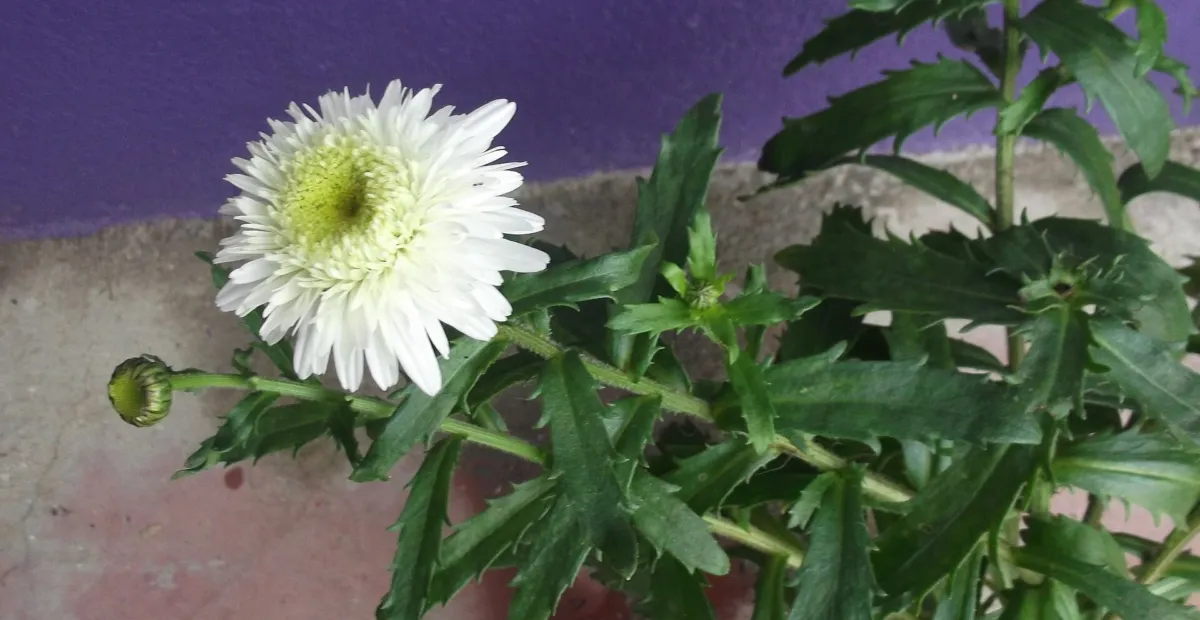
 Source:
 Max chrysanthemum (Leucanthemum maximum) short overview
Max chrysanthemum (Leucanthemum maximum) is a clump-forming herbaceous perennial from the Pyrenees of France and Spain. It produces upright stems topped by conspicuous white ray florets around yellow disc florets, typically blooming from late spring into summer. Give it full sun, fertile but sharply drained soil, and steady moisture during establishment. It is valued for perennial borders, cutting gardens, containers, and pollinator-friendly plantings.
Taxonomic classification
Max chrysanthemum (Leucanthemum maximum) care guide
Light and placement
Grow in full sun for the strongest stems and best flowering; a site with 6 or more hours of direct light is ideal. In hot climates, light afternoon shade can reduce stress, but dense shade causes stretched growth and fewer flowers. Pale, weak stems and sparse blooming suggest insufficient light; scorched foliage or rapid wilting suggests excessive heat combined with inadequate moisture.
Watering and humidity
Water deeply when the top inch of soil begins to dry during the first growing season. Once established, maintain moderate, even moisture during active growth and flowering, allowing the surface to dry slightly between waterings. Reduce watering in cool weather, and never leave the crown in saturated soil. Average outdoor humidity is adequate.
Soil and growing medium
Use fertile, well-drained loam or amended garden soil. Drainage is especially important in winter because saturated soil can damage crowns and roots. A slightly acidic to slightly alkaline reaction is generally suitable; avoid compacted sites and prolonged standing water.
Feeding
Apply a modest layer of compost or a balanced, slow-release perennial fertilizer in spring as growth begins. Avoid heavy nitrogen feeding, which can produce weak, leafy growth and fewer flowers. Do not fertilize drought-stressed, waterlogged, or dormant plants; water after applying granular products.
Growth and habit
Forms a perennial crown with upright, usually simple or distally branched stems. Clumps can become congested and may lose vigor over time, so division every few years helps renew growth. Remove spent flower heads to extend the display and reduce self-seeding where unwanted.
Planting and repotting
Plant in spring after severe frost or in early fall, setting the crown at soil level. Space plants about 18–24 inches apart, with extra room for tall cultivars. Water deeply after planting and keep the root zone evenly moist while new roots develop.
Repot container plants in spring when roots fill the pot. Move into a slightly larger container with fresh, well-drained potting mix and ensure unobstructed drainage. Because mature clumps can become crowded, division and renewal are usually more useful than repeatedly shifting an old plant into a much larger pot.
Propagation and pruning
Propagation
Divide established clumps in early spring or after flowering, replanting vigorous outer sections. Seeds can be sown in containers or directly in prepared soil; named cultivars may not come true from seed. Division is the most dependable method for preserving a selected plant’s characteristics.
Pruning
Deadhead individual flowers or cut back flowering stems after the main flush to encourage a tidier plant and possible later bloom. After flowering, cut stems back toward the basal foliage. Remove diseased leaves and clear dead material at the end of the season.
Overwintering
Leave the crown in the ground in suitable USDA Zones 5–9. In colder or exposed sites, apply a light winter mulch after the soil cools, but keep mulch from touching the crown. Good drainage is more important than heavy cover; wet winter soil can cause crown loss. Container plants need protection from repeated freeze-thaw cycles.
Uses
Use in sunny perennial borders, informal gardens, cutting gardens, and pollinator plantings. Flower stems can be cut for indoor arrangements. It is ornamental rather than a recommended food or medicinal plant, and no culinary or medicinal use should be assumed from the common name or daisy-like appearance.
Appearance
The plant has a basal rosette of spoon-shaped to obovate leaves and alternate stem leaves that become smaller upward. Margins are usually toothed, while stems are green and upright, sometimes branching near the top. The large white-and-yellow flower heads and substantial basal foliage help distinguish it from smaller daisies.
Flowering
Flower heads are composed of white strap-shaped ray florets surrounding a yellow central disc. Bloom usually begins in late spring or early summer and may continue into summer, especially when spent heads are removed. Double-flowered garden selections may provide less accessible pollen and nectar than simple flowers.
Pollination and visitors
The open flower heads provide accessible floral resources for insect visitors, with butterflies documented among the characteristic visitors. Simple-flowered forms generally offer better access than densely double cultivars. Avoid insecticide applications while flowers are actively being visited.
Leucanthemum maximum photos
Click any photo for a larger view. Source, author and license are shown separately.
Diseases and pests
Diseases
Watch for leaf spots, stem rots, and verticillium wilt, particularly where foliage stays wet or soil drainage is poor. Improve air circulation, water at the base, remove diseased debris, and avoid planting repeatedly in contaminated soil. Replace severely affected plants rather than relying on repeated fungicide use.
Pests
Aphids, mites, leaf miners, and four-lined plant bugs may occasionally damage foliage. Inspect leaf undersides and new growth, remove heavily affected leaves, and encourage beneficial insects. Use insecticidal soap only when necessary and according to the label; avoid treating open flowers when pollinators are active.
Toxicity and pollen
No strong species-specific human or pet toxicity evidence was located in the reviewed authoritative sources. As with many members of the daisy family, sap or plant contact may irritate sensitive skin, and ingestion of unfamiliar ornamental material should be avoided. Seek medical or veterinary advice after significant exposure.
- Typical season
- Late spring through summer
- Pollination / pollen
- Insect-dispersed pollen
This is an insect-pollinated daisy, so its pollen is not typically dispersed in the same abundant airborne manner as wind-pollinated grasses or trees. Airborne exposure is therefore expected to be relatively low, but people with Asteraceae sensitivities may still react to flowers, plant contact, or localized pollen exposure.
Native habitat
The species is associated with mountainous regions of France and Spain, especially the Pyrenean area. In cultivation it prefers open, sunny sites with moderate moisture and reliable drainage, conditions that resemble exposed upland or meadow-edge habitats rather than wet ground.
Interesting fact
Leucanthemum maximum is native to the Pyrenees of France and Spain. It is one of the species used in the breeding history of the garden hybrid commonly called Shasta daisy. The species name maximum refers to its relatively large flower heads compared with related daisies.
Frequently asked questions (FAQ)
The most relevant questions about this plant, with short and direct answers.
🌱Quick care
What is max chrysanthemum (Leucanthemum maximum)?⌄
Max chrysanthemum is a hardy perennial daisy in the Asteraceae family, grown for its large, white, yellow-centered flowers. It is also associated with the parentage of many Shasta daisy cultivars.
How much sun does max chrysanthemum need?⌄
Max chrysanthemum grows best in full sun, ideally receiving at least 6 hours of direct sunlight daily. Light partial shade is useful in hot climates but may reduce flowering.
How often should I water max chrysanthemum?⌄
Water max chrysanthemum when the top inch of soil begins to dry, keeping the soil moderately moist but never waterlogged. Established plants can tolerate short dry periods better than consistently wet soil.
Is max chrysanthemum a perennial?⌄
Yes, max chrysanthemum is a hardy herbaceous perennial. Its winter survival depends on climate, drainage, and the specific plant or cultivar.
🌤️Environment and placement
What USDA hardiness zone is max chrysanthemum suitable for?⌄
Max chrysanthemum is generally treated as a cold-hardy perennial, but hardiness varies among plants and cultivars. Check the nursery label for the most reliable USDA zone range before planting.
What is the best soil for Leucanthemum maximum?⌄
Use fertile, well-drained loam enriched with organic matter. Avoid heavy, poorly drained soil because winter moisture around the roots can cause decline or root problems.
Can max chrysanthemum grow in clay soil?⌄
It can grow in clay soil if drainage is improved first with organic matter and, where appropriate, raised planting areas. Do not amend a planting hole in a way that creates a water-holding pocket.
Can max chrysanthemum grow in containers?⌄
Yes, max chrysanthemum can grow in a container with drainage holes and a quality, well-drained potting mix. Choose a container large enough for the mature clump and water when the mix begins to dry.
💧Care and problems
How do I care for max chrysanthemum after planting?⌄
Keep the soil moderately moist while the plant establishes, provide strong sunlight, and remove weeds competing for moisture. Once established, maintain even watering and avoid wet winter conditions.
Should I deadhead max chrysanthemum?⌄
Yes, remove faded flowers to keep the plant tidy and encourage additional blooms. Cut each spent flower stem back to a healthy set of leaves.
When should max chrysanthemum be cut back?⌄
Cut back finished flower stems after the main bloom period, leaving healthy basal foliage when possible. Removing old stems helps preserve plant energy and reduces untidy, declining growth.
Why is my max chrysanthemum not blooming?⌄
Insufficient sunlight, excessive nitrogen, drought stress, overcrowding, or poor drainage can reduce flowering. Move or divide the plant if it receives less than full sun or has become congested.
What pests affect max chrysanthemum?⌄
Aphids, mites, and leaf miners may occasionally feed on max chrysanthemum. Inspect new growth regularly and use a gentle, plant-appropriate control only when pest activity is significant.
What diseases affect Leucanthemum maximum?⌄
Leaf spots, stem rots, root problems, and verticillium wilt can occur, especially in wet or poorly ventilated conditions. Water at the soil line, provide good spacing, and remove diseased foliage.
🪴Planting and repotting
When is the best time to plant max chrysanthemum?⌄
Plant max chrysanthemum in spring after severe frost or in early fall while the soil is still workable. Fall-planted specimens need enough time to establish roots before the ground freezes.
How far apart should max chrysanthemum be planted?⌄
Space plants according to their mature width, commonly about 18 to 24 inches apart for medium-sized forms. Allow more room for vigorous plants or cultivars with a wider spread.
✂️Propagation and pruning
How do you propagate max chrysanthemum?⌄
The most practical methods are division and seed, although named cultivars are usually propagated vegetatively to preserve their traits. Divide established clumps in spring or early fall.
How often should max chrysanthemum be divided?⌄
Divide max chrysanthemum about every 2 to 3 years, or when the center becomes crowded and flowering weakens. Replant vigorous outer sections with healthy roots and growing points.
Can max chrysanthemum be grown from seed?⌄
Yes, max chrysanthemum can be grown from seed, but seedlings may differ from the parent plant, especially when produced from a named cultivar. Sow fresh seed in a well-drained medium and keep it lightly moist.
⚠️Toxicity and safety
Is max chrysanthemum toxic to people or pets?⌄
Species-specific toxicity information for Leucanthemum maximum is uncertain, and no significant species-specific toxicity has been firmly established. Keep pets and children from chewing unfamiliar plants and contact a poison-control or veterinary professional if ingestion causes symptoms.
🌸Flowering and special interest
When does max chrysanthemum bloom?⌄
Max chrysanthemum typically blooms from late spring into summer, with timing influenced by climate, sunlight, and cultivar. Deadheading can help extend the display.
What do max chrysanthemum flowers look like?⌄
The flowers are daisy-like, usually with white ray petals surrounding a yellow center. Flower size and petal form vary among plants and cultivated selections.
Is max chrysanthemum good for cut flowers?⌄
Yes, its sturdy daisy-like flowers can be used as cut flowers. Harvest stems when blooms are freshly open and place them immediately in clean water.
Similar plants
 Shasta Daisy (Leucanthemum superbum) care guideLeucanthemum superbum
 Grass-leaved Oxeye Daisy (Leucanthemum graminifolium) care guideLeucanthemum graminifolium
 He oxeye daisy (Leucanthemum ircutianum) care guideLeucanthemum ircutianum
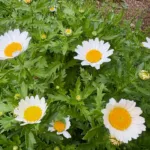 Creeping daisy or mini marguerite (Mauranthemum paludosum) care guideMauranthemum paludosum
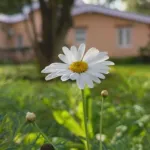 Oxeye daisy (Leucanthemum vulgare) care guideLeucanthemum vulgare
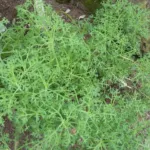 Argyranthemum frutescens care guideArgyranthemum frutescens