
 Source:
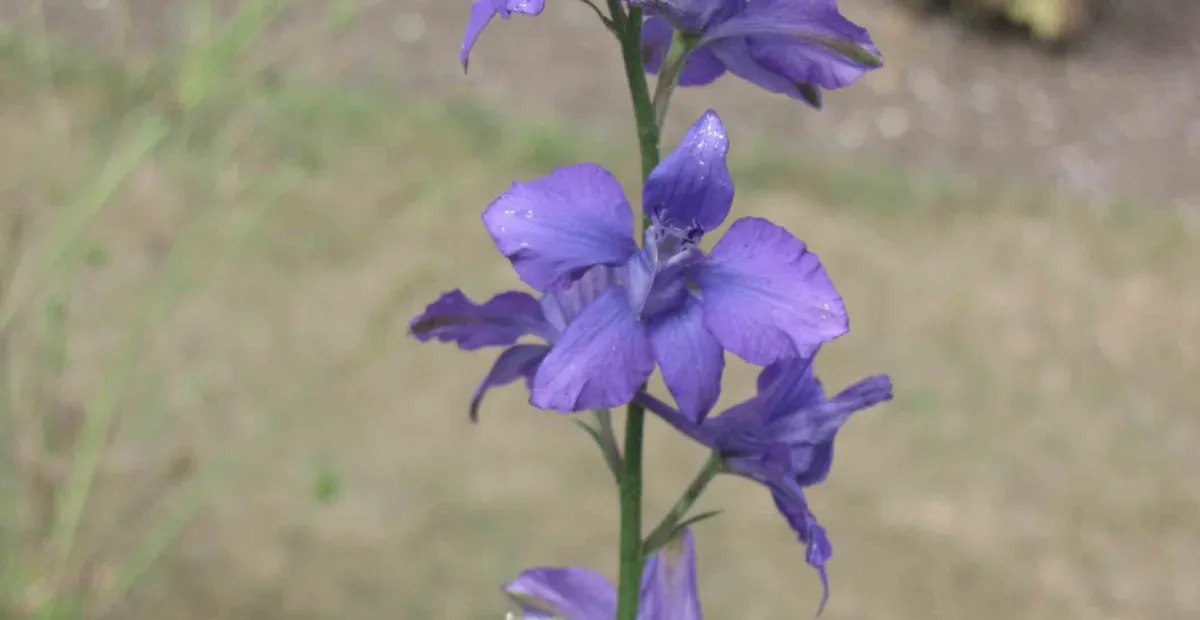
 Doubtful knight’s-spur (Delphinium ajacis) short overview
Doubtful knight's-spur (Delphinium ajacis) is a graceful annual larkspur from the Mediterranean region, valued for its finely divided foliage and upright spikes of blue, purple, pink, white, or mixed flowers. It performs best in full sun, lean to moderately fertile soil, and sharp drainage. Sow seed where it is to grow or transplant young seedlings carefully. The plant is useful for cottage borders and cutting gardens, but every part should be treated as poisonous if eaten.
Taxonomic classification
Doubtful knight’s-spur (Delphinium ajacis) care guide
Light and placement
Choose an open site with full sun, ideally receiving at least 6 hours of direct light. East-, south-, or west-facing beds work well, provided stems are sheltered from strong wind. Too little light produces weak, stretched growth and fewer flowers; excessive reflected heat combined with drought can scorch foliage and shorten bloom.
Watering and humidity
Water deeply when the upper inch of soil dries, then allow excess moisture to drain. Keep seedlings evenly moist while establishing, but avoid constantly wet soil. Reduce watering after flowering and seed maturation if rainfall is limited. Average outdoor humidity is adequate; spacing and airflow matter more than misting.
Soil and growing medium
Use sandy, loamy, or other freely draining soil. Neutral to alkaline conditions are suitable, and calcareous soil is tolerated. Avoid saturated ground and improve heavy clay with coarse organic matter and grit where needed; excessive fertility can produce leafy growth with fewer flowers.
Feeding
Prepare the bed with a modest amount of finished compost before sowing. If growth is weak, apply a balanced fertilizer at half strength once during active growth. Avoid heavy nitrogen feeding, which can encourage foliage and weak stems instead of flowering.
Growth and habit
A quick-growing annual that forms an upright, branching flowering framework from a basal rosette and narrow upper leaves. Tall stems may need discreet staking in exposed sites. Removing spent spikes can improve the display and sometimes extends flowering.
Planting and repotting
Sow directly outdoors in early spring as soon as the soil can be worked, or in fall in regions where young plants can overwinter. Cover seed lightly, about 1/8 inch deep, and thin or transplant carefully. Space plants about 8–12 inches apart for airflow and upright flower spikes.
Usually unnecessary because this is an annual and develops a sensitive taproot. If started in containers, move young plants into the garden before they become root-bound, disturbing the root ball as little as possible.
Propagation and pruning
Propagation
Propagate by seed. Direct sowing is preferred because seedlings can resent root disturbance. Fall sowing may produce earlier blooms in mild climates; spring sowing is suitable where winters are severe. Seed may need light covering rather than deep burial.
Pruning
No formal pruning is required. Remove faded flower spikes to improve appearance and limit unwanted reseeding, or leave some stems to mature if self-sowing is desired. Cut stems for arrangements when the lowest flowers are opening.
Overwintering
Usually treated as a seasonal annual. In mild climates, fall-sown plants may overwinter as small seedlings, but protection with fleece or a cold frame may be needed during hard freezes. In colder areas, sow in spring rather than attempting indoor overwintering.
Uses
Use in annual borders, cottage gardens, cut-flower beds, containers, and mixed pollinator plantings. Flowering stems are suitable for cutting when lower buds begin to open. Do not use the plant as food, tea, or medicine because all parts are toxic if ingested.
Appearance
The plant has slender, upright green stems and finely divided, almost feathery leaves. Flower spikes are more open and branched than those of many perennial delphiniums, with each bloom bearing a conspicuous spur. Seed pods form after flowering and can support self-sowing in suitable gardens.
Flowering
Flowers are arranged along upright, often branched spikes and may be single or double depending on the cultivated strain. Individual blooms have a prominent rear spur. Flowering is concentrated from late spring into summer, with color varying among blue, purple, pink, white, and mixed forms. Cutting flowering stems can encourage additional spikes.
Pollination and visitors
Nectar-bearing, spurred flowers are visited by bees and butterflies. A specific primary pollinator species is not sufficiently documented for this exact taxon in the sources reviewed, so a species-level Latin name is omitted.
Delphinium ajacis photos
Click any photo for a larger view. Source, author and license are shown separately.
Diseases and pests
Diseases
Provide good air circulation and avoid overhead irrigation to reduce foliar disease. Damping-off can affect crowded seedlings in wet media. Verticillium wilt has been reported among susceptible ornamental hosts, so remove affected plants and avoid repeatedly planting in contaminated soil.
Pests
Watch for aphids, slugs, snails, and spider mites, especially on young growth. Use hand removal, barriers, sanitation, and targeted low-impact controls when needed. Avoid dense planting and excess nitrogen, which can increase soft growth and pest pressure.
Toxicity and pollen
Delphinium and annual larkspur plants contain toxic diterpenoid alkaloids, including compounds associated with neurologic and cardiovascular effects. Ingestion can cause serious illness and may be fatal. Treat flowers, leaves, stems, roots, and especially seeds as unsafe to eat; wear gloves when handling if sensitive and keep plant material away from children and animals.
- Typical season
- Late spring through summer
- Pollination / pollen
- Primarily insect-carried pollen
This is an insect-pollinated flowering annual, so its pollen is not typically released in large windborne clouds. However, low airborne exposure cannot be treated as zero allergy risk; sensitive people may still react to pollen or plant contact during bloom.
Native habitat
Native to the Mediterranean region, where it occurs in open, sunny habitats and disturbed or cultivated ground with relatively free-draining soils. It favors seasonal moisture during growth followed by drier conditions and does not tolerate prolonged waterlogging.
Interesting fact
The plant is often placed in Delphinium by modern taxonomic treatments but is also widely known as Consolida ajacis. Its deeply divided foliage gives it a fernlike appearance. Long flowering spikes make it useful as a cut flower, and the species has been cultivated beyond its Mediterranean native range.
Frequently asked questions (FAQ)
The most relevant questions about this plant, with short and direct answers.
🌱Quick care
Is doubtful knight's-spur an annual or perennial plant?⌄
Doubtful knight's-spur is a flowering annual, not a long-lived perennial. It usually completes its life cycle in one growing season but may return through self-sown seed.
How much sun does doubtful knight's-spur need?⌄
Doubtful knight's-spur grows best in full sun, with at least 6 hours of direct sunlight daily. Adequate light helps produce sturdier stems and more abundant flowers.
How often should I water doubtful knight's-spur?⌄
Water doubtful knight's-spur moderately, allowing the soil surface to dry slightly between waterings. Keep the root zone evenly moist during germination and flowering, but avoid constantly wet soil.
What soil is best for doubtful knight's-spur?⌄
Use sandy or loamy, well-drained soil for doubtful knight's-spur. Heavy, waterlogged soil can cause weak growth and root problems.
🌤️Environment and placement
Can doubtful knight's-spur grow in containers?⌄
Yes, doubtful knight's-spur can grow in a container with drainage holes and a well-drained potting mix. Choose a pot deep enough for its roots and provide full sun and regular but moderate watering.
Is doubtful knight's-spur suitable for hot, humid summers?⌄
Doubtful knight's-spur prefers a cool-season growing period and may decline when exposed to prolonged heat and humidity. In hot regions, grow it during the cooler part of the year and provide excellent drainage.
Is doubtful knight's-spur frost hardy?⌄
Doubtful knight's-spur is best treated as a protected annual rather than a reliably frost-hardy perennial. Protect young plants from hard freezes and sow or transplant after severe freezing has passed.
How tall does doubtful knight's-spur get?⌄
Doubtful knight's-spur commonly grows about 12 to 28 inches tall, although garden conditions and selections can produce taller plants. Its upright flower stems may need support in exposed locations.
💧Care and problems
Why is my doubtful knight's-spur falling over?⌄
Doubtful knight's-spur may fall over because of insufficient light, rich soft growth, wind, or heavy flower stems. Grow it in full sun and use discreet stakes or supports before the stems become tall.
Does doubtful knight's-spur need fertilizer?⌄
Doubtful knight's-spur usually needs little fertilizer when grown in reasonably fertile soil. Excess nitrogen can encourage weak, leafy growth, so improve poor soil with a modest amount of compost instead.
What pests commonly affect doubtful knight's-spur?⌄
Doubtful knight's-spur is generally considered low-maintenance and often has few serious pest problems. Slugs, snails, aphids, and caterpillars can still damage seedlings or tender growth.
Why are the leaves of my doubtful knight's-spur turning yellow?⌄
Yellow leaves on doubtful knight's-spur commonly result from overwatering, poor drainage, root stress, or natural aging after flowering. Check that excess water drains freely before increasing irrigation.
🪴Planting and repotting
When should I plant doubtful knight's-spur seeds in the United States?⌄
Sow doubtful knight's-spur seeds in late summer or fall in mild climates, or in early spring as soon as the soil can be worked in colder areas. Timing should allow seedlings to establish during cool weather before summer heat.
How deep should doubtful knight's-spur seeds be planted?⌄
Sow doubtful knight's-spur seeds shallowly and cover them only lightly with fine soil or vermiculite. Deep planting can reduce emergence because the seeds need favorable surface conditions to germinate.
Can doubtful knight's-spur be transplanted?⌄
Doubtful knight's-spur can be transplanted when young, but it is usually best sown where it will grow because annual larkspur develops a root system that dislikes repeated disturbance. If transplanting, move small seedlings carefully and water them in.
✂️Propagation and pruning
How do you propagate doubtful knight's-spur?⌄
Propagate doubtful knight's-spur primarily by seed. It is an annual, so division and routine stem-cutting propagation are generally unnecessary and less practical than collecting or purchasing fresh seed.
Does doubtful knight's-spur need cold stratification?⌄
Doubtful knight's-spur seed may germinate better after exposure to cool, moist conditions, especially when started indoors. Fall sowing outdoors can provide natural chilling, while fresh seed and shallow sowing are also important.
Will doubtful knight's-spur self-seed?⌄
Yes, doubtful knight's-spur can self-seed when mature pods are allowed to release their seeds. Remove spent plants before the pods open if you want to limit volunteer seedlings.
Should doubtful knight's-spur be deadheaded?⌄
Deadhead doubtful knight's-spur to extend the ornamental display and reduce unwanted reseeding. Leave some mature flower spikes in place if you want the plant to produce seed for next season.
⚠️Toxicity and safety
Is doubtful knight's-spur poisonous?⌄
Yes, doubtful knight's-spur is highly toxic if eaten. Keep the plant and especially its seeds away from children, pets, and grazing animals, and do not use it as food or medicine.
Which parts of doubtful knight's-spur are toxic?⌄
All parts of doubtful knight's-spur should be treated as toxic, with seeds and actively growing tissues potentially posing especially serious risks. Wear gloves when handling it and wash your hands afterward.
Is doubtful knight's-spur dangerous to dogs, cats, or horses?⌄
Yes, doubtful knight's-spur should be considered dangerous to dogs, cats, horses, and livestock if eaten. Prevent access to plants, pulled seedlings, fallen stems, and seed pods, and contact a veterinarian or poison-control service promptly after suspected ingestion.
Can I grow doubtful knight's-spur in a garden with children?⌄
You can grow doubtful knight's-spur in a child-accessible garden only with strong precautions, but a safer choice is to avoid it where children may handle or eat plants. Clearly label it, place it out of reach, and remove fallen plant material.
🌸Flowering and special interest
When does doubtful knight's-spur bloom?⌄
Doubtful knight's-spur typically blooms from late spring into early summer, especially when it grows through cool weather. In some regions, fall-sown plants may flower earlier than spring-sown plants.
What colors do doubtful knight's-spur flowers come in?⌄
Doubtful knight's-spur flowers may be blue, violet, pink, or white. The flowers are arranged on upright spikes and have a distinctive spur behind each bloom.
Is doubtful knight's-spur good for pollinators?⌄
Doubtful knight's-spur can attract bees, butterflies, and other flower-visiting insects when it is in bloom. Do not sacrifice safety precautions, because its wildlife value does not remove its toxicity to people and animals.
Can doubtful knight's-spur be used as a cut flower?⌄
Yes, doubtful knight's-spur is suitable for cut-flower arrangements when harvested carefully. Cut stems as the lower flowers begin opening, and keep the plant material away from children and pets because it remains toxic after cutting.
Similar plants
 Delphinium ‘Magic Fountains’Delphinium 'Magic Fountains'
 Delphinium ‘Blue Mirror’Delphinium 'Blue Mirror'
 Delphinium ‘New Zealand’Delphinium 'New Zealand'
 Delphinium ‘Summer Nights’Delphinium 'Summer Nights'
 Delphinium elatum care guideDelphinium elatum elatum
 Delphinium ‘Blue Bird’Delphinium 'Blue Bird'