
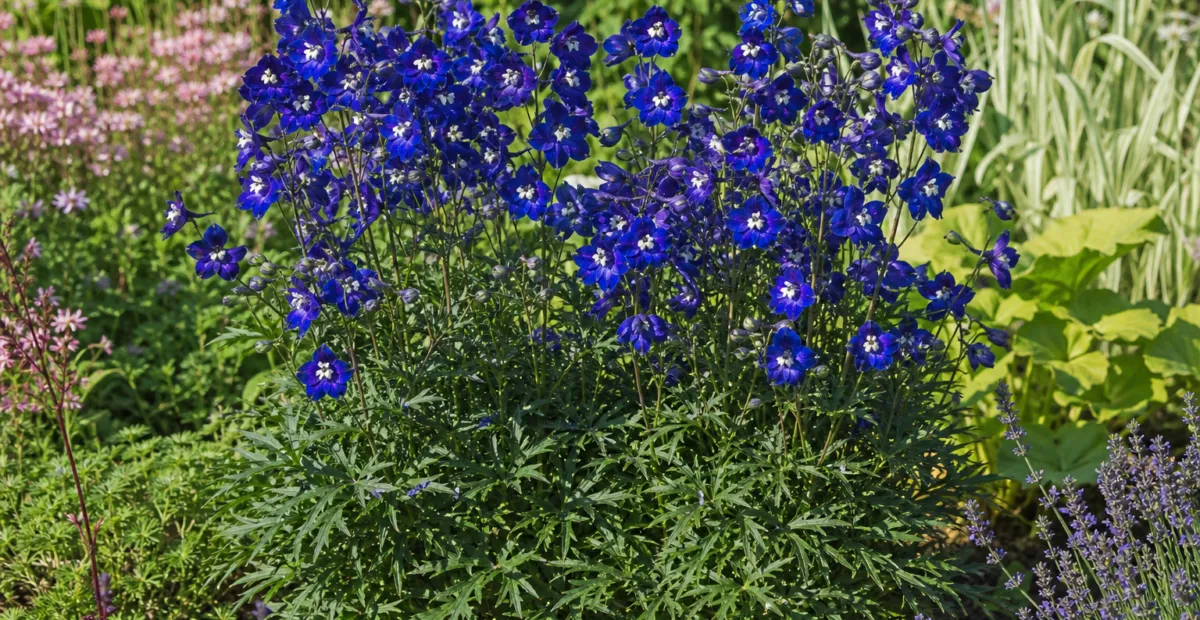
 AI-generated illustration
Delphinium ‘Summer Nights’ short overview
Delphinium 'Summer Nights' is a compact, short-lived perennial valued for its richly colored blue flowers and finely divided foliage. Its loose sprays of single, spurred blooms rise above a low, bushy mound from late spring or early summer into the warmer months, with deadheading sometimes encouraging further flowering. The dwarf habit works especially well in sunny borders, edging, containers, and small cut-flower displays.
Taxonomic classification
Delphinium ‘Summer Nights’ care guide
Light and placement
Give full sun for the strongest flowering, ideally with a south-, east-, or west-facing exposure and shelter from strong winds. In very hot regions, light afternoon shade can reduce stress, but dense shade causes weak, floppy growth and fewer flowers. Pale foliage, stretched stems, or sparse flowering suggest insufficient light; scorched leaves or persistent midday wilt suggest excessive heat or drought rather than simple overexposure.
Watering and humidity
Water deeply when the upper inch of soil begins to dry, keeping moisture steady during establishment, flowering, and hot weather. Avoid frequent shallow sprinkling and do not leave containers standing in water. Reduce watering after flowering and in cool weather, but do not allow newly planted roots to dry completely. Good drainage is more important than high humidity.
Soil and growing medium
Use fertile, humus-enriched soil that drains freely but does not dry excessively during active growth. Sandy, loamy, or clay soils can work if structure is improved with compost and compaction is avoided. The cultivar tolerates a broad pH range, from mildly acidic through alkaline, but consistently wet winter soil increases the risk of crown and root problems.
Feeding
In spring, incorporate a modest amount of finished compost or apply a balanced, slow-release perennial fertilizer according to the product label. A light follow-up feeding after the first flush can support continued flowering in poor soil, but excessive nitrogen produces soft foliage and fewer flowers. Do not fertilize drought-stressed, waterlogged, or dormant plants.
Growth and habit
Forms a low, densely branched, bushy clump rather than a towering vertical spike. Its compact structure generally needs no staking, but regular deadheading helps maintain a tidy appearance and may extend the flowering display. Because it is short-lived, replace declining plants or allow limited self-sowing where seedlings are welcome.
Planting and repotting
Plant in spring after the soil is workable, or in early fall where plants have time to establish before hard freezes. Set the crown at the same depth as in its nursery container and avoid burying the central growth point. Space plants about 10–16 inches apart, allowing airflow around the foliage. Water regularly during the establishment season and mulch lightly without covering the crown.
Move container-grown plants into fresh, well-drained potting mix in early spring when roots fill the container. Choose a pot with drainage holes and only increase the diameter modestly. Handle the crown carefully, keep it at the original soil level, and water thoroughly after transplanting. Container plants may need division or replacement when vigor declines because this cultivar is not especially long-lived.
Propagation and pruning
Propagation
Propagate by seed, basal cuttings, or division. Sow seed according to the supplier's instructions; commercial production commonly uses seed and can flower in the first year under suitable conditions. Take pencil-thick basal cuttings in early spring, or divide established clumps as growth resumes. Division is practical but may shorten the display if plants are already declining.
Pruning
Remove individual faded flowers or cut back spent flowering stems to encourage a tidier display and possible repeat bloom. After flowering has finished, cut the plant back to ground level once foliage begins to decline or after frost. Remove diseased leaves promptly and clear dead material in autumn to reduce overwintering problems.
Overwintering
Plants in USDA Zones 3–7 can remain outdoors in the ground. After frost, cut back dead growth and apply a light mulch in colder areas, keeping it away from the crown. Container plants are more exposed to root freezing; group pots in a sheltered location, insulate them, or move them into an unheated protected space while preventing winter wetness.
Uses
Useful as a sunny border, edging, container, patio, rock-garden, bedding, or small cut-flower plant. Its compact stature is appropriate where tall delphiniums would overwhelm neighboring plants. Flowers are ornamental only; do not use this cultivar for food or homemade remedies because delphiniums are harmful if eaten.
Appearance
Identification is based on the low, bushy habit, deeply divided and lacy green leaves, and slender branched stems carrying loose sprays of blue flowers. The blooms are single and spurred, with a contrasting pale central eye. Unlike tall border delphiniums, this cultivar forms a compact mound and usually does not need staking.
Flowering
This cultivar produces loose sprays of single, spurred flowers rather than the tall, dense spikes associated with many large delphiniums. Blooming is generally concentrated from late spring or early summer into summer, with some plants flowering again after spent stems are removed. Timing varies with region, temperature, and whether the plant was started from seed or supplied as a mature transplant.
Pollination and visitors
Cultivar descriptions report visits from bees, butterflies, and hummingbirds. The open, spurred blue flowers provide accessible ornamental resources for flying insect visitors, while hummingbirds may investigate the flower display. Visitor activity is strongest during the flowering period and can vary with weather and local pollinator abundance.
Diseases and pests
Diseases
Provide good air circulation, avoid overhead watering, and prevent waterlogged soil. Watch for powdery mildew, crown rot, black blotch, and virus symptoms such as distorted or mottled foliage. Remove badly affected tissue and dispose of diseased plants rather than composting them. Clean up old foliage after frost and avoid repeatedly planting into poorly drained soil.
Pests
Inspect new growth for aphids and flower stems for caterpillars or delphinium moth damage. Slugs and snails may attack young foliage, while earwigs can damage flowers and leaves. Reduce hiding places, keep the planting open, hand-pick where practical, and use targeted controls only when monitoring shows sustained damage.
Related diseases and pests
Only Plant Doctor profiles whose host data indicate this plant may be affected are shown here.
 PestCyclamen mitePhytonemus pallidus
 DiseaseImpatiens necrotic spot virus diseaseImpatiens necrotic spot orthotospovirus
 DiseaseAster yellows‘Candidatus Phytoplasma asteris’
 DiseaseBlack Root RotBerkeleyomyces basicola
 DiseaseMaple powdery mildewSawadaea bicornis
 Environmental stressWaterlogging
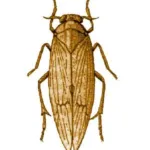 PestBrown planthopperNilaparvata lugens (Stål)
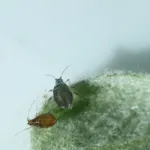 PestRosy Apple AphidDysaphis plantaginea
Toxicity and pollen
Delphiniums are documented as harmful if eaten, and the cultivar is not considered edible. All plant parts should be treated cautiously, especially seeds and foliage. Wear gloves when handling if skin is sensitive, keep trimmings away from children and animals, and seek professional advice after ingestion rather than relying on home treatment.
- Typical season
- Typically late spring through summer in the United States
- Pollination / pollen
- Flower pollen primarily handled by animal visitors; airborne relevance undocumented
Reliable cultivar-specific evidence for airborne pollen release or allergy rates is limited. Because the flowers are primarily animal-visited and pollen is presented within the flower, airborne exposure may be lower than for wind-pollinated plants, but it should not be assumed to be zero. People with known plant allergies should avoid direct exposure and monitor their own response.
Native habitat
The cultivar is a garden selection associated with Delphinium grandiflorum, a species native to parts of eastern Asia. In cultivation it prefers open, sunny conditions, fertile but sharply drained soil, and moderate moisture. It is best treated as a cool- to temperate-climate perennial, with hot, humid regions requiring careful watering and airflow management.
Interesting fact
The cultivar belongs to the dwarf Summer Series and stays far shorter than traditional tall delphiniums. Its compact branching habit usually avoids staking. Commercial descriptions emphasize early flowering and useful heat tolerance compared with many taller delphinium types. It may self-sow in favorable gardens, although seedlings may not reproduce the named cultivar exactly.
Frequently asked questions (FAQ)
The most relevant questions about this plant, with short and direct answers.
🌱Quick care
What is Delphinium 'Summer Nights'?⌄
Delphinium 'Summer Nights' is a compact, hardy perennial with lacy foliage and loose sprays of single, deep blue to midnight-blue flowers. It is commonly grown as an edging plant, container perennial, or front-of-border accent.
How big does Delphinium 'Summer Nights' get?⌄
Delphinium 'Summer Nights' typically grows about 10–12 inches tall and wide. Some growing conditions may produce plants closer to 12–15 inches tall.
Is Delphinium 'Summer Nights' a perennial?⌄
Yes, Delphinium 'Summer Nights' is a herbaceous, hardy perennial. It may be relatively short-lived, so replacement or propagation after a few years can be useful.
What USDA hardiness zones are suitable for Delphinium 'Summer Nights'?⌄
Delphinium 'Summer Nights' is generally listed for USDA Zones 3–7. Performance can still vary with drainage, summer heat, winter moisture, and local microclimate.
🌤️Environment and placement
Does Delphinium 'Summer Nights' need full sun?⌄
Yes, grow Delphinium 'Summer Nights' in full sun for the strongest growth and best flowering. In hot climates, afternoon protection can help reduce heat stress.
Can Delphinium 'Summer Nights' grow in partial shade?⌄
Delphinium 'Summer Nights' may tolerate light afternoon shade, especially in hot regions, but too much shade can reduce flowering and make growth weaker. Morning sun with protection from intense late-day heat is the best compromise.
What soil is best for Delphinium 'Summer Nights'?⌄
Use fertile, well-drained soil that stays moderately moist without becoming soggy. The plant is adaptable across a broad pH range, although commercial production guidance commonly uses a slightly acidic to near-neutral medium.
Can Delphinium 'Summer Nights' grow in containers?⌄
Yes, its compact habit makes Delphinium 'Summer Nights' well suited to containers. Use a pot with drainage holes, a fertile well-drained mix, and a location with full sun or morning sun with afternoon protection.
Is Delphinium 'Summer Nights' tolerant of heat and humidity?⌄
Delphinium 'Summer Nights' is more compact and heat-tolerant than many tall delphiniums, but prolonged heat can still shorten flowering and reduce plant quality. Provide air movement, consistent moisture, and afternoon shade in very hot climates.
💧Care and problems
How often should I water Delphinium 'Summer Nights'?⌄
Water Delphinium 'Summer Nights' whenever the soil surface begins to dry, keeping the root zone moderately moist but not waterlogged. Container plants and plants in hot, windy locations usually need more frequent watering.
Can Delphinium 'Summer Nights' tolerate drought?⌄
Delphinium 'Summer Nights' has limited drought tolerance and flowers best with regular moisture. Avoid repeated severe drying, particularly while it is establishing or blooming.
How do I fertilize Delphinium 'Summer Nights'?⌄
Feed Delphinium 'Summer Nights' lightly in spring with a balanced perennial fertilizer or compost. Avoid excessive fertilizer and salt buildup, because delphiniums are relatively light feeders and can suffer in overly rich or salty soil.
Why is my Delphinium 'Summer Nights' turning yellow?⌄
Yellow leaves on Delphinium 'Summer Nights' are often caused by waterlogged soil, overwatering, poor drainage, or normal post-bloom decline. Check the roots and soil moisture first, then consider nutrient deficiency or pests if the soil is properly drained.
Why is Delphinium 'Summer Nights' wilting?⌄
Wilting may result from dry soil, excessive heat, root damage, or crown or root rot caused by poor drainage. Check soil moisture at the root zone and improve drainage before increasing irrigation.
What pests attack Delphinium 'Summer Nights'?⌄
Possible pests include aphids, slugs, snails, earwigs, caterpillars, delphinium leaf miners, and delphinium moth larvae. Inspect new growth and leaves regularly, and use the least-disruptive control appropriate for the pest.
What diseases affect Delphinium 'Summer Nights'?⌄
Delphinium 'Summer Nights' can be affected by powdery mildew, crown rot, root rot, black blotch, and viruses. Good drainage, careful watering, adequate spacing, and removal of diseased foliage help reduce problems.
🪴Planting and repotting
When should I plant Delphinium 'Summer Nights'?⌄
Plant Delphinium 'Summer Nights' in spring after the soil can be worked, or in early fall early enough for roots to establish before hard freezes. Spring planting is safer in areas with severe winter moisture or limited fall establishment time.
How far apart should I plant Delphinium 'Summer Nights'?⌄
Space Delphinium 'Summer Nights' about 10–12 inches apart for a continuous edging or grouped display. Allow additional room in humid climates to improve air circulation.
How deeply should I plant Delphinium 'Summer Nights'?⌄
Plant Delphinium 'Summer Nights' at the same depth it was growing in its nursery container. Do not bury the crown or plant plugs too deeply, because excessive depth increases the risk of crown rot.
Can Delphinium 'Summer Nights' grow in a rock garden?⌄
Yes, Delphinium 'Summer Nights' can work well in a rock garden if the soil is fertile enough and drains freely. It is especially useful where a compact blue-flowering perennial is needed.
✂️Propagation and pruning
How do I propagate Delphinium 'Summer Nights'?⌄
Propagate Delphinium 'Summer Nights' by division or by taking pencil-thick basal cuttings in early spring. Division is practical for established clumps, while basal cuttings help preserve a desirable plant.
Can Delphinium 'Summer Nights' be grown from seed?⌄
It may be grown from seed, but seedlings may not reproduce the named cultivar exactly. For a plant true to 'Summer Nights,' use division or basal cuttings from a verified parent plant.
Does Delphinium 'Summer Nights' self-seed?⌄
Delphinium 'Summer Nights' may self-seed occasionally, particularly in regions with cool summers. Any seedlings should be treated as variable unless their identity is confirmed.
Should I deadhead Delphinium 'Summer Nights'?⌄
Yes, remove spent flower sprays from Delphinium 'Summer Nights' to improve its appearance and may encourage repeat flowering. Cut the flower stem back to a healthy set of leaves after blooming fades.
When should I cut back Delphinium 'Summer Nights'?⌄
After flowering has finished and foliage begins to decline, cut Delphinium 'Summer Nights' back to ground level. Removing damaged or diseased foliage earlier is also appropriate.
⚠️Toxicity and safety
Is Delphinium 'Summer Nights' poisonous?⌄
Yes, Delphinium 'Summer Nights' is harmful if eaten, and all plant parts should be treated as potentially toxic. Keep it away from children and pets, and wear gloves if your skin is sensitive when handling the plant.
Is Delphinium 'Summer Nights' toxic to dogs and cats?⌄
Yes, delphiniums, including Delphinium 'Summer Nights,' can be toxic to dogs and cats if ingested. Contact a veterinarian or an animal poison service promptly if a pet eats any part of the plant.
🌸Flowering and special interest
When does Delphinium 'Summer Nights' bloom?⌄
Delphinium 'Summer Nights' generally blooms in summer, with timing varying by climate and planting date. With favorable conditions and deadheading, it may produce additional flowers later in the season.
What color are the flowers of Delphinium 'Summer Nights'?⌄
The flowers are usually described as deep blue, midnight blue, royal blue, or blue-violet, often with a contrasting central eye. Color intensity can vary with light, temperature, and the individual plant.
Does Delphinium 'Summer Nights' rebloom?⌄
Delphinium 'Summer Nights' can rebloom after the first flush when spent flowers are removed and the plant has adequate moisture. Rebloom is less reliable during severe heat or drought.
Is Delphinium 'Summer Nights' good for pollinators?⌄
Yes, the flowers of Delphinium 'Summer Nights' attract butterflies and hummingbirds. Its compact size also makes it useful in small pollinator borders and containers.
Is Delphinium 'Summer Nights' deer resistant?⌄
Delphinium 'Summer Nights' is often reported as being avoided by deer, but no plant is completely deer-proof. Hungry deer may still browse it, especially where preferred food is scarce.
Can Delphinium 'Summer Nights' be used as a cut flower?⌄
Yes, the blue flower sprays can be used in small cut-flower arrangements. Cut stems when flowers are beginning to open, and handle the plant carefully because delphiniums are harmful if eaten.
Similar plants
 Yellow lantern chili (Capsicum chinense) care guideCapsicum chinense
 Capsicum baccatum care guideCapsicum baccatum
 Serrano (Capsicum annuum ‘Serrano’)Capsicum annuum 'Serrano'
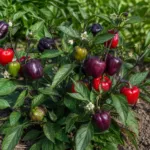 Purple Beauty (Capsicum annuum ‘Purple Beauty’)Capsicum annuum 'Purple Beauty'
 Numex Twilight (Capsicum annuum ‘Numex Twilight’)Capsicum annuum 'Numex Twilight'
 Explosive Ember Chili Pepper (Capsicum annuum ‘Explosive Ember’)Capsicum annuum 'Explosive Ember'