
 Source:
 Delphinium ‘New Zealand’ short overview
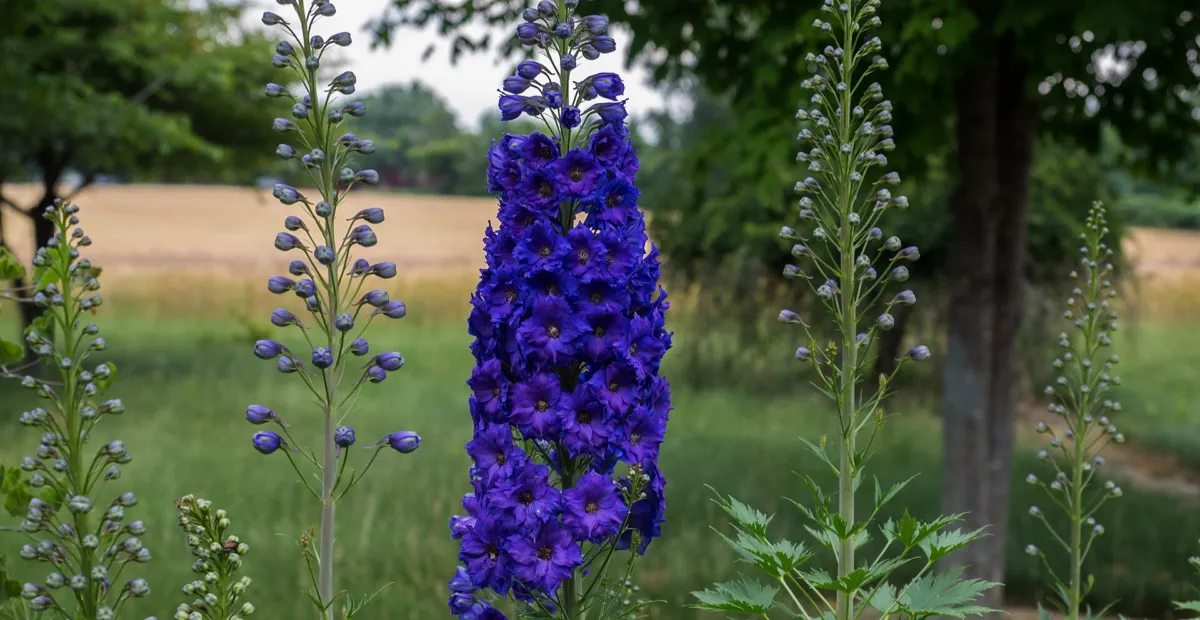
Delphinium 'New Zealand' is a tall, cool-season garden delphinium identity associated with New Zealand breeding and the elatum-type hybrid tradition. It forms upright stems with deeply divided foliage and showy, spurred flowers, but published sources do not consistently provide a single verified color, size, or clonal description for this exact name. Grow it in rich, well-drained soil, full sun, and a sheltered position with early support.
Taxonomic classification
Delphinium ‘New Zealand’ care guide
Light and placement
Give full sun for sturdy stems and the strongest flowering, ideally with morning and early afternoon exposure and shelter from prevailing wind. In hot-summer areas, light afternoon shade can reduce heat stress, but dense shade causes weak, floppy growth and fewer flowers. Pale, stretched stems suggest insufficient light; scorched foliage or rapid wilting suggests excessive heat or reflected light.
Watering and humidity
Keep the root zone evenly moist during establishment, active leaf growth, and flowering, watering deeply when the surface begins to dry rather than giving frequent shallow splashes. Reduce irrigation after cutting back and during dormancy, then increase it as new shoots emerge. Water the soil, not the foliage, and never leave the crown in saturated soil.
Soil and growing medium
Use fertile, humus-rich soil that drains freely while retaining steady moisture. A loam amended with compost is suitable. Aim for approximately pH 6.5–7.0; mildly acidic to neutral conditions are generally appropriate. Avoid warm, stagnant, waterlogged soil, especially around the crown, because poor drainage encourages crown and root diseases.
Feeding
Feed in early spring as new growth begins with compost plus a balanced slow-release fertilizer, or use a dilute liquid feed during vigorous growth. A second light application before flowering can support stems and racemes. Avoid heavy late-season nitrogen and do not fertilize drought-stressed, waterlogged, or dormant plants.
Growth and habit
This is a cool-season, clump-forming herbaceous perennial type that produces a basal foliage mass followed by tall flowering stems. Strong support is usually needed before bloom. Cutting spent stems after flowering can encourage fresh basal growth or a later display where the climate remains favorable. Heat, humidity, and poor drainage can shorten its performance.
Planting and repotting
Plant in spring or early fall when soil is workable and temperatures are moderate. Set the crown at soil level rather than burying it deeply. Allow roughly 18–36 inches between plants, depending on vigor and the desired airflow. Water consistently during establishment and install support before the flower spikes become tall and heavy.
Container-grown plants can be shifted into a larger pot in early spring, using a rich but well-drained perennial mix. Minimize root disturbance and provide a heavy container or support so tall flowering stems do not overturn the plant.
Propagation and pruning
Propagation
Seed is the best-supported practical method for New Zealand-bred delphinium seed lines, but seedlings may vary. Selected plants may also be propagated from basal or small cuttings when clean, vigorous material is available. Sow fresh seed shallowly in a sterile mix, keep it cool and evenly moist, and transplant seedlings after true leaves develop.
Pruning
Stake flowering stems early. After the first flush fades, cut spent spikes down to about 2 inches above the crown, taking care not to injure new basal shoots. Remove yellowing foliage and clear debris in late fall or winter to reduce disease carryover.
Overwintering
Leave the plant outdoors where winter dormancy is reliable. After foliage dies back, remove debris and apply a light mulch over the root zone without burying the crown. In regions with severe freeze-thaw, exposed wind, or wet winter soil, improve drainage and use a loose protective mulch rather than heavy, wet cover.
Uses
Useful as a vertical accent in cottage gardens, mixed borders, cool-season perennial beds, and cutting gardens. Tall stems are valued for floral arrangements. It is not an edible plant, and all parts should be excluded from food, forage, and pet access because delphiniums are poisonous when eaten.
Appearance
The plant forms a basal clump of palmately divided, lobed leaves and sends up upright, relatively stiff flowering stems. The racemes carry showy, individually spurred flowers with a contrasting central 'bee' of smaller petals in many elatum-type hybrids. The exact color pattern and degree of doubleness for 'New Zealand' are not reliably standardized.
Flowering
This identity is associated with tall elatum-type delphiniums that produce upright racemes of individually spurred flowers. The exact published color and flower count for 'New Zealand' are not consistent across available references, so a definitive cultivar description cannot be supplied. Flowering is generally concentrated in late spring or early summer, with possible repeat bloom after cutting back in favorable conditions.
Pollination and visitors
Open, nectar-bearing delphinium flowers are commonly visited by bees and bumblebees, which can work the flowers using the prominent spurs and central floral structures. No specific pollinator species was sufficiently documented for this exact named identity.
Diseases and pests
Diseases
Provide good spacing, airflow, drainage, and careful watering at the soil line. Watch for powdery mildew, botrytis, crown rot, root rots, and occasional leaf spotting. Remove badly affected tissue, avoid overhead irrigation, and improve drainage before using a labeled fungicide where necessary.
Pests
Slugs and snails commonly damage emerging shoots; aphids may cluster on buds and flower stems. Use hand removal, barriers, habitat-based slug control, and targeted insect management only when needed. Keep the crown open and avoid excess moisture to reduce secondary disease problems.
Toxicity and pollen
Delphinium contains diterpenoid alkaloids and should be treated as poisonous if eaten. Risk is greatest from ingestion of plant material, with possible neurologic, gastrointestinal, cardiovascular, or muscular effects. Wear gloves when handling large quantities, keep cuttings away from children and pets, and seek poison-control or veterinary advice after suspected ingestion.
- Typical season
- Late spring through summer during flowering
- Pollination / pollen
- Insect-associated pollen; limited routine airborne dispersal
Delphinium pollen is primarily released from insect-visited flowers rather than designed for broad wind dispersal. Airborne exposure is therefore usually lower than for wind-pollinated grasses or trees, but sensitive people should still avoid assuming zero allergy risk when plants are flowering or when handling abundant blooms.
Native habitat
The horticultural background points to cool, fertile, well-drained conditions rather than a natural habitat for this named hybrid. Elatum-type delphiniums are derived from mountain and meadow plants and perform best where summers are not excessively hot, roots remain cool, and winter dormancy is available.
Interesting fact
The name is associated with New Zealand delphinium breeding rather than a consistently documented botanical species. New Zealand-bred elatum types were selected for strong stems, flower quality, and improved performance in some mild or humid conditions. Delphinium flowers have a distinctive central group of smaller petals commonly called the 'bee'.
Frequently asked questions (FAQ)
The most relevant questions about this plant, with short and direct answers.
🌱Quick care
How do you care for Delphinium 'New Zealand'?⌄
Grow Delphinium 'New Zealand' in full sun, fertile well-drained soil, and moderate, even moisture. Provide shelter from strong wind, stake the tall flower stems, and protect the crown from persistently wet conditions.
Is Delphinium 'New Zealand' a perennial?⌄
Yes, Delphinium 'New Zealand' is a herbaceous perennial that dies back or becomes dormant in winter and regrows in spring. Its longevity is usually best where summers are relatively cool and drainage is excellent.
How much sun does Delphinium 'New Zealand' need?⌄
Give it full sun for the strongest stems and best flowering. In hot-summer parts of the United States, light afternoon shade can reduce heat stress, but too much shade may produce weak, floppy growth.
🌤️Environment and placement
What USDA zones can grow Delphinium 'New Zealand'?⌄
Delphinium 'New Zealand' is generally best suited to cool-to-moderate climates, approximately USDA Zones 3–7, although performance varies by selection and local summer heat. In warmer areas, afternoon shade, excellent drainage, and consistent moisture are especially important.
Where should I plant Delphinium 'New Zealand' in the garden?⌄
Plant it toward the middle or back of a sunny perennial border, cutting garden, or cottage garden. Choose a sheltered position with good air circulation, but avoid placing it directly against a wall where reflected heat and turbulent wind can damage the stems.
Can Delphinium 'New Zealand' tolerate frost?⌄
Established plants are frost-hardy and benefit from a normal winter dormancy. Protect young plants and exposed crowns from severe cold with a light mulch, while avoiding heavy, wet coverings that retain excess moisture.
Does Delphinium 'New Zealand' tolerate heat?⌄
It tolerates moderate warmth but can struggle in hot, humid summers. Morning sun, light afternoon shade, deep but well-drained soil, and steady watering improve performance; plants may be shorter-lived in persistently hot climates.
What soil is best for Delphinium 'New Zealand'?⌄
Use fertile, humus-rich, well-drained loam amended with compost or other organic matter. The soil should hold moisture without becoming waterlogged, because wet roots and crowns can lead to rot.
💧Care and problems
How often should I water Delphinium 'New Zealand'?⌄
Water when the soil surface begins to dry, keeping the root zone evenly moist during active growth and flowering. Reduce watering after the plant is cut back and dormant, but do not allow container-grown plants to dry completely.
Does Delphinium 'New Zealand' need fertilizer?⌄
Yes, it is a heavy-feeding perennial and benefits from compost plus a balanced slow-release fertilizer in spring. A second light feeding may help before flowering, but excessive nitrogen can encourage lush, weak stems.
Why is my Delphinium 'New Zealand' falling over?⌄
Tall flower spikes commonly fall because of wind, heavy blooms, insufficient light, or inadequate support. Install stakes, rings, or a wide support net early in the season, before the stems become tall and difficult to secure.
What pests attack Delphinium 'New Zealand'?⌄
Slugs and snails are the most common pests, especially on emerging spring shoots and young plants. Aphids may also cluster on buds and flower stems, while good airflow and regular inspection help reduce damage.
Why are the leaves of Delphinium 'New Zealand' turning white?⌄
A white, dusty coating is usually powdery mildew, favored by humid air, poor circulation, and stressed or overcrowded plants. Improve spacing and airflow, water at the soil line, remove badly affected foliage, and use a labeled treatment if necessary.
What causes crown rot in Delphinium 'New Zealand'?⌄
Crown rot is usually caused by persistently wet soil, poor drainage, or planting too deeply. Move plants to raised or freely draining beds, avoid excessive irrigation, and keep mulch away from the crown.
🪴Planting and repotting
When should I plant Delphinium 'New Zealand' in the United States?⌄
Plant nursery-grown divisions or young plants in early spring after the ground can be worked, or in early fall at least six weeks before hard freezes. In hot regions, fall planting is often preferable because roots establish during cooler weather.
How far apart should Delphinium 'New Zealand' be planted?⌄
Space plants about 18–36 inches apart, depending on the mature size of the selection. Wider spacing improves air circulation and usually reduces disease, while crowded plants may grow taller but are more likely to need support.
Can Delphinium 'New Zealand' grow in a container?⌄
Yes, it can grow in a large container filled with fertile, well-drained potting mix. Use a container roughly 2–5 gallons or larger, provide strong support for the flower spikes, and monitor moisture closely because containers dry faster than garden soil.
How deep should I plant Delphinium 'New Zealand'?⌄
Plant it at the same depth it was growing in its nursery pot, with the crown at or just above the soil surface. Planting the crown too deeply increases the risk of rot, especially in heavy or frequently wet soil.
✂️Propagation and pruning
How do you grow Delphinium 'New Zealand' from seed?⌄
Sow fresh seed lightly on a sterile, well-drained seed-starting mix and keep it cool, bright, and only evenly moist. Germination is usually best around 65–75°F, and seedlings should be moved into light promptly after they emerge to prevent weak, elongated growth.
Does Delphinium 'New Zealand' need cold treatment before sowing?⌄
Cold treatment can improve or synchronize germination, particularly when seed is old or germination is inconsistent. Refrigerate sealed, dry seed for several weeks before sowing, but follow the instructions supplied for the specific seed lot because requirements vary.
Can Delphinium 'New Zealand' be propagated from cuttings?⌄
Yes, delphiniums can be propagated from basal cuttings taken from healthy new shoots in spring. Cuttings require clean tools, a sterile rooting medium, consistent moisture, and protection from excessive heat; named selections are more reliably preserved this way than from seed.
When should I cut back Delphinium 'New Zealand'?⌄
Cut spent flower stems down to about 2 inches above the crown after the first flush fades. This tidies the plant and may encourage additional growth or flowering, while the remaining foliage should be retained until it naturally declines.
Should I divide Delphinium 'New Zealand'?⌄
Divide established plants in early spring or early fall if they are overcrowded or need rejuvenation. Lift and separate vigorous crown sections with healthy roots and shoots, then replant promptly at the original depth.
⚠️Toxicity and safety
Is Delphinium 'New Zealand' poisonous?⌄
Yes, all parts of Delphinium 'New Zealand' should be considered highly toxic if eaten. Keep children and pets away from the plant, wear gloves when handling it if you have sensitive skin, and seek immediate professional advice after ingestion.
Is Delphinium 'New Zealand' safe for dogs, cats, or horses?⌄
No, delphiniums can poison dogs, cats, horses, livestock, and people if eaten. Symptoms may include digestive upset, weakness, tremors, or breathing and heart problems, so contact a veterinarian or poison-control service immediately after suspected ingestion.
🌸Flowering and special interest
When does Delphinium 'New Zealand' bloom?⌄
It usually blooms in early to midsummer, with the exact timing depending on the selection, planting date, and local climate. Cutting back the first flower spikes promptly may encourage a later flush where growing conditions remain favorable.
How tall does Delphinium 'New Zealand' grow?⌄
Many New Zealand-bred delphinium hybrids produce tall flowering stems about 4–6 feet high, although individual selections can be shorter. Mature height depends on the cultivar, fertility, light, spacing, and whether the plant experiences heat stress.
How can I make Delphinium 'New Zealand' flower more heavily?⌄
Give it full morning sun or full sun, rich soil, regular moisture, and early support for the stems. Remove faded spikes at the base, feed lightly in spring, and reduce heat and root stress in warmer climates.
Can Delphinium 'New Zealand' be used as a cut flower?⌄
Yes, its tall flower spikes are excellent for cutting arrangements. Harvest when the lowest few florets on a stem have opened, strip foliage below the waterline, and place the stems in clean water immediately.
Similar plants
 Delphinium ‘Magic Fountains’Delphinium 'Magic Fountains'
 Delphinium elatum care guideDelphinium elatum
 Delphinium elatum care guideDelphinium elatum elatum
 Delphinium ‘Summer Nights’Delphinium 'Summer Nights'
 Delphinium ‘Blue Bird’Delphinium 'Blue Bird'
 Delphinium ‘Blue Mirror’Delphinium 'Blue Mirror'